

STARK HOUSE SUNDAY SERIAL: Clean Break, Chapter 10
LoCO Staff / Sunday, Feb. 5, 2023 @ 7:05 a.m. / Sunday Serial

[Just discovering this LoCO feature?
Find the beginning by clicking here.]
CLEAN BREAK
by
Lionel White

Art by DALL-E, an artificial intelligence.
CHAPTER TEN
1
In spite of the questioning, the confusion and the general all around hysteria, Big Mike was the first one to arrive at the apartment on East Thirty-first Street. He got out of the elevator and knocked on the door at exactly eight thirty-five.
Marvin Unger’s face was like chalk. His voice, coming through the thin panel, sounded hoarse and frightened when he asked who it was. His hands were shaking uncontrollably as he pushed the door open from the inside.
Big Mike slipped in without a word.
The Venetian blinds were down and there was no light on, although it was past dusk.
Big Mike went to the couch and slumped.
Unger stood with his back to the door.
“Christ,” he said. “Oh, Jesus Christ, I never thought it was going to be like that!”
Big Mike looked at him without expression.
“Like what?” he said.
“Why…”
“Were you there?”
Marvin nodded dumbly.
“O.K.,” Big Mike said. “Then stop worrying. It went off just as Johnny planned it. No one else here yet?”
Unger shook his head. He went out into the kitchen and then returned with a partly filled bottle of rye.
His hands still shook as he poured two drinks and handed one to the big Irishman.
“God!” he said.
“Take it easy, boy,” Big Mike said. “It went off perfect.”
“I know,” Unger said. “But you haven’t heard the radio. That horse was killed. Four of the jockeys are in the hospital. There were dozens of people hurt in the riot.”
“Yeah,” Big Mike said. “And if you listened they also said that the kitty was over two million dollars.”
Unger didn’t say anything. He lifted the shot glass to his lips and spilled half of the drink getting it down. He started to cough.
“Peatty should be here,” Big Mike said. “Hell, they didn’t even hold the cashiers. Guess they’ll get around to them tomorrow. We all got to get back early tomorrow morning. Everyone who works out at the track.”
“How come…”
“Cops just had too damned much to do,” Big Mike interrupted. “They picked up probably a couple of hundred suspicious characters at the track. And they’re questioning the people who worked in the main offices. They’ll get around to the rest of us, don’t worry.”
“God, I wish it was over,” Unger said. “This waiting is driving me crazy. Where the hell are the others, anyway?”
Mike shrugged.
“Take it easy,” he said. “Randy has to check out and he didn’t want to come direct. He’ll be along soon. Peatty should be here, but he probably stopped home to check up on that wife of his. Johnny—well, Johnny has to go back and pick up the loot where Randy dumped it off. He’ll be here all right.”
“I can’t understand why Kennan couldn’t have brought it direct,” Unger said.
“Don’t be a damned fool. You think he wanted to take it in with him when he checked out of the prowl car? For Christ’s sake!”
“What happened about the fight?” Unger asked.
“Nothing,” Big Mike said. “So far they haven’t made the connection. Killing that horse, that’s all they’re thinking about right now. And I don’t think they’ve even figured yet what happened to Black Lightning.” He stood up suddenly and walked over toward the door.
“Hear the elevator,” he said. “Probably one of the boys.”
# # #
2
George Peatty was able to get away from the track by seven o’clock. No one had bothered him with questions. They’d only told him to show up the next morning, at ten instead of the usual time. The cops had their hands full without bothering with the cashiers. Apparently they still hadn’t figured out exactly how Johnny had got into the offices in the first place.
George’s nervous system was shot and he knew it. But every time he started feeling sorry about ever getting mixed up with the thing in the first place, he’d remember Sherry. And that made it all right.
When he got off the train at Penn Station, instead of going across town and over to the meeting place as he had at first intended, he decided to stop up at his own apartment. For some reason he had been worrying all afternoon about Sherry. He just wanted to stop in and see her, see that she was all right.
He knew, somehow, the minute he put the key into the lock and twisted the doorknob, that something was wrong. He couldn’t tell how but he knew.
She wasn’t there, but then again, that in itself was nothing to worry about. But this time he did worry. Walking over to the telephone, he looked at it for several minutes. It told him nothing. Then he went through the rest of the apartment. Everything seemed normal. But he still worried. He went back to the phone and he called several of Sherry’s friends. No one had seen her that afternoon or evening. He went into the bedroom and opened the top bureau drawer.
George locked the apartment door and went downstairs. He walked over to Broadway and called a cab.
Heading downtown, he felt the bulge where the automatic weighted down the inside breast pocket of his jacket. His face was yellow and drawn, but his hands were steady.
George had heard at the track that the robbery loot was more than two million dollars.
Johnny had thrown the bag containing the fabulous fortune out of the window. Randy had picked up that bag and driven off. Randy, George knew, was going to transfer the money back to Johnny and Johnny was to bring it to the meet tonight.
For the first time George began to wonder if Kennan actually did transfer the money.
For the first time he speculated on the possibility that Johnny Clay might take that money and light out alone with it.
His mouth set in a tight, hard line and his weak chin was temporarily firm as once more he felt the outline of the revolver.
# # #
3
It was nine o’clock and Randy was talking. Big Mike and George Peatty sat on the couch listening to him as the cop spoke. Marvin Unger paced the floor.
“Sure they know,” he said. “They know the dough went out the window. They know that somehow or other it was picked up. So far that’s all they do know. They haven’t yet connected a police car with it. Whether they do or not, I have no way of telling.”
“About you, though,” Big Mike asked. “About you? They figure yet you were off your…”
“Yeah. The Lieutenant knows that I didn’t answer a couple of calls. But he thinks I got half a load on and was sleeping it off. I’ll be busted probably and put back on a beat. But that’s all, as far as I know.”
Peatty suddenly looked up.
“God damn it,” he said, “where the hell is Johnny? He should be here. What the hell’s keeping the son of…”
“Take it easy,” Randy said. “Keep your pants on. I dumped the bag all right and Johnny will pick it up all right. He’s taking it easy and playing it safe. You don’t have to worry about Johnny.”
“I do worry,” Peatty said. “How do you know…”
“Look, you little bastard,” Randy said, stopping and turning toward him, “don’t you get any fancy ideas about Johnny.”
“Right, lad,” Big Mike said. “You don’t have to worry about Johnny.”
Marvin Unger stopped his pacing and swung toward the rest of them.
“Well, as far as I’m concerned,” he began. And then his voice died out. He turned toward the door. The eyes of the others in the room also suddenly swung toward the door.
They had all heard the soft, rustling sound.
# # #
4
Johnny Clay left the newsreel theater at seven-thirty. He had seen the program through and then sat on for half of the second showing. Once more he was feeling all right. It was almost like coming out of a post-operational shock.
He walked across town, taking his time. When he arrived at the parking lot on West Fifty-first Street, the place was rapidly beginning to fill with the theater crowds from the suburbs. He waved the attendant who approached him aside, and went to the office.
“I’m a friend of Randy Kennan’s,” he said. “Supposed to pick up his car. He tell you about it?”
The man at the desk looked at him for a second, and then smiled.
“Sure,” he said. “Sure thing. You know the car?”
“Yeah.”
“It’s the Dodge sedan—the blue one, second row over at the end,” the man said. “Key’s in it. You want to go down and take it out yourself? The boys are kinda busy right now.”
Johnny said that he’d take it out.
“Any charges?” he asked.
“No, he keeps it here by the month,” the man said.
Johnny thanked him and walked out.
It felt strange driving again.
Joe Piano opened the iron grilled door in the basement when he rang the bell. He said nothing until after Johnny was in and he had started following him down the hallway.
“He came,” he said then.
“Good.”
“Yeah, he came and he left it. It’s up in your room.”
“Thanks,” Johnny said.
He followed Johnny to the door of his room.
Johnny started to unlock the door.
“You won’t be back, I guess?”
Johnny went into the room and then turned and closed the door after Joe Piano followed him in.
“No,” he said, “I won’t be back.” He hesitated a moment, his eye taking in the duffle bag laying over in the corner.
“I’d like to do something for Patsy,” he said.
Joe Piano shook his head.
“You don’t have to,” he said. “You already done enough.”
“I’m going to leave something for Patsy in the bureau drawer,” Johnny said.
Piano stared at him for a minute.
“O.K.” he said. “You can do that then. I’ll tell him.” He turned and reached for the doorknob.
“Some stick-up out at the track this afternoon,” he said. A moment later and he was through the door and was closing it softly.
Johnny went over to the duffle bag. He opened the draw cord and put one hand in, pulling out a sheaf of bills. He didn’t bother to count the money but went to the bureau drawer and opened it. He shoved the bills inside and then closed the drawer.
A moment later and he closed the top of the duffle bag and threw it over his shoulder. He carried it downstairs.
Joe Piano was waiting at the iron gate and opened it for him.
“I left the key on the bed,” Johnny said.
“Good luck,” Joe said. “I’ll tell the boy what you did for him.”
Johnny went to the car at the curb and tossed the duffle bag over the door so that it landed on the floor next to the driver’s seat. He climbed in and pushed the starter.
# # #
5
Val Cannon stopped the car in front of the apartment house and cut the lights. He turned and spoke over his shoulder.
“Get the key out of her bag,” he said.
The thin-faced man reached down to the floor and picked up the leather strapped, woman’s pocketbook. He fumbled around inside and finally took out three keys on a small silver ring.
“Must be one a these.”
“Ask her,” Val said.
The heavy-set man laughed.
“Ask her hell,” he said. “She’s passed out again.”
“O.K. Get her ass off that seat and carry her inside. You pass anybody, say she’s drunk. Take her upstairs and dump her.”
“You want we should try and bring her to?” the thin-faced man asked.
“I want you should get her inside her apartment and drop her.” Val turned into the back of the car. “And God damn it, get back down here right away. You’ve had your fun with her. I want to get on downtown.”
The big man carried her and the thin-faced man opened the doors. Entering the apartment, the smaller man flipped on the light switch at the side of the door.
The other man dropped Sherry Peatty on the couch in the living room. He turned away.
His partner walked over and looked down at her for a minute.
He lifted his hand and slapped her twice across the mouth. She didn’t move. Deliberately, he spit into her face, then turned away.
“Dumb bitch,” he said.
Val had the engine going as they both climbed into the front seat. Twenty-five minutes later he pulled up in front of Marvin Unger’s apartment house. He cut his lights and as he did a man stepped out of a car across the street and walked over. He leaned on the side of the door.
“Well?”
“The guy got in shortly after six,” the man said. “The big Irishman came in around eight-thirty, then the other guy who works at the track and the cop soon after.”
“How about…”
“No. He hasn’t showed. Of course he could have got here before I did, but I doubt it.”
“O.K., Trig,” Val said, at the same time reaching for the ignition key and taking it out. “We’re going on up. You stay down here and wait. If he’s already up there—fine. But I doubt it. If he should show; I want you to give him plenty of time to get inside and upstairs and then follow him on up. I’ll see you.”
He turned to the others.
“You all set, Tiny?” he asked,
The heavy-shouldered man grunted.
“You, Jimmy?”
“Couldn’t be more set,” the smaller man said. He shifted in the seat and loosened the gun in its shoulder holster.
“Let’s go then,” Val said, opening the door on his side of the car.
# # #
6
Randy Kennan was reaching, almost instinctively, for the gun he always carried as the door burst open. He was standing not more than three feet away and the big man’s blackjack caught him across the eyes before he had a chance to move.
Val followed the big man into the room and Jimmy shut the door quickly behind them.
Unger, Big Mike and Peatty stood frozen.
Randy Kennan slowly slumped and then sprawled on the rug. Blood began to seep from his nose and down across his chin.
“All right,” Val said. “Just hold it. Don’t nobody make a move.”
The gun was in his hand and he stood with his back to the closed door. The heavy-set one, the one he had called Tiny, stood balancing on the balls of his feet, gently moving the blackjack back and forth. Instantly the thin man went into the bedroom. He returned a moment later.
“No one else,” he said.
Val nodded.
“Get that slob on the couch and take his gun,” he said.
The other two lifted Randy to the couch, at the same time frisking him. Kennan opened his eyes and stared at them.
“The rest of you sit down.”
Peatty slumped into a chair near the kitchen. Unger, his face deadly pale, leaned against the edge of the couch. Big Mike just stood for a second. His face was red as a beet.
“I said sit down.”
Mike went over and sat on the couch next to where Randy was slowly trying to get up. He put a hand on Randy’s knee and held him down.
“Search the joint,” Val said.
There wasn’t a sound then as Tiny and Jimmy started going through the place. It took them only two or three minutes.
“Nothing,” Jimmy said, finally returning from the bathroom. “It ain’t here yet.”
Val nodded. He turned to Unger.
“All right, you bastard,” he said. “When do you expect him?”
“Expect who?”
Val didn’t answer. He walked across the room and using the barrel of the gun, swiped it across Unger’s forehead, leaving a wide red gash which quickly filled with blood. Unger half sobbed and sat down on the floor.
“I’ll ask the questions. When do you expect him?” Val turned to George Peatty.
“We don’t expect anyone,” George said.
Val walked over in front of him.
“You’re cute too,” he said. This time he used the butt. Deliberately he smashed it into Peatty’s face.
“Two down and one to go,” he said as Peatty fell from the chair to the floor. He turned to Big Mike then.
“O.K., Papa,” he said. “We know all about it. We know you guys knocked off the track. We know you’re splitting it up, here, tonight. And we’re cutting in. Now when does that other son of a bitch show up here with the money?”
Big Mike looked at him for a moment before speaking.
“He don’t,” he said then. “We were just getting set to meet him.”
Val started toward him, again holding the gun by the butt. As he did, Randy suddenly kicked out and caught him with a blow on the shins. At the same time he rolled off the couch and started to reach for the blackjack he carried in his hip pocket. Tiny’s own blackjack caught him across the top of the head as Val stumbled and fell over him.
Unger screamed.
It was then that Peatty fired.
The bullet caught Val Cannon in the throat and he suddenly coughed and the blood began to pour down his shirt. Big Mike leaped for Tiny and at the same instant Jimmy began shooting. His first shot hit Marvin Unger in the chest.
The second one entered George Peatty’s right cheek.
Big Mike, backed against the wall in a bear hug, hit the electric switch. A moment later the place was in complete darkness.
And then hell broke loose.
# # #
7
Mrs. Jennie Koisky, sitting in her living room in her apartment directly under Marvin Unger’s, got up and walked over to the telephone.
“I don’t care what you say, Harry,” she said, “they got no right making all that noise over our head. Like it or not, I’m calling the police.”
She picked up the receiver and dialed for the operator.
Five minutes after she had put the receiver back, Mrs. Kolsky was in her bathroom, washing her face with cold water. She was nervous and it always calmed her to wash her face. It wasn’t often that Mrs. Kolsky had found it necessary to call the police department.
Lifting her face from the washbasin, she reached for a hand towel. She was looking directly into the mirror. That’s how she happened to see the face.
The blood-soaked face of the man who was making his way, fumbling blindly, down the fire escape which showed through the opened window opposite the mirror over the sink.
Mrs. Kolsky screamed and the sound of the scream suddenly blended with the sirens from the street below.
# # #
Tune in next week for the next chapter of Clean Break!

Stark House Sunday Serial is brought to you by the Lost Coast Outpost and Stark House Press.
Based in Eureka, California since 1999, Stark House Press brings you reprints of some of the best in fantasy, supernatural fiction, mystery and suspense in attractive trade paperback editions. Most have new introductions, complete bibliographies and two or more books in one volume!
More info at StarkHousePress.com.
BOOKED
Today: 12 felonies, 8 misdemeanors, 0 infractions
JUDGED
Humboldt County Superior Court Calendar: Today
CHP REPORTS
0 Us101 S (HM office): Assist with Construction
ELSEWHERE
Fishing the North Coast : Eureka Fleet Enjoying Best Salmon Fishing in Years
RHBB: Possible Highway 101 Closure Requested as Fire Reported Near Redcrest Off-Ramp
Governor’s Office: Governor Newsom signs historic investments to bolster support for special education
RHBB: RV Burns to the Ground on Highway 36, Briefly Ignites Nearby Vegetation
GROWING OLD UNGRACEFULLY: Cryptocurrencies vs. Ponzi Schemes
Barry Evans / Sunday, Feb. 5, 2023 @ 7 a.m. / Growing Old Ungracefully
When Carlo/Charles Ponzi ran the scam that gave us the generic name of his pyramid-scheme fraud in the 1920s, he was following in the footsteps of other imaginative swindles. The South-Sea Bubble, the Dutch Tulip racket, William (“520%”) Miller’s “Franklin Syndicate,” all had their moments in the sun. More recently, Bernie Madoff and Allen Stanford managed to bilk naive investors out of huge sums. If you’re following the whole George Santos debacle, you’ll know he’s no stranger to the Ponzi world, either, through Harbor City Capital, the Florida-based investment firm where he worked.
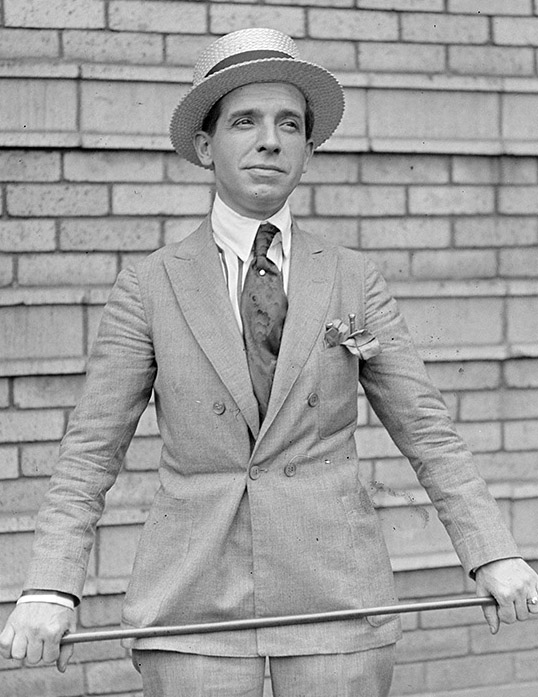
Charles Ponzi in 1920. Public domain.
Today, one third of the population of the US believe that cryptocurrencies are Ponzi schemes. At the same time, around 46 million Americans (22%) own Bitcoin, the most popular cryptocurrency — none of whom, presumably, think of their investment as a Ponzi scheme. Worldwide, over a billion folks used cryptocurrencies in 2022. So which is it? Ponzi or investment?
A Ponzi scheme is pretty simple: Early investors receive regular high-interest payouts which are sustained just as long as new investors come in. Eventually the whole edifice collapses, at which point the mastermind is either arrested or disappears. The latter happened with a pseudo-crypto Ponzi scheme, OneCoin, a huge scam based in Bulgaria that collapsed in 2017. The founder, Ruja Ignatova, disappeared off the map with a huge chunk — billions! — of stolen money. (She is now on the FBI’s Ten Most Wanted Fugitives list.) I say “pseudo” because the con artists simulated transactions on the blockchain, rather than actually registering them, which would have made them permanent and immutable.
Cryptocurrencies like Bitcoin don’t qualify as Ponzi schemes. For one thing, Bitcoin certainly doesn’t promise high rates of return! Its value goes up and down like a yo-yo, and anyone who buys Bitcoin surely knows it’s a gamble just by looking at a historic price chart. For another, there’s no “mastermind” behind Bitcoin manipulating it — the whole point of cryptocurrencies, from Bitcoin on down, is to avoid centralized control. Also, transactions are transparent (anyone can access the blockchain, in which every transaction over the past 14 years is recorded), they are final (no one can go back and fiddle the books) and transactions are essentially instantaneous (< 10 minutes), while the source code is public.
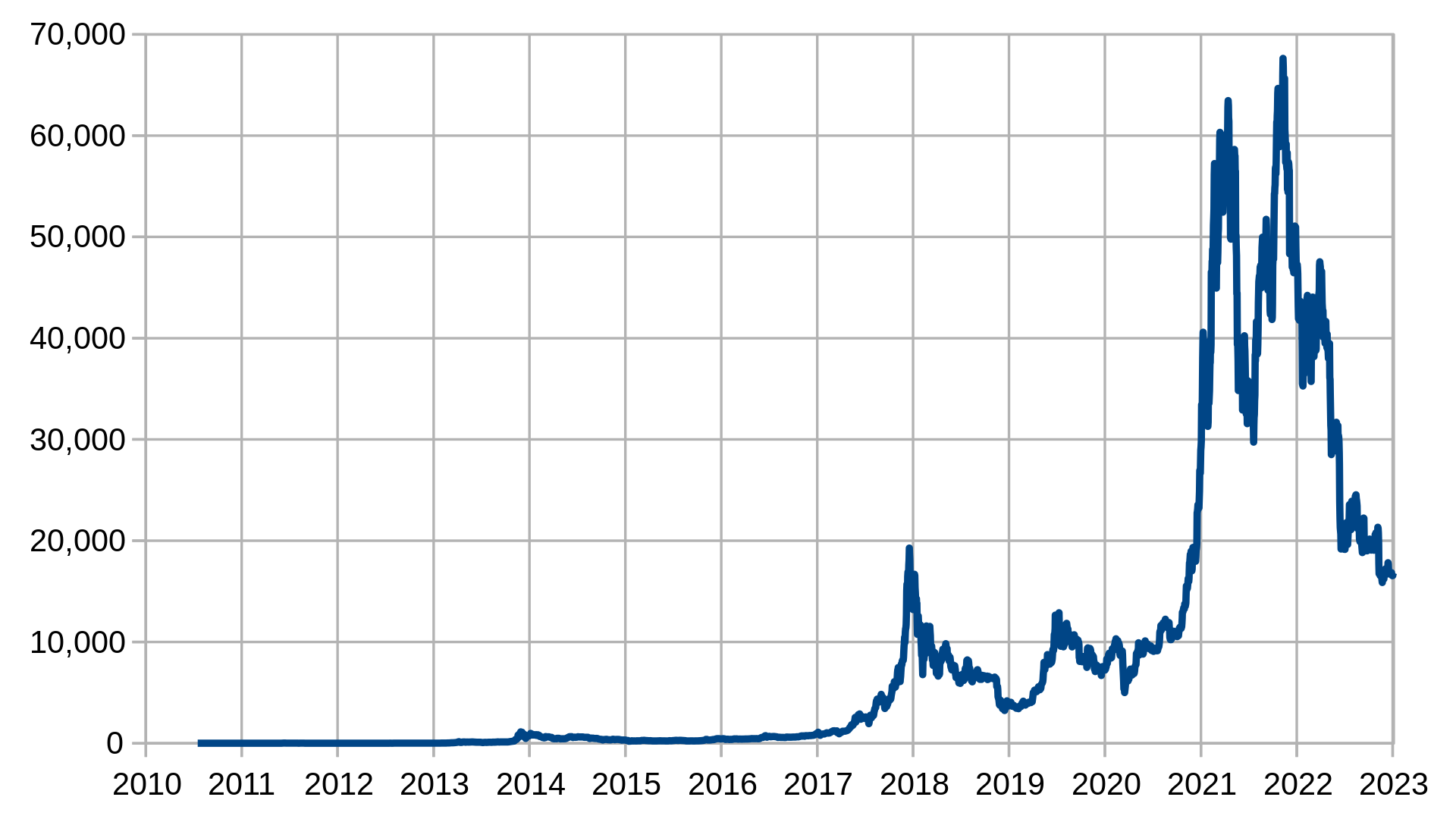
The boom and bust cycle of Bitcoin in US dollars. FrankAndProust, Creative Commons license.
Bitcoin was created in response to the 2008 financial crisis resulting from the failure of centralized government to avoid unchecked speculation (in worthless mortgages), perhaps as a precursor to digitize the entire $600 trillion world of financial assets. When most of us think about money, what we want are two qualities: wealth preservation and monetary sovereignty, neither of which are guaranteed by our present fiat system (where a piece of green paper is worth $20 only because the government says so). $700 in 1970 is now worth $100, so rather than preserving wealth, the system has undercut saving. Meanwhile, monetary sovereignty — the ability for each of us to make free choices in how to save, invest or spend our wealth, free of censorship or confiscation — is hardly a given. For instance, Canadian PM Justin Trudeau used emergency powers to temporarily freeze the bank accounts of about 200 anti-vaxxer truckers who brought Ottawa to a standstill last year, while today, a tiny group of Trumpist Republicans are threatening to cause the US Treasury to default on its debt obligations in a few months, which could have repercussions for all of us.
I’m no economist, but I think it’s pretty obvious that what has worked (just barely) in the past isn’t going to work in the future, as global problems threaten to swamp the ability of our current capitalist system to deal with them. Cryptocurrencies may not be the final answer, but some trustless system of decentralized money, out of the hands of politicians and bankers, guaranteed by a secure blockchain, with a finite number of “coins” (to avoid inflation), may be the only way out of the mess we’ve gotten ourselves into.
Bottom line: Just because it’s risky doesn’t mean it’s a scam!
Search and Rescue Operation Underway for 74-Year-Old Washington Woman Who Went Missing While Picking Mushrooms Near Gasquet
Isabella Vanderheiden / Saturday, Feb. 4, 2023 @ 6:02 p.m. / Emergencies
The Del Norte County Sheriff’s Office is searching for a 74-year-old Washington woman who was separated from her family while mushroom picking in the area of French Hill Road near Gasquet.
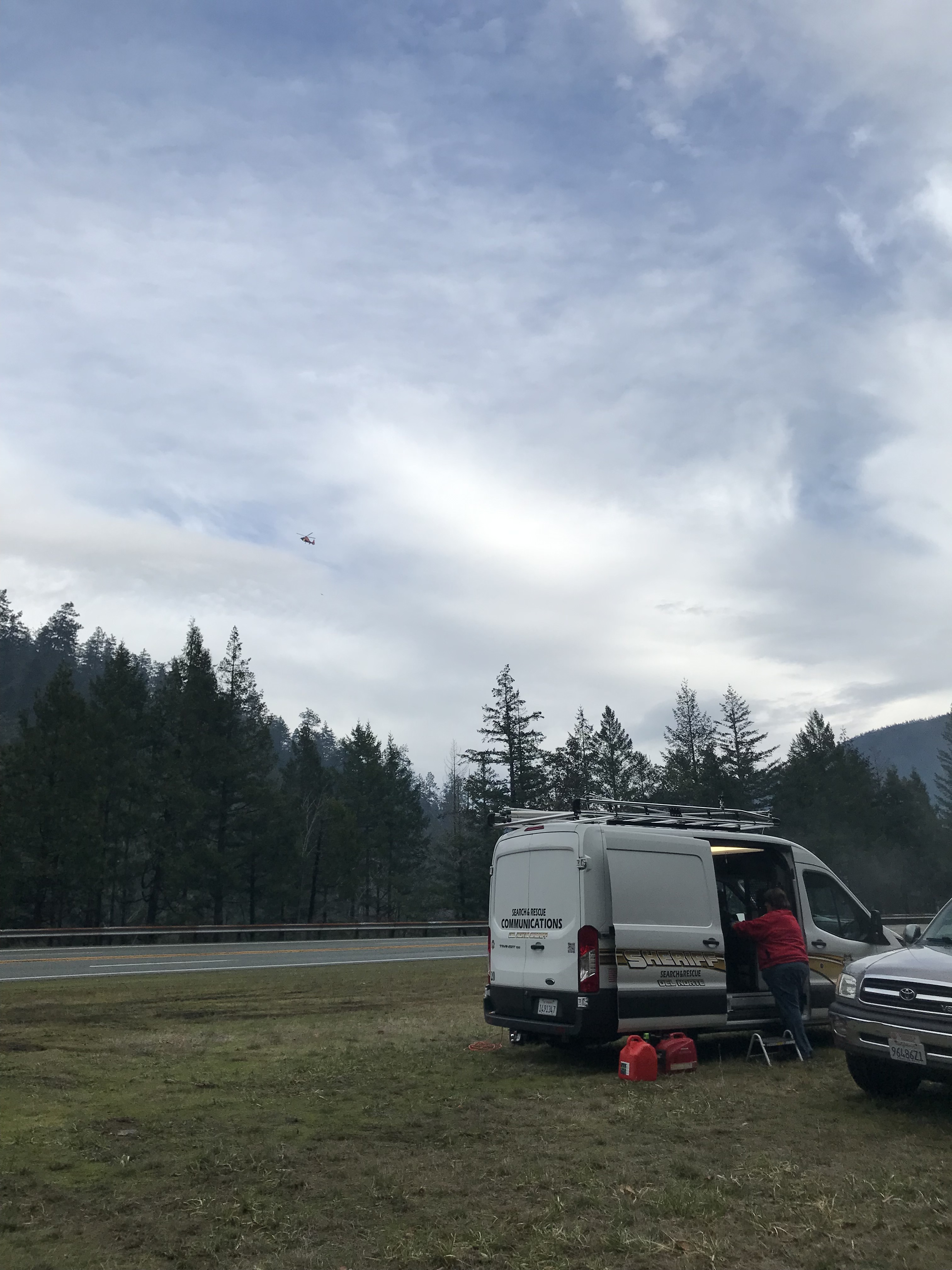
Photo courtesy of Del Norte County Sheriff’s Office.
She was separated from her husband and adult daughter while navigating the woods on Friday evening, according to Del Norte County Sheriff Garrett Scott.
“Her husband showed up at the Gasquet Ranger Station around 8 p.m. [on Friday] and reported that he had been separated from his wife and daughter in the woods while mushroom picking,” Scott told the Outpost just before 5 p.m. “We did a preliminary search last night but because it’s so brushy and steep through the area, we decided to come back at first light this morning. … The U.S. Coast Guard brought in their helicopter and they were able to locate the adult daughter … but we’re still looking for her mother.”
Search and rescue teams will continue to search the area until nightfall, Scott said. Several team members will remain stationed near the family’s original campsite overnight. “Search efforts will resume tomorrow morning if we cannot find her this evening.”
Nearby residents are asked to stay out of the area for the time being. We’ll update this post when we know more.
THE ECONEWS REPORT: New Legislation Returns Local Control Over (Some) Pesticide Spraying
The EcoNews Report / Saturday, Feb. 4, 2023 @ 10 a.m. / Environment
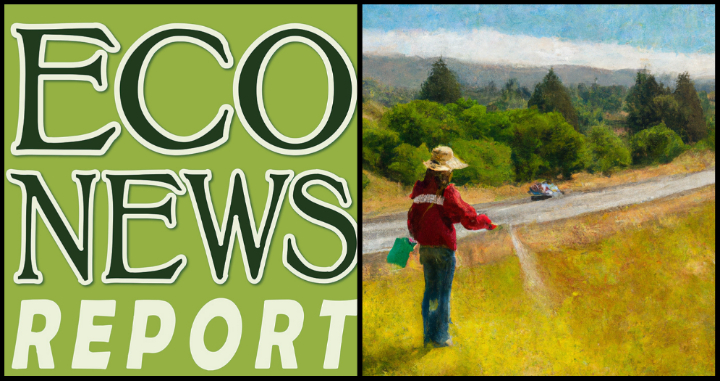
Art by DALL-E, an artificial intelligence.
Local jurisdictions have very limited control over regulating local
pesticide use. New legislation introduced by Assemblymember Damon
Connoly would return some local control. Assembly Bill 99 would
require Caltrans to respect resolutions passed by counties banning
the roadside spraying of pesticides. This legislation builds on
decades of work by anti-spray advocates, who have continuously pushed
on the agency to reduce its reliance on the nozzle.
The EcoNews talks with Patty Clary of Californians for Alternatives to Toxics, Patty Mayall of Protect Our Watershed San Mateo County, and Megan Kaun of Sonoma Safe Ag, Safe Schools about their experience working to reduce roadside spraying and their thoughts on the proposed legislation.
A NURSE WRITES: Mutations, Sunshine and a Simplified Vaccine Proposal
Michelle Lewis-Lusso / Saturday, Feb. 4, 2023 @ 7:30 a.m. / Health
I sometimes feel like our seasons are off by a month. Only now that we are in February does it really feel like winter. That bone-penetrating cold we’ve been experiencing makes me grateful for a warm home, and the gorgeous light in the mornings is a nice bonus too. Here comes the sun!
COVID has been settling down, with both hospitalizations and cases at lower levels than the fall, and below most expectations. Yay!
According to the State’s data dashboard, everything is down, including deaths and vaccinations. Hospital systems have been experiencing some challenges with admissions, staffing shortages, and visits to the ER from people who are getting run over by one or another respiratory bug, but overall, COVID doesn’t seem to be taking the toll that was predicted early in the winter season. Hopefully we are going to keep trending downward in cases, hospitalizations and deaths. That being said…

Release the Kraken!
When viruses mutate, the changes can make your immunity (natural or vaccine induced) fade; the mutations make the virus like a whole new disease you have no protection against.
For some time now, those in charge have switched from naming COVID variants with greek letters (O is for Omicron,) to some variation of software versions. Concerns have been circulating about the “Ex-be-be-point-one-point-
It seems that XBB.1.5 ( the fifth grandchild of XBB — a subvariant of our old friend Omicron), is highly transmissible. If you haven’t gotten it yet, some say you will likely get this one. XBB.1.5 circulating in at least 39 countries, and accounts for about 61-ish or so percent of the COVID cases nationwide (mostly on the East coast).
Someone on Twitter thought that it would be good to give this alarming variant an alarming name, rather than remembering another set of letters and numbers. WHO says XBB.1.5 is the most transmissible variant, and when I tell you that “Kraken is the most transmissible variant,” it’s got a lot more oomph.
What do we know? Kraken seems to be very “immune-evasive.” The measures we have taken so far to build our immunity, either from getting vaccinated or getting COVID — or both — have not been as effective at keeping people from getting infected but have still seemed to keep people from severe illness, hospitalization and death. There is limited data about the ability of Kraken to cause severe illness. It doesn’t seem to have any more ability to make people sicker than the other versions, but can still impact elderly and immunocompromised negatively. Repeated COVID infections seem to have a compounding effect in some cases, so do your best to avoid catching another version of COVID and stay safe out there!
Natural immunity to COVID-19? Some studies are looking into individuals who may have a genetic mutation to resist COVID-19 infection or illness. Hundreds of frontline workers and primary caregivers of individuals who had COVID have participated in these studies to see what has kept some people from ever getting sick and to hopefully find out if there is anything that can be applied to treatment and prevention strategies for the future. Mutations can be cool!

Annual Vaccines?
A committee of advisers to the Food and Drug Administration voted unanimously on a proposal to simplify the nation’s strategy for vaccinating people against COVID-19 in an effort to simplify the process. How many did you get already? Did you get boostered? (Boosted?) Did you get the monovalent? The bivalent? How many of those do you need? How did you spread them out?
Even for those with the time, ability, and inclination to get vaccinated and do their homework, it’s confusing.
To solve this dilemma, the advisory committee is proposing standardizing COVID vaccines and they are also talking about just going with an annual vaccine—like we do with the flu. This will cut confusion and hopefully get more people back on track protecting themselves.

Vitamin S (D)
Vaccinated or not, we can all agree that getting some fresh air and sun is a good idea.
And after a wet and dark month, the sun is coming out! The lawn was even mowed at Palazzo Lewis-Lusso the other day! Even though we are always warned about the need to wear sunscreen and how dangerous the sun is, there are actually some pretty sweet benefits to taking a small dose of sunshine to help boost our vitamin D. Lack of vitamin D, or vitamin D deficiency (or hypovitaminosis D) has been linked to poor sleep, mood swings, dry skin, immune impairment, fatigue, joint pain, depression, and more. Regular sun exposure is the most natural way to get vitamin D. 10-30 minutes of midday sun is recommended a few times a week, depending on how sensitive your skin is, how much melanin is in your skin, how far you are from the equator, etc. Wearing sunscreen does affect how much vitamin D will be generated, but we can’t minimize the dangers of too much sun exposure either. Sunscreen or no, get outside for ten minutes and try to enjoy a little sun, it may boost your mood!

###
Michelle Lewis-Lusso (she/her) is an Infection Prevention and Control nurse at United Indian Health Services, serving the 11,000+ clients and staff at their seven area clinics. She is in favor of naming diseases after mythical beasts.
OBITUARY: Roy Lewis Curless, 1930-2023
LoCO Staff / Saturday, Feb. 4, 2023 @ 6:56 a.m. / Obits
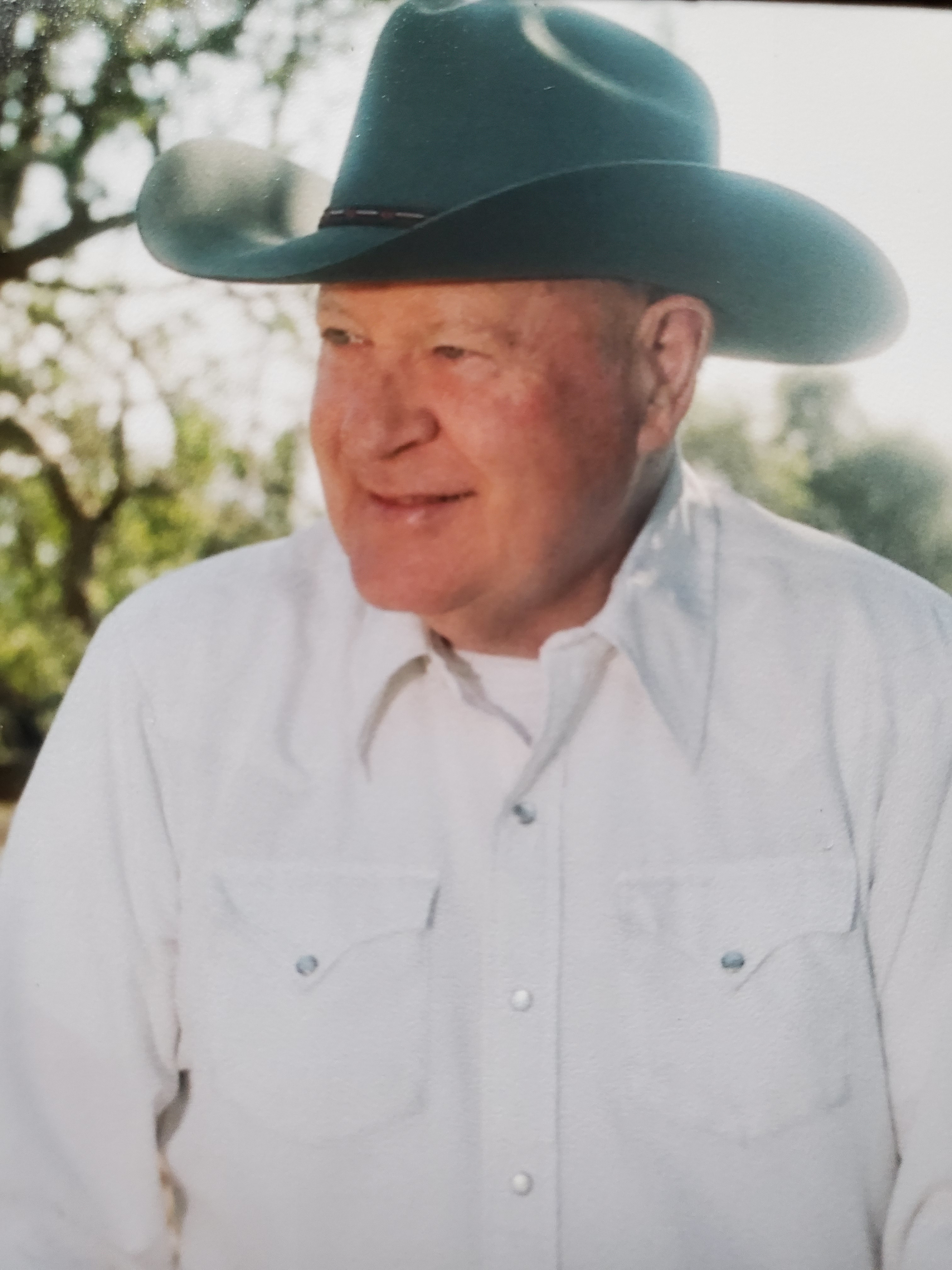
Roy Curless was
born on February 11, 1930 in Scotia. He left this earth on February
2, 2023, just nine days shy of his 93rd birthday. He was a lifelong
resident of Humboldt County. Roy was the middle child born to Guy and
Viola Curless. Roy spent his childhood growing up in Bull Creek close
to the Lewis family homestead, now known as Cueno Creek.
Roy graduated from Fortuna High School in 1948. His classmates continue to gather every summer for their annual class reunion. Roy was a four-sport athlete, playing football, basketball, baseball and track, but baseball was the sport that he loved the most. He was an outstanding first baseman, which earned him an athletic scholarship to Oregon State University. Roy’s baseball career was cut short when he was drafted into the United States Army during the Korean War. Dad felt fortunate to serve his time in the Army in France and Germany working as a code translator.
Upon his discharge, Roy returned to Humboldt County working in the logging industry and running a bulk fuel plant. In 1956, Roy married Laurada Mudgett. Together, they made their home in Fortuna for nearly 66 years until Laurada’s death last year. In 1963, Roy went to work for the County of Humboldt in the assessor’s office. He worked with the ranchers of this area to put over 250,000 acres into the Williamson Bill. Roy retired as chief appraiser in 1995. His 32 years in the assessor’s office, combined with the fact that his family has been in Humboldt County for six generations, allowed Roy the opportunity to establish long-term relationships with many people in this area.
Son John was born in 1961, followed by daughter Mary in 1965. Roy was the epitome of strength, honesty and loyalty. John and Mary are blessed to have been loved and raised by Roy and Laurada. They were the parents many people wished they had.
Roy approached life with a straightforward manner. There was no grey area with him. Things were pretty simple. He was guided in life by a strong moral compass. Good or bad, you always knew where you stood with Roy.
Humboldt County was very important to Roy. He served this community in many ways. He was a member and past president of the Fortuna Rotary Club, a member and past president of the Fortuna Chamber of Commerce and was honored as their Citizen of the Year in 1996. Roy was appointed to the Humboldt Bay Harbor, Recreation and Conservation District Board in 1991 and served as the Second District Commissioner for 20 years. He was a strong advocate for maritime commerce and economic development.
There were many things dad loved – his community, buck hunting with dear friends the Rice family and his buddy Bill Startare, he loved his friends and especially his family. The one thing dad also really loved and will likely be best remembered for is his involvement with the Fortuna Rodeo.
Dad joined the Fortuna Rodeo Association Board of Directors in 1958, serving as the President for over three decades. Roy’s family would like to thank the Rodeo Association for the many friendships and memories created over the years. He so enjoyed the camaraderie of the monthly meetings and how the event brought the community together during the third week of July. In 2011, Roy and Laurada were honored to be the Grand Marshall’s of the 90th Fortuna Rodeo. Dad received the honor a second time in 2021 as the Grand Marshall of the 100th Fortuna Rodeo. It is hard to imagine a Fortuna Rodeo without his physical presence there, but his spirit and love for the Rodeo will never die. Over the past year, Roy attempted to resign from the Rodeo Board – a big thank you to Shannon McWhorter and the rest of the Directors for not allowing it and for always keeping him up-to-date on what was happening. It truly gave him a purpose and a reason to keep going. Roy would likely tell his Rodeo Board colleagues, “put on a good rodeo and don’t mess it up.” Of all of the rodeo events, Dad loved bull riding the most and always rooted for the bull.
The family would also like to thank dear friend and neighbor Bill Anderson and long-time friend Johanna Rodoni for always taking time to stop by dad’s house for a visit. The list of friends dad leaves behind is too many to mention here, but if you were lucky to be Roy’s friend then you were fortunate indeed.
Roy was pre-deceased by his wife Laurada, his parents Guy and Viola Curless, his brother and his wife, Robert and Dorothy Curless, his sister and her husband, Elaine and Paul Cacci, Laurada’s parents, Paul and Henrietta Mudgett, sisters Ellie Palmer and Anne Turner and their husbands Darrel and Dusty, by niece, Cathy Cacci and nephews Ron and Ervin Dunn.
Roy is survived by his children John Curless and wife Valerie Hipkins, daughter Mary Curless Smith and her husband, Grant Smith, his much-loved grandchildren Joe Curless, Kate Curless and Shannon Smith. Roy is also survived by his nieces and nephews, Paul, Gwen, Tina, Marsha (John), Neil (Janelle), Sandra (Wally), Roberta (Bill), Marie and their children.
Special thanks to the staff at Sequoia Springs and to Hospice of Humboldt for making dad’s remaining time more comfortable. Roy touched so many people’s lives. If you have a fond memory of Roy, please take a moment to write it down. The family is planning a Celebration of Life this summer and would like to share these memories as part of the event.
If you are so inclined to make a donation in Roy’s honor, please consider the Fortuna Rodeo Association or Hospice of Humboldt.
Happy trails – forever in our hearts.
###
The obituary above was submitted on behalf of Roy Curless’s loved ones. The Lost Coast Outpost runs obituaries of Humboldt County residents at no charge. See guidelines here. Email news@lostcoastoutpost.com.
OBITUARY: Richard ‘Dick’ Lindsay, 1936-2023
LoCO Staff / Saturday, Feb. 4, 2023 @ 6:56 a.m. / Obits
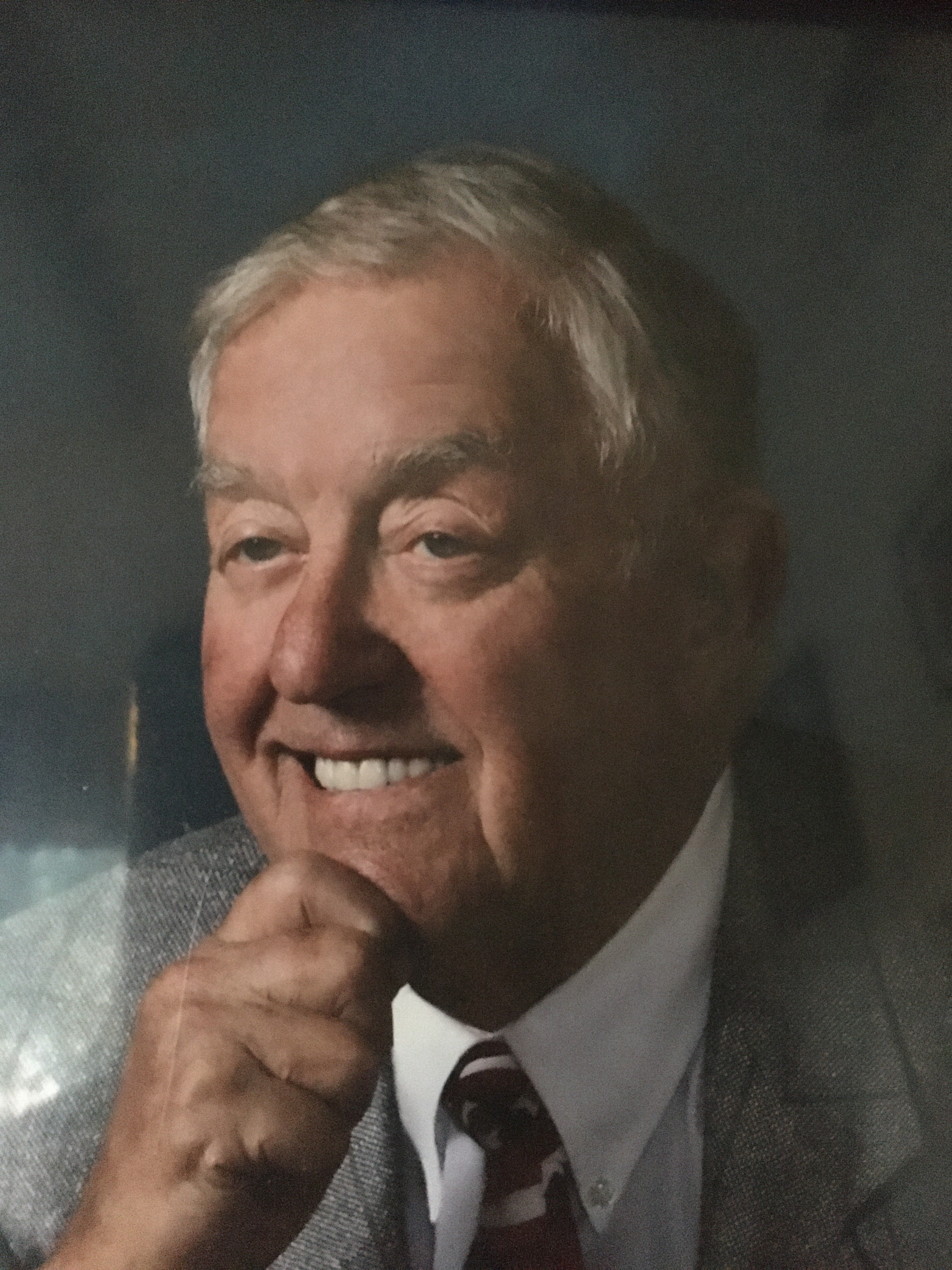
Richard “Dick” Lindsay, loving husband to his wife of 35 years, Barbara Lindsay, and adoring father to his children, Michelle and Renee, passed away at home on January 30, 2023.
Dick was born on May 24,1936, to Alfred and Olga Lindsay in Cambridge, Minnesota. The oldest of six children, Dick joined the Air Force on June 15, 1954 and served until December 9,1957. After his military service, Dick moved to Hawaii with his first wife, Marie, where they had two children, Michelle and Renee. Dick managed a New Holland dealership on the island of Oahu, before moving to California after learning of an opportunity to own his own dealership. That place was Fernbridge and the dealership was Barnes Tractor & Equipment Company. Together with his business partner, Clayton Andrew (Zeke) Van Deventer, they ran the John Deere dealership for many years until Zeke’s death in 1990, when Dick took sole ownership. In 2010, Dick and his son-in-law, Mike Bibby, became partners in Fernbridge Tractor & Equipment, which remained in operation until 2018, when the business was sold to Papé Machinery.
Dick was a golf enthusiast, avid coin collector, former mayor of Ferndale, and very active in community service, particularly in Ferndale Rotary Club where he was Master of Ceremonies for the annual steak and lobster dinner for many years. Dick loved watching his grandkids play sports, tap, and ballet, enjoyed every chocolate chip cookie or black licorice that he came across, and could build just about anything his family thought up.
Dick is preceded in death by his parents, and brothers Roger and Robert. He is survived by his wife Barbara, his daughters Michelle (Mike) Bibby and Renee Lindsay, sisters Annie (Gerald Ferrier) Lindsay and Sandy Yerigan, brother Harold (Barbara) Lindsay, grandchildren Danielle (Andrew) Broderius, Sarah (Grant) Morman, Anne (Colton) Fields, Hannah Bibby, Lindsay Bibby, Abby Bibby, and George Bibby, step daughters Becky Sweet, Connie Faye (Ric) Apple, Connie Gale (Ronnie) HagQuist, Sandy Aguiar, Karen (Kevin) Hinton, and Jennifer (Greg) Burger, and numerous nieces, nephews, other grandchildren, and great-grandchildren.
A celebration of life is scheduled for Saturday, March 4, 2023. All who knew Dick are invited to attend. It will be held at Redwood Empire Golf and Country Club at 352 Country Club Road, Fortuna, from 1-5 p.m. In lieu of flowers or gifts, donations can be made to Ferndale Rotary, PO Box 311, Ferndale, CA 95536.
###
The obituary above was submitted on behalf of Dick Lindsay’s loved ones. The Lost Coast Outpost runs obituaries of Humboldt County residents at no charge. See guidelines here. Email news@lostcoastoutpost.com.


