

GUEST OPINION: Rob Arkley’s Love of Parking Lots Reflects a Bias Embedded in Our Car-Centric Culture
Colin Fiske / Wednesday, Feb. 22, 2023 @ 7 a.m. / Opinion
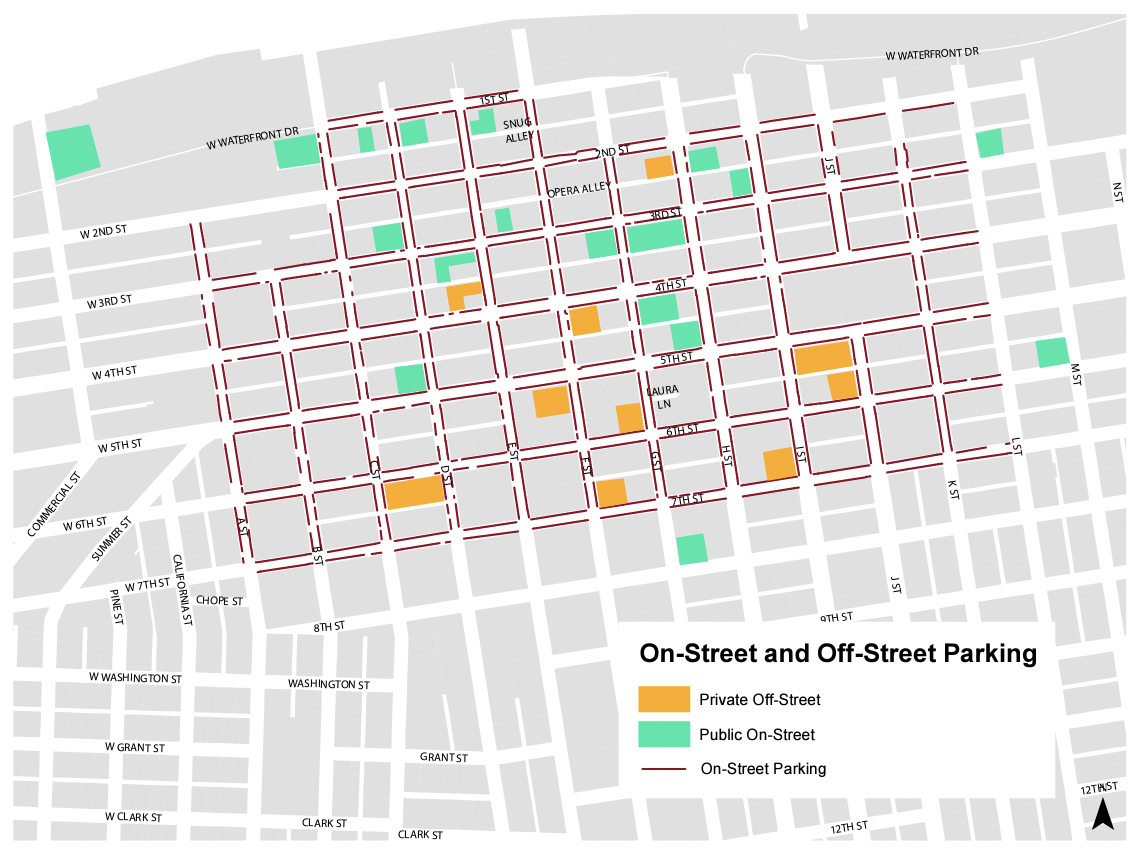
Map of Eureka’s on- and off-street parking taken from a recent Old Town and downtown parking study commissioned by the City of Eureka.
# # #
Rob Arkley’s recent tirades directed at Eureka city staff and elected officials were shocking for their insulting and bullying tone, their profanity and the blatant sense of entitlement to special treatment that they reflected.
What was not so shocking was Arkley’s underlying premise: the idea that “parking is the lifeblood of downtown retail and restaurants” and should be prioritized over all else, including affordable homes. This assumption is so common as to be unremarkable. But that doesn’t mean it’s true.
Research in the United Kingdom has shown that while access to parking may be important to retailers in low-density suburban environments, it is not the amenity many assume for a downtown. The studies show that downtown business owners severely overestimate the proportion of their customers who arrive by car; that people who walk, bike or take the bus spend more at local businesses over time; and that abundant free parking can actually hurt business by lowering turnover and getting in the way of what shoppers actually want — an inviting atmosphere and diverse retail mix.
The actual “lifeblood” of downtown businesses is not parking - it’s customers. Given that people who walk, bike or take the bus end up spending more, it’s pretty clear that putting a lot more people within walking and biking distance of shops, and improving public transit, is a much better bet than abundant free parking.
In this context, it’s confounding that business owners like Arkley have put up such a stink about replacing underutilized parking lots with downtown housing and a transit center. (A plan to build a much-needed transit hub in Crescent City has even drawn concern over loss of parking from non-profit community institutions like the library and community foundation, despite those institutions’ clients being even more likely not to drive.)
This resistance to losing some parking spaces is even more notable because, as the Outpost has reported, independent third-party analysis has shown that downtown Eureka has more parking than it needs, and much of it goes largely unused.
It’s also well documented that providing a lot of parking, far from being just a natural response to high driving levels, actually causes people to drive more, thereby increasing congestion, traffic deaths and injuries, and pollution. The passionate defense of parking by Arkley and others, however, seems immune to facts like these.
A recent study, also from the UK, has put a name to this phenomenon: “motonormativity,” which the researchers define as “unconscious biases due to cultural assumptions about the role of private cars.” These researchers surveyed a cross-section of the British public and found that people hold deep-seated opinions about cars and driving that cause them to suspend the ethical and moral judgements that they would apply in other contexts.
For example, people overwhelmingly disapproved of exposing others to second-hand cigarette fumes by smoking in populated areas, but endorsed exposing people to second-hand exhaust fumes by driving in those same places.
Another example of this pervasive motonormativity shows up in Arkley’s professed concern over the safety of his female employees having to walk a few blocks to work. Statistically, it is far more likely that a person will be injured or killed in a car crash than from assault on the street. But Arkley apparently shares the feelings of those surveyed in the British study, who felt that risk of injury is an acceptable characteristic of driving but not of any other kind of work.
You may notice that a lot of this research has been conducted in Britain and not the United States. Before dismissing the results with an appeal to American exceptionalism, consider that car culture is even more entrenched here than across the pond — so entrenched, in fact, that few if any researchers are even questioning it here, as they are in the UK. It’s highly unlikely that research in the U.S. would find people — and business owners — any less motonormative than their British counterparts.
This bias has real impacts. Motonormativity leads to Americans responding to 40,000 car crash deaths and over 50,000 deaths caused by tailpipe emissions every year with a collective shrug. It leads to climate-conscious citizens and politicians remaining largely silent on our single biggest source of climate pollution. And of course it leads to business owners regularly advocating against projects and policies that are in their own best interests.
Vehicles are machines, tools that can be used many different ways — or not at all. But they are also layered with a lot of emotional baggage. Today’s transportation issues are as much or more about culture as they are about technology.
It’s time to acknowledge that, and to openly question the internalized motonormativity that leads us to counter-productive, knee-jerk reactions like Arkley’s whenever a parking spot or driving lane might be modified or removed. Successfully challenging these deep-seated biases is a key first step toward improving our safety, our health, our climate — and our businesses’ bottom lines.
# # #
Colin Fiske is the executive director of the Coalition for Responsible Transportation Priorities.
BOOKED
Today: 11 felonies, 8 misdemeanors, 0 infractions
JUDGED
Humboldt County Superior Court Calendar: Today
CHP REPORTS
Sr299 / Glen Rd (RD office): Missing Elderly
ELSEWHERE
RHBB: Two Brothers Found Deceased in Trinity River
RHBB: Silver Alert Issued for Missing Humboldt County Man With Dementia and Seizure Disorder
Governor’s Office: FREE MONEY FOR KIDS: Governor Newsom and First Partner celebrate one million families claim CalKIDS “baby bonds” accounts
County of Humboldt Meetings: CAT (Committee for Active Transportation) Meeting Agenda
OBITUARY: Shirley Cooley, 1947-2023
LoCO Staff / Wednesday, Feb. 22, 2023 @ 6:45 a.m. / Obits
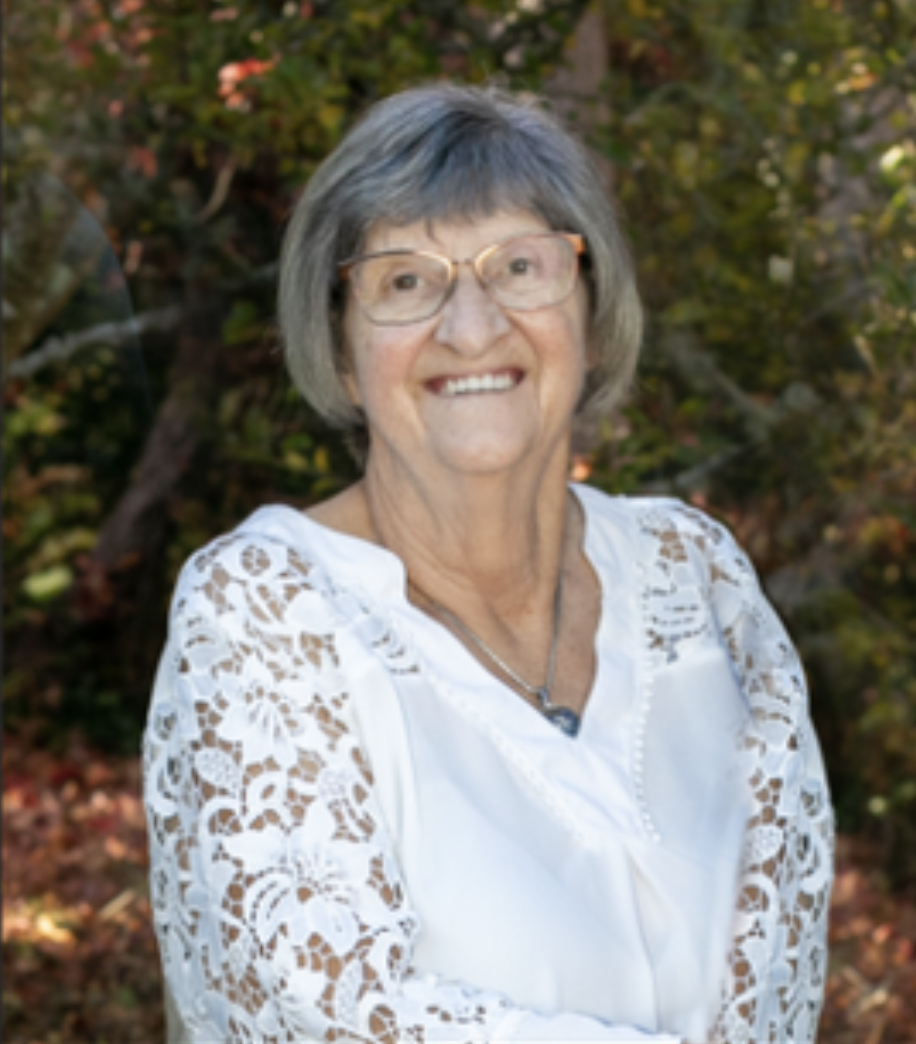
Shirley Arlene (Souza) Cooley, 75, a life-time Humboldt County resident, passed away on February 16, 2023 surrounded by family after a long fight with cancer.
Shirley was born on June 2, 1947 in Scotia, California to Frank and Alice Souza. Shirley was preceded in death by her parents, Frank and Alice Souza, brothers-in-law Kent Sherwood (Linda), David Blachly (Irene), Fred Oliveira (Jeanette) and Mike McClendon (Sharon).
Shirley was raised at various locations around Fortuna and Ferndale along with her seven sisters. She attended Fortuna Elementary School, Ferndale Assumption School and graduated from Ferndale High School in 1965 with her future husband Dale Cooley. Together they lived in Fortuna, Ferndale, Clearlake Oaks, and back to Fortuna and raised two children, Ricky and D’Anna. Shirley held many jobs during her life including sawyer at Crown Redwood, cashier at Short Stop, seasonal work in pear and tomato sheds in Lake County, seasonal work in potato fields in Loleta, packer/picker at Eureka Fisheries, and various positions in the Factory at Pacific Lumber Company in Scotia where she retired in 2001.
Shirley will be remembered for her love of family, especially her five grandchildren. She spent her retirement years chasing her grandchildren around to many of their sporting, school and Scouting activities and always being present to celebrate their birthdays and graduations. Upon being diagnosed with breast cancer in 1992, family ancestry became an obsession along with her long-time involvement with her Portuguese heritage. In 1995, with the help from her sister Mary, she organized a major family reunion, where most of the family attendees were strangers. A good time was had by all 375 family members. In 1997, she and Dale traveled to Terceira, Azores, and found many more family members. Additional trips to the Azores Islands in 2000, 2004, and 2007 as well as other excursions throughout the United States and Canada resulted in more family finds. She loved to return and visit the new family connections and share family photos and stories as well as visiting with family she had grown up with. Additional travels took Shirley and Dale to Alaska, Hawaii, Ireland, Paris, Germany, Prague, Australia, New Zealand, Copper Canyon Mexico, Aruba, the Panama Canal, and the western coast of Central America. In 2007, they pulled their travel trailer around the US visiting 31 states. Shirley took great pride in her yard, always maintaining her flowers. She was very emphatic, if you do not bloom you are gone. Anyone who came in contact with Shirley could easily pick her out of a crowd taking pictures or video of events and participants and always making sure someone took her picture so that people would know she was there also.
Shirley is survived by her husband of 56 years, Dale; son Ricky Cooley (Kimberly) and daughter D’Anna Quen (Joseph, Jr.); grandchildren Kassidy, Ryan, and Dylan Cooley and Jordyn and Joseph Quen III; sisters Sharon Thomsen (Mel), Judy Olsen (Richard), Jeanette VanDusen (John), Linda Souza Sherwood, Irene Blachly, Mary Hubner (Glen), and Kathleen Monroe (Shane); and numerous nieces, nephews, cousins, and godchildren.
A celebration of life will be held at a later time yet to be determined. In lieu of flowers or gifts, please consider donating to the American Cancer Society instead.
###
The obituary above was submitted on behalf of Shirley Cooley’s loved ones. The Lost Coast Outpost runs obituaries of Humboldt County residents at no charge. See guidelines here. Email news@lostcoastoutpost.com.
OBITUARY: Karel Perras, 1946-2023
LoCO Staff / Wednesday, Feb. 22, 2023 @ 6:45 a.m. / Obits
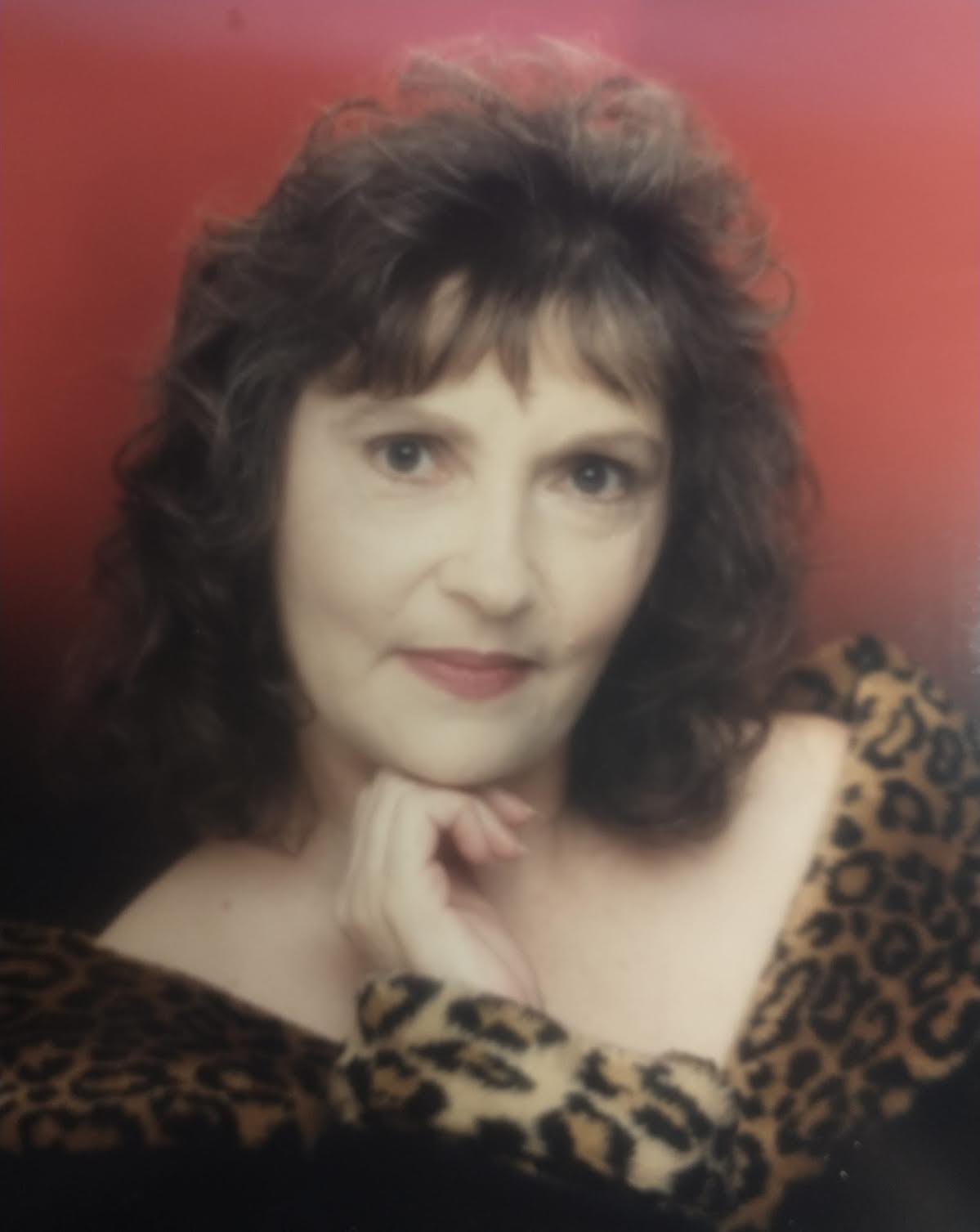
Karel Perras passed away on February 12, 2023, in the care of St. Joseph’s Hospital in Eureka after a fierce battle with cancer. She was born on August 18, 1946, in Missoula, Montana to Eugene and Dolores Kopriva. She spent her first ten years in northern Idaho before moving to Fortuna in 1956. Karel graduated from Fortuna High School in 1964 and then attended Providence School of Nursing in Oakland. She married Randal Lee Perras on August 27, 1966, and they had two sons, Todd Randal and Dustan Anthony.
The family lived in Eugene, Oregon for a few years before moving to Ruth Lake, where they owned and ran Ruth Lakeside Resort, now known as Journey’s End. Later, Karel helped establish and worked as an EMT1 and in the clinic for S.T.A.R. Southern Trinity Area Rescue. In 1987, Karel and her sons moved to Sacramento where Karel worked and retired as an LVN for the Sacramento County Sheriff’s Department Jail.
In 2005, Karel and her partner Rodney Pinkston retired and moved to the family property she loved so much in Mad River. There, they enjoyed the peace, serenity, and beauty of the mountains and rivers. Karel loved spending time with family and friends, visiting, playing games like rummy cubes and panguingue, boating on Ruth Lake with family and friends, sharing a meal, or just sitting around and reminiscing and telling stories.
Karel is preceded in death by her parents Eugene and Dolores and her brother James Kopriva. She is survived by her partner of 30 years, Rodney Pinkston, her sisters Camille Regli and Mary Casewell, her brother and sister-in-law Andy and Joan Kopriva, her children Todd and Dustan Perras, daughter-in-law Naomi Perras, her grandchildren Erica, Donovan, Anthony, Shilo, Todd Jr. (Perras), Maxwell Konopitski, and her great-grandchild Brendwyn Perras, as well as numerous cousins, nieces, nephews, in-laws, and friends.
Karel was an incredibly beautiful, loving, and kind soul, and she will be deeply missed by her family and all who knew her. Services will be held on March 6, 2023, at Assumption Catholic Church in Ferndale, CA at 4 p.m.
###
The obituary above was submitted on behalf of Karel Perras’s loved ones. The Lost Coast Outpost runs obituaries of Humboldt County residents at no charge. See guidelines here. Email news@lostcoastoutpost.com.
OBITUARY: William Roth, 1925-2023
LoCO Staff / Wednesday, Feb. 22, 2023 @ 6:45 a.m. / Obits
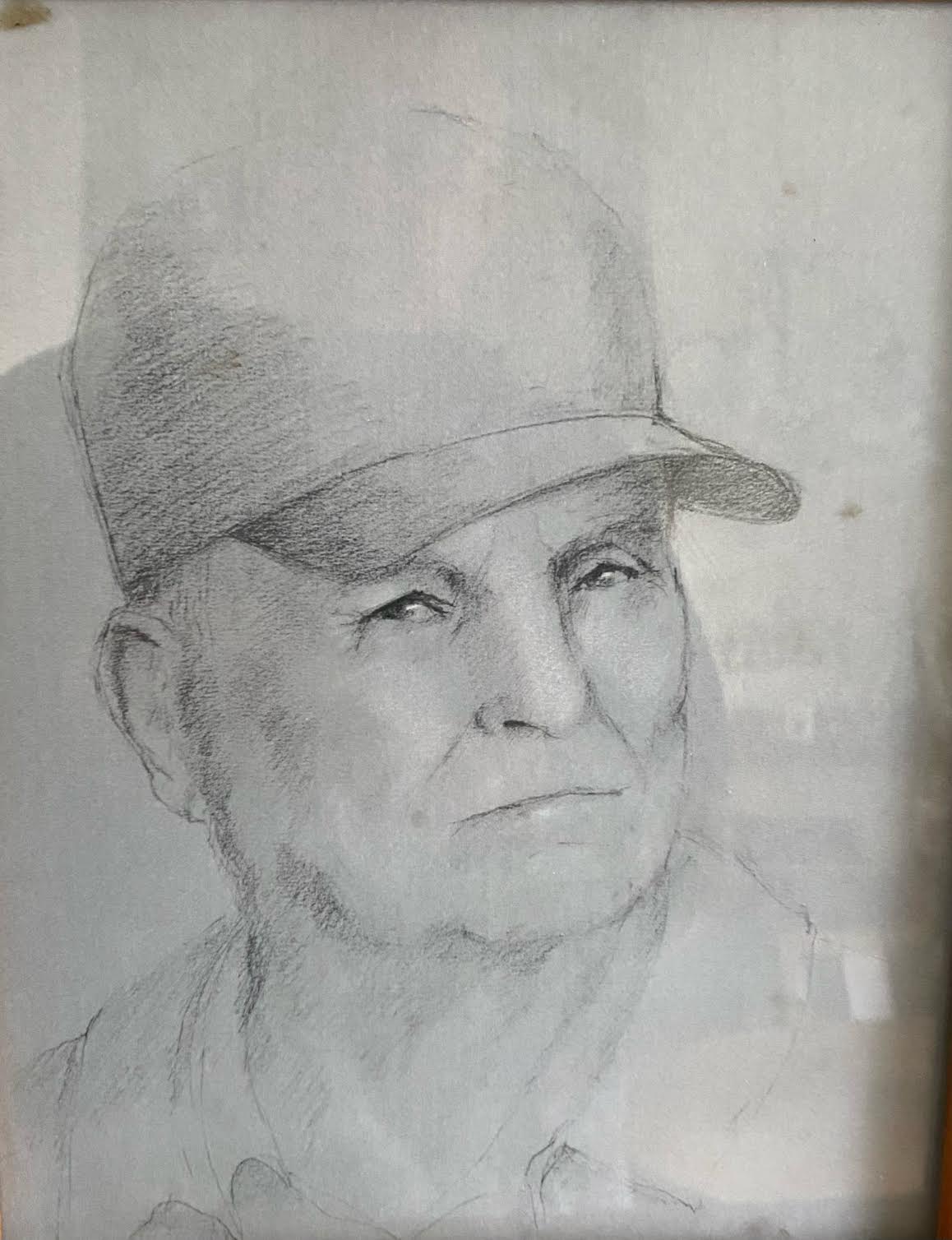
William Edmum Roth completed his journey in Fortuna, California, on January 25, 2023, surrounded by his children. Born December 13, 1925 in Louisville, Kentucky to Alfred, James, Roth and Mary Crystal pawley.
On William’s 17th birthday he enlisted in the USMC, serving his country during World War II, in the islands of the South Pacific. Upon his return to the states, he met his future wife, Nell Marie Baker, in San Diego. After being discharged William and Nell were married in De Queen, Arkansas, they were married 62 years, until Nell’s death
In 1951 William moved his family to California, ultimately ending up in Humboldt County in 1952. William worked 30 years in the timber industry. In 1972 William went to work for Ernie Pierson and he spent his remaining working years as the purchasing manager at Pierson‘s Building Center.
After retirement, William, achieved one of his lifetime long dreams of raising registered quarter horse in Tehama County.
William was preceded in death by his wife Nell, sons William Jack Roth, Ronald Edmund Roth, Richard Ingraham, Christopher Lynes, daughters Shirley Roth, Kathy English, and grandson, William Keith, Roth.
William is survived by his children Judy Ingraham, Jim Roth, Larry Roth, Linda Lynes, Tony Roth, Ramona Cooke, and countless grandchildren, great grand, children, and great great grandchildren.
Willams family would like to thank the nurses and doctors for their extraordinary care for him while he was at Providence hospital in Fortuna.
William was a true patriot, he was honored to have been part in event that shape the world in a positive way. William will be laid to rest at Oceanview Cemetery in Eureka. A service is planned for the summer of 2023.
###
The obituary above was submitted on behalf of William Roth’s loved ones. The Lost Coast Outpost runs obituaries of Humboldt County residents at no charge. See guidelines here. Email news@lostcoastoutpost.com.
OBITUARY: Daniel Moors, 1964-2023
LoCO Staff / Wednesday, Feb. 22, 2023 @ 6:45 a.m. / Obits

Daniel Alexander Moors
April 27, 1964 - February 15, 2023
As a young man, Daniel worked various jobs, starting as a nursery/landscaper. He later moved on to commercial fishing, became a green chain puller for a local mill, and eventually worked in construction.
In 2005, Daniel was hit by a car while crossing the street, causing severe injuries and putting him into a six-week coma. This incident left him disabled both physically and mentally. In 2015, he began attending the Adult Day Center, where he spent three days every week. With their help, he was able to accomplish many things for himself. He loved the Adult Center, the staff who cared for him, and the many friends he made there.
Daniel enjoyed his 59 years with his family and friends. He is survived by his wife, Lisa Moors, his mother, Anna Christiansen, his father, Jerry Moors, his sister, Deby Pressnall, his brother, Lenny Moors, his children, Zach Moors, Jered Moors, and Nicole Moors, and his aunt, Sheila Foster.
Daniel passed peacefully from his physical impairments in Douglas County, Oregon. No services will be held in his honor.
###
The obituary above was submitted on behalf of Daniel Moors’ loved ones. The Lost Coast Outpost runs obituaries of Humboldt County residents at no charge. See guidelines here. Email news@lostcoastoutpost.com.
HUMBOLDT TODAY with John Kennedy O’Connor | Feb. 21, 2023
LoCO Staff / Tuesday, Feb. 21, 2023 @ 4:57 p.m. / Humboldt Today
HUMBOLDT TODAY: They’ve started tearing down Eureka’s Lloyd Building, officials announce they’ve found the body of the missing mushroom hunter near Gasquet, Eel River Valley kids are invited to be Ninja Warriors, plus how low will the snow go? Those stories and more in today’s newscast with John Kennedy O’Connor.
FURTHER READING:
- Yurok Tribe Partners With U.S. Marshalls Service on Missing and Murdered Indigenous Persons Initiative
- Arcata Man Arrested For Allegedly Assaulting and Threatening to Kill Roommate
- [UPDATED with Shelter Info] Winter Storm Arriving Tonight Will Bring Rain, Hail and Potentially Snow Down to Sea Level
- Eureka City Council to End Local COVID Emergency Declaration, Brainstorm Affordable Housing Opportunities and More at Tonight’s Meeting
- Body Of Missing Washington Woman Found Near Gasquet, Del Norte Sheriff Says
HUMBOLDT TODAY can be viewed on LoCO’s homepage each night starting at 6 p.m. Want to LISTEN to HUMBOLDT TODAY? Subscribe to the podcast version here.
Yurok Tribe Partners With U.S. Marshalls Service on Missing and Murdered Indigenous Persons Initiative
LoCO Staff / Tuesday, Feb. 21, 2023 @ 1:37 p.m. / Tribes
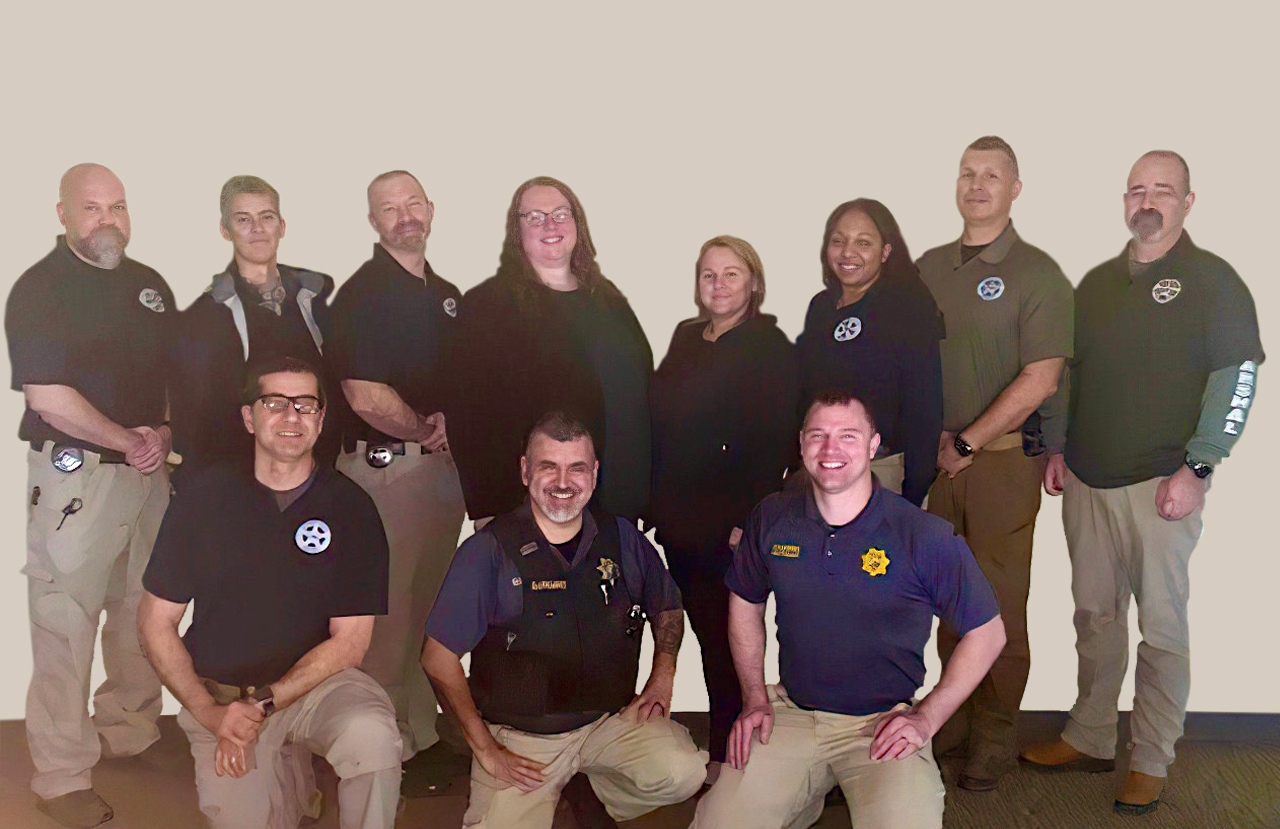
(Back) U.S. Marshals Southwest Region Chief, Sex Offender Investigations Branch, James Nolan, USMS Senior Policy Advisor Lori McPherson, (Acting) U.S. Marshal, ND/CA Mark Kolc, Yurok Prosecutor Rosemary Deck, Yurok Deputy Prosecutor Brie Bennet, USMS Assistant Chief Deputy U.S. Marshal ND/CA Francesca Reckley, Deputy U.S. Marshal Chris Poitra, (Front) Supervisory Deputy U.S. Marshal Ivan Peric, Deputy U.S. Marshal Lucas Berger, Yurok Tribal Police Chief Greg O’Rourke and YTPD Lieutenant Jacob Morris. | Photo courtesy U.S. Marshalls Service.
# # #
Press release from the U.S. Marshals Service:
WASHINGTON — Yurok Tribe in northern California has been selected as the first pilot location for the U.S. Marshals Service Missing and Murdered Indigenous Persons Initiative, as part of the agency’s plans to develop tribally-led collaborative partnerships to proactively examine public safety issues – particularly those involving missing endangered children.
Utilizing virtual and in-person meetings beginning in January 2023, the initiative brings together personnel from Yurok Tribe and USMS to share information, identify goals, and develop strategies for improving public safety for Yurok Tribe, its members, and the broader community.
“It is my sincere hope that by dedicating resources in Indian Country and partnering with the Yurok Tribe, U.S. Marshals will help address the problem of missing children from the Yurok Tribe and assist with other public safety initiatives, such as ensuring that registered sex offenders in the area are compliant with their statutory requirements,” said U.S. Marshals Service Director Ronald L. Davis. “We are fully committed to supporting the Yurok Tribe’s efforts to keep their communities safe.”
“The Yurok Tribe is extremely grateful to partner with the US Marshals Service on this important and timely initiative,” said Joseph L. James, the Chairman of the Yurok Tribe. “The knowledge and tools we will gain from this unique partnership will significantly increase our capacity to keep our community safe.”
The Initiative may involve a wide range of activities, depending on the priorities of the Tribe. These may include training on missing child investigations, investigative support for Yurok Tribal Law Enforcement, data analysis, public outreach, or other efforts with the USMS Sex Offender Investigations Branch, regional missing child coordinator and local deputy U.S. marshals.
Tribal and USMS personnel recently met to discuss the newly formed partnership and potential collaborations on projects pertaining to sex offender registration and enforcement, missing children and fugitives from justice. After the in-person meeting, USMS connected the Tribe with staff from other Department of Justice components, including the Office of Justice Programs, the Office of Community Oriented Policing Services, and the Office on Violence Against Women. As a result of the partnership with USMS, the Tribe has also met with representatives from NamUs (National Missing and Unidentified Persons System) and the National Center for Missing and Exploited Children.
Yurok Tribe is a leader on criminal justice issues in Indian Country and has done specific work on the issue of Missing and Murdered Indigenous Persons. USMS personnel attended a Violence Against Women Act roundtable meeting in late September 2022 attended by Yurok Tribal Court Judge Abby Abinanti, who provided valuable feedback about the MMIP Initiative that USMS was already planning. USMS personnel then attended the 1st Annual Northern California Tribal Policy Summit on Missing and Murdered Indigenous People, hosted by Yurok Tribe, and had the opportunity to interact with Yurok Tribe personnel about their ongoing efforts. The longstanding work of Yurok Tribe, combined with these newly-forged relationships, led to the selection of Yurok Tribe as the first pilot site.


