

Humboldt Bay Fire Using Sonar Scans, Dive Team to Search for Two Men Who Went Missing on Humboldt Bay
Andrew Goff / Friday, April 29, 2022 @ 3:56 p.m. / News
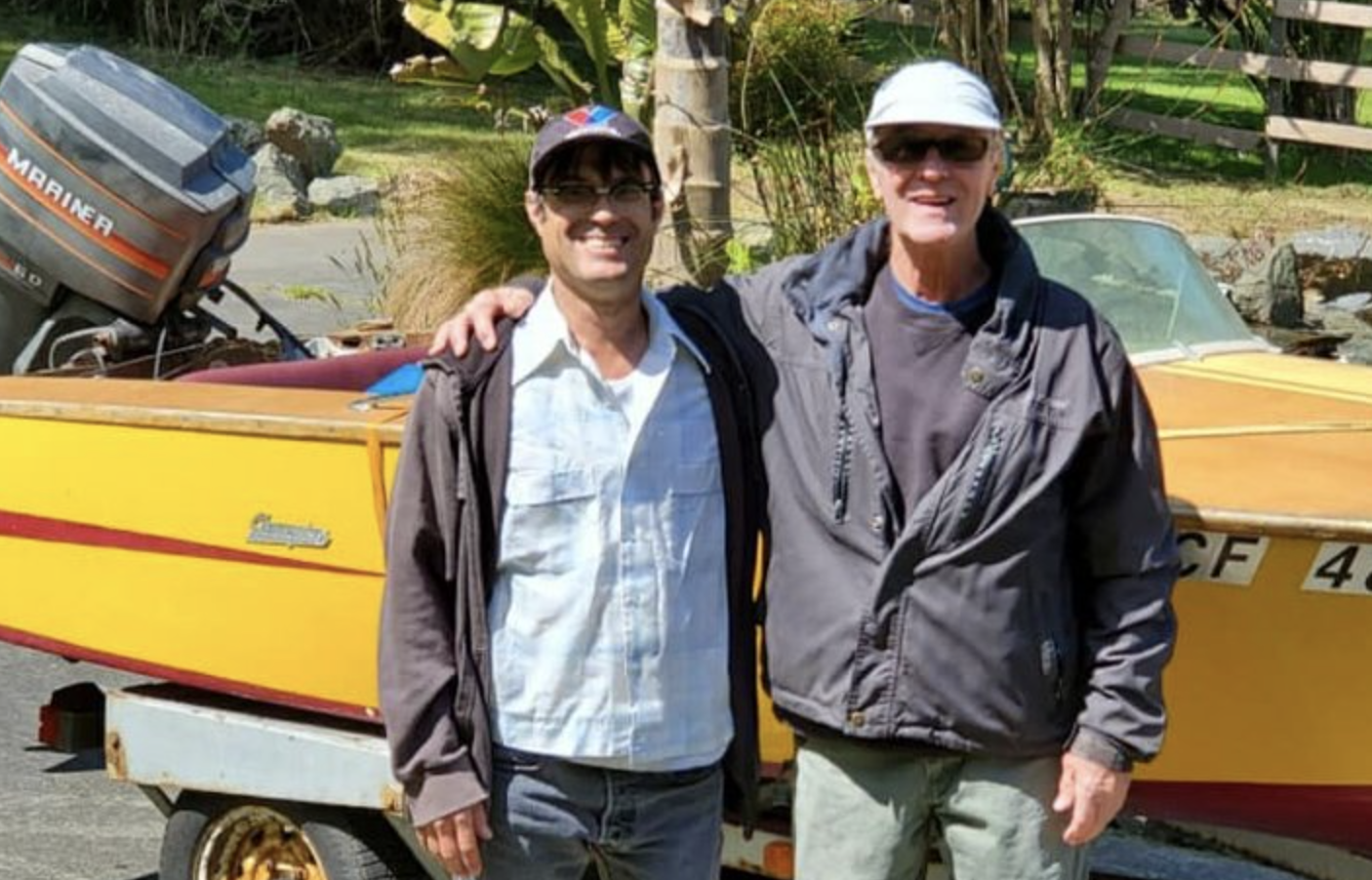
Josh and Scott Arbaugh
PREVIOUSLY:
- Two Fishermen Missing on Humboldt Bay; Coast Guard Conducts Search Overnight
- Coast Guard Suspends Search For Father and Son Fishermen Who Went Missing in Humboldt Bay
The search continues for Scott Arbaugh, age 68, and Josh Arbaugh, age 49, a father and son who went missing while fishing on Humboldt Bay this past Tuesday evening. The US Coast Guard suspended its rescue operations Wednesday evening, but Humboldt Bay Fire continues to look for the pair.
Read about the latest efforts in the Humboldt Bay Fire release below:
The Humboldt Bay Fire Dive Rescue and Recovery Team along with the Humboldt Bay Harbor District and California Fish & Wildlife are currently continuing search efforts for the two men who went missing near King Salmon on Tuesday, April 26 based off of information received from the U.S. Coast Guard and Humboldt County Sheriff’s Office.
The team, along with Fish & Wildlife performed sonar scans earlier today and are currently preparing for a dive in the waters near where the boat was recovered mid-day on Wednesday, April 27.
We ask that community members avoid the area so that our crews can do their work. Even well-meaning self- initiated searchers can inadvertently have a negative effect on the search by reducing visibility and cluttering the waters. We will provide regular updates as they are available.
BOOKED
Today: 7 felonies, 6 misdemeanors, 0 infractions
JUDGED
Humboldt County Superior Court Calendar: Today
CHP REPORTS
No current incidents
ELSEWHERE
Coalition for Responsible Transportation Priorities: A Mixed Bag for Transit
RHBB: Family Searching for 25-Year-Old Man Released from Involuntary Hold at Eureka Hospital
KINS’s Talk Shop: Talkshop September 4th, 2026 – Pam Powell
Governor’s Office: California’s public safety strategy works: Governor Newsom’s commitment helps lower crime as new study shows violence prevention saves lives
It’s BURN PERMIT Season! Starting Sunday, You Must Fill Out the Paperwork Prior to Lighting Things on Fire
LoCO Staff / Friday, April 29, 2022 @ 3:18 p.m. / Environment

Those beautiful, beautiful flames! Get your permit before you enjoy them. Photo by Ricardo Gomez Angel on Unsplash.
Press release from Calfire Humboldt-Del Norte Unit:
Effective May 1, 2022, the California Department of Forestry and Fire Protection (CALFIRE) Humboldt - Del Norte Unit requires Non-Standard Burn Permit holders in State Responsibility Areas, to obtain a CAL FIRE Burn Permit (LE-5). A North Coast Unified Air Quality Management District (NCUAQMD) burn permit is required any time you burn vegetation.
The CAL FIRE Humboldt – Del Norte Unit wants to emphasize the importance of following all burning regulations and ensuring controlled burns do not escape and become wildfires. Residents must remain vigilant while burning. Recent precipitation has helped bring moisture to drought-stressed vegetation, but the North Coast is still significantly below normal rainfall.
With easing of COVID-19 pandemic restrictions, CAL FIRE facilities are more accessible to the public. To obtain a CAL FIRE LE-5 Burn Permit, call or visit your nearest CAL FIRE station. The CAL FIRE Humboldt – Del Norte Unit may mail burn permits to residents. These permits are not valid until signed by the permit holder.
CAL FIRE may require an on-site inspection prior to permit issuance.
CAL FIRE Stations
- Fortuna Headquarters (707) 725-4413
- Garberville Station (707) 923-2645
- Weott Station (707) 946-2215
- Trinidad Station (707) 677-3638
- Crescent City Station (707) 464-5526
NCUAQMD burn permits are required year-round and can be obtained on-line at portal.ncuaqmd.org, or in person at 707 L Street, Eureka (M-F 9am to Noon and 1pm to 4pm). For more information contact the NCUAQMD by calling (707) 443-3093.
Armed Robbery Suspect Barricades Himself in Riverwalk Drive Cabin, Brought Into Custody After Pepperball Fusillade, Fortuna Police Department Says
LoCO Staff / Friday, April 29, 2022 @ 11:49 a.m. / Crime
NOTE: Fortuna Police Chief Casey day tells the Outpost that the events in described below began at about 11:30 p.m. and wrapped up at about 1 in the morning. Also he said that the lacerations to the suspect’s face evident in the photo below happened after he left the custody of Fortuna police; Day said that the suspect engaged in “assaultive behavior” while being booked into jail.
We’ve reached out to Sheriff’s Office PIO Samatha Karges and will update when we hear back.
UPDATE, 12:27 p.m.: Chief Day calls back — actually, he says, the booking photo in question was from a previous incident.
###

From the Fortuna Police Department:
On Thursday April 28th, Fortuna Police Officers responded to the Riverwalk Drive Shell Station for a report of an employee that was being threatened and chased out of the store by a man armed with a knife.
Once officers arrived on scene, they determined that 22-year-old Zackarias Rowe had brandished the knife at the employee and attempted to gain access behind the counter in an apparent attempted robbery or attempt to engage the employee in some sort of violent altercation. The employee fled from the store and flagged down a passing motorist to call police. Rowe exited the business with stolen property and vandalized the employee’s vehicle before fleeing.
Officers were able to locate Rowe in a nearby cabin in the 2100 block of Riverwalk Drive in Fortuna, California. Rowe was barricaded in a small cabin and negotiations were started in an attempt to get him to safely and voluntarily surrender. After ongoing attempts to gain voluntary compliance failed, an arrest warrant was obtained for the cabin and for the arrest of Rowe. Rowe broke out the windows inside the cabin and made multiple threats to kill officers if entry was made and despite repeated attempts to de-escalate the situation, Rowe remained hostile toward police.
Using non-lethal force options, officers were able to deploy PepperBall projectiles into the cabin. This option resulted in the immediate surrender of Rowe, and he was taken into custody safely and without injury or further incident.
Zackarias Rowe was transported and booked into the Humboldt County Jail for suspected violations of sections: 211 PC- Robbery, 417(a)(1) PC- Brandishing a deadly weapon, 594(B)(1) PC- Felony Vandalism, 594(A)(1) PC- Misdemeanor Vandalism, and 148(a)1 PC- Resisting, Obstructing, or Delaying a Peace Officer.
The Fortuna Police Department remains committed to public safety and transparency. Any questions regarding this incident can be directed to the Patrol Commander, Lieutenant Matthew Eberhardt at (707)-725-7550.
GOT EXPIRED PILLS? Humboldt’s Drug Take Back Day is This Saturday
LoCO Staff / Friday, April 29, 2022 @ 11:27 a.m. / Crime
Press release from the Humboldt County Sheriff’s Office:
This Saturday, April 30, 2022, the Humboldt County Sheriff’s Office will join countless other law enforcement agencies across the nation for National Prescription Drug Take Back Day.
In partnership with Walgreens, the Sheriff’s Office will be accepting unused, unneeded, and expired prescription drugs at the Walgreens on Harris Street in Eureka (2525 Harris St.) from 10 a.m. – 2 p.m. The take back event is free and anonymous for our community. Prescription and over the counter tablets, capsules, patches, and other solid forms of medication will be accepted during this event. Liquids (including intravenous solutions), syringes and other sharps, and cannabis will not be accepted.
“People often feel hopeless when it comes to the drug epidemic in our community and our nation. But there is something that you can do to make a real difference,” Humboldt County Sheriff William Honsal said. “Preventing prescription drug and opioid addiction starts in your home. Disposing of unneeded medications can help prevent drugs from being misused and cut off addiction at the source.”
According to a report published by the Substance Abuse and Mental Health Services Administration, a majority of people who misused a prescription medication obtained the medicine from a family member or friend. The Centers for Disease Control and Prevention estimates that in the United States, more than 106,000 people died as the result of a drug overdose in the 12-month period ending November 2021, marking the most drug-related deaths ever recorded, with opioid-related deaths accounting for 75 percent of all overdose deaths.
Humboldt County residents are encouraged to properly dispose of unneeded medications at Saturday’s take back event, or at any of the permanent, year-round receptacles in our community. To find your closest, permanent medication disposal location, visit: https://humboldtgov.org/2151/Prescription-Drug-Safety

Who’s Missing From California’s Community Colleges?
CalMatters staff / Friday, April 29, 2022 @ 7:52 a.m. / Sacramento
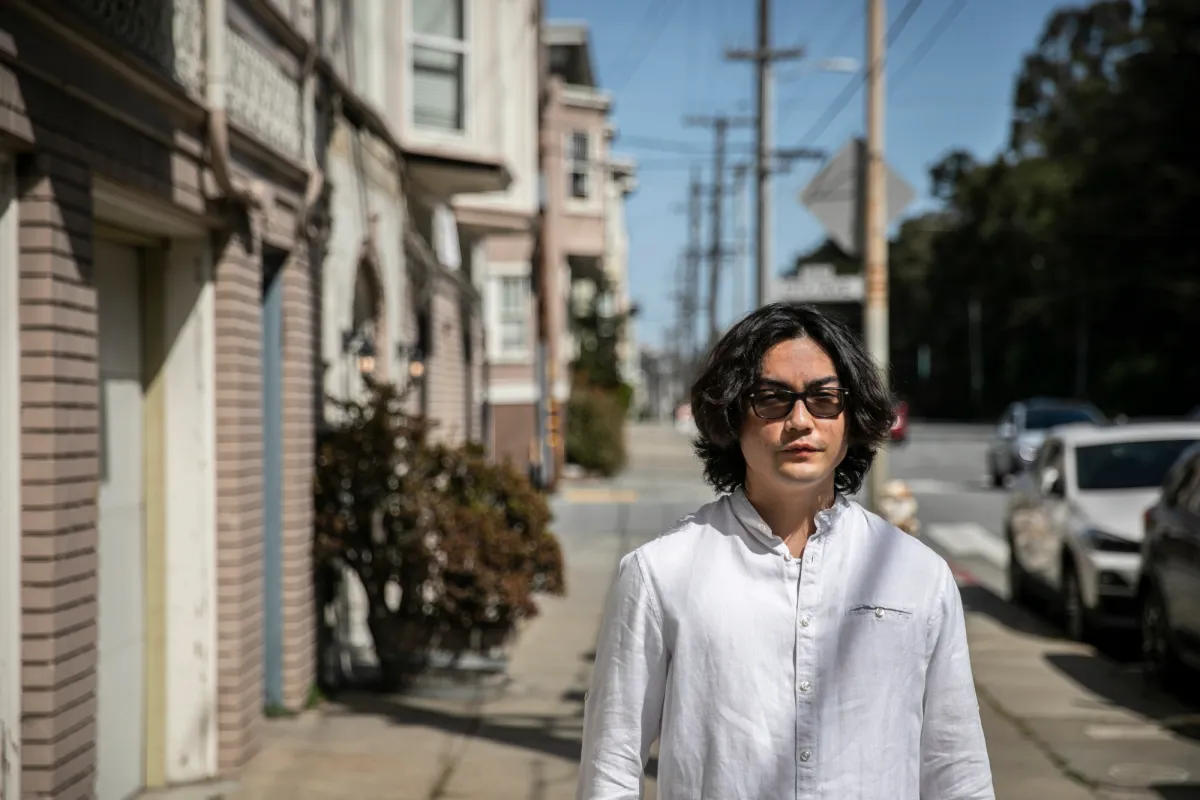
Jesse Driskill is photographed outside his home in San Francisco on Apr. 7, 2022. Photo by Martin do Nascimento, CalMatters
California community colleges have seen their enrollment drop by about a fifth during the coronavirus pandemic, with more than 300,000 fewer students enrolled in fall 2021 compared with fall 2019.
“This raises critical concerns about equitable access to higher education as well as the ability to meet workforce needs,” said Paul Feist, vice chancellor of communications for the California Community College Chancellor’s Office. “It is why the entire community college system has mobilized to stabilize and turn back these declines.”
California lawmakers last year gave the system $120 million to help bring students back. So far, as CalMatters has previously reported, progress has been uneven. At 42 of California’s 116 community colleges, more students left in the fall of 2021 than in fall of 2020.
So who exactly is still missing from the state’s community colleges?
Students who need — or decide — to work full time, for one, the chancellor’s office said. That includes parents, who are not only supporting themselves but their families. And it includes people who decided to take advantage of a labor market in which companies, struggling to find enough workers, are paying well above minimum wage for jobs that don’t require a degree.
One out of four prospective students surveyed in December by the Chancellor’s Office said they didn’t enroll because of full-time work. A big factor holding students back was affordability, with 43% of the 400 prospective students surveyed saying that even though the state’s community college tuition is among the lowest in the country, at $46 per unit, it is still too expensive to pursue a degree.
“People think that community college is affordable, and in some ways it is. That total cost of attending college is more than just fees and tuition,” Feist said. “It involves books, housing, child care, and everything that goes into the total cost of success.”
College enrollments are down across the country, although community colleges in California saw steeper declines than in many states.
Some of the enrollment declines can be attributed to demographic trends such as birth rates falling, says Jessica Thompson, vice president of The Institute for College Access and Success, a national organization. But the pandemic, she says, also has exacerbated a lot of pre-existing gaps in who is able to access college and who cannot.
“I’m going to college to fill out paperwork? Are you kidding me?”
— Jesse Driskill, former City College of San Francisco student
People from lower-income families and people of color are at a higher risk of not being able to attend college, or having to drop out, for a number of reasons including caregiving responsibilities, obligations to work, and trouble accessing the technology they need, Thompson says.
Here are the stories of some of the Californians who dropped out from community college over the past two years. They were challenged by online learning, financial needs, and mental health. Many intended, or still intend, to re-enroll, although the decision to leave community college sent all of them down new paths:
Turned off by online learning
Jesse Driskill dropped out of community college before his first course even started. The pandemic stymied the educational plans of many students. For Driskill, it deepened his disillusionment about the entire enterprise.
Attending college was not a certainty for Driskill, 19, who barely made it through high school with passing grades. “I didn’t try at school, and I just didn’t really like school,” he said. “It’s not like I was going to get into a good college. So, my only option was community.”
Driskill waited more than a year after graduating from high school in 2020 to register for classes at City College of San Francisco, at his mother’s encouragement. “You know, she didn’t want a deadbeat son because that kind of sucks,” he joked.
But then he learned that all of his classes would be held online in an asynchronous format. He would only interact with professors and students through Google classroom. “I felt like that was some serious bullshit,” he said. “Like I’m going to college to fill out paperwork? Are you kidding me? I want to talk to people, say hi to people. I want to see faces.”
The lack of in-person interactions made the decision not to attend City College an easy one. He already was unsure about what he wanted to study in college, as most academic subjects seemed obscure and unrelated to his real-life concerns, like making money.
But then, unexpectedly, Driskill found himself back in school late last year when he enrolled in App Academy, a for-profit institution that trains students in software engineering. His mother, a massage therapist, learned about the program from a client and helped her son pay the $17,000 tuition.
Driskill was optimistic that the 16-week, online course would land him a high-paying job in the tech sector of San Francisco. “I’m pretty interested in not staying poor,” he said. “Getting a software engineering job would definitely help with that. I mean coding is fun, which is part of the reason why I want to pursue this. But the main reason is money.”
— Emily Margaretten
Recovering from long COVID
The pandemic made an indelible mark on the life of Becky Langley, a returning student in her 30s.
She was working full-time as an emergency room technician, assessing patients’ needs and monitoring their vital signs, while studying at Lassen Community College to become a surgical technician – a job with a higher salary.
This year started off strong for Langley, but soon she was regularly working 12-hour shifts as emergency rooms were overwhelmed by the pandemic.
She did much of her studying inside the emergency room. Langley would start her shifts at 7 p.m. and stayed busy until about 11:30 p.m. From 12:30 to 3 or 4 a.m. she had enough down time to study. By 5 a.m. the patients would begin to roll back in, and finally at 7 a.m. she could go home.
The long days soon took their toll. In February, she contracted COVID-19 and was forced to drop out of school to focus on her health. She was diagnosed with COVID pneumonia, or “long COVID,” and is still recovering.
“I think we’re all just spent.”
— Becky Langley, health care worker and former Lassen Community College student
Langley cited the hospital’s crisis staffing as the biggest catalyst for her dropping out of school. If it weren’t for all the overtime, she said, “I still could have been in school and I probably wouldn’t have gotten sick,” Langley said.
She said she thinks all health care workers are feeling the same burnout that she is. “Everything that’s happened over the past two years has made it so overwhelming and exhausting,” Langley said. “I think we’re just all spent.”
After taking a break from work, Langley returned to a different department in the hospital and is also apprenticing in the surgical department until she can go back to school and get her certification.
“Healthwise, I’m better,” Langley said. “I’ve just got to find a way to get motivated to get back into school. It’s hard when you quit.”
— Oden Taylor
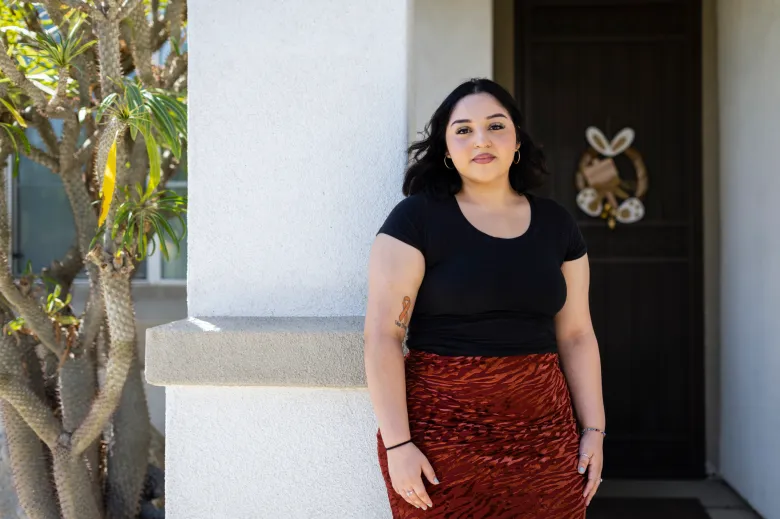
Anevay Martinez is photographed outside her home in Indio on April 16, 2022. Anxious to start her career, Martinez said she felt like community college was taking too long. Photo by Lauren Justice for CalMatters
Opting for a fast path to work
Anevay Martinez started at College of the Desert in Palm Desert right after graduating from high school in 2020, hoping higher education would kick start a career in medicine. Her plan was to take courses there for two years and then transfer to a four-year university.
But Martinez struggled to learn without the structure of in-person classes. She started dreading going to school. She didn’t want to sit through general education classes that had nothing to do with her major. Instead, she wanted to jump right into her career.
After just a couple of weeks, she dropped out.
Martinez, 20, said that as the oldest of seven children in a low-income family, she wanted to start working so she could support herself. For her, two years of community college was too long to wait.
“I know if I want to do things by myself,” she said, “it’s gonna cost money.”
Martinez was out of school for a year, and then her mother brought her information about Mayfield College, a private, for-profit college.
Martinez was drawn to Mayfield’s promises that its program would lead to a career. Being able to get a job right after a nine-month program, she said, was worth the extra cost of Mayfield over a community college.
Through Mayfield, she got an externship at an internal medicine office in Palm Desert, taking patients’ blood pressure and temperature, going over their medications with them, and prepping for X-rays and MRIs. That eventually turned into a full-time job once she got her medical assisting certificate. On the weekends, she works at a retirement home.
Eventually, she said, she wants to return to community college and become an ultrasound technician. But she’s unsure when that might happen.
“I wanted to just start doing something so I can start living on my own and get my life started faster,” she said. “I don’t want to rely on my parents more than I have to.”
— Emma Hall
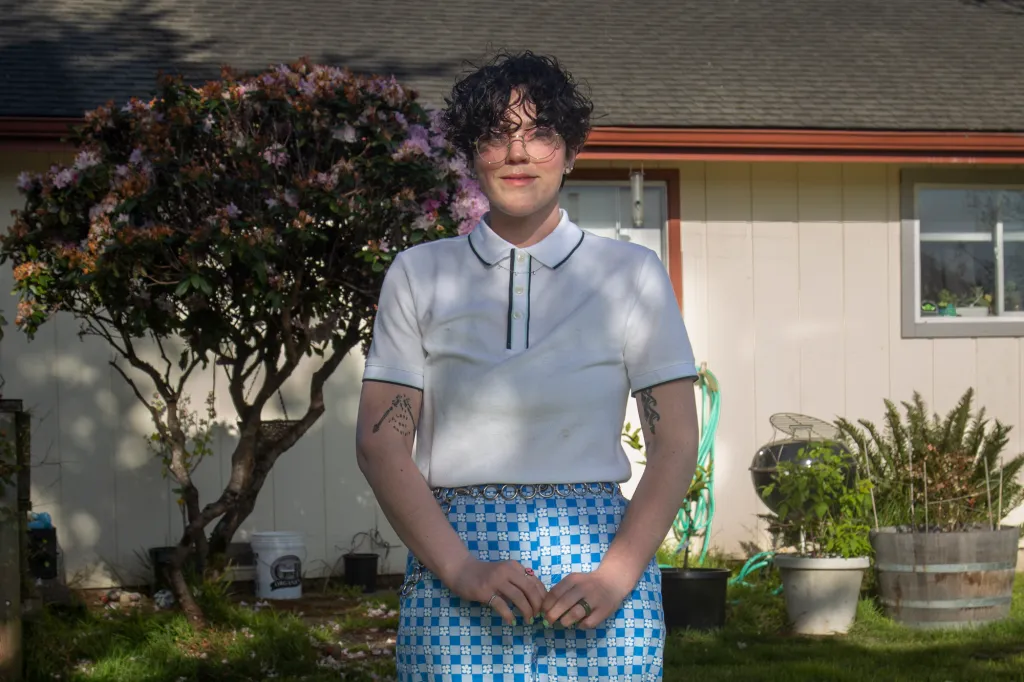
Ally Haynes is photographed at their home in Eureka on Apr. 9, 2022. The pandemic affected Haynes’ mental health — so much, they said, that they left school. Photo by Patrick Garcia for CalMatters
Taking a break for mental health
Ally Haynes had gotten used to 12-hour days. Before the pandemic, they were studying agriculture at the College of the Redwoods from 8 a.m. to 1 p.m., then working from 2 p.m. to 8 p.m. at an after-school program for kids. Then COVID hit.
“Everything kind of stopped. I went from working every morning … (to) doing nothing, and I was like, what am I doing? I don’t know who I am, I don’t know what my hobbies are, what I’m interested in,” Haynes said.
Haynes is only one semester’s worth of credits away from being able to transfer to a four-year university. But they felt so off-kilter once the pandemic started that they decided they needed to take a break.
Online school had proved challenging. “I have ADHD, so focusing at home is a lot harder for me than focusing in school,” Haynes said.
“For my mental health,” they decided, “I just needed to step back and take care of that rather than worrying about my education.”
During their semester off, they’ve been continuing to pursue their dream career as an agricultural educator by shadowing a bee farmer. College isn’t off the table for them forever, though.
“I have ADHD, so focusing at home is a lot harder for me than focusing in school.”
— Ally Haynes, former student at College of the Redwoods
They came into college, they said, without really having much preparation. Neither of their parents attended college.
“All my life it’s been something that they’re really pushed hard toward: me going to a college and getting a higher education,” they said, “because of how much they struggled not having higher education.”
Haynes is encouraged by the fact that they’re so close to transferring. They now plan to return next semester.
— Emily Forschen
Struggling as a student parent
At just 19 years old, nursing student Brianna Hatfield felt like she was taking on the world alone. 2020 came like a storm to her life: A day after her father passed away, her husband was arrested. The day after that, she learned about the COVID-19 pandemic.
Hatfield was left raising three children on her own — her youngest, Abigail, was just three weeks old — and commuting 67 miles each way to classes at Lassen Community College.
Often, she said, she wouldn’t get home until 10 p.m. after finishing her assignments and staying late to study, leaving her children with her mother. The hardest part, she said, was “having time for everything, to do my (school) work, take care of my kids, and do my job.”
As a breastfeeding mother, Hatfield regularly had to leave her classes to pump. She would often leave a recorder on the desk to capture the lectures, she said, but by the time she got home she was too tired to play them back.
Taking her children to doctor’s appointments also cut into class time. She failed a test, then was dropped from the program because she fell below a ‘C’ average.
She is now taking one English course just to maintain her on-campus job, which is open only to students.
She plans to go back to the nursing program in fall of 2023, once her husband is released from prison.
“I know if my husband was home during the time I went to nursing school, I most likely would have passed because I would have had that extra help to care for my kids,” Hatfield said. “It would have given me the extra time that I needed to practice and study.”
— Oden Taylor
###
Hall, Forschen and Taylor are fellows with the CalMatters College Journalism Network, a collaboration between CalMatters and student journalists from across California. Margaretten is a contributor to the network. This story and other higher education coverage are supported by the College Futures Foundation. CalMatters.org is a nonprofit, nonpartisan media venture explaining California policies and politics.
California’s Youngest Children Need More Mental Health Support, Advocates Say in Request for Funding
Elizabeth Aguilera / Friday, April 29, 2022 @ 7:32 a.m. / Sacramento
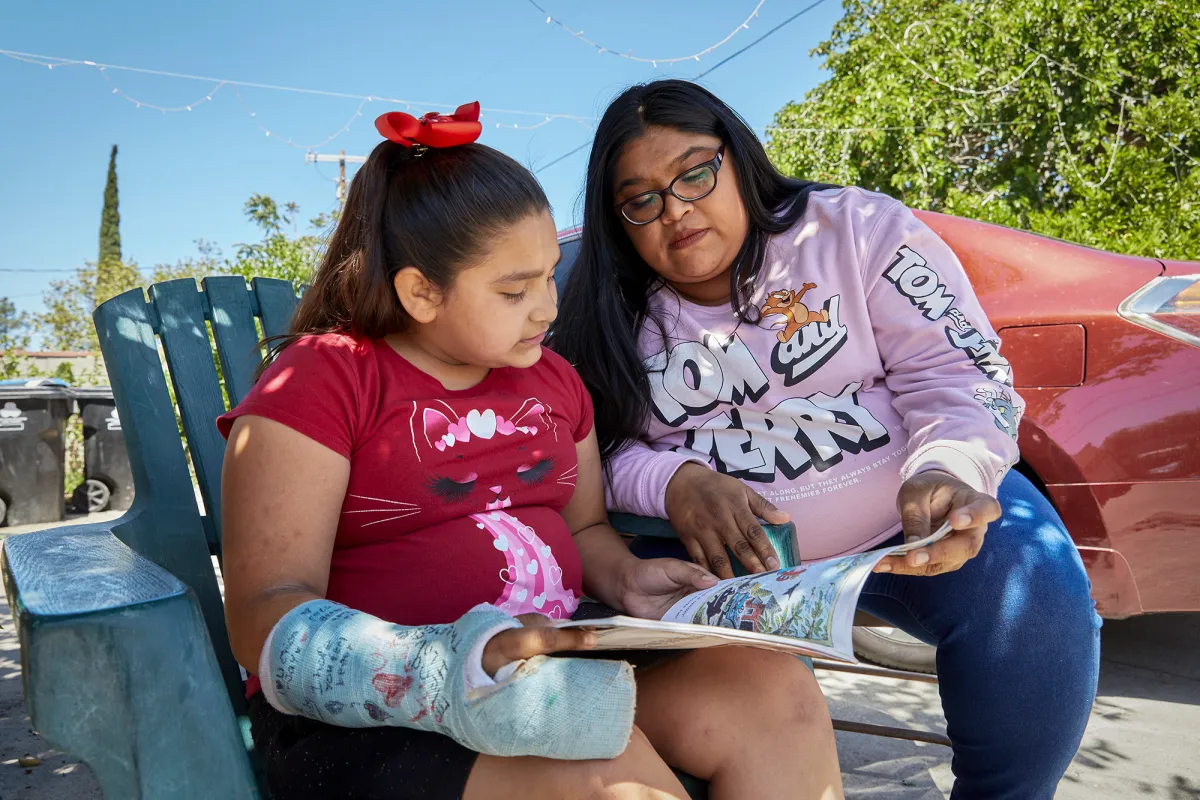
Elizabeth Lomeli reads to her daughter, Gisselle, at their home in Pacoima on April 23, 2022. Photo by Da’Shaunae Marisa for CalMatters
While California has committed billions of dollars to support the mental health of K-12 students, little has been specifically dedicated to children 5 and younger.
Advocates say it’s a need that needs to be addressed, and they are asking Gov. Gavin Newsom to set aside $250 million in the state budget to support the mental health of infants, toddlers, preschoolers and their parents and caregivers.
Kids under 5 account for almost a quarter of all Medi-Cal recipients under 21 but do not receive a proportionate share of health and mental health care compared to older youth, according to Children Now, an advocacy organization focused on the health and welfare of California’s children. At least 43% of those children under 5 have experienced at least one adverse childhood experience. These experiences — including violence, abuse or neglect — have been connected to chronic illnesses later in life and death.
“They are very cute and adorable so people don’t see any needs besides feeding and clothing them at this age,” said Lishaun Francis, director of behavioral health for Children Now. “Because they can’t speak about their needs, they can’t say ‘This is making me sad’ or ‘This is not a healthy attachment relationship.’ They can’t express themselves so we take for granted what they need.”
Children Now, along with more than 400 organizations, sent a letter to Newsom asking for $250 million over four years to fund organizations that provide mental health support for mainly low-income infants and toddlers and their families. Advocates say providing support services early helps prevent children from experiencing adverse events, and if they have gone through trauma already it can help them heal and process.
The money would also support training for child care providers and other caregivers to ensure they have the skills to help prevent traumatic experiences. Those skills include providing a nurturing relationship with children and helping a child cope with trauma.
These needs have increased during the pandemic as children have experienced isolation, family stress over finances and housing, and possibly lost a parent or loved one to COVID-19.
“If families have the skills and training and access to resources, it can reduce the incidences of abuse and neglect.”
— Deborah Kelch, interim executive director of First 5
Because infants and toddlers can’t express their feelings the way an older child might, there is a perception they don’t register stressful or traumatic events the same way older children might.
But young children do experience anxiety, stress, sadness and other emotions related to trauma and they rely on their caregivers to help them make sense of it all, said Dr. Chelsea Lee, a specialist in infant and early childhood mental health at the UC Davis Care Center, a mental health clinic serving children who have experienced trauma and abuse.
If those experiences are not addressed or prevented early on, a child’s future may be marked by angry outbursts, bad grades and the inability to have a relationship or keep a job, experts said.
“The first five years are crucial for setting the foundation for functioning across the lifespan up to teenage years, adolescence, adulthood and everything,” Lee said. “Early caregiving experiences and nurturing relationships are very important for little kiddos.”
Last year, California launched the $4.4 billion Children & Youth Behavioral Health Initiative to redesign behavioral support for kids. But the initiative doesn’t directly address the needs of children younger than kindergarten age.
“We are essentially asking the state not to forget about very little kids, infants and toddlers,” with the current funding request, Francis said.
Putting resources into early intervention is vital for the health and safety of future populations, said Kelly Morehouse-Smith, director of family well-being for the Child Care Resource Center, which operates a home-based family support program in Los Angeles. If there is no intervention or support, issues like aggressive behavior or isolation show up in school and often impact learning, she said.
“Trauma doesn’t just stay in 0 to 5, it manifests throughout someone’s lifetime,” Morehouse-Smith said. “If you don’t address it at all then the child hasn’t processed the trauma, doesn’t learn coping skills and what we see are behaviors that impact the school setting, social settings and family relationships.”
That is why Elizabeth Lomeli, a para-educator for the Child Care Resource Center who does home visits with families, worries about her own daughter. When her 8-year-old daughter Gisselle was around 4 she witnessed a lot of infighting among her extended family. Lomeli could not find resources for her daughter until she started school. It took three years for Gisselle to begin therapy.
“It impacted her as she was growing — she was very insecure about her being able to do things and was worried about other people,” Lomeli said. “If she had received these services when she was young she would have had that confidence and received that independence.”
Infants and toddlers are unique in how they show stress and trauma, and because they are so young the outreach takes a two-generational approach, Francis said. Parents and caregivers are part of the formula for ensuring young children are healthy, safe and nurtured, she said.
The training also helps adult caregivers by giving them tools to help them deal with their own stress. It helps them understand childhood milestones so they know why their baby is crying or what their toddler is able to do and helps connect families with other resources they might need. The ultimate goal, Francis and others said, is to provide support and training that prevents adverse events from happening to children in the first place.
“If families have the skills and training and access to resources, it can reduce the incidences of abuse and neglect,” said Deborah Kelch, interim executive director of First 5, which is also advocating for the money. “It has a strong prevention component by helping the adults be there for children the best way they can.”
Two years ago the state launched the Aces Aware Initiative, which includes training doctors, especially those who treat Medi-Cal patients, to screen kids and adults for adverse childhood experiences. Since then, 500,000 children and adults have been screened and 62% indicate they experienced at last one adverse childhood experience. These experiences are considered potentially traumatic events and exposures children go through. They include physical or sexual abuse, physical or emotional neglect and household dysfunction such as divorce, substance abuse or an incarcerated loved one.
The advocates and some legislators are lobbying the Newsom administration to include the money in the revised budget, which is expected in May.
Democratic Sen. Josh Newman of Brea agreed the state has not focused enough attention on the mental health of the youngest children. As an added benefit, he said the state could save money in the long run by helping young children directly instead of later on when their challenges are more severe.
“You can put a kid on the right path early and you end up with a healthy child and a productive citizen,” said Newman, who serves on the Senate Special Committee on Pandemic Response. “If we don’t do that we end up with fewer productive and healthy people.”
###
CalMatters.org is a nonprofit, nonpartisan media venture explaining California policies and politics.
OBITUARY: John Bernard McManus, 1964-2022
LoCO Staff / Friday, April 29, 2022 @ 6:56 a.m. / Obits
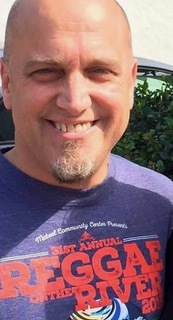
John
Bernard McManus, loving father to his son Johnny, passed away in the
early morning on April 25, 2022 at the age of 57 from ALS. He was
cared for throughout his illness by his devoted sister Ellie at her
home in Fortuna.
John was born on October 6, 1964 in Eureka to Jack and Elsie McManus and spent most of his life in Humboldt County. Growing up in Ferndale, John was known as “Smiley” McManus, a well deserved nickname given his infectious smile and happy disposition. Early on John possessed great enthusiasm for life, a quick wit and the ability to find humor in all circumstances. He boxed competitively as a child and later enjoyed watching the sport with his son and friends, he also loved to fish, hunt and cook.
John was well known within the music community as a talented and obsessed guitarist. He was able to play in a wide range of musical genres with skill, passion and a style all his own.
With determination and a fighting spirit John faced many health issue in his lifetime, including a struggle with addiction. Never one to shy away from the reality and truth of what addiction does to an individual and families John was able to use his experience to help many people and the community.
After attending both CR and HSU, John worked in the recovery field for both private and non-profit organizations. Through fate, John and Dr. Ruby Bayan crossed paths and with their shared vision they were able to fulfill John’s greatest professional accomplishment; WaterFront Recovery Services. He leaves a legacy for building the first medical model recovery services in the Northern California region, specifically for the disadvantaged and homeless, including those with mental and physical illnesses who otherwise would not receive services within the region. John insisted in a level of care that made sure all people were treated with dignity and compassion, John was a great model for staff, who not only respected him but loved him deeply.
In 2010 John could have not have been more excited and proud to welcome his son Johnny into the world. Becoming a father brought him much happiness, Johnny became the center of John’s life and the reason he fought so hard to live as long as he could.
John is preceded in death by his father Jack and infant brother Patrick. He will be loved and always missed by his son Johnny, his devoted mother Elsie and siblings, Kathleen Meredith, Bill and Ellie Bustin, Maureen Lichtenwalter, Ken and Cindy Dunn, and Joe McManus. He will be remembered as a fun loving uncle by his many nieces and nephews .
Along with his family, John leaves many special friends who made great effort to comfort and care for him, including Dr. Ruby Bayan, Mike and Idyath Yassemi, Eileen McGee, Kim Finley, Roshawn Beere, Toshiko Beere, Jessica and Jesse Pearson. John was so grateful to all his friends who reached out to him and supported him through his life and especially in the last year.
The family would also like to thank the care given to John by his Hospice Team, Scotty, Debra, Dylan and Chaplin Harry.
A Celebration of Johns life will take place on Friday, May 6, at The Barn by Fernbridge, 26 Goble Lane, Ferndale from 2 until 5 p.m. The family invites all who knew and loved John to attend.
Contributions can be made to the John McManus Fund at Waterfront Recovery Services.
###
The obituary above was submitted by John McManus’s loved ones. The Lost Coast Outpost runs obituaries of Humboldt County residents at no charge. See guidelines here. Email news@lostcoastoutpost.com.


