There are apparently exactly three choices on how to deal with the issue at hand, we learned today, which are laid out in a City of Arcata press release issued this afternoon. They are:
The council could appoint someone to fill the seat until the November 2022 election
They could call a special election for June 2022 where the winner would serve out the rest of Goldstein’s term
They could remain a four-person council until the November 2022 election, at which point the seat would be filled by someone who’d serve a two-year term
Read the full City of Arcata press release below:
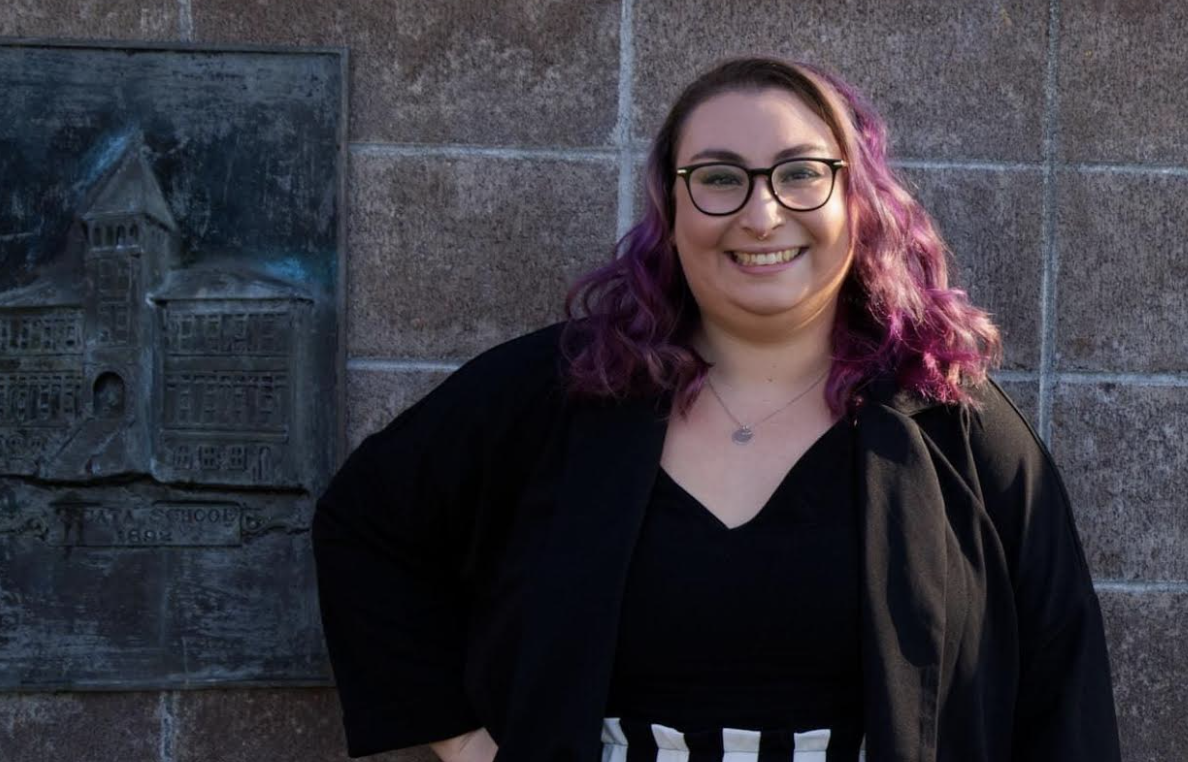
Vice-Mayor Emily Goldstein will be stepping down from her
position on the Arcata City Council, effective Tuesday, March 1.
In a letter read aloud at the City Council meeting held on Wednesday, February 2, Goldstein
shared the difficulty of her decision to resign in order to support her family’s medical needs.
Goldstein was elected to the Arcata City Council in November of 2020, and has served as
Vice-Mayor since October 2021. Goldstein’s term is set to expire in November of 2024, and the
City Council has 60 days to fill her vacancy by appointment or call a special election to fill the
vacancy.
The Arcata City Council has scheduled a special meeting on Wednesday, February 9 at 5:30 p.m.
to discuss the options they have to fill Goldstein’s vacant seat.
Their options include appointing a new council member who would fill the position until the next
municipal election in November 2022, calling a special election for June 7, 2022 where the
candidate receiving the most votes would serve out the full remainder of the term until November
2024, or the Council may also choose to not appoint or call an election in June, which would
allow the vacancy to be filled as a two-year term to be elected on Tuesday, November 8, 2022.
The special City Council meeting will be held on Zoom, and all interested community members
are encouraged to attend. The Zoom login information can be found at cityofarcata.org.
For more information on the Arcata City Council and to review the Council’s upcoming meeting
agendas, please visit cityofarcata.org.
Deputies contacted an adult female victim who was being treated for serious injuries. During their investigation, deputies learned that the victim had been held against her will by her partner, 58-year-old Edward Daniel Starkey, at a remote residence in the Mad River area of Humboldt County. Starkey is alleged to have repeatedly assaulted the victim over the course of a week. On February 2, the victim was able to escape the residence and obtain emergency assistance.
On February 7, the Humboldt County Sheriff’s Office Major Crimes Division conducted a special operation to apprehend Starkey. At approximately 9:14 a.m., Starkey was located and taken into custody without incident at his Mad River residence.
Starkey was booked into the Humboldt County Correctional Facility on charges of kidnapping (PC 207(a)), false imprisonment (PC 236), assault with a deadly weapon other than a firearm (PC 245(a)(1)) and inflicting corporal injury on a spouse (PC 273.5(a)), in addition to unrelated warrant charges of unauthorized cultivation of cannabis (HS 11358(d)(3)(D)). Additional charges may be requested as this investigation continues.
Anyone with information about this case or related criminal activity is encouraged to call the Humboldt County Sheriff’s Office at (707) 445-7251 or the Sheriff’s Office Crime Tip line at (707) 268-2539.
Press release from the Humboldt County Sheriff’s Office:
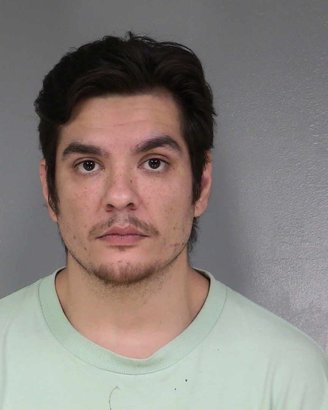
On Feb. 4, 2022, at about 7:47 a.m., Humboldt County Sheriff’s deputies were dispatched to a residence on the 500 block of First Avenue in Blue Lake for the report of a domestic disturbance.
Deputies responded to the area and learned that the suspect, 30-year-old Fletcher Christian McCovey, was hiding somewhere outside the residence. Deputies located McCovey in the area of Railroad Avenue and Shamrock Lane. McCovey fled from deputies and was apprehended after a short foot pursuit.
McCovey was arrested and booked into the Humboldt County Correctional Facility on charges of inflicting corporal injury on a spouse (PC 273.5(a)), damage/destroying a wireless communication device (PC 591.5), robbery (PC 211), resisting a peace officer (PC 148(a)(1)) and child endangerment (PC 273A(b)).
Anyone with information about this case or related criminal activity is encouraged to call the Humboldt County Sheriff’s Office at (707) 445-7251 or the Sheriff’s Office Crime Tip line at (707) 268-2539.
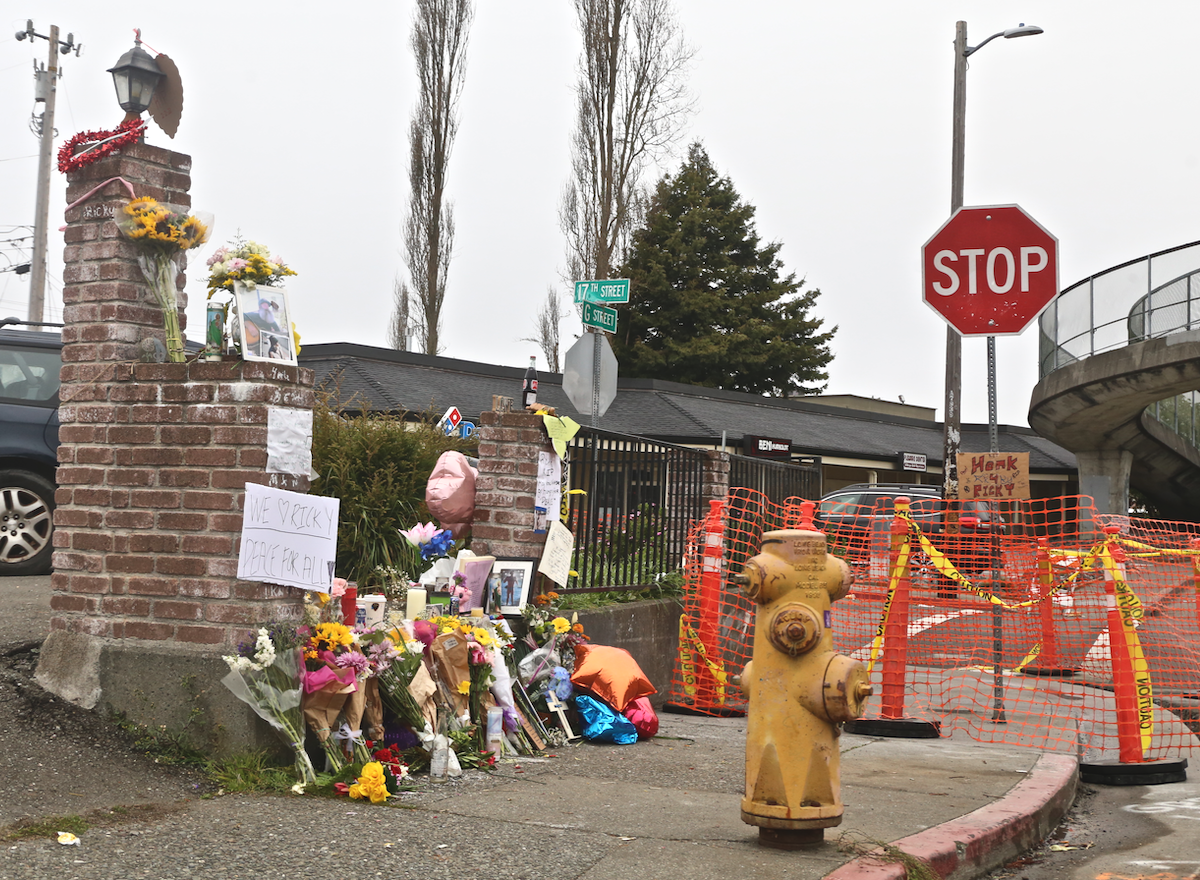
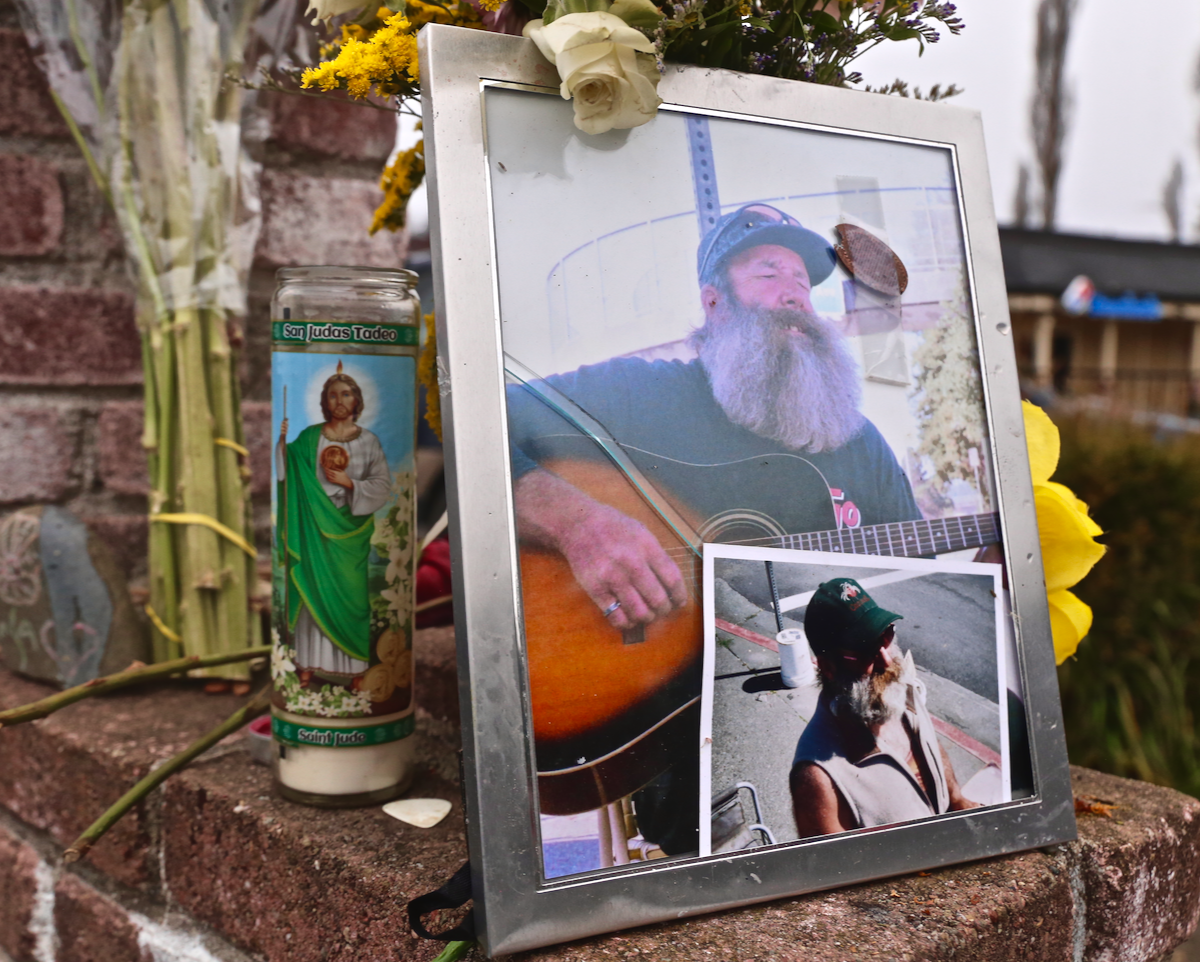
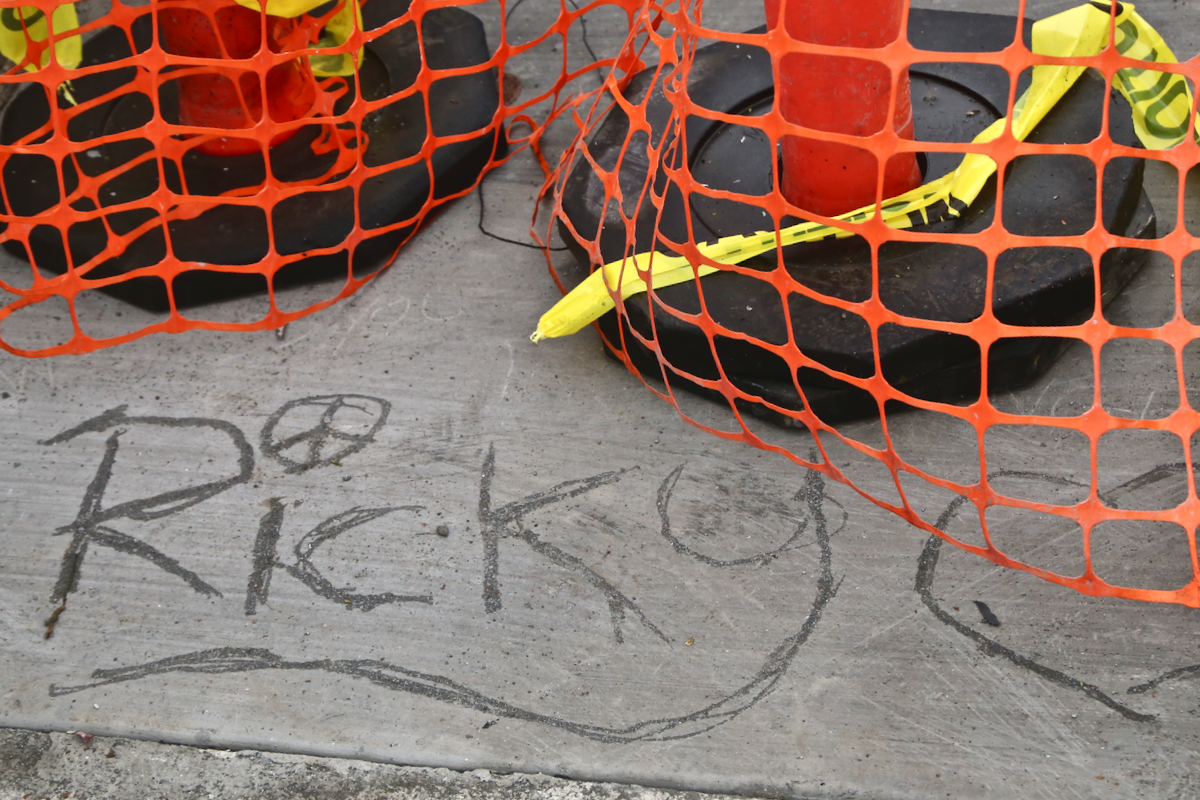
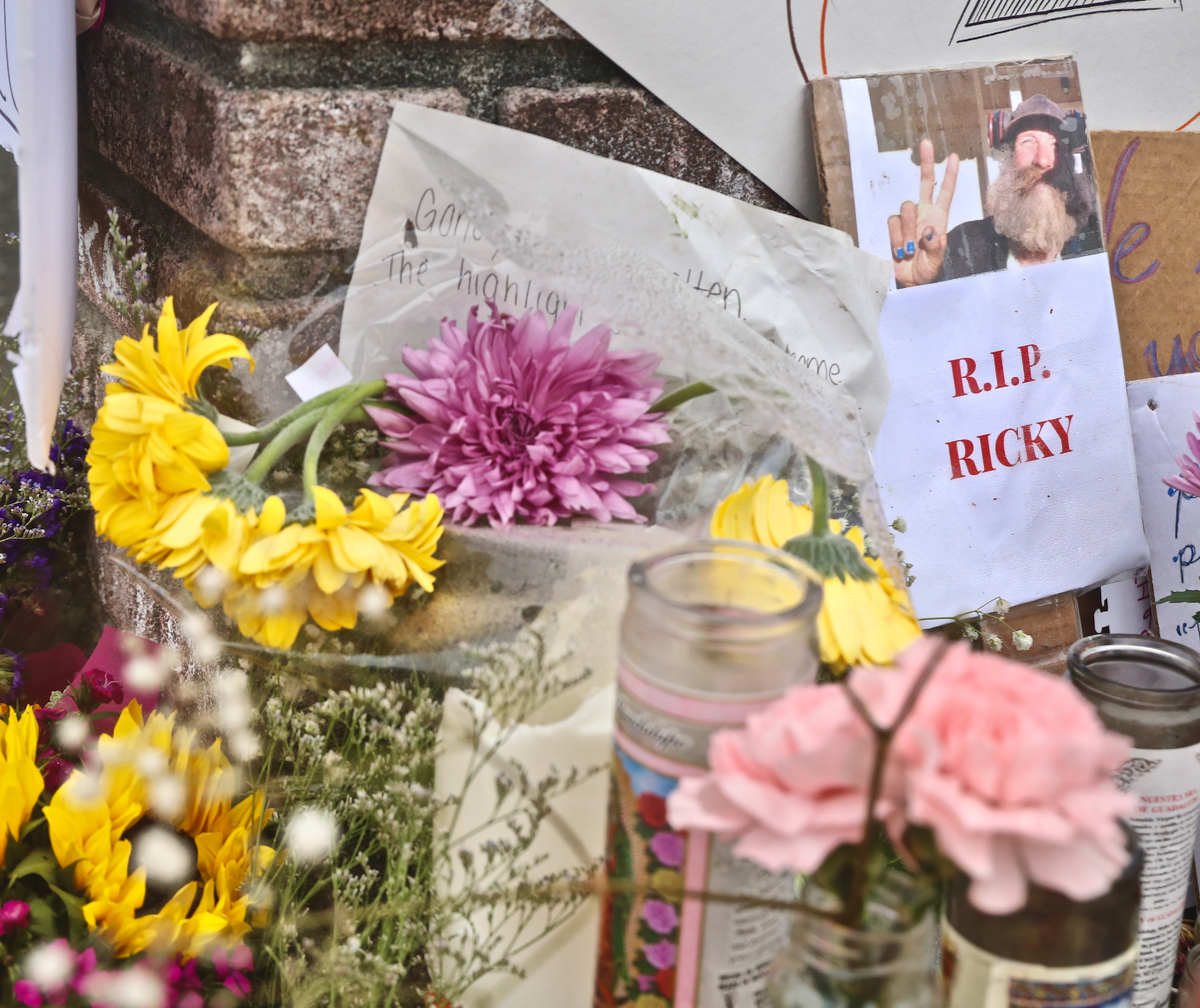
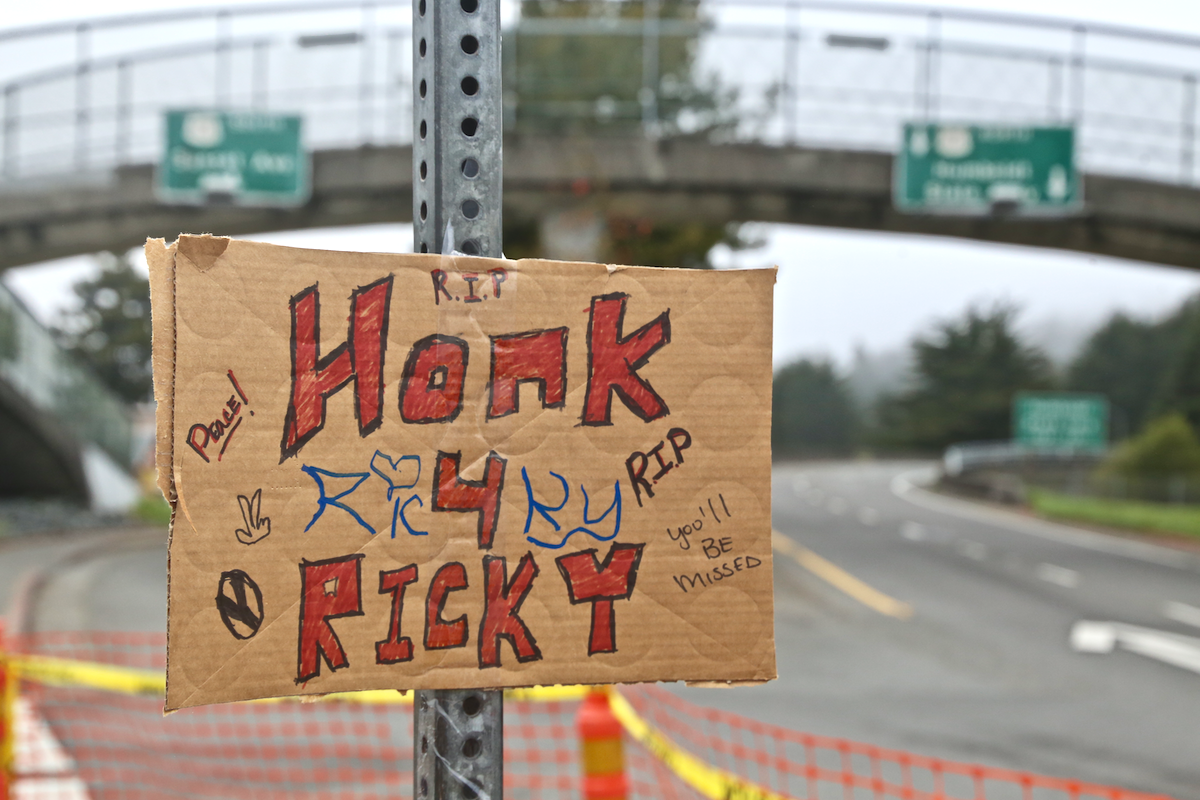
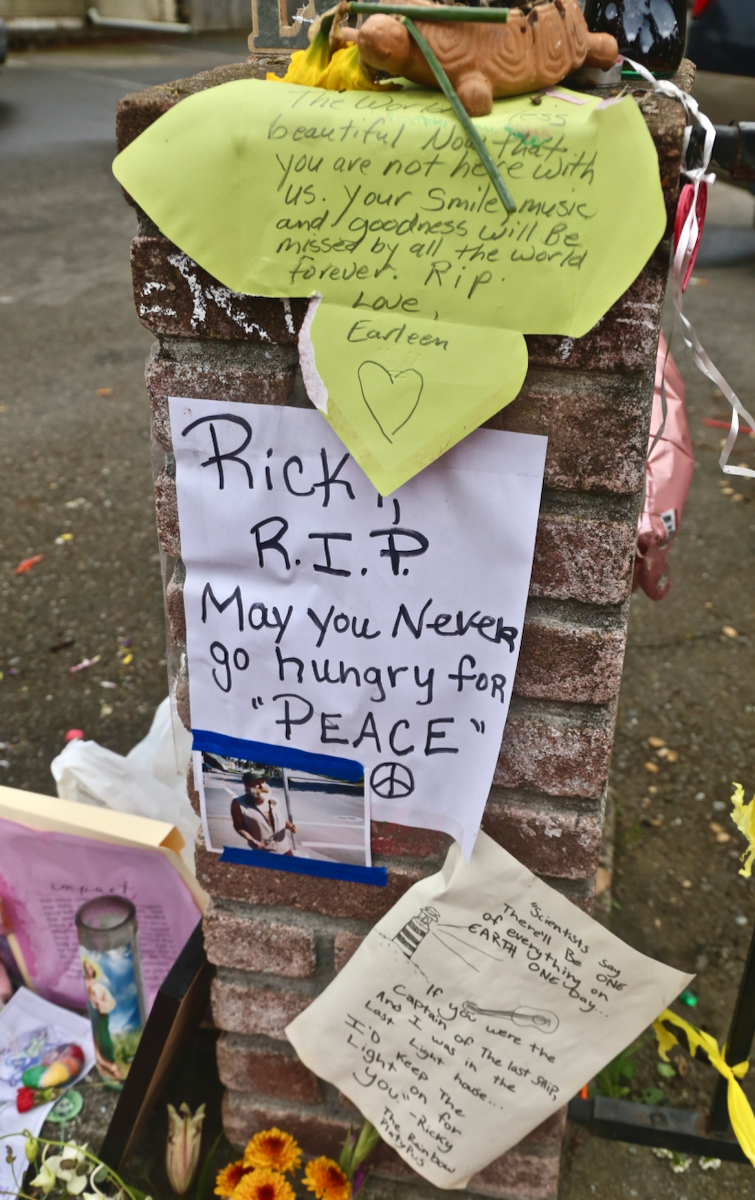
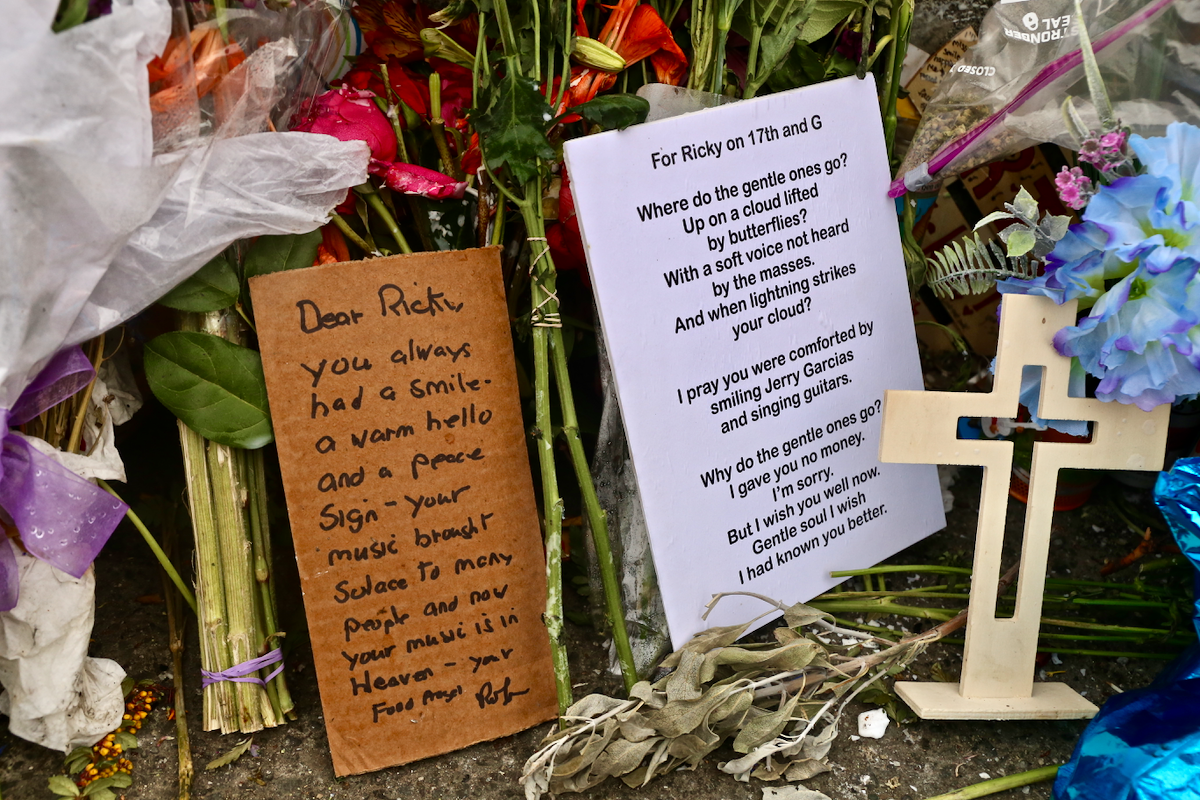
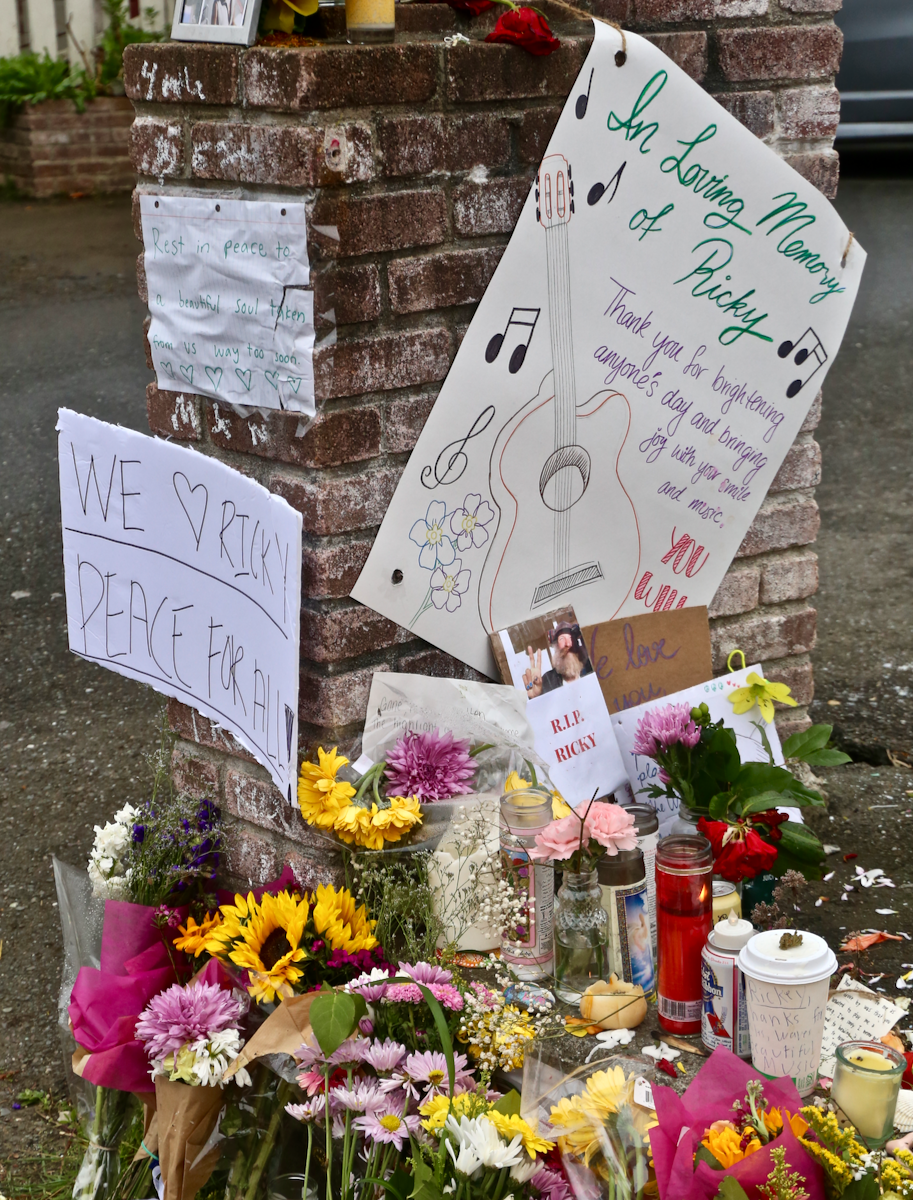
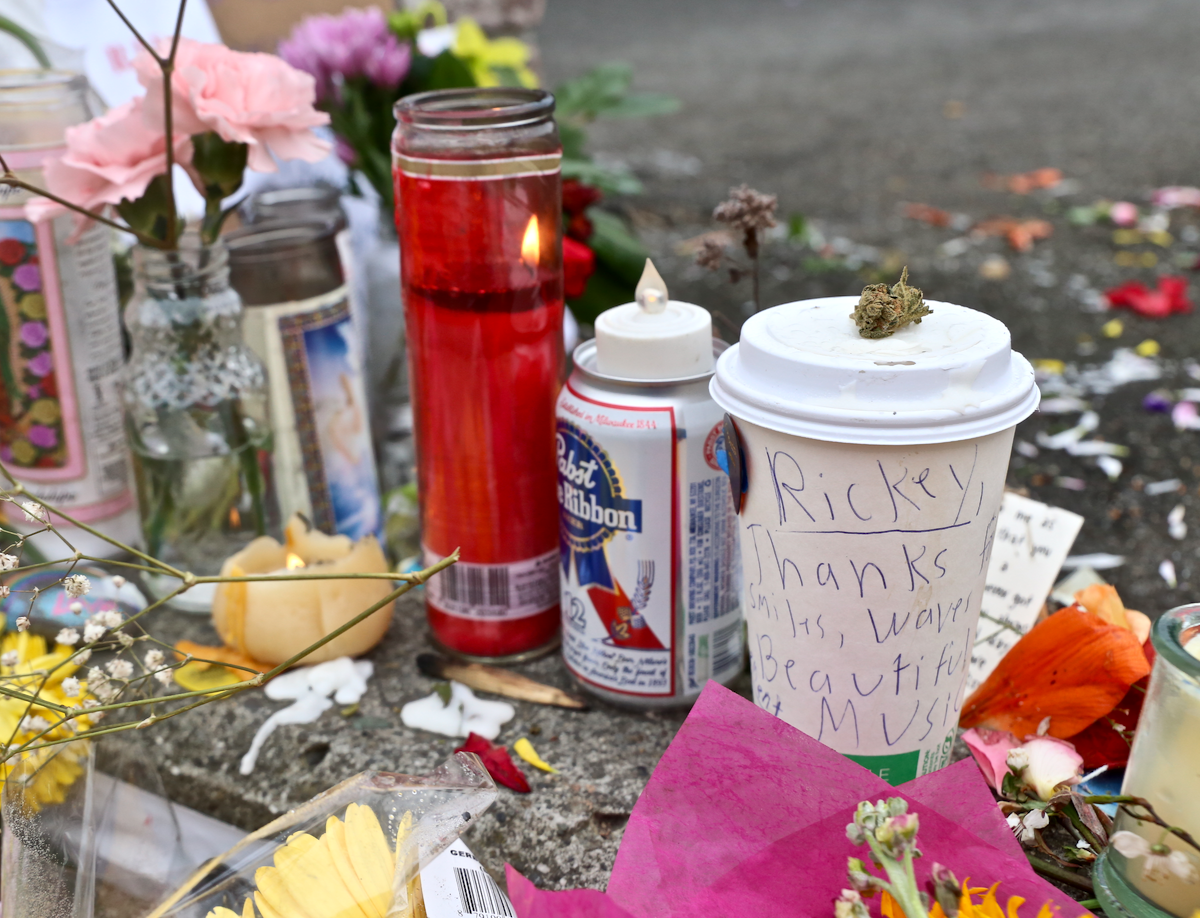
In the days since Ricky Smith’s death, those who’d been touched by his positive spirit have left flowers, gifts and mementos at a makeshift memorial at the corner of 17th and G streets in Arcata — the same corner where Ricky would stand with his guitar to sing and share his peaceful message with passersby.
Smith, who spent years living on the streets of Arcata and had recently been sleeping near the foot of the footbridge near his chosen corner, died on the evening of Feb. 2 reportedly following a physical altercation. The Arcata Police Department would quickly arrest Russell Holt in connection with the incident.
Two months before his death, Ricky had an encounter with a blogger who goes by Hippie in the Woods, who asked Ricky if he would share a bit of his story and worldview. See their exchange below.
More images from Ricky’s 17th and G memorial below:
Press release from the Humboldt County Sheriff’s Office:
Two Humboldt County Sheriff’s deputies saved the life of a man experiencing an opioid overdose emergency Friday in Eureka.
On Feb. 4, 2022, at about 8 a.m., sheriff’s deputies were dispatched to the 3800 block of Little Fairfield Street, in the county’s jurisdiction of Eureka, for the report of an unresponsive male lying on the sidewalk.
Based upon deputies’ training, the man was determined to be experiencing an opioid overdose emergency. Deputies administered one dose of nasal Narcan, an opioid antagonist, and the man was successfully revived. He was then transported to a local hospital for further medical treatment.
Symptoms of an opioid overdose include: unconsciousness, limp body, extreme drowsiness, slow, shallow, irregular or no breathing, pale, blue, cold and/or clammy skin, choking, snoring, or gurgling sounds, slow or no heartbeat, and very small or “pinpoint” pupils. In the event of an overdose, Narcan can be administered and can reverse the effects of overdose and prevent death. Narcan is available to the public at no cost at the following locations:
Department of Health and Human Services 908 7th Street, Eureka 707-268-2132
Humboldt Area Center for Harm Reduction 924 5th Street, Eureka 707-407-6013
Redwood Rural Health Center 101 West Coast Road, Redway 707-923-2783
If someone you know is experiencing an overdose, call 9-1-1 immediately.
Anyone with information about this case or the illegal sale of opioids in Humboldt County is encouraged to call the Humboldt County Sheriff’s Office at (707) 445-7251 or the Sheriff’s Office Crime Tip line at (707) 268-2539.
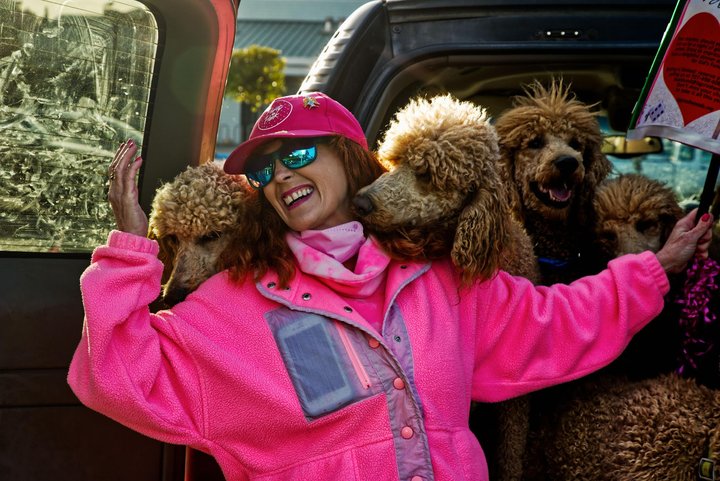
Your President of Positivity has it pretty good this week!
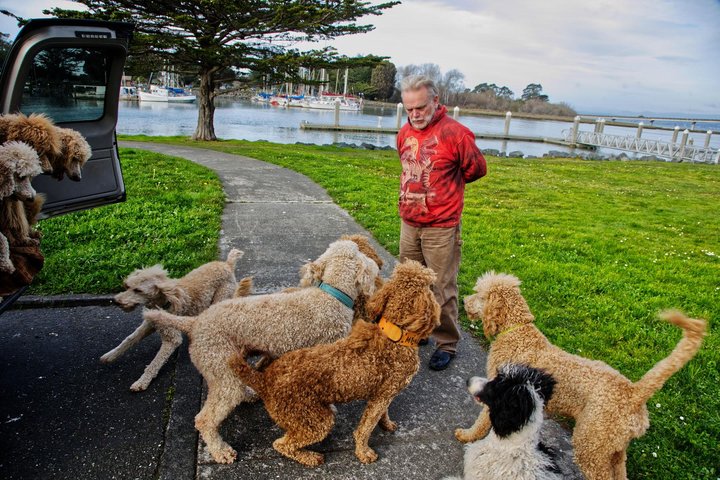
First, she got to party with a plethora of playful poodles thanks to her pal Frank Mallatt of Critters4Service. Frank is passionate about spreading joy and comfort to children with special needs and local veterans with the help of his specially trained curly-haired pooch brigade. Check out his website for more details.
As if that wasn’t enough joy, Michaele also took a spin out on Humboldt Bay with Marc Darcus, the creator of Ducky’s Waterfront Plastic Patrol. Whenever he has a spare moment, Marc likes to launch his colorfully decorated canoe out on the water to pick up refuse, helping to keep one of our beautiful natural zones pristine. Go, Marc! Go!
It’s good to be the Prez! Ciao Bella!
# # #
And one more thing! Michaele would like you remind y’all that this Saturday, Feb. 12, the Boys and Girls Club of the Redwoods is hosting their Bids For Kids Annual Auction and Dinner at the Eureka Veterans Memorial Hall from 5-9 p.m. For more details on how you can have fun helping a great local cause, click here! Ciao Bella x2!
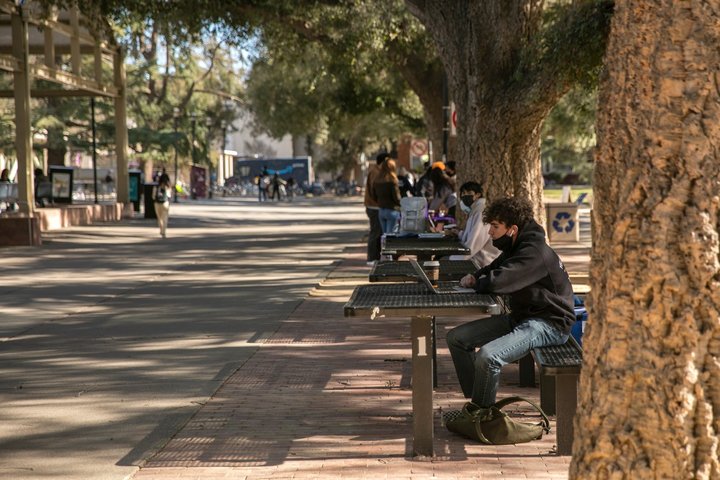
Students on campus at the University of California, Davis in Davis on Feb. 2, 2022. Miguel Gutierrez Jr., CalMatters
###
A new California program to financially reward college students for volunteering has drawn national attention — but less than half of its budgeted money is going to actual student aid.
The California Volunteers College Corps program, backed by $159 million in mostly state money, promises to award up to $10,000 to 6,668 low-income students who volunteer in K-12 education, on climate action or to reduce food insecurity.
That only works out to $66.7 million for students, though. So where is the other $92 million going?
Mostly it’s going to hiring and administrative costs despite no guarantee the program will continue past 2024. Some experts think that money split makes sense because students could benefit from training and there’s a chance the program would get additional funding in the future. Other experts think the money should go directly to students, so fewer of them will have to work on top of their other responsibilities.
“I think this is a classic question of is it better to give a person a fish or teach them how to fish,” said Nora Silver, a professor who studies nonprofits at UC Berkeley’s business school and herself led a volunteer program.
To her, the program does both: It gives students money directly and includes a lot of programming to train students and connect what they learned as volunteers to the job market.
Nor does she find the total costs of the program out of whack. The budget details to build out the network of colleges and nonprofits — including career, academic and financial aid advising for student volunteers — are “necessary to offer a well-functioning program,” said Silver.
The flipside of that argument is to just give out the fish — or cash — directly to students. That’s what Robert Shireman would have preferred. He’s a higher-education director at the nonprofit Century Foundation and had a senior position overseeing higher-education policy in the Obama administration.
“I would have plowed the money directly into financial aid based on need and not a new temporary service program,” said Shireman, who noted that many low-income students already work to afford college.
The program is set to last two years, though Gov. Gavin Newsom suggested at a Jan. 18 press event that he’d ask the Legislature to expand the program “if this thing works.” Part of the money will go toward an external evaluation of the program.Silver thinks the goal is expansion. The program reminds her of the early days of AmeriCorps, the federal volunteer service created in the 1990s. “I don’t think anybody’s going into this saying this is a two-year program,” she said.
Where does the majority of the money go?
Almost all of that $92 million that’s not going directly to students is meant for program costs, according to a budget CalMatters received from California Volunteers, the state office running the program. Forty-five colleges and universities — nearly all public — will share the money.
Of that, $77 million is for a whole array of operations work to build up the volunteer program. That includes money for the colleges whose students will be in this program to develop their local programs and partner with the nonprofits where students will work. Costs include:
hiring consultants and staff, acquiring extra office space and IT equipment;
recruiting the actual student volunteers and funding the nonprofits where they’ll do their volunteer work;
providing students career and academic advice plus training events;
and an external evaluator, who’ll be hired at a later date, to assess the volunteer program.
Another $15 million is reserved for California Volunteers personnel.
Not only is the program a way for students to give back to their community but it’s also an opportunity that allows students to be “learning about a career and also earning while learning that career,” said California Community Colleges Chancellor Eloy Ortiz Oakley.
But a state program for connecting students to careers already exists. Last year’s state budget injected $200 million into a new work-study program for college students, with $300 million more planned for this year.
How will students get money – and when?
Student participants will begin volunteering through the program fall of 2022. Upon completing 450 hours during the academic year, each will get $10,000.
The money is split up into two buckets — $7,000 paid out regularly and a final lump sum of $3,000 after a year of service. As students fulfill their hours, they’ll be paid as if they’re campus employees through their college or university’s payroll system. Even if students don’t volunteer the full 450 hours, they’ll receive a prorated amount of the initial $7,000. But to receive the final $3,000, students will need to complete the full 450 hours of service.
Unlike the federal AmeriCorps, undocumented students may participate in the California volunteer program. State officials want 20% of the volunteers to be undocumented students who receive state financial aid. They’re eligible for the same $10,000 available to other students, but their pot will come from state dollars only, while federal funds will cover a portion of $3,000 other students will be awarded.
State officials want 20% of the volunteers to be undocumented students who receive state financial aid. Their pot will come from state dollars only.
But all that extra money may create a headache for some volunteers. The $7,000 volunteers work toward counts as income, which may “impact a student’s financial aid,” reads a program FAQ. Campuses are urged to work with their financial aid offices to “mitigate any impact” for students. Also, the $7,000 is taxable income, meaning taxes will be deducted each paycheck.
Only full-time students will be eligible for the service program.
The College Corps state volunteer program builds on a smaller effort California launched in 2020, about six months into the COVID-19 pandemic. Though that smaller effort had the goal of attracting 250 students, ultimately 199 participated, according to performance review data that Julie Goggins, a California Volunteers spokesperson, shared with CalMatters. And some — 7% — didn’t complete their full hours of service and so weren’t awarded the full amount for which they were eligible. Most students — 90% — also acquired professional development skills, according to performance review assessments. Some colleges from the pilot round are also participating in College Corps.
A bigger big picture
The budget for the volunteer program makes sense, but the devil’s in the details, said Alexandra Graddy-Reed, a professor who studies nonprofits at the University of Southern California. She likes that students who volunteer will receive various layers of advising. It’s another way for the colleges and the state to expose those low-income students to opportunities wealthier students often already receive through their families’ connections, Graddy-Reed said.
All those services require more personnel and hiring people is expensive, which helps explain the program costs, she said. The mix of volunteerism and various advising “sounds good to me” as a way to spend tax dollars, Graddy-Reed added. Still, she’ll want to see the specific hiring decisions colleges will make at the local level and whether most of the operational funding will be for College Corps or for general campus operations.
Campus-level contract amounts won’t be available until the summer, according to Goggins.
Some campuses have begun advertising their programs. UC Davis and three other Sacramento-area colleges will share up to $16 millionfor about 1,000 student volunteers. Fresno State and Fresno City College will bring on about 120 students over two years.
Shireman, who preferred to have the money instead go directly to some of the poorest college students. pointed out that Newsom vetoed a bill last year that would have given cash awards or fully covered tuition to more than 100,000 additional college students.
Newsom and lawmakers have dramatically expanded the state financial aid program in other ways that give students aid directly, like cash and grants to fully cover tuition. But those are all ongoing programs, while the money for the volunteer program is just two years. From a publicity standpoint, it’s probably better to create a temporary program, such as College Corps, than to briefly expand access to ongoing grants only to have them disappear soon after, Shireman mused.
###
CALmatters.org is a nonprofit, nonpartisan media venture explaining California policies and politics.