

Sheriff’s Office Makes Arrest in Months-Old Attempted Murder Case; Two More Suspects Still Being Sought
LoCO Staff / Wednesday, Nov. 13, 2024 @ 2:21 p.m. / Crime
Press release from the Humboldt County Sheriff’s Office:
On April 13, 2024, deputies from the Humboldt County Sheriff’s Office (HCSO) responded to a reported robbery and attempted homicide in the 3500 block of Newberg Rd. in Fortuna. The victim was robbed at gunpoint, shot in the shoulder, and severely assaulted, sustaining serious injuries to his head and face.
Over the past several months, HCSO investigators and agents from the Humboldt County Drug Task Force (HCDTF) have conducted an ongoing investigation into this robbery, following up on leads with assistance from community members and evidence gathered at the scene. All three suspects have now been identified, and one arrest has been made.
Jackson Parrott, 44, of Scotia, has been taken into custody on charges of attempted murder, mayhem, and robbery and is being held at the Humboldt County Correctional Facility. Felony arrest warrants have been issued for Michael Cady, 34, of McKinleyville, and Christopher Overholt, 42, of Loleta, for the following crimes:
- PC 664/187: Attempted Murder
- PC 203: Mayhem
- PC 211: Robbery
- PC 459: Burglary
- PC 182(a)(1): Conspiracy to Commit a Crime
Anyone with information regarding the whereabouts of Cady or Overholt is urged to contact law enforcement immediately.
To provide information related to this or other crimes please contact the Humboldt County Sheriff’s Office at (707) 445-7251 or the Sheriff’s Office Crime Tip line at (707) 268-2539.
BOOKED
Yesterday: 5 felonies, 5 misdemeanors, 0 infractions
JUDGED
Humboldt County Superior Court Calendar: Today
CHP REPORTS
No current incidents
ELSEWHERE
RHBB: Humboldt Ranks Among Highest in State for CARE Court Referrals Despite Funding Gaps
RHBB: California Attorney General Urges U.S. Senate to Reject SAVE America Act
RHBB: Major Roadwork Scheduled Friday, February 20 through Thursday, February 26
The Oregonian: Radical Oregon animal rights initiative moving closer to qualifying for ballot
Trump Has Promised to ‘End’ Offshore Wind. What Will That Mean for California’s Big Bet?
Julie Cart / Wednesday, Nov. 13, 2024 @ 1:56 p.m. / Sacramento

Image via Humboldt Bay Harbor District.
California’s offshore wind industry could be a casualty if President Elect Donald Trump makes good on his promise to sign an executive order to “end” the offshore wind industry.
He cannot do it with the stroke of a pen. But Trump can deeply wound the state’s next-generation renewable energy source by cutting off funding just as it’s gaining a foothold in the U.S.
California’s offshore wind plans rely on a federal policy that offers billions of dollars in grants, subsidies and tax incentives.
Floating offshore wind farms, which bob in the deep ocean as much as 20 miles from shore, are still not common in U.S. waters. But the technology is well on its way to being deployed in the ocean off California, which is counting on the clean energy source to meet its goals to scrub fossil fuels from the electric grid.
The state’s energy blueprint envisions massive offshore wind farms producing 25 gigawatts of electricity by 2045, powering 25 million homes and providing about 13% of the power supply.
Five offshore wind companies have already paid the U.S. Treasury $757 million to lease five tracts in the deep ocean off Humboldt County and Morro Bay. The hundreds of turbines, each as tall as a 70-story building, would not be visible from the coast but would need infrastructure on land, including port expansions and new transmission systems.
The Biden administration calls the rush to develop this new energy frontier the “Floating Offshore Wind Shot.” But harnessing that power could end up more of a long shot if Trump pulls back federal support.
The industry, which is largely Europe-based, has kept a keen eye on Washington, D.C. politics — cheering when the bipartisan Inflation Reduction Act passed, freeing up federal money, including $100 million for transmission development and a 30% tax credit.
In the wake of Trump’s election victory last week, stock in some offshore wind companies dropped.
Trump vowed to “terminate” the Inflation Reduction Act. But much of the tax breaks have already been claimed and the construction jobs, manufacturing and supply chain development will take place in districts that Republican lawmakers might want to protect.
Offshore wind farms “destroy everything, they’re horrible, the most expensive energy there is. They ruin the environment, they kill the birds.”
— President Elect Donald Trump
Trump has long carried a grievance against offshore wind turbines, a dislike that may have begun with land-based turbines that he said spoiled the seaward view from his golf club in Scotland. He has repeated, many times over the years and at recent campaign rallies, unsubstantiated claims that wind farms cause cancer and environmental damage.
“They destroy everything, they’re horrible, the most expensive energy there is,” Trump said at a rally in May in New Jersey. “They ruin the environment, they kill the birds, they kill the whales.”
Scientists say there is no evidence that offshore wind projects kill whales. Other offshore wind farms around the world have had minimal impact on marine mammals, although they are not directly analogous to the Pacific Ocean’s deep floating platforms. Researchers are examining the potential impacts of increased sound and ship traffic on migration patterns and effects on prey.
“More information is needed to help us better understand the potential short-term and long-term impacts of this industry on protected, threatened, and endangered species, as well as the cumulative effects of these activities on marine mammals in the context of stressors already present in the marine environment,” the federal Marine Mammal Commission says.
Floating offshore wind is at a critical inflection point. Wind developers say they need certainty from state and federal partners that environmental policies will remain in place to reassure investors. That’s no problem in California, they say, where state officials have sent strong signals of support, backed by billions in investments to build power transmission and ports. The industry got a $475 million injection for port infrastructure from just-passed ballot initiative Proposition 4.
“In the next few years much of the work that needs to be done to advance offshore wind will focus on state activities,” said Adam Stern, executive director of the industry group Offshore Wind California.
However, while the federal scaffolding to support the industry is already in place, Stern said, there’s no guarantee that support will remain.
“As an industry we want to work with the new administration to help strengthen the state’s grid reliability, continue to achieve energy independence and create new jobs,” he said. “Those issues ought to appeal to both Republicans and Democrats.”
###
CalMatters.org is a nonprofit, nonpartisan media venture explaining California policies and politics.
Trump’s Proposed Tariffs, Especially on China and Mexico, Could Hit California Hard
Levi Sumagaysay / Wednesday, Nov. 13, 2024 @ 7:42 a.m. / Sacramento

Minette Lontsie, CC BY-SA 4.0, via Wikimedia Commons
A range of experts, from Nobel Prize-winning economists to an internet-famous menswear writer, have a message for Americans who voted for Donald Trump based on his promises to bring down prices: This likely won’t go how you want.
Some voters cited the cost of living as a factor in their decision to elect Trump to a second term as president. But with inflation actually starting to ease, his proposed tariffs, which the president-elect has called the “most beautiful word in the dictionary,” could actually raise prices again.
While some experts don’t think more tariffs are a bad idea, the majority of economists and other experts who spoke with CalMatters echoed 23 Nobel laureates who warned that Trump’s policies would be worse for the economy than the ones proposed by Vice President Kamala Harris. Those economists wrote a letter last month calling Harris’ economic agenda “vastly superior” to Trump’s, and mentioned tariffs as one reason.
“His policies, including high tariffs even on goods from our friends and allies and regressive tax cuts for corporations and individuals, will lead to higher prices, larger deficits, and greater inequality,” the economists wrote.
Businesses that import goods into the country must pay the tariffs. They tend to pass on their increased costs to consumers, with some executives recently promising to do just that during their earnings calls. So economists largely view tariffs as a tax, especially on the lowest- and middle-income families in the nation.
While tariffs could raise prices for all U.S. consumers, California could feel the brunt of the impact in part because of the countries Trump singled out during his campaign: China and Mexico. Those two countries accounted for 40% of the state’s imports in 2023.
“The port and logistics complex in Southern California is a very important part of the economy, and directly tied to the countries he threatened,” said Stephen Levy, an economist and director of the Center for Continuing Study of the California Economy, an independent, private research organization in Silicon Valley.
Trump imposed tariffs during his first presidential term, and President Joe Biden maintained some of them. During his campaign this time around, Trump said he intends to impose tariffs of 10% to 20% on all imports, and has mentioned even higher tariffs on goods from China (60%) and Mexico (100% to 200% on cars).
Such tariffs could exacerbate California’s already high cost of living and raise the prices of cars, technology and electronic products, medical devices, groceries and more. Also, as the state saw during Trump’s first term — which included a trade war, with countries retaliating with their own tariffs on U.S. exports — California’s agricultural industry is likely to feel the effects. Trump’s proposed tariffs could also have an adverse effect on the state’s ports, which are among the nation’s busiest.
And all of those outcomes could have a ripple effect on jobs in the state, including those in agriculture, trade and manufacturing.
What the state’s ports expect
Trade experts say it’s too early to tell how the state’s ports could be affected, though some of them also said they expect a near-term surge in activity as businesses brace themselves for tariffs by importing more goods now.
“Long Beach and Los Angeles are two of the largest ports in the U.S.,” said Jonathan Aronson, a professor of communication and international relations at the University of Southern California, who studies trade and the international political economy. “Their traffic would presumably slow in both directions” if Trump imposes tariffs, Aronson said. Like other experts, though, he wondered if the president-elect is using the threat of tariffs as a negotiating tactic — say, to pressure Mexico into doing more to limit immigration into the United States.
The most recent available data for the Port of Los Angeles, which is the busiest in North America and handles nearly 10% of all U.S. imports, shows that trade activity rose nearly 19% at the port in September from the same month a year ago. September imports totaled $27.9 billion, a 20% increase year over year. There’s a chance those numbers could head the opposite direction as a result of tariffs.
“Significant increases in tariffs, and the possibility of retaliatory tariffs, could have a significant impact on traffic — and jobs — at the port,” said Phillip Sanfield, a spokesperson. “We’re monitoring developments closely.”
“As a West Coast seaport, our primary trading partner is Asia, and what’s happening right now is that retailers are expecting a short-term shipping surge in advance of new tariffs.”
— Robert Bernardo, spokesperson, Port of Oakland
The Port of Los Angeles says nearly 1 million California jobs are related to trade at that port.
The Port of Long Beach handles about 3% of all U.S. imports and has about 575,000 Southern California jobs tied to trade. Chief Executive Mario Cordero said, through a spokesperson, that he is waiting to see what trade policies Trump actually will adopt: “At this point we expect that strong consumer demand will continue to drive cargo shipments upward in the near term.”
The Port of Oakland, whose trade-related jobs at both the airport and seaport number about 98,000, also expects a traffic boost at first. Spokesperson Robert Bernardo: “As a West Coast seaport, our primary trading partner is Asia, and what’s happening right now is that retailers are expecting a short-term shipping surge in advance of new tariffs.”
Mike Jacob is the president of the Pacific Merchant Shipping Association, a not-for-profit maritime trade association whose members facilitate trade. They include ocean carriers, marine terminal operators and more.
Jacob, too, said he is expecting trade activity to pick up ahead of whatever tariffs Trump imposes: “Given the lack of understanding of the timing, scope and scale (of the tariffs), you’re more likely than not to move cargo earlier.”
As a result of tariffs during Trump’s first term, Jacob said there was “a small bump in cargo back in 2019 that resulted in additional impacts on our logistics chain.” He said after that experience, which was then followed by pandemic-related chaos, the industry might be a little more prepared to deal with possible supply-chain disruptions.
Possible effects on manufacturing
The San Diego Regional Chamber of Commerce is worried about potential tariffs on goods from Mexico. Kenia Zamarripa, a spokesperson for the group, said the CaliBaja region — which includes San Diego and Imperial counties and the Mexican state of Baja California — is interconnected, with a multibillion-dollar supply chain. The region’s logistics facilitate 80% of the trade between California and Mexico, she said.
The nation’s top imports from Mexico in September — worth at least $2 billion for each category — were petroleum and coal products, computer equipment and motor vehicle parts, according to the most recent statistics from the U.S. Census Bureau’s Bureau of Economic Analysis.
Some specific products that are imported into the U.S. from Mexico through California include the Toyota Tacoma. The truck and its components are made in Baja California and elsewhere in Mexico. “Imagine taxing each component before it goes to Mexico and back,” Zamarripa said.
She added that the region also leads in producing medical devices, and that the importance of that became apparent during the beginning of the pandemic when “a bunch of companies shut down, not knowing that a little metal piece they were producing was a vital part of a heart monitor, for example.”
Mexico’s economy minister, Marcelo Ebrard, said this week that he would hit the U.S. with tariffs if Trump imposes tariffs, though President Claudia Sheinbaum has seemed more open to negotiations.
Lance Hastings, chief executive of the California Manufacturers & Technology Association, said he’s well aware of the disruption tariffs can cause. When Trump put tariffs on aluminum and steel imports, aluminum prices rose at least 25%, Hastings said. “I was in the beer industry when it was put in, and we felt it,” he added.
Hastings also said the anxiety around Trump’s proposed tariffs stem in part from the fact that “we’re still trying to get the supply chain back to normal” after the pandemic. Because “California is the gateway to Asia, the state would feel the impact of more tariffs first and more than everybody else,” he said.
Made in the USA
Yet there is a bit of optimism among those who think some tariffs could actually help California manufacturers.
Sanjiv Malhotra, founder and CEO of Sparkz, a maker of lithium batteries, said tariffs could benefit his company and the rest of the domestic battery industry amid the increasing popularity of electric vehicles.
Sparkz, which will get its materials from West Virginia and make batteries at a plant in Sacramento, “is all U.S.-sourced. Nothing is coming in from China,” Malhotra said.
During his campaign, Trump indicated he would try to roll back emission-reduction rules and said he would oppose banning gas-powered vehicles. But Malhotra, who served in the U.S. Energy Department under the first Trump administration, said that as demand for lithium batteries grows, he believes Trump’s incoming administration will understand that they “need to be made here in the U.S. so we are not dependent on China for batteries.”
“The port and logistics complex in Southern California is a very important part of the economy, and directly tied to the countries he threatened.”
— Stephen Levy, economist and director, Center for Continuing Study of the California Economy
Kate Gordon, CEO of California Forward, a nonprofit organization that focuses on the state’s economy, said that while it’s important to get back some of “what we’ve lost over the past couple of decades” — the nation once led in solar panels — it “needs to happen deliberately and with attention to where we’re really competitive.”
“What would be terrible would be tariffs on things where we’re no longer competitive, like parts of the solar supply chain, which have been held by China for a long time,” she said. All that would do is drive up prices, Gordon said.
Americans may say they want things to be made in the USA, but they also don’t want to pay higher prices for them, said Derek Guy, a menswear writer based in San Francisco who has covered the clothing industry for more than a decade. A few years ago, Guy wrote about American Apparel, under new ownership, offering U.S. consumers the option of paying a little bit more for clothing made here vs. similar pieces made overseas.
“Even based on a few dollars, when someone wasn’t looking over (their) shoulder, people chose the foreign version,” Guy said.
“A lot of manufacturing in the U.S. has long shifted toward the higher-end,” Guy said. “The kind of cheaper clothes we’re talking about (what most Americans buy) are made elsewhere.” Tariffs would raise those prices.
The price of almonds
California’s top agricultural exports include almonds, wine, dairy products, pistachios and other nuts.
During Trump’s first term as China imposed retaliatory tariffs on the U.S., California exports of wine, walnuts, oranges and table grapes to China fell, according to the University of California Giannini Foundation of Agricultural Economics.
In addition, almond prices sank, with the foundation’s researchers saying prices fell from $2.50 a pound to $1.40 a pound in 2018. That had a negative impact on an industry that generates $4 billion to $5 billion a year and employs about 110,000 people, according to the website of lobbying group Almond Alliance.
Amanda Russell, a spokesperson for the Almond Alliance, said in an emailed statement: “In previous trade negotiations, President Trump demonstrated a commitment to supporting agriculture, and we are optimistic about continuing this partnership to address the challenges and opportunities facing our growers and stakeholders.”
Besides tariffs, another likely action by Trump that could affect the state’s agriculture industry is mass deportations — a threat that has immigrants and advocates on edge.
“I can’t see any benefit to California if he goes through with mass deportation,” said Levy, the economist in Silicon Valley. “Even the threat of deportation will affect the labor pool.”
###
CalMatters.org is a nonprofit, nonpartisan media venture explaining California policies and politics.
California Senate Leader Calls Union ‘Morally Bankrupt’ for Opposing a Vulnerable Democrat
Ryan Sabalow / Wednesday, Nov. 13, 2024 @ 7:37 a.m. / Sacramento
California’s top Senate Democrat called a prominent labor union “morally bankrupt” after it spent more than $1 million to oppose the state’s most vulnerable Democratic senator in a tight race that could put a Republican in his seat.
The union apparently spent the money against Sen. Josh Newman of Fullerton because leaders were angered by at least one vote that he cast. And while it’s not uncommon for unions to criticize or threaten Democrats who stray from their agenda, Senate Democrats said that spending such a large amount to help elect a Republican was a step too far.
“Instead of spending time, effort and energy helping Democrats win congressional races, they supported a supporter of Donald Trump,” Sen. President Pro Tem Mike McGuire told CalMatters. “They supported a pro-Trump Republican who is anti worker… It’s unconscionable what they did in Orange County, because they helped drive Republican turnout.”
It’s extraordinary for any prominent California Democrat to criticize a labor union so harshly in a state where Democrats count organized labor among their closest and well-funded allies. But with votes still being counted, McGuire could lose a member of his Senate Democratic caucus.

Newman.
On Tuesday, Newman was trailing Steven Choi, a former Republican Assemblymember and Irvine mayor, by about 9,400 votes with about 126,000 ballots left to process in Orange County.
The union, the American Federation of State, County and Municipal Employees Local 3299, was furious at Newman for joining a group of Senate Democrats in killing a bill last year that the union sponsored, according to Newman and his Senate colleagues. The bill sought to enshrine the rights of workers at the University of California in the state constitution.
A spokesperson for the union and its lobbyist, Richie Ross, could not be reached for comment. The union, representing 30,000 workers at 10 UC campuses as well as medical centers, clinics and research laboratories, is planning a two-day strike for next week, the latest in a longstanding labor battle that was reflected in the worker rights issues raised in the bill.
Newman is the only one of three Senate Democrats who helped kill the bill and is running for reelection this year, so he took the full brunt of the union’s wrath.
In the March primary, the union spent $305,311 backing five Democratic candidates against Newman. The union also spent $893,652 on TV ads, campaign fliers and other negative advertising opposing Newman in the weeks before the general election. In total, AFSCME 3299 spent at least $1.2 million opposing Newman in the primary and general elections this year, according to campaign finance reports.
Newman called the union’s campaign spending “a disservice to their members and to the labor movement.”
Newman also infuriated a different AFSCME local union this year for sponsoring a gambling bill its members opposed. That local’s members staged protests outside Newman’s office, but it didn’t report spending any money in the race.
It was a remarkable amount of political blowback toward a typically union-friendly Democrat from affiliates of one the state’s most powerful unions. AFSCME is one of the state’s biggest political spenders. Since 2015, the union and its locals have given $8.35 million to California candidates, most of them Democrats, according to the Digital Democracy database.
But AFSCME’s tactics may backfire if the union intended to intimidate the Democrats who control the Legislature into always doing its bidding.
Newman is well-liked among his Democratic colleagues, and they are outraged that one of their labor allies went after him so aggressively.
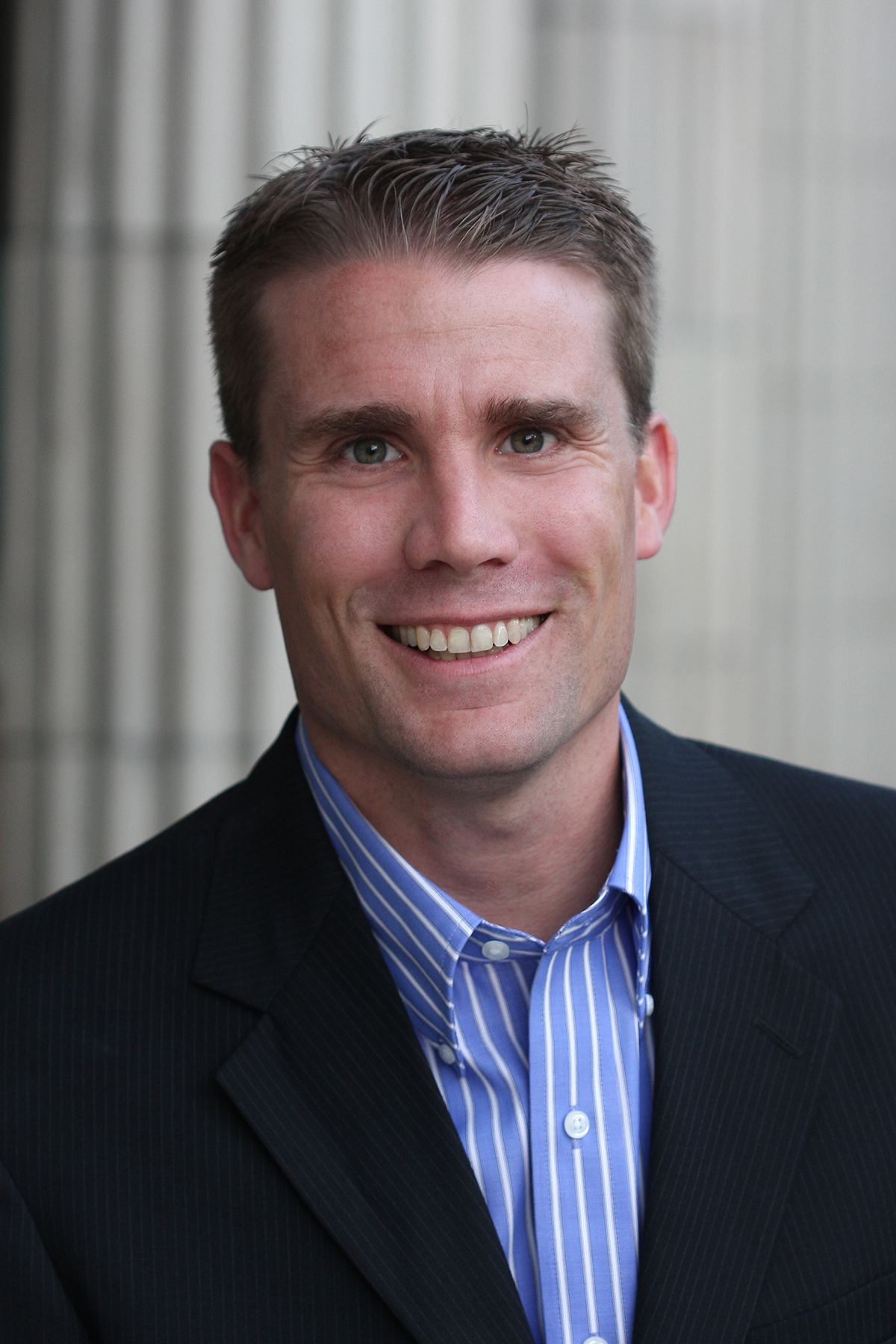
McGuire.
“Josh Newman is universally liked no matter if you’re a Democrat or Republican,” McGuire said. “People love Josh Newman.”
Asked what he thinks will happen if AFSCME 3299 goes to Senate Democrats with its hand out this year, outgoing Democratic Sen. Bill Dodd of Napa replied: “I hope they bite it off.”Another departing Democrat, Sen. Steve Glazer of Orinda, called AFSCME’s tactics “political terrorism.”
Part of Democrats’ frustration is that Newman is an especially vulnerable candidate. Democrats have a narrow three-point edge in voter registration in the district. In 2018, Newman was recalled from office with 58.1% of voters choosing to oust him. He regained his seat two years later with a slim 51.3% victory.
And it’s not as if Newman regularly sides against the union in policy disputes. Newman has aligned with AFSCME and its local unions with their positions on bills 96% of the time, according to Digital Democracy.
Other unions stepped up to help Newman in the race, helping him gain a fundraising advantage over Choi of $6 million. Choi raised just $856,000.
AFSCME didn’t give any money directly to Choi’s campaign. Instead, the money it spent to oppose Newman was directed to an independent expenditure committee. Under state and federal election rules, organizations not affiliated with a candidate can spend unlimited amounts of money supporting or opposing candidates through advertisements and other tactics to try to sway voters as long as the actions are not coordinated with the candidate’s campaign.
In highly competitive races, well-timed ads can be the “straw that broke the camel’s back,” said election analyst Paul Mitchell.
“Legitimately, those campaign expenditures can make the difference,” he said.
Choi told CalMatters that AFSCME’s negative ads might have nudged at least a few voters toward him.“I don’t know how effective those negative ads might have been against him,” Choi said. “But… I’m sure that helped probably a little for me.”
Newman told CalMatters that whether he wins or loses, he hoped Democrats would remember AFSCME’s “scorched-earth tactics” when the union comes asking them for favors.
“I would hope that the Democratic caucus in both houses and leadership in both houses would take this fully into account when it comes to dealing with AFSCME 3299,” he said.
While critical of the union, McGuire didn’t say he’d shoot down its legislative demands.
“Legislation is considered on its policy and fiscal merits,” he said. A spokesperson for Democratic Assembly Speaker Robert Rivas declined to comment.
Assemblymember Gregg Hart, a Santa Barbara Democrat, also stopped short of saying whether the union’s tactics would factor into his decisions, but he said he’s certainly been paying attention to the attacks on Newman.
“It’s super hardball,” Hart said. “And people get hurt in hardball.”
###
CalMatters data reporter Jeremia Kimelman contributed to this story.
CalMatters.org is a nonprofit, nonpartisan media venture explaining California policies and politics.
OBITUARY: Dennis Lee Sherman III, 1992-2024
LoCO Staff / Wednesday, Nov. 13, 2024 @ 6:56 a.m. / Obits

Dennis
Lee Sherman III
was born January 5, 1992 in Eureka. He
passed away October 27, 2024 in Hoopa. Dennis went on before us.
Dennis was a great person, joyful, kindhearted and you always could expect a big smile when you saw him. He made you happy just to be around! He was a loving father and a great son.
He was a firefighter. He enjoyed his job working hard at the fire station traveling from state to state and received several awards and certificates.
Dennis was survived by his mom, Laura Biondini, and his dad Dennis Sherman and Brandon Biondini, children Dennis Sherman the fourth, Abigail and Analeise (Anna). Den had no siblings although Teresa Kathleen, Alicia, Brittany, Seeley, Tucker, Destiny, May Dawnetta, Toonz, Sabrina, Aubrey and several other cousins. e was the big brother especially to Zoey, Mann and Landon who later came into his life. His good friend Kiaunna Ferris who gave him a smile mom has not seen in a while.
Many family knew him as DenDen, and his nickname stuck to him throughout his life he grew up playing football and loved playing basketball especially just to shoot around with the little ones. Eeling was one of his favorite things to do with his friends. Dennis was full of spirit and goofy. You could always expect him to go out of his way to say hello, give you a hug or tell you about his children. He would surprise you with a visit or just show up at the family event, you would hear “DenDen’s here, what?” and turn around and there he was, smiling so big. He was the light of the family and had a heart of gold. Being the only child he gave his mom everything and made sure she was taken care of. They were best friends. She was his world. Family was everything to him.
Dennis loved beyond, and that even showed with his brothers at the Hoopa Fire Department. The family would like to thank those brothers for being by his side and helping him build a career and having the family bond he had with each and everyone of you. Den was loved beyond by everyone who crossed his path. Our loving son, brother, nephew, cousin will be forever remembered and missed especially the smile he shared.
He is preceded in death by his Grandma Kathleen Sherman (Peters), Grandma Charlene Fiester-Markussen (Nana) and Grandpa Dennis Sherman, Uncle’s, Aunties and lots of cousins. Dennis has surviving uncles Robert Wilson, Carl Wilson, Johnson, Joseph Sherman , Anthony Peters, Mark Denman, Aunties Susie Wilson, Karen Spenser, Brenda Sherman, Bonnie Sherman, Mary Spott — if I forgot you, sorry — along with Grandparents Mary and Jack who supported Den and loved him as their own.
Honorary Pallbearers Micheal George, Dwayne Quella, Eric Amos, Ralph Brown, Jason Jones, Naomi Brown, Rob Roy Latham, Daniel Pratt, Jason Marshall Sr, Tyler Breu, John Leach Jr, Sregon Gabriel, Clinton Hoaglen, Glenn Kiesner, Lester White Jr, Chris Heath, Timothy Blake, Tony Williams, Neil Moon, Wilfred Ferris, Skyler Moiser, Dylan Martinez, Quentin Mosier, Kevin Norton, Andrew Mckinnon. His buddies Adam, JuJu, Howie, Micheal, Kash, Nieko, Houston, Andrew, Robert Hodge.
Dennis’ last ride will begin at 9 a.m. from Ayers Family Cremation — 2620 Jacobs Ave, Eureka — with family and friends to Hoopa, where he will be greeted by his brothers in Willow Creek. A Firefighter Procession will begin and his last call at the Hoopa Fire Department and Office of Emergency Services 11121 HWY 96, Hoopa. Dennis will be buried with family at Young cemetery, Weitchpec.
A Celebration of Life and services will be on Friday, November 15, 2024 at Hoopa Fire Department Hall — Hwy 96, Hoopa. We ask each and everyone to bring a dish and share memories, stories, songs and photos of Den and hold a beautiful celebration as these are the final memories we will have of him. Make it beautiful for his children, parents and family. Chopsie Moon-Horne will be officiating his services. Thank you Eureka Florist and Ayers Family Cremation.
###
The obituary above was submitted on behalf of Dennis Sherman III’s loved ones. The Lost Coast Outpost runs obituaries of Humboldt County residents at no charge. See guidelines here. Email news@lostcoastoutpost.com.
OBITUARY: Travis Lee Standley, 1972-2024
LoCO Staff / Wednesday, Nov. 13, 2024 @ 6:56 a.m. / Obits

It is with profound sadness that we announce the unexpected passing of our beloved Travis Lee Standley, a cherished son, brother and friend. Travis was born on August 7, 1972, in Bemidji, Minnesota, to loving parents Russell Standley and Elena Lerch (Standley). He departed this life on November 1, 2024, at the age of 52, due to heart complications.
Travis spent his formative years hunting deer and pheasants, enjoying adventures with friends and family. He developed a strong bond with his father as he learned the intricacies of driving trucks. His father worked as a truck driver for Tony’s Pizza during Travis’s childhood, which earned him the affectionate nickname “Little Tony.” This nickname reflected his close connection to the trucking world.
In 1983, the Standley family made a significant move from North Dakota to Eureka. It was in the picturesque surroundings of Eureka that Travis grew up alongside his brother Troy and sister Tanya. The three siblings were inseparable and were often lovingly referred to as the “Three T’s,” a testament to their close-knit relationship.
After graduating from Eureka High School in 1990, Travis immersed himself in the local community, taking on various jobs at Grocery Outlet, The Mill Yard, Palco, and eventually Bettendorf Trucking. Ultimately, he found his true calling as a truck driver for Del Reka Distributing, a job that brought him immense joy and fulfillment.
In 2001, destiny led Travis to meet the love of his life, Elizabeth Steele, at a dinner party hosted by his sister. Their connection blossomed into a beautiful relationship, culminating in their marriage in 2004. Together, they built a life in Eureka filled with shared experiences and mutual support, even after their separation in 2010. Despite parting ways, they remained close friends, underscoring the deep bond they shared.
Travis had a true passion for golfing and cherished the time spent on the greens with his brother-in-law Stacey, brother Troy, nephew AJ, and their weekend golf crew at Eureka Golf Course. Golf outings often turned into lively gatherings filled with laughter and camaraderie. He also enjoyed weekends watching his favorite team, the New England Patriots, going to the movies, and shopping with his sister, Tanya.
Family dinners on Sundays were a treasured tradition for Travis. When his dad and stepmom moved to North Dakota, a dear family friend, Tammy Slyvest, graciously stepped in to maintain this tradition. She not only kept the Sunday family dinners alive but also took the time to teach Travis cooking skills, creating lasting memories in the kitchen.
Travis’s infectious smile, sharp humor, and zest for life left a lasting impression on everyone he met. He had a unique talent for making friends easily, fostering deep connections that often turned into extended family. His warm spirit and loving nature will be remembered by all who had the pleasure of knowing him.
Travis is survived by his father, Russell Standley (wife Liz Standley), mother Elena Lerch, brother Troy Standley, sister Tanya Lyons (husband Stacey and step-son Jerome Lyons), nephews Hector Godoy and Anthony Jackson, step-sister Jenny, step-brother Russell, and a very close family friend, Tammy Slyvest. He was preceded in death by his grandparents, Irving and Hannah Standley, and Melvin and Vivian Lerch.
The family expresses heartfelt gratitude to John and Jackie McBeth, Jennifer Perrone, the Del Reka family, Trevor at the Humboldt County Coroner’s office, and Ayers Cremation for their unwavering support during this challenging time. In lieu of flowers, the family kindly requests donations to the Eureka Golf Club in memory of Travis Standley. A celebration of life will take place in the spring of 2025, allowing time for family out of the area to travel to Humboldt.
“Remember 2 Corinthians 5:8: to be absent from the body is to be present with the Lord.”
###
The obituary above was submitted on behalf of Travis Standley’s loved ones. The Lost Coast Outpost runs obituaries of Humboldt County residents at no charge. See guidelines here. Email news@lostcoastoutpost.com.
OBITUARY: Fernando Soares Lourenco, 1930-2024
LoCO Staff / Wednesday, Nov. 13, 2024 @ 6:56 a.m. / Obits

Fernando Soares Lourenco passed away on November 6, 2024, with his son Jorge by his side.
Fernando was the fourth of twelve children born to Amelia and Jose Homem on August
19, 1930, in Terceira, Azores. He always had fond memories of his childhood and recalled
having everything despite having very little. As a young man he worked very hard in the family
field growing the crops that would feed his large brood. This hard work ethic was cultivated at a
very young age and continued throughout his life.
He was drafted as a teenager and served in the Portuguese military. When his service was completed, he was appointed by the American military and began his employment as a driver for American officers. This position was very gratifying, and he took this placement very seriously. He would speak highly of this time and the prestige it carried.
In 1956 he emigrated from the Azores to Rio de Janeiro, Brasil to work at his brother Jose’s butcher shop. Fernando loved being a butcher and he loved Brasil and the opportunities that were obtainable with hard work. During this time, he met the love of his life, Jorlanda, and within no time Fernando was able to purchase his own butcher’s shop. On December 17, 1961, they were married and lived in a small one-bedroom apartment behind the butcher shop. In 1963 they welcomed Jorge. Jorge was the apple of Fernando and Jorlanda’s eye. In 1968, sponsored by his sister Gabriela and brother-in-law Robert Murphy, the family immigrated to the United States, settling in Arcata.
In 1969 Fernando worked at Louisiana-Pacific pulling green chain. Fernando was ambitious and had big dreams to run his own business again. In 1974 they purchased Arcata Creamline Dairy in the Arcata bottoms (now known as Cypress Grove). This was a family-run-business with all hands on deck. Fernando was in charge of milking cows and bottling milk and Jorlanda worked tirelessly bottling milk, cleaning stalls and working the store. Jorge was tasked with making sure the cows were in the stalls to feed and doing whatever else he was directed to do. Fernando made many friends while delivering milk to the local markets (Co-op, Murphy’s, Westwood, Larry’s and Whole Earth Market (on the Plaza).
In 1984 they purchased the Christiansen dairy in McKinleyville, where they continued to produce milk, which they sold to the Humboldt Creamery.
Fernando loved getting together with his family. Beginning in the 1970s he was the catalyst for lively picnics at Pump stations #1 & #4, Korbel, Weott, Moonstone Beach and Benbow Lake. Fernando had a great sense of humor offering adages with wisdom.
Later in life, Fernando and Jorlanda were blessed to care for their nephew Jeffery Homem while his parents worked. Jeffery was like a second son to them, and they delighted in picking him up from school, making him his favorite meals and enjoying weekend sleepovers. In 1997 & 1998 they were blessed with two beautiful grandchildren. Fernando delighted in watching them grow up and was so proud of them as they graduated from college and started their own careers. You could always count on Fernando to express so much pride regarding their accomplishments and achievements.
Fernando will always be remembered as a loving, loyal and devoted husband. He and Jorlanda were dedicated to each other for 63 years. The day he was admitted to the hospital his final act of love was making Jorlanda soup for lunch.
He was preceded in death by his parents, Jose and Amelia Homem; his sisters, Maria Jose De Matos, Maria dos Santos Rafael, Natalia Oliveria, Fatima Borges; his brothers, Manuel Homem, David Homem and Antonio Lourenco; his brother-in-law Robert Murphy and his special nephew Jeffery Homem. He is survived by his wife, Jorlanda; his son Jorge; his grandchildren John “Jake” Lourenco and Cameron Lourenco; his siblings Gabriela Murphy, Jose Homem (Gloria), Durvalina Machado, Avelino Homem (Ana) and brother-in-law John DeMatos; and many nieces, nephews, grand- nieces & grand-nephews and great-nieces & great-nephews.
The family would like to give a heartfelt thank you to all the staff at Redwood Coast PACE for ensuring that Jorlanda and Fernando remained in their home. A special thanks to Merna, who Jorlanda calls a “second mother.”
A recitation of the Rosary will be held at 10:30 a.m. on November 16, 2024, at St. Mary’s Catholic Church in Arcata, with a Mass of Christian burial following. Pallbearers will be; Jorge, Jake and Cameron Lourenco, Amarildo Homem, Larry Murphy, Rich Homem, Frank Oliveira, Anthony Lourenco and George Cavinta. Funeral arrangements by Paul’s Chapel.
###
The obituary above was submitted on behalf of Fernando Lourenco’s loved ones. The Lost Coast Outpost runs obituaries of Humboldt County residents at no charge. See guidelines here. Email news@lostcoastoutpost.com.


