OBITUARY: Christian Leslie Nielsen, 1963-2024
LoCO Staff / Tuesday, May 7, 2024 @ 6:56 a.m. / Obits

Christian Leslie Nielsen was born on April 10, 1963 and passed away suddenly on March 30, 2024 due to influenza. Christian was the oldest son born to Gerald and Rosemary Nielsen of Loleta. We grew up on our family dairy and beef ranch in Loleta and Ferndale where we learned a great work ethic from our father.
Our brother went to Loleta Elementary School and graduated from Fortuna Union High School, Class of 1982. Christian then attended College of the Redwoods and graduated with a degree in drafting. Christian work for over 30 years at the Humboldt County Planning and Building Department.
Christian was an active member of the Ferndale Danish Lodge for 44 years. Our brother enjoyed being an active member of Valhalla No. 11, Brotherhood, the Scandinavian Festival, and various other groups and was very proud of his Danish heritage. He attended and loved to dance at the Scandinavian Festival every year in Ferndale. He met lots of lifelong friends at meetings and conventions he attended through the lodge. After his passing Christian was honored with the “Member of the Year” award at the California and Nevada State convention, an honor we know he would have been very humble by. Our brother was a devout Catholic and attended Sacred Heart Church as well as St Joseph’s Church in Eureka. He had a strong faith and love for God.
Christian is proceeded in death by our parents Gerald and Rosemary Nielsen. He is survived by Ken and Camie Nielsen of Loleta and Jim Nielsen of Fortuna; his nieces and nephews Lisa Nielsen, Sara and Jason Blum, Kayla Lundy, Ashly Maxwell, Gracie and Parker Bryan, Hunter Nielsen, Brady Nielsen; his great-nieces and great-nephews Albert, Walter, Waylon, Hazel, Everlee and his dog Daisy.
We will be holding a celebration of life on May 18 at 1 p.m. at the Ferndale Danish Hall, 430 Ocean Ave, Ferndale. Bring your favorite potluck dish and stories of Christian to share. In lieu of flowers please make donations to Tail Waggers Thrift Shop, 2737 F St Eureka Ca 95501.
###
The obituary above was submitted on behalf of Christian Nielsen’s loved ones. The Lost Coast Outpost runs obituaries of Humboldt County residents at no charge. See guidelines here.
BOOKED
Today: 7 felonies, 18 misdemeanors, 0 infractions
JUDGED
Humboldt County Superior Court Calendar: Today
CHP REPORTS
No current incidents
ELSEWHERE
KINS’s Talk Shop: Talkshop September 1st, 2026 – Aaron “Stu” Salles
EcoNews: “What’s in a Name?”: A Chilling Act of Censorship
EcoNews: The Fix Our Forest Act: Benefit or Bypass
RHBB: Debris Burning Suspension Remains in Effect Despite This Week’s Rain
OBITUARY: James (Jim) Perry St. John, 1943-2024
LoCO Staff / Tuesday, May 7, 2024 @ 6:56 a.m. / Obits

James (Jim) Perry St. John passed away peacefully on March 12, 2024, at his home in Willow Creek, California. Jim was born
September 2, 1943, in Arcata at the old Trinity Hospital — the son of Perry Leroy and Barbara Caroline (Weirup) St. John. Jim was raised in McKinleyville, where he attended
elementary school and later graduated from Arcata High School. He enjoyed gardening, singing, reciting poetry, and building and fixing machinery, especially Oliver tractors.
Jim worked for several Arcata Bottoms ranchers in the hay fields as a teenager. At sixteen, he purchased his first Oliver tractor, going into custom farming. Jim was a well-known machinist throughout Humboldt County. He was the go-to guy if you had a difficult job. Jim took great pride in analyzing and problem-solving a project to make it work. Jim started his machinist career at Humboldt Machine, later moving to Gene’s Machine in Arcata and Redding. Jim married Ella Gleave in 1967. They had two children, Perry and Hiedi. After moving his family to Willow Creek in 1972 he went to work for California Pacific in Hoopa as a Mill Wright. Jim and Ella divorced in 1981. After the divorce was finalized, he opened his own machine shop, J & V Machine during the late 1980s in Arcata. He would later move his business to Willow Creek. He married Virginia (Yarborough) Skaggs in 1993. They lived together happily until her death in 2021.
Jim was preceded in death by his wife Virginia St. John, parents Perry and Barbara St. John, and sister Carole St. John. He is survived by his children Perry (Tammy) St. John of Adin, Calif., Hiedi (Keir) Johnston of Willow Creek and niece Dolly Bott of Kansas City, Kansas, in addition to his two step-children Clifford Mac (Melinda Sue) Skaggs of Leggett, and Tina Skaggs of Estacada, Oregon. He also leaves behind his grandchildren Jeremiah St. John, Jossie (Robert) Cornish, Kyle (Heather) Duncan, Dylan(Joanna) Duncan, Logan (Alice) Johnston, Tess (Patrick) Moran, and Shae (Joshua) McKnight, his step-grandchildren Krystal (Stephen) Wainwright, Timothy Valjean Skaggs, and Gerelyn Jean Skaggs. He is also survived by his ten great-grandchildren Sophie and Shepherd Cornish, Bronc and Rorie Lear, Dixie Long, Keagan and Grayson Duncan, Clyde Johnston, Jasper Ambrose, and Sunny Wainwright.
A celebration of life will be held on May 11, 2024 at 1 p.m. at Willow Creek Veterans Memorial Hall. A potluck lunch will be held following the celebration. We look forward to hearing stories and memories you may have about Jim.
###
The obituary above was submitted on behalf of Jim St. John’s loved ones. The Lost Coast Outpost runs obituaries of Humboldt County residents at no charge. See guidelines here.
OBITUARY: Marvin ‘Ike’ Ganfield Jr., 1945-2024
LoCO Staff / Tuesday, May 7, 2024 @ 6:56 a.m. / Obits

Marvin “Ike” Ganfield Jr., a man known for his love of good company and a friendly chat, passed away on April 7, 2024, in McKinleyville. Born in Oregon in 1945, Ike moved to California at a young age.
Ike was predeceased by his parents, Thelma and Marvin Ganfield Sr., and his in-laws, Otis and Odessa Wright. He joins his brothers David, Roger and Darel Ganfield, and sisters Cheryl and Sharon, in heaven.
An avid outdoorsman, Ike cherished his hunting and fishing trips. He was also a social butterfly, relishing visits with friends and family, and never shy about striking up a conversation with anyone he met. Casinos held a special place in his heart, where he enjoyed mingling and playing the slots.
Ike’s true love was his wife of 53 years, Peggy D. Ganfield. Together, they shared a life filled with love and companionship, surrounded by their many beloved dogs. He is survived by Peggy, his brothers Dennis and Robby, his sister Sandra, and a large extended family of nieces, nephews, great-nieces, and great- nephews.
Ike will be remembered for his warmth, easygoing nature, and love of a good conversation.
###
The obituary above was submitted on behalf of Ike Ganfield Jr.’s loved ones. The Lost Coast Outpost runs obituaries of Humboldt County residents at no charge. See guidelines here.
The County’s General Fund is On Track to Run Out of Money in Less Than Two Years
Ryan Burns / Monday, May 6, 2024 @ 4:57 p.m. / Local Government

Humboldt County Board of Supervisors (from left): Natalie Arroyo, Mike Wilson, Rex Bohn, Steve Madrone and Michelle Bushnell.
###
“Grim.”
That was the blunt assessment of Humboldt County’s budget outlook offered this morning by Deputy County Administrative Officer Jessica Maciel.
She was addressing the Board of Supervisors at a special hearing that kicked off the planning process for the upcoming 2024-25 fiscal year, and while the fiscal picture she painted was indeed dour — to the tune of an estimated $12.4 million deficit for the current fiscal year, which wraps up on June 30 — the reality is not as bad as the $18.4 million deficit projected when the budget was first adopted.
Still, that shortfall represents a loss of nearly a third of the county’s $38.3 million fund balance at the start of the fiscal year. Maciel explained that if the county maintains this structural deficit, and certain costs (like employee salaries) continue to increase at their current rates, then the general fund will run out of money before the end of the 2025-26 fiscal year, which is less than just over two years away.
What would that mean for county departments and the services they provide? Maciel said this kind of fiscal hemorrhaging would require a 20 percent cut in general fund allocations across the board by the time fiscal year 2026-27 rolls around.
“Budget cuts at this level are not attainable without reductions in staffing and services,” she said.
In the current fiscal year, the board implemented a program of voluntary furloughs, separation incentives and a hiring freeze. Those measures should continue to save the county money in the upcoming year, according to Maciel, though she warned, “these alone will not provide enough savings” to balance the budget.
Money could also be saved by reducing staff through attrition and potentially by reorganizing some departments. Staff plans to present some reorganizing options to the board on June 3.
A budget ad hoc committee comprising Fourth District Supervisor Natalie Arroyo and Second District Supervisor Michelle Bushnell recently met with supervisors from each of the county’s 21 departments to brainstorm ways to stanch the bleeding.
“Truly, it was a difficult set of meetings and a very productive set of meetings,” Arroyo reported to her board colleagues.
Bushnell said she looks forward to collaborating with department heads to figure out how to balance the budget in the future, though she said the county is about to head into “a few lean years.”
Following this broad overview, county department heads took turns presenting reports that included accomplishments and challenges over the past year and goals for the future. Roughly half of the county departments delivered their reports today; the remaining departments will present their budget overviews at a follow-up hearing on May 20.
Yana Valachovic, director of the University of California Cooperative Extension in Humboldt and Del Norte counties, offered a rare ray of financial sunshine, saying her department was able to absorb some reduced funding thanks to a fortuitous new hire and some structural changes, so she’s requesting no additional funds for the upcoming fiscal year.
However, Valachovic went on to highlight the destabilizing economic impacts of climate change, including the effects of California’s increasing wildfire risks on the insurance industry.
Humboldt County Assessor Howard LaHaie also had some good news. In recent years, the county’s total assessed property values were going up by about four and a half percent, and in both last fiscal year and this one, the tax roll value has gone up by nearly six percent, he said.
He said his office currently has 27 employees. “And actually when I started in 2008, the assessor’s office had 36 staff so we’ve decreased it quite a bit,” he said. “I think that, in my opinion, 27 is probably the minimum to be able to continue to to produce the required assessments that we’re supposed to do. Anything below that would be detrimental to not only to our office but to the county as a whole.”
The county recently purchased artificial intelligence software called Just Appraised, which reads deeds and automatically enters the data into the county’s property tax database, so the work doesn’t need to be done manually.
At the end of LaHaie’s presentation, First District Supervisor Rex Bohn asked about the potential for A.I. to further streamline operations in the department. He went on to joke that some people “are looking forward to the day [when] there’s five computer screen sitting up here” on the board’s dais.
During his turn, the county’s director of aviation, Cody Roggatz, said Humboldt has seen a 50.6 percent increase in commercial aviation passengers from 2018 to 2023.
“More passengers leads to more parking lot revenue, which is actually our biggest revenue generator for our entire department,” Roggatz said. He noted that his department has completed a series of major capital improvement programs in recent years thanks to funding from the Coronavirus Aid, Relief, and Economic Security Act, aka the CARES Act.
Aside from the Sacramento International Airport and the Santa Rosa Airport, he added, “we have garnered more funding and accomplished more for Humboldt County’s airports than anybody else in Northern California.”
Other county department heads said they’ve experienced significant staffing challenges, including difficulty recruiting and retaining employees. For example, Child Support Services Director Bennett Hoffman said his department has averaged a vacancy rate of 35 percent, and this year it was more like 60 percent among case management workers.
District Attorney Stacey Eads said she’s also having trouble with staffing amid a nationwide shortage of applicants for deputy DA positions.
“We also live, obviously, in a very rural community; we’re very isolated,” Eads said. A number of people who’ve come to work in her department have loved the job and their coworkers but wound up leaving “due to the lack of adequate medical care,” she said.
Other department heads who presented today included Planning and Building Director John Ford, Human Resources Director Zachary O’Hanen and Library Services Director Chris Cooper. Each outlined the challenges they’ve faced this year and the ones they anticipate in the near future.
As noted above, the rest of the county department heads, including Sheriff William Honsal and Public Works Director Tom Mattson, will offer their fiscal presentations to the board two weeks from today.
Over the coming weeks, departments will submit their official budget requests, and the board will be tasked with finalizing a spending plan that preserves as many services as possible while minimizing the structural deficit.
The Cutten Man Shot by Deputies in Critical Incident Nearly Two Weeks Ago Died on Friday, Sheriff’s Office Says
LoCO Staff / Monday, May 6, 2024 @ 3:10 p.m. / Crime

The scene of the shooting. File photo: Andrew Goff.
PREVIOUSLY:
- Deputies Shoot Man Believed to Have Shot Elderly Woman in Cutten This Morning; Fern and Cedar Streets Closed
- Sheriff’s Office Issues Statement on Today’s Shootings in Cutten
###
Press release from the Humboldt County Sheriff’s Office:
On 05/03/2024 at approximately 1520 hours, Kevin Jeffrey Burks (DOB 06/30/1991) succumbed to the injuries he sustained during the critical incident which occurred on 04/25/2024 in the Cutten area of Eureka. More information will be made available once a forensic autopsy is completed, which is anticipated to occur by the end of this week.
This case is still under investigation by the Humboldt County Critical Incident Response Team (CIRT).
Anyone with information about this case or related criminal activity is encouraged to call the Humboldt County Sheriff’s Office at (707) 445-7251 or the Sheriff’s Office Crime Tip line at (707) 268-2539.
320 Members of Cal Poly Humboldt’s Faculty and Staff Call For ‘Immediate Termination’ of President Jackson and his Chief of Staff
LoCO Staff / Monday, May 6, 2024 @ 1:26 p.m. / Activism
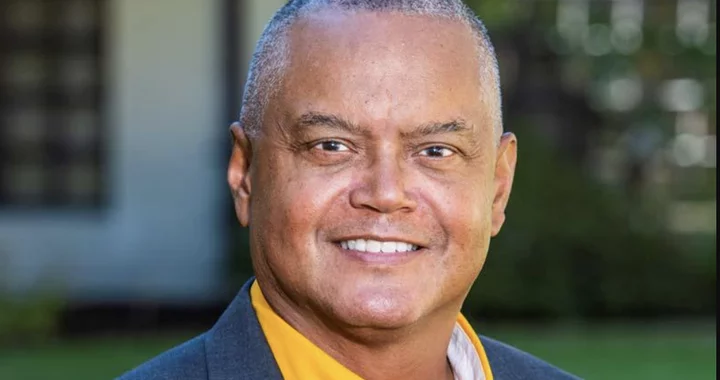
Cal Poly Humboldt President Tom Jackson.
[Ed. note: The following was sent to the Outpost.]
###
A group of staff and faculty drafted this preamble to the letter below, which we are sharing with the media on behalf of 320 staff and faculty members at Cal Poly Humboldt.
On April 29, 2024, we sent the following letter to leaders who have the power to hold President Tom Jackson and Chief of Staff Mark Johnson accountable for unilateral decisions that have significantly hurt all of us: Chancellor Mildred Garcia, Governor Gavin Newsom, and the CSU Board of Trustees. We have not yet heard from any of them. So we now turn to the media to explain our position and to make visible to the Humboldt community and broader public our solidarity on the issue of termination of Jackson and Johnson. The campus cannot move toward any kind of healing with Tom Jackson and Mark Johnson in leadership positions at our university. Their removal are necessary precursors for restoring a safe educational environment for students and community members.
Over its history, our campus has seen a number of building occupations and angry demonstrations by students. Previous actions by students have been handled by the university in a completely different manner than what we just experienced. The violent and fearful response by our administration is unprecedented. It contradicts the myriad of respectful and positive ways that our previous campus leaders engaged with students involved in protests and demonstrations.
From the beginning of the sit-in in Siemens Hall on April 22, 2024, some administrators, faculty, and staff were on the ground working with student protesters through de-escalation, productive dialogue, and non-violent resolution, in line with past practice and precedent. We were committed to keeping all students, including student protestors, from harm. Yet on both April 22 and April 29, President Tom Jackson authorized multiple law enforcement units to arrest student protestors.Without notice, Jackson also authorized a “hard closure” of the University on April 27, prohibiting all students, staff, and faculty from access to campus. HUMBOLDT ALERT messages to employees about the hard closure include the language that “Failure to follow this directive may lead to corrective or disciplinary action, up to and including termination of employment.” The hard closure escalated fear and stress for students and campus employees. It exponentially increased the labor of campus staff, such as facilities managers, grounds people, and information technology resources staff. It has forced faculty to hold office hours on their phones or in their driveways as students scramble to study for finals. Students have not been able to access the library or their work in science labs and art studios. Most crucially, the hard closure made our campus community feel unsafe, and it especially caused worry and confusion for students. Faculty and staff were and still are opposed to the hard closure. It was yet another leadership decision made without consultation of faculty and staff. It remains in place as of this writing.
Faculty and staff don’t agree on everything. As per the 320 signatories below, what we do agree on is that Tom Jackson and Mark Johnson have demonstrated that they do not align with our values and repeated calls for peaceful resolution, and they should not be engaged in any additional decisions regarding the situation on campus. Their decisions only created unsafe conditions for all of our students. Our demand for immediate termination of Tom Jackson and Mark Johnson is only one of our current priorities in regard to all of the work we have in front of us. It marks a shared commitment of 320 staff and faculty, and it represents what we believe is the consensus of the university community.
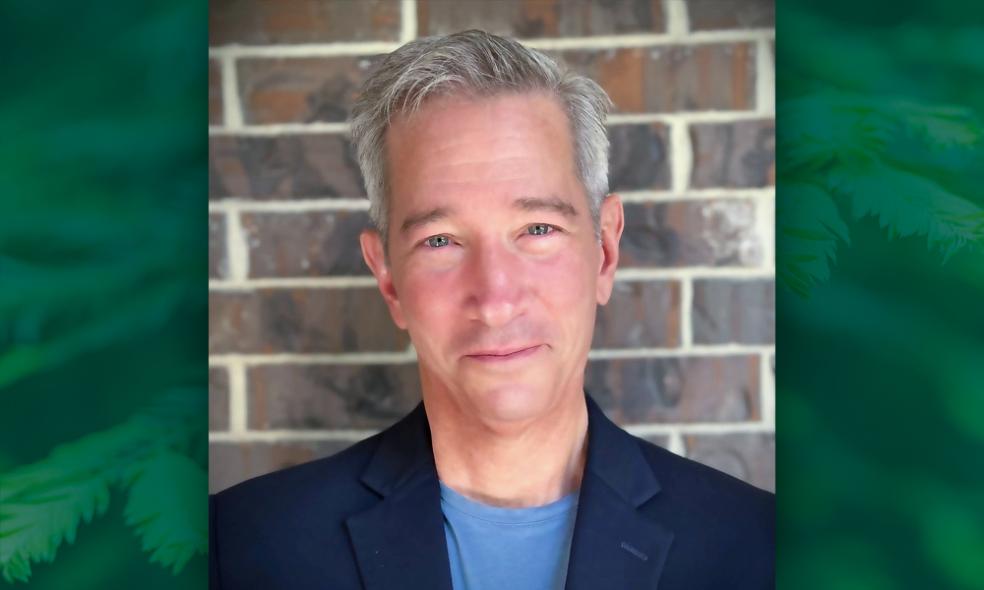
Mark Johnson, Jackson’s “chief of staff.”
###
We, the faculty and staff of Cal Poly Humboldt, urgently demand the immediate removal and termination of President Tom Jackson and Chief of Staff Mark A. Johnson from their positions at our institution. Their repeatedly extreme and reckless actions in response to recent campus protests have systematically endangered students, staff, and faculty, undermined theprinciples of shared governance, and shattered any remaining trust in their leadership.
President Jackson and Chief of Staff Johnson’s decision to deploy law enforcement against student demonstrators on April 22, 2024 resulted in direct physical harm to members of our campus community. The President’s decisions to bring in law enforcement, before even attempting to communicate with student protestors, followed by the “hard campus closure” on April 27, 2024 has intensified rather than de-escalated the situation. The president has not communicated with members of the campus community, including faculty and staff, at any point since April 22. Jackson and Johnson’s permission for excessive use of police force, coupled with a complete absence of consultation with us, and Jackson’s repeated avoidance of communication and visible leadership since his hire, demonstrate a disregard for the safety of our students, disrespect for faculty and staff, and an alarming lack of understanding of our campus culture.
Furthermore, the administration’s persistent lack of transparency throughout this crisis has eroded our ability to function as a collaborative academic institution. Decisions affecting the entire university have been made without any input from shared governance bodies. This unilateral approach renders meaningful dialogue and problem-solving impossible.
The faculty’s overwhelming vote of no-confidence in President Jackson on April 25th underscores the gravity of this situation. Vote tally out of 203 present voters was 193 affirmative; 3 nos, and 7 abstentions. We have lost faith in President Jackson and Chief of Staff Johnson’s ability to lead Cal Poly Humboldt with integrity, foresight, or concern for the well-being of our learning community.
We demand President Tom Jackson and Chief of Staff Mark Johnson’s immediate removal to restore the principles of shared governance, transparency, and accountability that are essential for Cal Poly Humboldt and the California State University system to thrive.
###
1. James F. Woglom, Chair of the University Senate and General Faculty
President, Co-Chair of the School of Education
2. Monty Mola, Immediate Past General Faculty President & University
Senate Chair, Chair of the Department of Physics and Astronomy,
3. Mary Virnoche, ASCSU Senator, Past General Faculty President &
University Senate Chair, Professor of Sociology
4. Stephanie Burkhalter, ASCSU Senator, Past General Faculty President &
University Senate Chair, Professor of Sociology, Professor, Politics
5. Timothy Miller, Vice Chair of University Senate Chair of Faculty Affairs
Committee, Librarian
6. Nicole Jean Hill, Faculty Senator, Chair and Professor of Art, Department
of Art & Film
7. Christopher W. Harmon, Faculty Senator, Department of Chemistry and
Biochemistry
8. Shelbi Schroeder, Faculty Senator, Art and Film,
9. Arianna Thobaben, Faculty Senator, Learning Center, School of
Education
10.Kimberly Stelter,, Faculty Senator, Librarian, University Library
11.Marissa Ramsier, Faculty Senator, Professor and Chair of
Anthropology
12.Jim Graham, Faculty Senator, Environmental Science & Management13.Ara Pachmayer, Faculty Senator, School of Applied Health
14.Rouhollah Aghasaleh, Faculty Senator, School of Education
15.Frank Cappuccio, Faculty Senator, Dept of Chemistry & Biochemistry,
Biological Sciences
16.Lisa Tremain, Associate Professor and Chair of English, Chair of
Philosophy
17.Tani Sebro, Associate Professor, Politics
18.Gabi Kirk, Assistant Professor, Geography, Environment, and Spatial
Analysis
19.Holland Heese, Lecturer, Mathematics
20.Christina Hsu Accomando, Professor, Critical Race, Gender &
Sexuality Studies & Education and English
21.Sarah Ray, Chair, Environmental Studies
22.Dawn Goley, Biological Sciences
23.Prof. Marschke, History
24.Cindy Moyer, Chair , Dance, Music, and Theatre
25.Howard Benjamin Shaeffer, Philosophy
26.L. Rae Robison, Theatre
27.George Wrenn, Librarian, University Library28.Maria Bartlett, Professor Emerita, Social Work
29.Bonnie Ludka, Assistant Professor, School of Engineering
30.Andrea Delgado, Faculty, Department of English, Cal Poly Humboldt
31.Torisha Khonach, PhD, lecturer and alumni, Sociology
32.Kerry Marsden, English
33.Dr. Roberto Mónico, Critical Race, Gender & Sexuality Studies
34.Marcos Hernandez, Lecturer, English
35.Nicolette Amann, Cal Poly Humboldt
36.María Corral Rocha, Lecturer, Critical Race, Gender & Sexuality
Studies
37.Janaee’ N. Sykes - Academic Advisor
38.Dominic Corva, Director of Cannabis Studies, Department of
Sociology
39.Sarita Ray Chaudhury, PhD, Cal Poly Humboldt
40.Savannah Carpenter CAHSS Staff
41.Caglar Dolek, Assistant Professor, Department of Sociology
42.Abigail Smithson, Lecturer, Art+Film
43.Jennifer L. Eichstedt, Professor, Sociology44.Eliseo Casiano, Art + Film
45.Marianne Ahokas, English
46.Janet Winston, Professor, English
47.Julie Alderson, Professor, Department of Art + Film
48.Tristan Gleason, School of Education
49.Nate Swenson, Forest, Fire, & Rangeland Management, Lecturer
50.Jennifer Brown, English
51.Dave Woody, Art + Film
52.Alyssa Semerdjian, Biological Sciences
53.Heal McKnight, Lecturer, Dept. of English
54.Jocelyne Takatsuno, Sponsored Programs Foundation
55.Julie Slater North, Faculty, Social Work Department
56.Qualla Jo Ketchum, Assistant Professor, School of Engineering
57.Mary Glenn, Professor, Anthropology
58.Stacey Salinas, Critical Race, Gender & Sexuality Studies and
Education, Ethnic Studies
59.Rob Keever, Dean of Students Office60.Carly Slade, Assistant Professor, Art + Film
61.Dave Jannetta, Assistant Professor, Art + Film, Film Program Lead
62.Nicola Waugh, Art + Film
63.Stephen Nachtigall, Art + Film
64.Noah Zerbe, Professor, Politics
65.Frank Fogarty, Assistant Professor, Department of Wildlife
66.Tyler Hooker IST-II Physics & Astronomy
67.Katie Koscielak, Lecturer ENST & GEOG
68.Pamela Brown Professor Emerita
69.Danielle Cenotti, Community Relations Support Assistant
70.Gillian Black, Academic and Career Advising
71.Lindsay Kessner Art + Film
72.Erin M. Sullivan, Lecturer, Department of English
73.Cara Peters, Sponsored Programs Foundation
74.Sondra Schwetman, Associate Professor, Art +Film
75.Tanner Hooven, Lecturer, Department of Physics and Astronomy
76.Amanda Dinscore, Library77.Angela Turner, Sponsored Programs Foundation
78.Cinthya Ammerman, Assistant Professor NAS
79.Russell “Carlos” Gaskell, Department of World Languages and
Cultures – Spanish Program
80.Roxann Schroeder, Lecturer, Biology and ESM
81.Mary Scoggin, Professor, Anthropology
82.Brianne Hagen, CPH Librarian Faculty
83.Grace Coleman ASC II School of Business
84.Joshua Smith, Chair of Chemistry & Biochemistry
85.Daniel Barton, Chair and Associate Professor, Department of Wildlife
86.Sharon Tuttle, Professor, Computer Science
87.Guy Aronoff, Emeritus Instructor Humboldt
88.Nicole Kita, Lecturer, Art + Film
89.Shannon Rocha, Engineering Professional Experiences Coordinator
90.Sintana Vergara, Associate Professor, Environmental Resources
Engineering
91.Tyler J. Evans, Professor of Mathematics
92.Llyn Smith, Professor Emeritus Anthropology93.Mat Whiteley - Lecturer, Art and Film
94.Paul Michael L. Atienza, Critical Race, Gender & Sexuality Studies and
Education
95.Hallie Lepphaille, Program Coordinator & Academic Advisor, School
of Education
96.Michihiro Sugata, Associate Professor, Sociology
97.Sara Hart, Lecturer and Program Leader, Religious Studies
98.Jocelyn Heaney English Dept.
99.Edward Carpenter, EOP/Student Support Services
100. Leslie WS Rodelander, Sponsored Programs Foundation
101. Brianne Lee, Greenhouse Collections Manager
102. Jeremy Nichols, Administrative Coordinator, Native American
Studies/Critical Race, Gender & Sexuality Studies and Education
103. Kate Foley-Beining, World Languages and Cultures
104. Kerry M. Byrne, Associate Professor, Environmental Science and
Management
105. Marilyn Koch, Lecturer, Art + Film
106. Carisse Geronimo, Schatz Energy Research Center
107. Ryder Dschida, History Education, Cal Poly Humboldt108. Richard N Brown, Faculty in Wildlife
109. Anthony Silvaggio, Sociology
110. Stefanie Israel de Souza, Assistant Professor, Sociology
111. Elizabeth A.Eschenbach, Professor and Program Lead of
Environmental Resources Engineering, School of Engineering
112. Isaac Torres, Critical Race, Gender & Sexuality Studies and Education
Lecturer & Academic Advisor
113. Justin Egan, Lecturer, English.
114. Jean Pfaelzer, Affiliated Professor of History
115. Susan Morrison - Biology stockroom manager
116. Dan Aldag, Music
117. Dr. Laura Johnson, Geography, Environment, and Spatial Analysis
118. Emily West, Lecturer, Dept of Physics and Astronomy
119. Julie Raich Dieme, World Languages & Cultures
120. Maral N. Attallah, Distinguished Lecturer, Dept. of Critical Race,
Gender & Sexuality Studies
121. Robert Cliver, Professor of History, Cal Poly Humboldt
122. Christiana Frye Sponsored Program Foundation
123. Tessa Head, Lecturer, English124. Mark Wilson. Biological Sciences
125. Mark Castro, Lecturer Anthropology; Cultural Resources Facility
126. JM Black, Wildlife Professor
127. Nina Misch, Lecturer, Department of Social Work
128. Gary Lewis, Music
129. Daniel Busch, Research associate, Cultural Resources Facility
130. Maghan Maberry Cultural Resources Facility
131. Edward Brenneman, lecturer Chemistry
132. Elizabeth Rivera, Dance Faculty
133. John Chernoff, Music Department
134. Allison Bronson, Biological Sciences
135. JoAnne Berke, Professor Emerita
136. Awbrey Yost, Lecturer, Environmental Science & Management
137. Gina Tuzzi, Art and Film
138. Taylor Picard, Lecturer and Research Associate, Department of
Anthropology Cultural Resources Facility
139. Su Karl, Learning Center140. M. E. Stone, Gallery Assistant
141. Romi Hitchcock Tinseth, Communication
142. Natalie Giannini, English
143. Whitney Ogle - Associate Professor School of Applied Health
144. Erik Jules, Department of Biological Sciences
145. Jennifer Trowbridge, Lecturer, Department of Dance, Music, and
Theatre
146. Dr. Renée M. Byrd, Associate Professor of English
147. Dylan McClure, Lecturer, Social Work
148. Rosemary Sherriff, Professor, Department of Geography, Environment
& Spatial Analysis
149. Robin Bencie, Biological Sciences
150. Henry Solares, Staff Member, RAMP
151. Carly Marino, Librarian
152. Christopher Cox, Music
153. Kaz Wegmuller, Sponsored Programs Foundation
154. Brandice Guerra, Art + Film
155. Catalina Cuellar-Gempeler, Biological Sciences156. Gayle Olson-Raymer, Emerita, Department of History
157. Yvonne Doble, Social Work
158. Daniela Mineva, Professor Music
159. Celesté Tamayo, Post-Master’s Resident, Counseling & Psychological
Services
160. Sharyn Marks, Professor, Biological Sciences
161. Kelda Quintana, Academic Advisor, Academic Advising Center
162. Austin Roberts, Lecturer, Religious Studies
163. Jack Murphy, Lecturer, Dept. of Environmental Science and
Management
164. Meridith Oram, Academic Advisor
165. Dane Oppenborn, Program Support Specialist College of Extended
Education and Global Engagement
166. Dakota Hamilton, Professor Emerita, Department of History
167. Alison Holmes, Professor Politics & International Studies
168. Joan Eleanor Trejo - Cal Poly Humboldt, Geography
169. Tielor Stanger-Lopez, Research Associate with Cultural Resources
Facility
170. Paul Bourdeau, Biological Sciences171. Amy Rock, Geography, Environment, and Spatial Analysis
172. Paul Geck, Lecturer, Dept. of History
173. Elias Pence, Equal Opportunity Program/Student Support Services
Advisor/Critical Race, Gender & Sexuality Studies and Education
Instructor
174. Zedekiah Minkin, Cultural Resources Facility
175. Andrea Alstone, Facilities Management
176. Stephanie Corigliano, PhD, Lecturer, Religious Studies
177. Emily Jones, Biological Sciences
178. Glenn Tinseth, Cal Poly Humboldt Chemistry Lecturer
179. Kelly Fortner, Staff Member, Center for Community Based Learning
180. Emily Lavrador, Lecturer, English
181. Seth Bradley - Research Analyst (IRAR), Alum (Politics), Grad Student
(Sociology)
182. Alejandro Torres, CAPS Staff Psychotherapist
183. Nassie Danesh, Staff Psychotherapist, Counseling & Psychological
Services
184. Ian Guerrero, Schatz Energy Research Center
185. Gema Quiroz Torres, Staff186. Maritza Herrera, Staff
187. Antonio Barillas, Staff Psychotherapist, CAPS
188. Carrie Walpole, Lecturer, Dance, Music, and Theatre
189. Shannon Rocha, Engineering Professional Experiences Coordinator
190. Sarah Ben-Zvi, English Department Lecturer
191. Maxwell Schnurer, Ph.D., Professor and chair of Communication
192. Nicola Walters, Lecturer, Cal Poly Humboldt
193. Joice Chang, Professor and Chair, Department of Politics
194. Libbi Miller, School of Education
195. Annika Bäckström, Music
196. Rachael Wade, Assistant Professor, Dept of Biological Sciences
197. Laura Levy, Associate Professor, Geology
198. Betsy Rogers, Academic Advisor, College of Extended Education and
Global Engagement
199. Erica Ashby, Case Manager, Student Health & Wellbeing Services
200. Melanie Michalak, Associate Professor, Geology Department
201. Kelsi Guerrero, Lecturer Psychology Department
202. Xelha Puc, Staff203. Sara K. Sterner, Assistant Professor, School of Education
204. Enrique Guerrero, Visiting Professor, Department of Physics &
Astronomy
205. Kaitlin Reed, Assistant Professor, Native American Studies
206. Laura Levy, Associate Professor, Geology
207. Jacqueline Mayrand, LMFT, CAPS Clinical Coordinator and Counselor
Faculty
208. Matthew Dean, World Languages & Cultures
209. Kevin Fingerman, Associate Professor, Environmental Science &
Management
210. Jacky Baughman, Assistant Professor, Geology
211. Dr. Michelle Cartier - Art & Film | TRiO Educational Talent Search
212. Virginia Ryder, Music
213. Binta Wright, Sponsored Programs Foundation
214. Elwira Salata, lecturer
215. Stacy Becker - Center for Community Based Learning
216. Amber M. Gaffney, Associate Professor of Social Psychology
217. Howard Kaufman, Lecturer , Dance, Music, and Theatre218. Lisa Turay, Staff Psychotherapist and Training Coordinator, CAPS
219. Nicholas Perdue - Associate Professor, Geography Environment &
Spatial Analysis
220. Christopher M Steenbock, Faculty, Biological Sciences
221. Jennifer L. Oliphant, Psychology
222. Benjamin Anjewierden, Lecturer, Department of Psychology
223. Amanda Hahn, Associate Professor, Psychology
224. Linda Maxwell - Dance Faculty, Dance and Theatre Program Leader
225. Taylor Bloedon, Associate Professor, School of Applied Health
226. Colin Wingfield, Technician, School of Engineering
227. Alexandru Tomescu, Professor, Department of Biological Sciences
228. Josh Meisel, Professor of Sociology
229. Stefani Brandt, Biological Sciences
230. Michael Fabian, Lecturer, Dance, Music, and Theatre
231. Krista Pomeroy, Administrative Support
232. Brandilynn Villarreal, Associate Professor of Psychology
233. Gabriel Goff, Lecturer, Forestry Department
234. Tony Wallin-Sato, Dept. of Critical Race, Gender & Sexuality Studies235. Sarah Lasley, Art + Film
236. Erika Demers, Staff Psychotherapist, Counseling and Psychological
Services
237. Stephanie Souter, Lecturer Psychology
238. David Tuttle, Lecturer in Computer Science
239. Stephen C. Sillett, Department of Forestry, Fire, and Rangeland
Management
240. Kyleigh Brine, Dance, Music & Theatre
241. Ben Kovitz, Assistant Professor, Computer Science
242. Yoon G Kim, Professor, Dept. of Mathematics
243. Darren Ward, Professor, Fisheries
244. Jose R. Marin Jarrin, Department of Fisheries Biology
245. Hyun-Kyung You, Child Development
246. Garrick Woods, Music Department
247. Garrett Purchio, Librarian, University Library
248. Barbara Goldberg, Emerita Lecturer English
249. Jeff Kane Forestry, Fire, and Rangeland Management
250. Matthew J. Koelling Institutional Research, Analytics, and Reporting251. Kyle Morgan, Librarian
252. Jennifer Marlow, Assistant Professor, Department of Environmental
Science and Management
253. Tim Payer, Lecturer, Math Department
254. Toby Walker, Information Technology Services Staff and Alumni
255. Aaron Donaldson, Communication Studies
256. Beth Wilson, Department of Economics
257. Iván González-Soto, Lecturer, Department of Environmental Studies
258. Christine Cass, Chair and Associate Professor, Oceanography
259. Edwin Espinoza, Information Technology Consultant, ITS
260. Joseph M. Szewczak, Professor, Dept of Biological Sciences
261. Nancy Perez, Assistant Professor, Critical Race, Gender & Sexuality
Studies
262. Marie Antoine, Department of Forestry, Fire, & Rangeland
Management
263. Jill Anderson, School of Applied Health
264. Sonja Manor, Mathematics
265. Kate Lancaster, Faculty Emerita and Lecturer, School of Business266. Christina Martinek, Lecturer, Sociology Department
267. John Chandler, Philosophy
268. David Franklin, Schatz Energy Research Center
269. Azure Pellegrino, Lecturer, Psychology
270. Melea Smith, Youth Educational Services
271. Jo Archibald, Assistant Professor, Environmental Resources
Engineering
272. Mari Sanchez, Associate Professor, Psychology
273. Claire Till, Associate Professor of Chemistry
274. Peter Goetz, Professor, Department of Mathematics
275. Jeffrey Frederick, Lecturer, Psychology
276. Dr. Heather Ballinger, School of Education
277. John Reiss, Professor, Biological Sciences
278. Oscar M Vargas-Hernandez, Assistant Professor, Herbarium Director,
Department of Biological Sciences
279. Jen Petullo, Lecturer, Psychology
280. Kevin Colando, Academic Analyst, Nursing/Psychology
281. Justin Luong, Department of Forestry, Fire, and Rangeland
Management282. Ramesh Adhikari, Faculty, School of Business
283. Jen Maguire, Professor of Social Work
284. Dove Byrne, School of Business
285. Marlette Grant-Jackson - ITEPP Native American Center
286. Jacqueline Silva, Lecturer, Dance, Music, and Theatre
287. Mira Friedman, Lead for Health Education and Clinic Support
288. Professor Berrill, Dept of Forestry, Fire and Rangeland Mgmt
289. Kayla Begay, Chair, Native American Studies
290. Sean Craig, Biological Sciences
291. C.D. Hoyle, Professor, Department of Physics and Astronomy
292. Pia Gabriel, Sponsored Programs Foundation
293. Matt Johnson, Dept of Wildlife
294. Sarah Peters Gonzalez, Academic Advising & Lecturer
295. Alison O’Dowd, Environmental Science & Management
296. Jennie Brown, Clinic RN II, Student Health & Wellbeing Services
297. Julia Kandus, Psychology Department Lecturer
298. Corrina Wells, Critical Race, Gender & Sexuality Studies andEducation
299. Marie Stoll, Lecturer. World Languages and Cultures
300. Joseph Dieme, Professor, World Languages and Cultures
301. Eden Donahue, School of Applied Health
302. Sarah Whorf, Professor, Art+Film
303. Deidre Pike, Professor Journalism
304. Benjamin Graham, Associate Professor, Dept. of Psychology
305. Niki Conley, Art Department
306. Scott Paynton, Professor, Communication
307. Jeff Abell Oceanography
308. Amy Lennox, Office of the Registrar
309. Brittany Sheldon, Art + Film Department
310. Dr. Nikola Hobbel, English Education
311. Laura K. Hahn, Professor Emerita
312. Marissa O’Neill Social Work
313. Ines Morales - Center for Community Based Learning
314. Blake Brown, Lecturer, Department of Chemistry & Biochemistry315. Darci Miranda - Staff
316. Erin Kelly, Forestry, Fire, and Rangeland Management
317. Shalom Fletcher - Center for Community Based Learning
318. Ross Mackinney, Lecturer
319. Elena Padrón, Associate Professor of Psychology
320. Gino Pitino, Center for Community Based Learning
Early Morning Myrtletown House Fire Claims Litter of Puppies; Cause Still Under Investigation, Humboldt Bay Fire Says
LoCO Staff / Monday, May 6, 2024 @ 11:18 a.m. / Fire

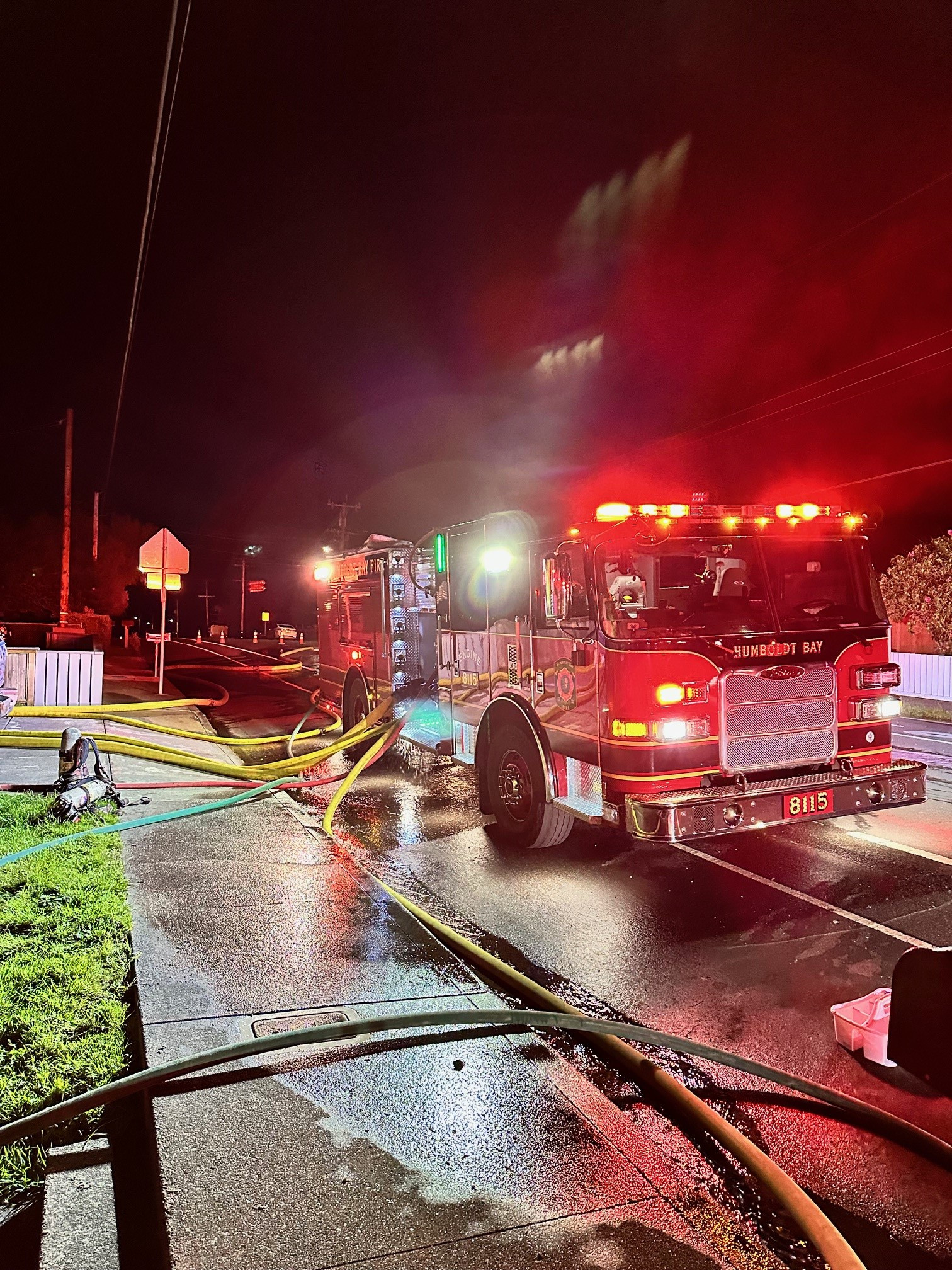
Photos: Humboldt Bay Fire.
Press release from Humboldt Bay Fire:
Early on the morning of Monday, May 6 at approximately 2:30am Humboldt Bay Fire responded to a reported house on fire in the 3300 block of Park Street in Eureka. HBF responded with three engines, one ladder truck, and one Chief Officer. The fourth engine that would normally respond as part of a first alarm was on another emergency response. Additionally, one volunteer Fire Support personnel responded and provided traffic control.
The first arriving unit arrived on scene and reported heavy fire burning in a large two- story single-family residence. As additional units arrived crews quickly went to work to search for trapped occupants, extinguish the fire, and remove smoke from the residence. All six occupants were out of the home upon arrival, but it was reported that several dogs may be trapped in the house.
Due to the size of the fire and the complexity of the home’s design a second alarm was requested, bringing in one additional HBF Chief Officer and fire engines from neighboring departments to help stabilize the incident. The fire was controlled in about 35 minutes and took approximately 3 hours to completely mitigate. After the fire was extinguished HBF investigators began to determine the cause of the fire, which is still under investigation at this time. PG&E responded and removed the utility hazards.
The total estimated property value of the structure saved is $375,000, with fire and smoke damage estimated to be $125,000. There were no civilian or firefighter injuries, but tragically six puppies perished in the fire.
Humboldt Bay Fire would like to thank City Ambulance, Eureka PD, Samoa, Loleta and Arcata Fire for their assistance on this incident, and in providing station coverage. Humboldt Bay Fire would like to remind everyone that smoke alarms can provide early notification of smoke in the residences and should be installed in all living spaces and regularly checked. Additionally, portable space heaters should be monitored as they can be dangerous and should be used in accordance with manufacturer’s specifications.