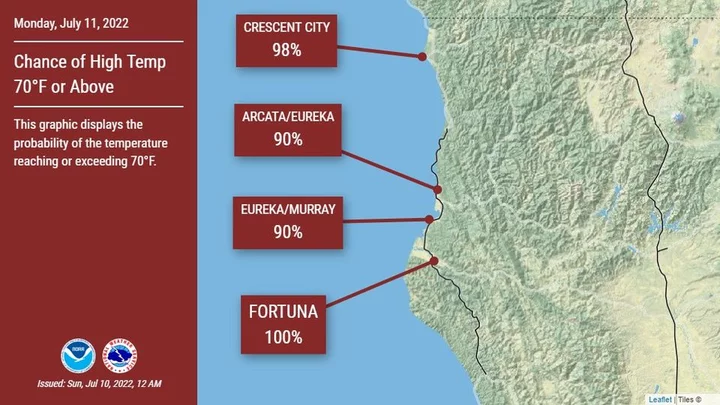
The National Weather Service’s Eureka office has issued a warning for the spell of seasonably pleasant weather that’s forecast to hit the North Coast tomorrow.
Areas of coastal Humboldt, including Eureka and Arcata, have at least a 90 percent chance of seeing temperatures in the 70s. Humboldt’s interior valleys, meanwhile, can expect temperatures above 100 degrees.
“Hot weather is highly probable across all of Northwest California during Monday afternoon,” the NWS stated. “While temperatures warm into the low 100s across interior valleys, highs along the coast are forecast to soar above 70 degrees.”
The NWS is also reminding folks to “take precautions to stay cool, and remember to never leave children or pets behind inside vehicles.”
Stillman is ready to be a councilmember again! | Submitted
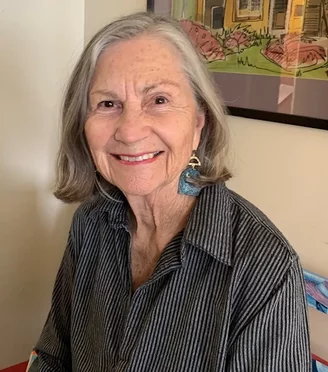
After final election results were confirmed on Friday, it is official that Alex Stillman will again serve on the Arcata City Council and the councilmember will be sworn in during a special meeting on Monday.
Stillman, who was one of six candidates running for the open seat vacated early by previous councilmember Emily Goldstein, garnered more than 40 percent of the vote. This will be Stillman’s third term on the council over the last 50 years. In 1972 Stillman was the first woman to be elected to the Arcata City Council. She again ran and was elected in 2006.
“The first time I was elected I was 32,” Stillman told the Outpost in a phone interview Saturday afternoon. “Now I’m 83.”
Why did 83-year-old Stillman decide to run again? She said, similarly to when she ran in 2006, she felt that things in the city had gotten a little out of order and that she could help get things back on track. “This is a time that we need stability again,” Stillman said.
And Stillman is certainly right that things have been a little off-kilter at Arcata City Hall recently, with tensions running high since Councilmember Brett Watson has been under investigation for sexual harassment against a city employee. Stillman, who will be seated between Watson and Mayor Stacy Atkins-Salazar on the dais, said that she hopes that her presence may help take the burden off the other councilmembers, who have been dealing with Watson’s behavior for too long.
As far as what she hopes to accomplish during this term, which will be up in 2024, Stillman said housing is the most important area for the council to focus on right now. Unfortunately, Stillman might not be able to participate in some upcoming housing-related decisions pertaining to the city’s Gateway Area Plan. At least one property owned by Stillman falls within 500 feet of the Gateway Area, which could be considered a conflict of interest by the Fair Political Practices Commission (Mayor Atkins-Salazar has not been able to participate in Gateway Area Plan discussions for this very reason.)
Now that Stillman has officially been elected, she said, the city attorney has submitted a request for advice to the FPPC. Stillman is not sure when she will hear back about the decision, but she is hopeful that she still may be allowed to participate in Gateway Area Plan decisions.
Despite some of the possible complications and tensions that could come with the job, Stillman said she is very excited to serve on the council again. “I have a lot of expectations placed on me and I just hope I can fill them and get the job done,” she said.
Stillman will be sworn in during a special meeting of the Arcata City Council on Monday, July 11 at 6:00 p.m. at Arcata City Hall – 736 F Street. A closed session meeting to discuss existing litigation will follow.
You can find the full meeting agenda and directions on how to participate here.
The Supreme Court’s recent decision in West Virginia v. EPA not only throws a substantial hurdle ahead of regulating greenhouse gas emissions from coal power plants, it takes a vicious swipe at the entirety of the modern administrative state. Using a new invention—the “major questions doctrine”—the Supreme Court has set up an easy way for conservative judges across the country to invalidate any regulation that a judge finds to be of “vast significance.”
The Supreme Court has been on a bender of recent: reproductive rights (Dobbs v. Jackson Women’s Health Organization), school prayer (Kennedy v. Bremerton School District), tribal sovereignty (Oklahoma v. Castro-Huerta), separation of church and state (Carson v. Makin), gun regulation (New York State Rifle & Pistol Association v. Bruen). All of these controversial decisions were decided by a majority of Republican-appointed judges. This is not a coincidence but the product of a 40+ year movement by conservative activists.
How can environmentalists and progressives restrain the Supreme Court before we lose any more rights and still have a democracy? Listen in to hear more.
Stereotypical depictions of pot smokers, listless underachieving bozos with little motivation and grim prospects for the future, have dominated the cannabis discourse since the early days of prohibition many decades ago.
The reality is something different. Cannabis is used by a diverse group of people worldwide. Whether for medicinal or recreational use or for the purposes of general health and wellness, cannabis consumption is becoming increasingly normalized. With legalization and growing political acceptance around the globe, people no longer need to be ashamed of themselves for using cannabis.
With new and innovative methods of consumption – including multiple non-psychoactive options – it’s time to create a new paradigm with respect to this magical plant.
While still stigmatized in some circles, folks from all walks of life are ‘outing’ themselves as cannabis consumers and I am one of them. I hid my use for years and it seems so stupid in hindsight. Shame and dishonesty are damaging to our psyche and completely out of touch with our national values of freedom, personal responsibility, and self-awareness.
This piece will touch on why people consume cannabis and will shed light on how diverse cannabis really is and how it helps hundreds of millions of users worldwide.
-Medicinal Use-
Cannabis, since early times, was used medicinally. As I described in a previous column, medicinal cannabis use was referenced in ancient texts and was found in Chinese pharmacopeia centuries ago. Our own history with cannabis was similar – it was regularly prescribed for a host of ailments prior to prohibition in the 1930s.
The most well-documented medicinal uses for cannabis relate to nausea relief and appetite stimulation, but a host of studies preliminarily indicate the medicinal properties of cannabis are far broader, encompassing things like Crohn’s, ADHD, Epilepsy, PTSD, and pain management.
In my personal experience, cannabis has been a useful tool in the area of medicine. I suffered from stomach issues as a young man and experienced several periods of intense nausea and cyclical vomiting over the course of two years. My body had an adverse reaction to prescription medications and I found that cannabis, specifically cannabis dry sift was the best treatment for me.
Additionally, after suffering a forceful hip dislocation nine years ago, cannabis use softened the pain somewhat, significantly reduced pain-related nausea, and helped me sleep.
Most recently I was suffering from plantar fasciitis as I spend enormous amounts of time on my feet and average some six miles a day on the farm. I was given a potent cannabis topical from a friend, which I apply twice daily. While I still have a touch of discomfort, my pain was quickly and significantly reduced – much more than expected to be frank. Cannabis topicals are non-psychoactive and do not show up on drug screening exams…a real homerun for anyone suffering from nagging, localized pain.
And while still the subject of considerable debate, some studies indicate cannabis can be useful in slowing or preventing the growth of some cancer cells. Cannabis also shows promise in treating Glaucoma, Irritable Bowel Syndrome, and various neuropathic afflictions.
With legalization, peer-reviewed cannabis research is exploding across the globe. Millions of consumers, like myself, are hopeful that cannabis will one day replace many highly damaging and prohibitively expensive pharmaceuticals, offering a more natural and holistic approach to healing.
-Recreational Use-
Recreational or adult-use cannabis makes up the lion’s share of the California cannabis market. Some people simply use for fun, while others use for enhanced creativity and focus, improved artistic expression, social connectedness, increased stamina, and enhanced sensory experiences.
In my view, cannabis makes everything a bit more fun. Whether playing with the kids, taking a swim at the river, or muddling through household chores, cannabis makes daily life a bit more enjoyable. There is a silly side to cannabis consumption that tends to create inner happiness that draws out enjoyment and laughter. Whether a newcomer to consumption or a seasoned user, this effect tends to persist over time.
As someone who likes writing, cannabis absolutely improves my creativity and flow. Whether storyboarding a concept or writing an initial draft, cannabis taps into the creative side of the brain and allows for improved output and greater depth of thought. Artists often cite cannabis use as inspiration for their work as well. Speaking with musicians, sculptors, painters, and muralists, I have heard time and time again that cannabis helps one get in the zone of creative flow and also makes the process of creating more meaningful and more enjoyable.
Many people use for a social experience. Whether outside the bar or dance club, along the banks of the river, at a consumption lounge, or at a family gathering, cannabis use connects people and is an expression of kindness, relationship, and love. Sharing a joint or a bowl is a unique experience that creates a certain kinship and bond among people. Regardless of background, political views, or upbringing, shared cannabis use creates a commonality that unites and unifies.
Contrary to popular belief, cannabis is increasingly used by athletes to improve performance. Whether for increased stamina, muscle relaxation and repair, or simply for a more immersive experience in the gym or on the court, athletes of all types are advocating for cannabis use. UFC fighters, professional athletes across disciplines, average Joe’s and Joann’s, and everyone in between is recognizing that cannabis use allows one to tap into another side of themselves physically. Professional and collegiate bans on cannabis use are stupid and need to be abolished immediately.
Finally, cannabis is frequently used to enhance sensory experiences. Whether having sex, enjoying a nice meal, watching a sunset, listening to music, or smelling a bouquet of flowers, cannabis awakes the senses and provides a truly visceral appreciation for beautiful things. Sight, smell, and sense of touch are altered by cannabis in a unique and special way. As mentioned, things are more fun when using cannabis. They are more beautiful and more pleasing too!
-Health and Wellness-
Cannabis is increasingly accepted and positioned as a tool for personal health and wellness. While closely related to both medicinal and recreational use, the health and wellness bucket is garnering attention across the space and is a growing focus of producers, manufacturers, and sellers of products.
Issues like relaxation, emotional healing, overcoming social anxiety, stress relief, and harm reduction fall under this umbrella. For me, harm reduction is among the most powerful and most promising.
Many individuals suffer from afflictions like drug and alcohol abuse which are incredibly damaging emotionally and physically. Bottles and pills kill, weed doesn’t. For those suffering from alcoholism or opioid addiction, a carefully tailored cannabis regime can help addicts wean off more damaging substances and restore a life of promise and productivity. Cannabis is increasingly proposed as a harm reduction tool and can help with nausea, relief from cravings, and emotional healing for those coming off of stronger substances. While some advocate for a ‘cold turkey’ approach claiming that cannabis use is nothing more than a psychoactive substitute, my experience living a life of recovery shows the opposite.
Addiction is a mental and physical affliction often resulting from pain, trauma, and mental disorder. To assume that folks can immediately flip the switch and begin living their best life by not picking up isn’t overly realistic. Approximately ten percent of addicts find lasting recovery and I firmly believe that a prescribed cannabis program can drastically improve recovery outcomes. Given that cannabis improves self-awareness, helps one address trauma and emotional stress and helps physically with issues of nausea, sleep, and anxiety relief, it is a perfect tool for helping addicts recover – far superior to pharmaceutical options that increase dependency and exacerbate problems.
While I advocate for medicinal use for people of all ages, including infants and children in extreme situations, cannabis use is most appropriate for those who have reached physical maturity. Whether medicinal, recreational, or for purposes of overall health and wellness, cannabis use is increasingly adopted and accepted as a tool for self-help. And while cannabis can be tainted with harmful chemicals and can be irritating to the lungs when combusted, varied and increasingly diverse methods of consumption make using safer and easier than ever. If so inclined, purchase local, lab-tested, high-quality products from a licensed dispensing facility and embark on your path to wellness and happiness.
Much love,
Jesse
###
Jesse Duncan is a lifelong Humboldt County resident, a father of six, a retired financial advisor, and a full-time commercial cannabis grower. He is also the creator of NorCal Financial and Cannabis Consulting, a no-cost platform that helps small farmers improve their cultivation, business, and financial skills. Please check out his blog at, his Instagram at jesse_duncann, and connect with him on Linkedin.
The following is a press release from the Humboldt County Sheriff’s Office:
The Humboldt County Sheriff’s Office has been made aware of a recent increase of offensive, anti-Semitic materials circulating in our community.
The Sheriff’s Terrorism Liaison Office, in coordination with state and federal law enforcement partners, is investigating the origin of this material and its distribution within our county. Anyone with information relating to the source or distribution of this material is encouraged to make a report utilizing the Sheriff’s Online Crime Tip Form at humboldtsheriff.org/report or contact the Sheriff’s Office Crime Tip Line at (707) 268-2539.
“I would like to thank the numerous members of our community who immediately notified my office upon finding these materials,” Humboldt County Sheriff William Honsal said. “Hate has no place in Humboldt County, and we will not tolerate the use of fear or intimidation to promote a hate-filled political agenda.”
Karuk Natural Resources Department Director Bill Tripp was recently selected to serve on the Biden-Harris administration’s Wildfire Commission. Photo contributed by the Karuk Tribe.
###
The following is a press release from the Karuk Tribe:
Washington, DC – Yesterday, Karuk Tribal member and Natural Resources Department Director Bill Tripp was named to the Biden-Harris Administration’s Wildfire Commission. Tripp learned traditional methods of using fire as a resource management tool from his great grandmother. Now he will be sharing those teachings with a nation gripped by a wildfire crisis.
“Fire is a good thing for the land and the people,” explains Tripp. “Fire is part of the natural ecosystem and the cultural fabric of many tribes.”
For more than a century, the teachings of Bill’s elders were criminalized by state and federal laws. State and federal agencies decided that the solution to wildfires was to put out every fire in the forest from coast to coast.
The idea that agencies could douse every fire was absurd according to Tripp, “You can’t fight fire any more than you can fight an earthquake. You can however learn to work with fire to manage the land and make it healthy.”
Today, science is catching up to Karuk’s understanding of how to manage the land. Agencies from CALFIRE to the US Forest Service are now working with tribes to better understand how fires can be intentionally started at the right time and in the right place to consume the fuels that would otherwise power a megafire mid-summer. Cultural burning and prescribed fires also increase native plant diversity and the health of plants that provide food and fiber such as bear grass and tan oaks. However, Tripp notes, “state and federal agencies still have a lot to learn.”
“The Karuk Tribe is very proud of Bill Tripp. It’s a great honor to have a Karuk Tribal member part of President Biden’s team and we know Bill will help federal agencies develop better strategies to address the wildfire crisis,” said Karuk Chairman Russell ‘Buster’ Attebery.
###
Editor’s note: The press release from the Biden Administration and more information can be found here.
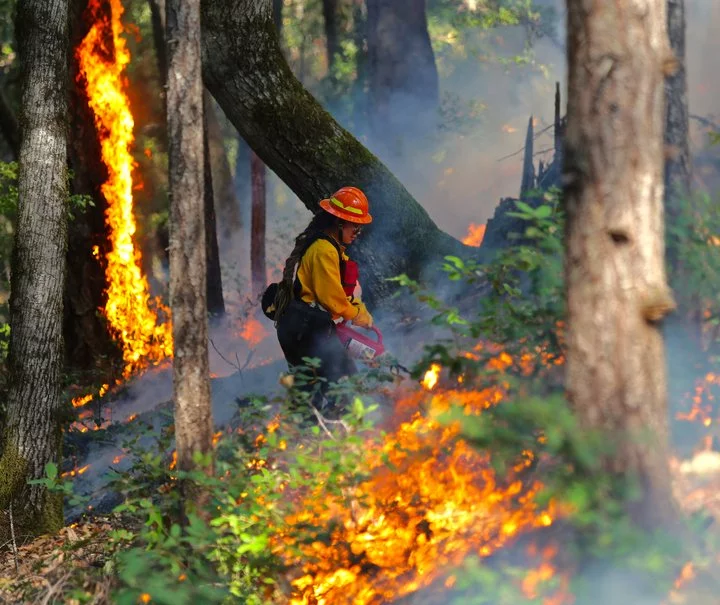
A participant in a 2017 prescribed fire training exchange (TREX) spreads flame to the underbrush during a collaborative effort between the Karuk Tribe and the Mid-Klamath Watershed Council. | Photos by Andrew Goff
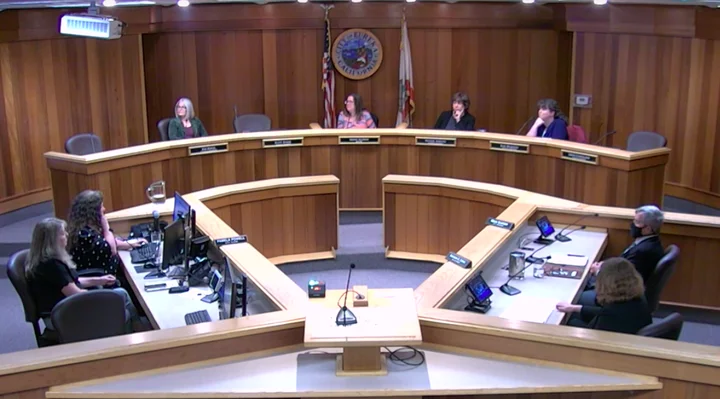
Screenshot of Tuesday’s Eureka City Council meeting.
###
Local cannabis events are on the horizon for social pot smokers after the Eureka City Council approved an update to the City’s cannabis ordinance during this week’s regular meeting. In addition to setting guidelines for temporary cannabis events, the ordinance update simplifies the license structure and removes the cap on new cannabis businesses.
The current ordinance, which the City Council passed just ahead of state legalization in September 2016, set up a legal framework to allow cannabis businesses to operate within the City. In an effort to make Eureka’s ordinance “the best it can be,” as stated in the staff report, City staff drew up a handful of proposed changes to streamline the program.
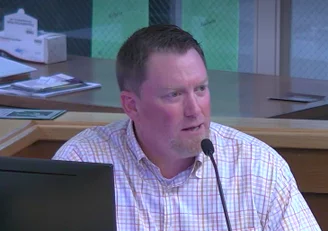
Topolewski
“As our program has progressed, we’ve noticed areas for improvement,” Senior Planner Riley Topolewski said during a presentation to the council. “One of those is streamlining our permit types based on a similarity of uses or impacts. We also want to expand cannabis uses to other similar zoning designations, further the enforcement tools and create a path forward for cannabis events.”
There are about 43 cannabis businesses operating in Eureka to date, some of which hold multiple licenses. Staff’s amendments, in part, would simplify cannabis permit types from 13 to 3: General Cannabis Use, Cannabis Retail and Chemical Cannabis Extraction. Uses would vary among mixed-use, industrial and coastal zoning districts.
The ordinance update would also expand cannabis enforcement tools and allow a more nuanced approach to enforcement. “Currently, the only options are to suspend or revoke licenses, which is kind of heavy-handed so we wanted to sprinkle in some other options,” Topolewski explained. “Some new enforcement tools include notices of violation, administrative citations and other options leading up to the final suspension or relocation.”
Most notably, the update provides guidance for cannabis events that would allow the sale and consumption of cannabis products on-site. Such events would be allowed on the premises of a licensed commercial cannabis business, on private property “without a licensed commercial cannabis use in any nonresidential zoning district” and within a City facility or public property “in any zoning district.”
“A cannabis event would require the approval of a temporary cannabis event permit, would require state approval through the California Department of Cannabis Control (DCC) and, if outdoors, on a city street or other public property, a temporary cannabis event would also require a city-approved special event permit,” Topolewski said, adding that a “temporary event” would last no longer than four days. “There will be a 21 and over requirement for temporary cannabis events. Or, if they are going to be co-located with a special event, they will have strictly enforced areas for sales and consumption.”
Councilmember Kati Moulton asked how cannabis events would differ from other special events with alcohol sales and whether there would be a designated consumption area within an event or if the entire event would have to be fenced off.
It is actually “very different,” Topolewski said, because the state requires cannabis consumption at an event to be completely separate from an adjoining event. “A beer garden is more laissez-faire, you can kind of come and go and kids can be hanging out, but for cannabis you need to be strictly separated and no visibility.”
Councilmember Natalie Arroyo asked how cannabis consumption would be monitored at such events and where accountability would lie for someone who had consumed too much.
“I think it’s challenging with bars and their willingness to cut someone off or take their keys, but I’m wondering if there is a set of best practices for budtenders, especially for temporary events,” she asked. “I would like to find ways to avoid people driving while inebriated. Are there any best practices you’ve encountered when looking at other venues?”
The City would provide the event sponsor with a three-page document that lays out the City’s rules and expectations for on-site consumption at temporary cannabis events, Topolewski said. The City developed the document in 2018 to allow for on-site cannabis consumption at indoor and outdoor smoking lounges.
Arroyo also asked how odor would be mitigated at cannabis events. There aren’t specific standards for odor elimination at an outdoor event, Topolewski explained. “It’s more complaint-driven. We will tell people right off the bat that if we get complaints from your neighbor…you’re going to have to do some improvements.”
The ordinance update would also remove the cap for new cannabis businesses. Currently, retail facilities are licensed differently than other license types. During the last request for proposals (RFP) process, the council directed staff to remove the RFP process “for retail facilities to be licensed like any other license type,” the staff report states.
Councilmember Leslie Castellano said she was not opposed to it, but asked if any local businesses had expressed concern about a potential influx of new cannabis businesses in Eureka.
“I haven’t had anyone reach out in a negative fashion, not that it doesn’t exist,” Topolewski said. “… I’ve had tremendous positive responses from small businesses that realize that the final markup from a distribution to a retail facility can be huge for a struggling business. I’ve had a lot of good feedback in that regard, but I haven’t heard from anyone encouraging the cap to continue.”
The council ultimately voted 4-0, with Councilmember Scott Bauer absent, to approve the cannabis ordinance update.