
OBITUARY: Pamela Ann Lundblade, 1945-2024
LoCO Staff / Saturday, April 13, 2024 @ 6:56 a.m. / Obits
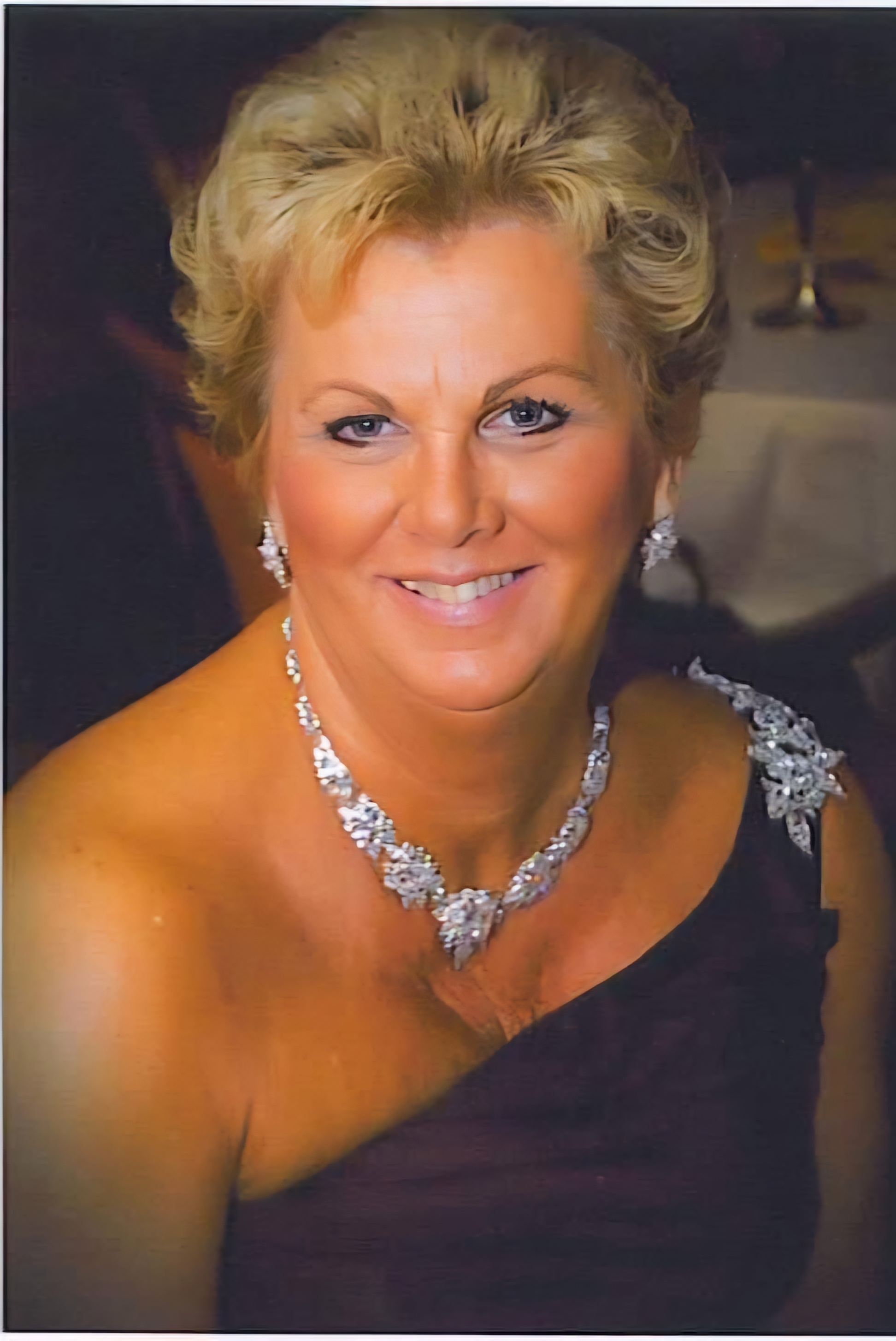
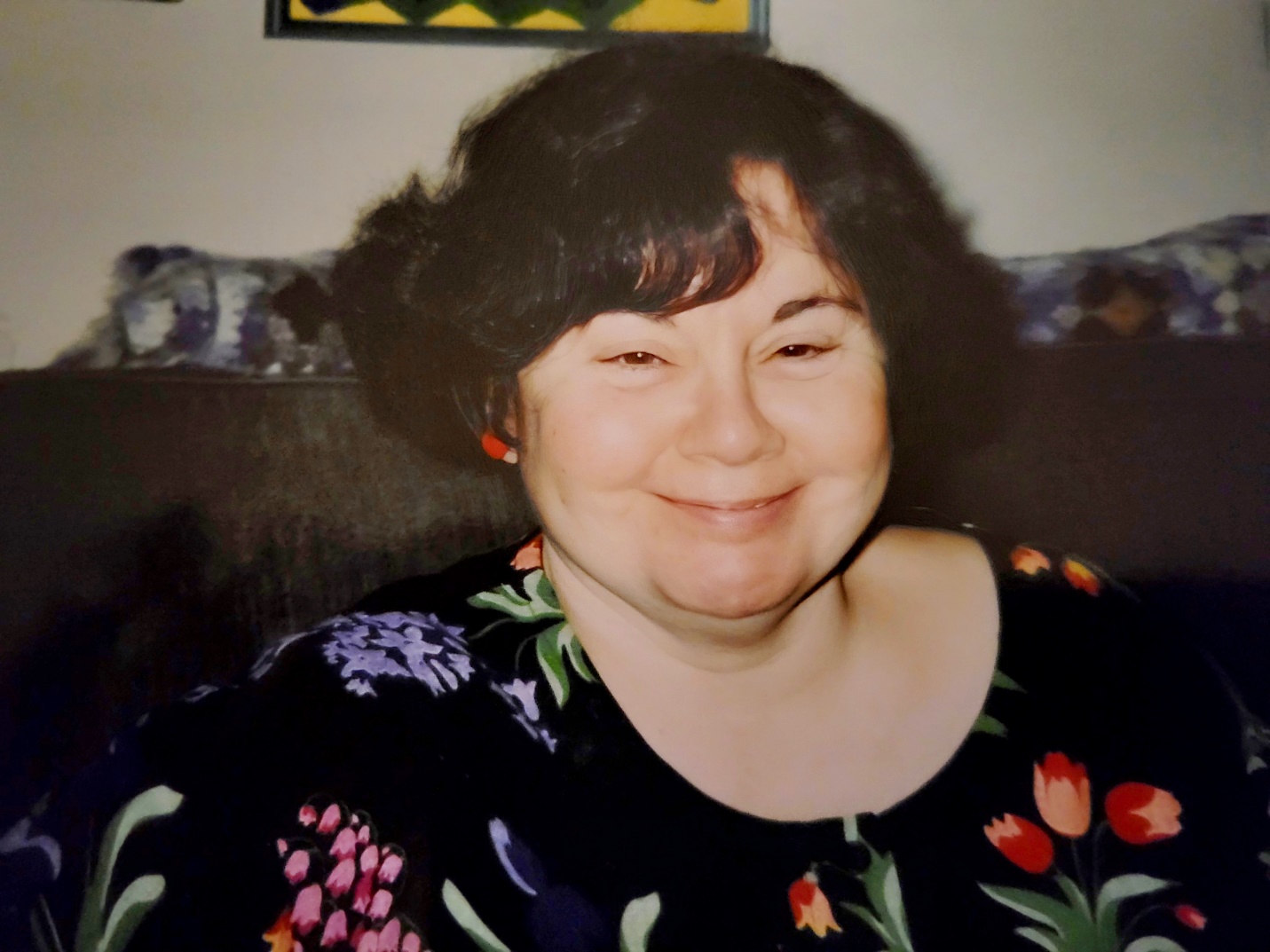
Pamela Ann Lundblade, a lifelong resident of Humboldt County, passed away April 6, 2024, after a brief and courageous battle with liver cancer.
She was 78 years old.
Pam was born in Eureka on October 12, 1945 to Graham and Velma Henderson. She attended local schools, graduating as part of the Class of 1964 from Eureka Senior High School.
From an early age, Pam fell in love with horses. She was an avid equestrian, member of the American Quarter Horse Association and left an extensive collection of ribbons and trophies she won, locally, while showing her geldings, Reb and Mac.
During the years she boarded horses at Redwood Acres Fairgrounds, Pam made many lifelong friendships and shared memories. She especially enjoyed mentoring younger riders and encouraging their unique gifts and talents.
Later in life, Pam loved to travel and was able to do so extensively. She particularly enjoyed traveling by cruise ships that allowed her to visit countless countries, including her dream trip to Normandy, France in 2019.
She is survived by her husband Fred Lundblade, brother Donald Henderson (Cindy), daughters Julie Farr and Jennifer Rudick (Darin) as well as grandsons Layne Christopher and Bryce Julien.
A celebration of life is being planned; details will be forthcoming.
Her family would like to thank the group of close friends that were by her side in her final weeks. Friendships that spanned decades were close to her heart and we thank you from the bottom of ours.
We would also like to thank the following:
- Eureka/Humboldt Hill, paramedics and firemen
- Saint Joseph’s/Providence Hospital Emergency doctors and staff.
- Saint Joseph’s/Providence PCU floor, doctors and nursing team. MedSurg floor, doctors and nursing team.
- Timber Ridge Assisted Living. Thank you to the nurses and staff who were incredibly diligent and kind in Pam’s final days. A very special thank you to Larona Farnum.
- Thank you, Hospice of Humboldt, for your loving care in every sense of the word.
- Dr. Erin Nelli and her assistant, Dan. Pam adored her healthcare team and appreciated their willingness to spend time discussing her disease and answering questions at a moments notice.
In lieu of flowers, please make donations to your favorite area charity.
Finally, enjoy a meal with those you love.
Pam would often be seen, at various local restaurants, having lunch with her girlfriends. Take a friend to lunch today, in her honor.
###
The obituary above was submitted on behalf of Pam Lundblade’s loved ones. The Lost Coast Outpost runs obituaries of Humboldt County residents at no charge. See guidelines here.
BOOKED
Yesterday: 7 felonies, 7 misdemeanors, 0 infractions
JUDGED
Humboldt County Superior Court Calendar: Today
CHP REPORTS
No current incidents
ELSEWHERE
RHBB: Rodent Feces Found Throughout Redwood Coast Montessori Kitchen; Cafeteria Closed
RHBB: Proposed Old Town and Downtown Parking Districts in Eureka
RHBB: Prescribed Burns Planned in Prairie Creek Redwoods and Humboldt Redwoods State Parks
Governor’s Office: Governor Newsom announces appointments 9.16.2026
Seven Years Later, Arcata Police Hope That More Witnesses to the Killing of David Josiah Lawson Will Come Forward
LoCO Staff / Friday, April 12, 2024 @ 4:40 p.m. / Crime

David Josiah Lawson. File photo.
Press release from the Arcata Police Department:
On April 15, 2017, seven years ago this week, Humboldt State University sophomore student David Josiah Lawson was stabbed to death while attending a house party on Spear Avenue in Arcata. The Arcata Police Department continues to investigate this open murder case. Investigators continue to actively pursue leads and a 24-hour tip line remains open whereby information from confidential sources can be provided to APD investigators.
Witness accounts are essential to moving this case forward either by corroborating known information or in the development of new leads. Investigators are hopeful, that with the passage of time, witnesses that might have been reluctant in the past, might be willing to come forward now. It is imperative that those witnesses contact investigators to move this case forward.
Anyone with information regarding the murder of Josiah Lawson is asked to call the Arcata Police Department’s confidential tip line at (707) 825-2590 or APD Dispatch at (707) 822-2424. Eyewitness accounts of what led up to, and including the murder of Josiah are crucial to bringing this case back to court.
[UPDATE: Opens Friday] Reviews are In for the Entirely Humboldt-Filmed Bigfoot Family Drama Sasquatch Sunset
Ryan Burns / Friday, April 12, 2024 @ 4:33 p.m. / MOVIED!
UPDATE, April 17, 9:45 a.m.:
A representative of Bleeker Street, the independent film company that produced Sasquatch Sunset, emailed the Outpost to let us know that the movie starts Friday at the Broadway Cinemas in Eureka.
###
Original post:

Ready for the Arcata Plaza drum circle.
###
###
The good news: Today is opening day for Sasquatch Sunset, a new feature film that follows a family of the famously reclusive cryptids. It was filmed entirely here in Humboldt County’s own redwood forests! It stars Jesse Eisenberg and Riley Keough, unrecognizable in full-body fur suits!
The bad news: It’s not showing at any of our local theaters — not yet, anyway. We assume the movie will eventually find its way to one or more of our local theaters, but until then we’re left to skim critic reviews.
The consensus? Sounds like this thing is pretty good! Directed by brothers David and Nathan Zellner, the R-rated faux nature documentary reportedly features lots of gross body humor, including graphic Bigfoot sex and copious poop-throwing. But reviewers also describe the film as “poignant,” with L.A. Times critic Amy Nicholson saying, “it holds up a mirror to our own narcissism.”
In a rave review for the New Yorker, Richard Brody says the “scruffy but finely nuanced drama … depicts a wide spectrum of Sasquatch life” and, in doing so, contains “many psychologically resonant moments.”
Not every critic has been so taken with the movie, though. In Paste, for example, Felicia Reich takes issue with how the brothers Zellner portray the lone female member of the Sasquatch family, who’s often made to carry “the universal burden of womanhood that spans species.”
“The pain and distress of the film often comes at the expense of our heroine … ,” Reich observes, “and considering the agony her brothers and deadbeat father put her through, a single instance of righteous indignation just wasn’t enough for me. I was left with a thirst for vengeance that was never quite sated.”
Most reviews are positive, though. (The movie is currently carrying a 79 percent “Tomatometer” score on review aggregator website Rotten Tomatoes.) The San Francisco Chronicle’s longtime reviewer Mick LaSalle opines, “It’s a special movie that can make you laugh out loud numerous times at gross comedy and then make you think and feel something, too.”
Earlier this week, the Chronicle’s Datebook also published a behind-the-scenes report on the making of the movie, which includes descriptions of the full-body foam latex hair suits worn by actors and their flexible masks, which were thin enough to allow facial expressions.
In the Datebook story the Zellners address the challenges and importance of filming here in our neck of the woods:
While Eureka and Arcata were their base hubs, David Zellner said “we went pretty much in every direction” to film on private land as well as state and national park locales. “It’s one of the most beautiful places on Earth, and we really wanted the film to have epic landscapes,” he said over Zoom with his brother from New York. “From the start we knew we wanted to shoot in those primordial, old-growth redwood forests.”
Still, “it was very difficult,” David confirmed. “That’s why not many people shoot up there. It’s hard to get to, and to get on location. Just navigating the woods is a challenge on its own, but then you’re adding a whole crew, people in costume, makeup effects and those sort of things. But that was important because we really wanted to ground this world we’re creating with a sense of naturalism. That’s why we didn’t want to shoot on a soundstage.”
Still not sure whether this one’s for you? Watch the preview below to get a better sense of the whole vibe.
The Sequoia Park Zoo Foundation Announces That it is Dissolving; City of Eureka to Take Over Fundraising Duties, Press Release Says
LoCO Staff / Friday, April 12, 2024 @ 3:17 p.m. / Local Government

SPZF accomplishments.
Press release from the Sequoia Park Zoo Foundation:
The Sequoia Park Zoo Foundation (SPZF) is a 501(c)(3) established in 2004 and is the philanthropic, nonprofit partner that has proudly supported the City of Eureka’s Sequoia Park Zoo for over 20 years. In two decades SPZF cultivated over 26,000 donors and innovative partnerships, and inspired collaborative community engagement through fundraising, promotions and events. SPZF has raised nearly $15 million since its inception and has been successful in securing and organizing funding for many capital projects to enhance the zoo experience including:
- 2004: Barnyard and Contact Corral
- 2005: The Arkley Pavillion
- 2007: Bill’s Garden
- 2008: Hilfiker Aviary Renovation
- 2010: The Red Panda and Muntjak Habitat
- 2011: Flamingos, Cavies, and Screamers Habitats
- 2014: Watershed Heroes Project
- 2016: McClean Raptor Aviary
- 2017: Lamoree Learning Lab
- 2019: Vintage Snack Cart Renovation
- 2020: The Redwood Sky Walk
- 2022/23: The Bear and Coyote Habitat
It is with a heavy heart that the Sequoia Park Zoo Foundation announces the end of an era in its decision to dissolve the organization in the coming months.
Over the last several years, the Sequoia Park Zoo has grown and changed to become the premier community and tourist destination SPZF intended when the organization formed as the philanthropic partner to the City of Eureka. With the launch of world-class interpretive experiences such as the Watershed Heroes Project, the Redwood Sky Walk and the new Bear and Coyote Habitat, the zoo has seen —and continues to see— record attendance with visitors from all over the world. The City of Eureka reports over $2.6 million in zoo revenue in 2023 alone. It is this positive and successful growth and development of our neighborhood zoo nestled in the redwoods that has piqued interest from the City of Eureka to assume greater responsibility for ongoing fundraising, membership, promotions, marketing and events at the zoo. SPZF has decided to gracefully pass the baton.
Over the coming months, SPZF will map out the strategic sunsetting of the organization by drafting its plan for dissolution, articulating how remaining assets will be distributed and specifying how remaining liabilities will be addressed. SPZF is committed to ensuring that our community’s generous donations are directed toward the projects for which those funds were given. You may follow updates regarding the dissolution process at www.spzfoundation.org and in SPZF’s eChatter Newsletter.
The Sequoia Park Zoo Foundation’s impact at Sequoia Park Zoo was and continues to be the successful legacy of all of our esteemed stakeholders, community leaders, partners, donors, board members, patrons and volunteers. It has been a privilege to support the zoo in becoming the international attraction it is today, working alongside those devoting time, talent, and funds over two decades.
PREVIOUSLY:
[UPDATED] Report From Animal Advocacy Group Finds ‘Deception, Cruelty and Animal Abuse’ at Alexandre Family Farm in Crescent City
Ryan Burns / Friday, April 12, 2024 @ 2:47 p.m. / Animals , Business , Government
UPDATE, 3:28 p.m.:
Alexandre Family Farm provided the following statement to the Outpost in response to the Farm Forward report and the story in The Atlantic:
Alexandre Family Farm has been targeted as part of an ongoing campaign by an animal rights activist group questioning the validity of humane farming certifications. The organization collaborated with a well-known writer who is a self-described radical vegan to publish an article in The Atlantic that contains allegations against Alexandre Family Farm.
As soon as we learned of the allegations, we contacted the activist organization to ask for a copy of their report so we could investigate thoroughly, as we would any allegation of mistreatment on our farms. We were denied the opportunity to view any of the allegations until the report was shared publicly on their website.
We also invited the organization to visit our farm but received no reply to our invitation.
We have an open-door policy on our farm. We actively invite anybody and everybody to come visit our farm at any time to meet us and see our animals.
Our mission on our family dairy farm over the past 30 years has been to farm in harmony with nature, honoring the Earth and all the animals under our stewardship. Caring for our animals is the foundation of what we do. We take any allegation of mistreatment on our farm very seriously. Every time we are alerted to a problem, we take action to improve.
We accept responsibility for all animal treatment on our farm. Now that we have had a chance to read the report, we have determined that many of the allegations are either totally false or fabricated half-truths. If we uncover areas for improvement, we will take appropriate steps to address them. We have already taken significant steps to improve protocols, increase employee training and provide whistleblower access to ensure all employees are following protocols for proper treatment.
We are guided by a deep care for our animals as well as protocols established by experts in the treatment of farm animals. Our adherence to these animal welfare standards is backed up by hundreds of pages of inspection reports from independent organizations that have conducted regular as well as random inspections on our farm over the years. These reputable organizations include Certified Humane, Validus, American Humane, CCOF (California Certified Organic Farmers), Regenerative Organic Certified, and the National Dairy FARM Program.
In addition to certifications, audits, and surprise inspections, we have an animal nutritionist, local veterinarians and national experts in animal welfare who visit our farm on a regular basis. Hundreds of visitors tour our farm every year. We literally have thousands of eyes witnessing our farm and we continue to follow our purpose of serving the health of our animals, the Earth and our consumers whose trust and nutritional needs are what we work for daily.
###
Original post:
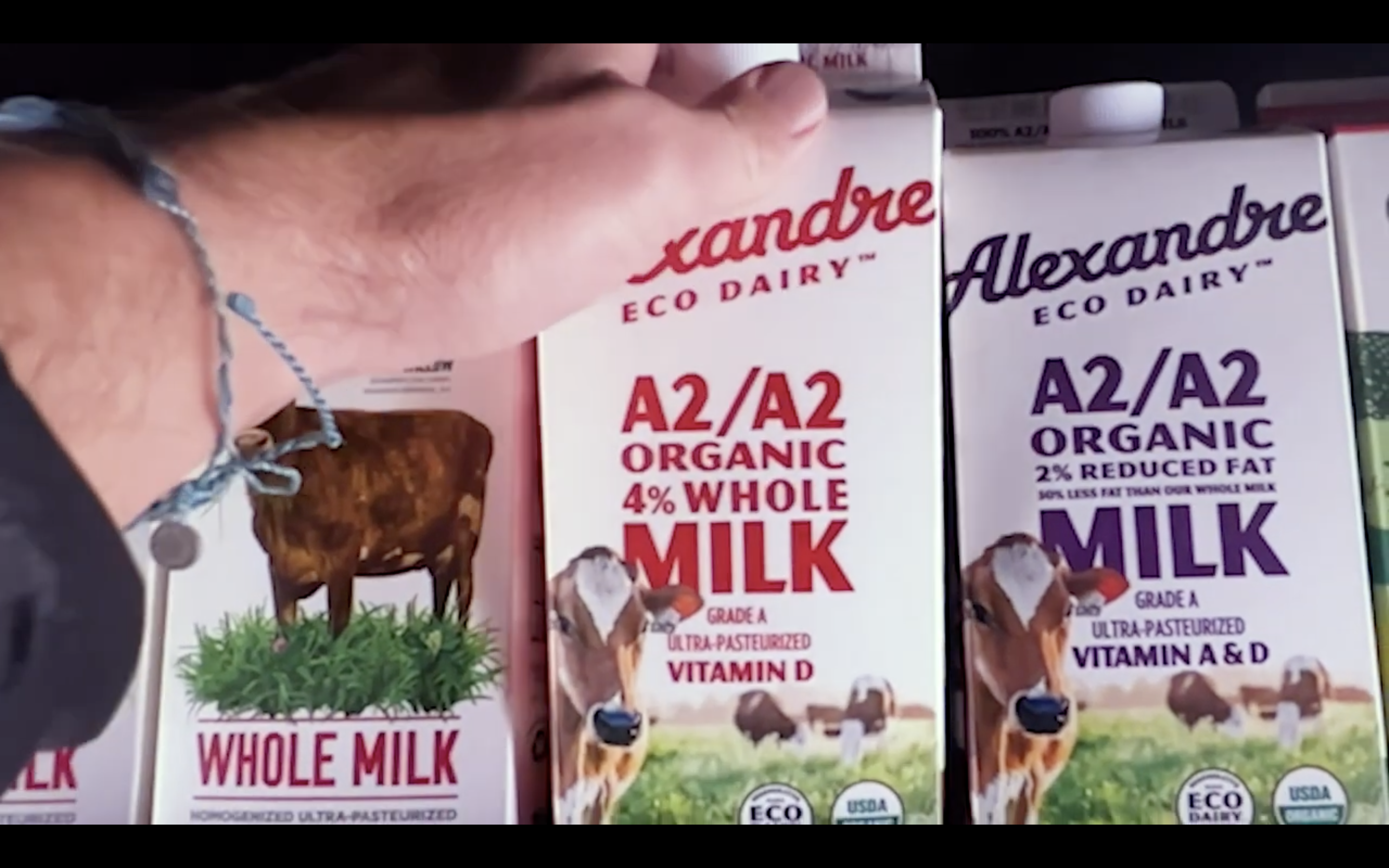
Screenshot of a YouTube video published by Farm Forward.
###
A new report published by the nonprofit organization Farm Forward, whose mission is to end factory farming, takes aim at Crescent City-based Alexandre Family Farm, which the report describes as “arguably the leading higher welfare, Organic, and Certified Humane dairy operation.”
Contrary to the implications of such certifications, the report says investigators uncovered “systemic deception, cruelty, and animal abuse” at the company’s farming operations, which are run by the Alexandre family on sites in Del Norte and Humboldt counties.
A story published concurrently by The Atlantic (here’s a link, though there’s a paywall if you’re not a subscriber) comes to similar conclusions, describing a number of gruesome incidents and ailments among the farm’s dairy cows and blaming regulatory agencies for lax oversight.
The Atlantic piece, by reporter Annie Lowrey, notes that organic certification by the USDA, for example, prohibits milk producers from giving their cows antibiotics. While the purpose of this rule is “to prevent farmers from providing the drugs prophylactically, which facilitates overcrowding and contributes to antibiotic resistance,” it winds up “lead[ing] farmers to withhold medicine from sick animals, too,” Lowrey reports.
While visiting the main operation in Crescent City, Lowrey asked owners Blake and Stephanie Alexandre to respond to the report. From The Atlantic:
[T]hey questioned the motivations of the whistleblowers, speculating that they were disgruntled former employees and associates, and ventured that some of the photographs might have been staged or doctored. They described some of the depicted incidents as false, implausible, or exaggerated, while saying that others were tragedies or accidents to which they had responded with corrective action.
Below is a video released by Farm Forward. Be warned: some of the footage is graphic and disturbing:
Our Wild Rivers Outpost reporter Jessica Andrews plans to follow up on Farm Forward’s report next week, so check back for updates.
California Requires New Homes to Have Solar Panels. Should Wildfire Victims Get a Break?
Ryan Sabalow / Friday, April 12, 2024 @ 7:30 a.m. / Sacramento
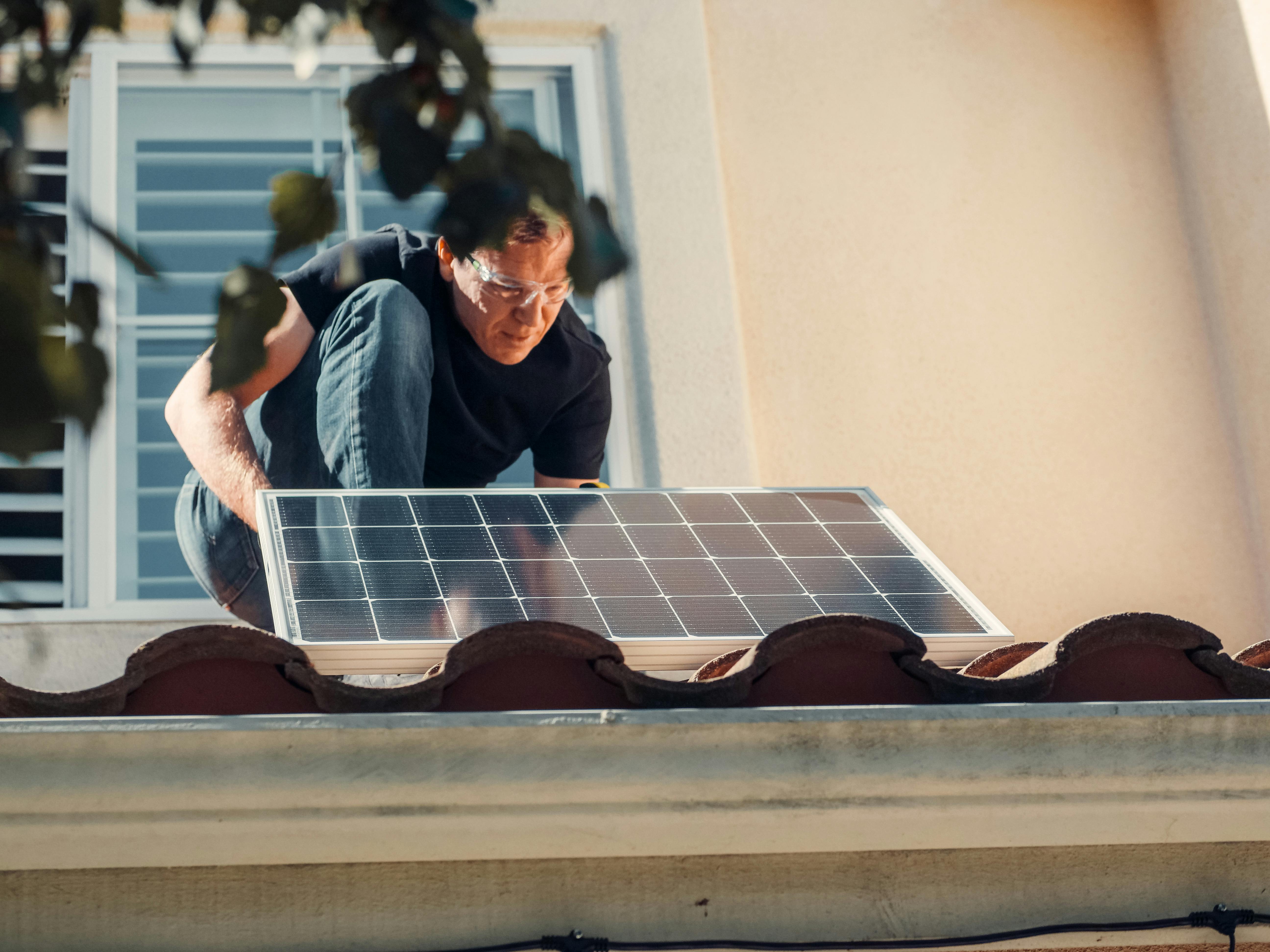
Photo by Kindel Media via Pexels.
Hundreds of homes in Joe Patterson’s Northern California Assembly district burned to the ground in the Caldor Fire.
In the three years since that devastating summer, many of those rebuilding homeowners have ended up on the hook for tens of thousands of dollars, thanks to state laws that require solar panels on new homes — even on those that didn’t have them before they burned down.
“Trust me when I say this: $25,000 to build solar onto a house where people do not have solar is 100% an impediment to rebuilding,” Patterson, a Republican from Rocklin, told the Assembly Natural Resources Committee earlier this week.
Patterson’s Assembly Bill 2787, which passed the committee unanimously, would give some of those poorly-insured, low- and middle-income homeowners rebuilding after a natural disaster a break from the state’s solar-panel building requirement.
The bill would exempt homeowners at or below the median income for their county from the state’s building codes that require new solar on homes if they’re damaged or destroyed in a natural disaster. The legislation, which would expire in 2028, also would limit the benefit to those who don’t have an insurance plan that would cover the costs of the upgrade to new solar.
The bill now moves to the Assembly Appropriations Committee, where it faces an uncertain future. Last year, that committee killed a similar bill by Republican Assemblymember Jim Patterson of Fresno.
Joe Patterson, no relation, told CalMatters he expects his bill, which is coauthored by the Fresno Republican, to make it through the committee this time since it doesn’t contain funding for a study like last year’s bill.
It’s another matter whether Gov. Gavin Newsom will sign it if the bill is also approved in the Senate and reaches his desk. In 2022, Newsom vetoed a similar bill, citing the need for solar power to reduce greenhouse gases that are a contributing factor for wildfires.
Solar power is a critical part of the state’s ambitious goal to achieve 90% carbon-free electricity by 2035 and 100% by 2045. Large-scale and rooftop solar is projected to prove more than half of the grid’s power by 2045.
“Extending this exemption would nullify these positive outcomes and instead would increase homeowner energy costs at a time when many homeowners are facing rising electric rates and bills,” Newsom wrote in his veto message.
Asked about this latest bill, Newsom’s press office responded that the governor doesn’t typically comment on pending legislation.
Joe Patterson said he hopes Newsom would support this bill, given that it’s more narrow than the one he vetoed in 2022, and because some Caldor Fire victims with poor insurance say they never received federal disaster relief cash to help them rebuild.
Meanwhile, the insurance crisis in California’s wildfire country has only gotten worse since.
After the devastating wildfire seasons of 2017 and 2018, private insurance companies have been dropping policies for hundreds of thousands of Californians, forcing many to join the state’s home insurer of last resort known as FAIR plan or risk going uninsured.Just last month, State Farm announced it wasn’t renewing 72,000 California home and apartment policies.
In his testimony before the Natural Resources Committee, Patterson said his district has seen skyrocketing numbers of constituents on the FAIR Plan.
“In 2019, we had roughly 8,100 households covered by the FAIR Plan in my district,” Joe Patterson told the committee. “Now, in 2023, we have 41,000 people covered by the FAIR Plan.”
He said the FAIR plan, at most, will only pay 10% of the costs to upgrade a destroyed home to the most current building codes including mandatory solar panels.
“And that 10% coverage really won’t go very far, especially to cover a solar system that costs about $25,000,” Patterson told the committee.
As Patterson testified, sitting beside him was El Dorado County Supervisor George Turnboo. His district includes Grizzly Flats, which was torched in the Caldor Fire.
“The costly burden on the Caldor Fire survivors trying to rebuild their lives is not worth the minimal benefit solar technology provides them in a very high snow and forest region,” Turnboo said.
Their arguments resonated with the 11 members of the Natural Resources Committee, including eight Democrats, who voted to pass the bill over objections from the solar industry.“We understand the very sympathetic plight that some of these folks are in,” said Kim Stone, a lobbyist for the California Solar and Storage Association. “But we don’t exempt them from other building code upgrade requirements.”
###
CalMatters.org is a nonprofit, nonpartisan media venture explaining California policies and politics.
OBITUARY: Michele (Feldman) Baughman, 1937-2024
LoCO Staff / Friday, April 12, 2024 @ 7:18 a.m. / Obits
Michele (Feldman) Baughman
May 12, 1937-
April 1, 2024
On Monday, April 1, 2024, at 7:42 pm, Michele (Feldman) Baughman died peacefully at home surrounded by her dearest friends. She was preceded in death by her parents, Mr. and Mrs. Feldman, her brother Roland, and her beloved husband of 54 years, Don Patrick Baughman.
Michele was born on May 12, 1937, in Paris, France. Her parents owned a prestigious Jewish restaurant in Paris. In 1939, during the Nazi occupation, the family fled from France into Spain and boarded a ship to Montreal, Canada. Michele was just two years old at the time of their escape. She was born with congenital hip dysplasia and had multiple surgeries throughout her life. When she was thirteen years old her brother taught her to walk. As a young woman she moved to San Francisco where she met her “one and only”, Don, a young Army veteran from Minnesota. They fell deeply in love and were married in 1966. They came to Humboldt County in 1969.
The Humboldt Open Door Clinic first opened in 1971, in what is now The Tin Can Mailman Bookstore, on the corner of 10th and H St in Arcata. Michele thought it was a Veterinary clinic and brought her cat in for a check-up. She was told they could not help her cat because they were a medical clinic serving people, but they hired her on the spot. She was the first HODC receptionist and then became the primary scheduling administrator “extraordinaire” where she served the community for 30 years! Upon her retirement, CEO Herrmann Spetzler gifted her with a round trip ticket to Paris. On March 17th, 2003, she went on the trip of a lifetime to France and Italy for 17 days, accompanied by her friend, April, who wheeled Michele in her chariot over the ancient cobblestone streets of Europe. She called Don nearly every day to tell him of her adventures, even from a phone booth at the Palace in Monaco.
Michele and April met at the clinic in 1977. They became great friends for the next 47 years! When they first met, Michele was able to walk a short distance with a cane. As walking became more difficult, she used two canes, then she purchased an electric trike. She could be seen riding her “Lark” all around town. She was a reckless driver! In 1997 she bought a fancy tricycle that she pedaled with her hands. She was often spotted riding her trike all over Arcata and Bayside. She and April did the 10-mile Tour of the Unknown Coast together. Michele had a lively group of friends coined “The Breakfast Club” which often included K.T., Audrey, Terri, Cheyenne, Shelley, Theresa, Pam, Jovonne, Jeri, Connie, and April. Michele loved to dine out at Larrupin’s, Abruzzi’s, Folie Deuce, La Trattoria, and other fine restaurants in Humboldt County. She enjoyed celebrating birthdays, family holidays, clinic parties, and camping at Smith River, Klamath, Coon Creek, Forest Glen, and Yosemite National Park.
Michele was rambunctious and enthusiastic about life. She was a kind, devoted friend with a tender heart, and she was especially fond of children and animals. Her laugh was effervescent and contagious. Her fiercely positive spirit transcended all physical limitations. Her wisdom and intuition were precise. With her intelligence and razor-sharp wit, she was a force of nature to be reckoned with, and a joy to all who knew her. The strength of her character was as powerful as her love of life. After Don died on April 20, 2020, during the pandemic, she moved to Michael and April’s studio apartment, where she was able to live independently for almost four years. She loved weekly outings to the Arcata Marsh, the Farmer’s Market, Café’ Brio (for French fries), and ice cream at the Arcata Scoop.
Many thanks to Dr. Sarah Sherer, her primary care physician, and the staff at Humboldt Open Door Community Health Center, Kelli Swartz (Humboldt County Public Guardian), the nurses at Mad River Home Health, Humboldt Country Department of Health and Human Services, Dr. Tong at Mad River Community Hospital (for allowing her to come home), and a very special thanks to her In-Home Health Services provider, Paul Humphry, for his continued care and devotion to Michele for the remainder of her life. (The joke’s on you, Paul. She left us on April Fool’s Day!)
A Memorial Bash will be held at The Plaza View Room in Arcata (Jacoby Storehouse, third floor) on Saturday, May 18 from 6-8 p.m., catered by Uniquely Yours. There will be a no host bar. Bring your favorite uncensored stories to share. “The Backseat Drivers” will provide the music, with love to light her way.
###
The obituary above was submitted on behalf of Michele Baughman’s loved ones. The Lost Coast Outpost runs obituaries of Humboldt County residents at no charge. See guidelines here.


