Hollywood came to Humboldt for 11 days, bringing one of the industry’s most revered auteurs and one of its biggest stars.
Crowds gathered outside the Murphy’s in Cutten and flocked to Northtown Arcata hoping to get a glimpse of Leonardo DiCaprio and/or Paul Thomas Anderson, and with at least one notable exception, they were not disappointed.
Much remains unknown about the Warner Bros.-produced film, which is going by the working title “BC Project,” but a few online sources are now going so far as to “confirm” what has long been suspected: that the movie will be an updated adaptation of Thomas Pynchon’s 1990 novel “Vineland,” which largely took place in a fictionalized version of Humboldt County.
In addition to confirmed stars DiCaprio, Sean Penn and Regina Hall, more cast members were revealed today by The Hollywood Reporter and other sources: Teyana Taylor (“A Thousand and One”), Wood Harris (TV’s “The Wire”), Shayna McHayle (“Support the Girls”), newcomer Chase Infiniti and, most excitingly for this reporter, Alana Haim, who made her magnetic film debut in Anderson’s last feature, “Licorice Pizza.”
The Humboldt-Del Norte Film Commission today issued the following press release
That’s a wrap! The feature film known as the BC Project wrapped [locally] yesterdayafter 11 days of filming on the redwood coast.
“They are still wrapping out of some of the locations and area in general, so you might still see a truck or two, but filming is now complete,” expressed Cassandra Hesseltine, the Humboldt-Del Norte Film Commissioner.
The film commission was first notified by the location team for the studio feature film in April of 2019. “We are honored to have been on their radar for all these years and for the project to finally come to fruition,” stated Hesseltine. The location department is usually our first point of contact and the last one to leave town.
Hesseltine was honored to work with such a high caliber of individuals on the location team for the film as they have all worked on well-known projects (i.e. Transformers, Westworld, Inception, Captain Marvel, Interstellar, The Dark Knight Rises, and more).
It’s still in the early stages for the economic impact details on the spending within the region but it is apparent that the Warner Brothers movie brought a sizable outside dollar amount during our off season. The area not only benefited from economic impact during filming but as the production scouts, preps, and wraps out. Numerous locals were hired as cast and crew as well as vendors of all kinds were necessary to supplement the production.
“This is especially important during our off season as restaurants and hotels benefited during the slowest time of the year. The same amount of spending by a production in July is way more impactful in January when we do not have an influx of travelers already in town,” stated Hesseltine.
Filming on the Redwood Coast not only brings in outside dollars to the community but also impacts the region in other ways. Long after the films and productions have left, the Film Commission focuses on film tourism which is known to sometimes bring in more outside dollars to an area than the original filming.
With the new programs launched last year, Redwood Coast Museum of Cinema and Forest Moon Festival, the Film Commission has researched why filming and film tourism is important to our area. “It’s not just about the money. It’s about quality of life for the people who live here, the experience that one feels viscerally when seeing the giant trees for the first time after watching the speeder chase scene throughout your childhood, and the pride we feel when we get to brag that something as special as our favorite movie filmed here,” beams Hesseltine. “Life can be challenging and there are all kinds of ways it can be difficult. It’s nice to work in an industry that can help make you feel good for a minute while reeling on this rock through space. Good times!”
The Film Commission would like to thank the community for helping to host a production of this size that was in the public eye. “We could not have done it without all the film friendly locations, government partners, businesses, vendors, and individuals who help make the redwood coast shine. The production has not stopped talking about how beautiful the area is, how kind the people are, and how they can’t wait to come back for other projects,” Hesseltine declares.
The Film Commission states that more information regarding the economic impact, details of the production’s filming in the region, and release date will come at a later time.
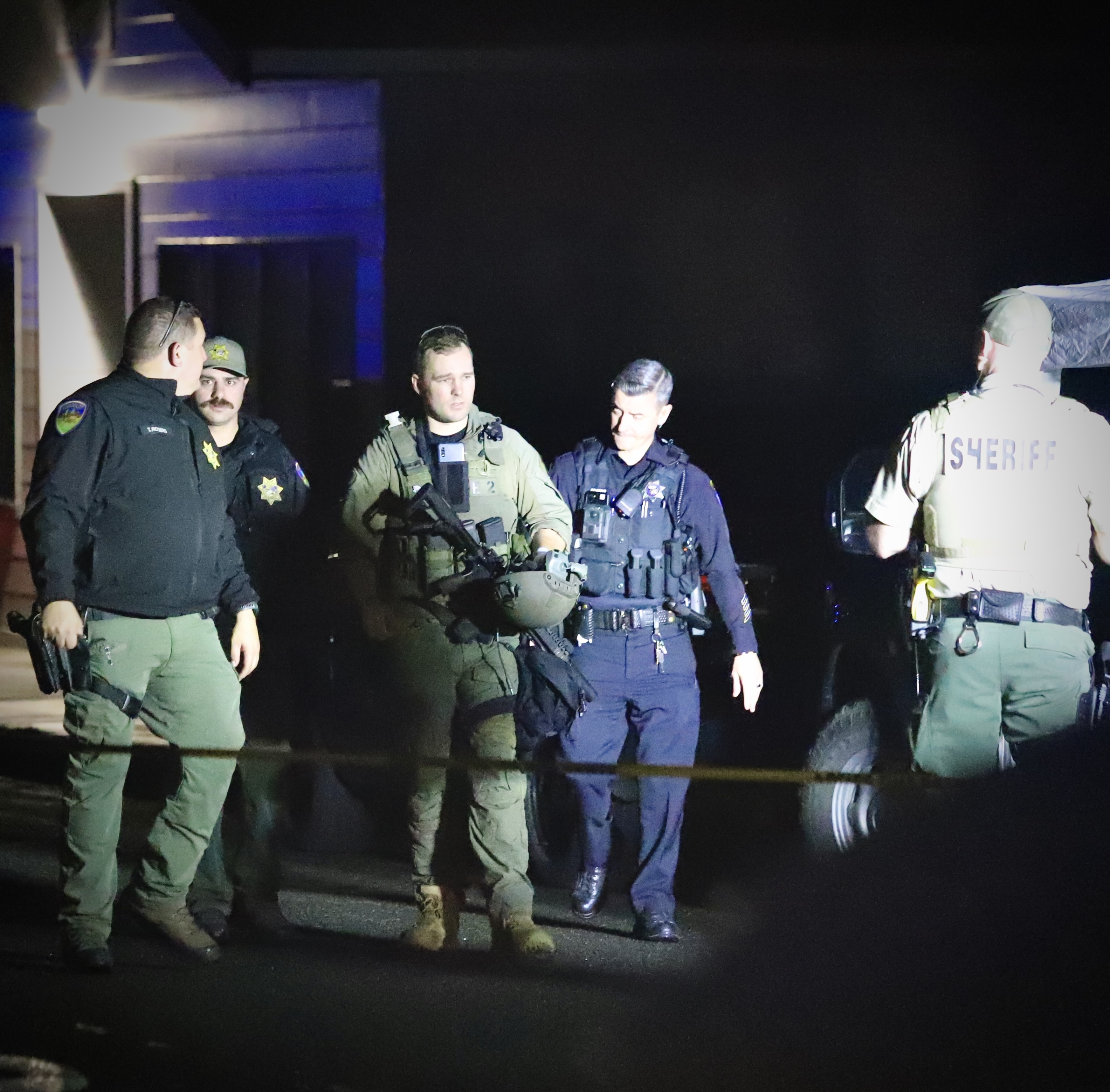
The two Humboldt County Sheriff Deputies involved in the January 22, 2024 officer involved
shooting are Deputy Johnathan Waxler and Deputy Colton Ross. Deputy Ross has over six
years of service and Deputy Waxler has over 5 1⁄2 years of service. Both Deputies remain on
paid special leave.
The autopsy has been performed and the preliminary cause of death is due to gunfire. The
toxicology results are still pending.
This is an ongoing investigation and additional information will be released in accordance with
state law.
Anyone with information regarding the incident is encouraged to contact Detective Donald
Bailey with the Eureka Police Department Criminal Investigations Unit at 707-441-4215.
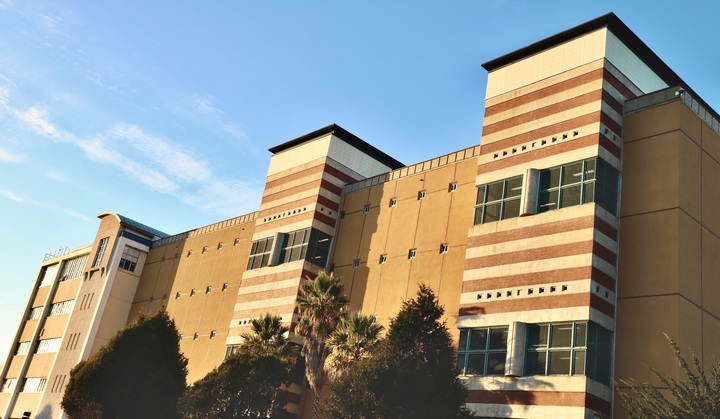
The Humboldt County Correctional Facility. | Photo by Andrew Goff.
Press release from the Humboldt County Sheriff’s Office:
The Custody Services Division is the largest division in the Sheriff’s Office with 109 correctional staff. The Custody Services Bureau’s primary function is the care and custody of sentenced and non-sentenced inmates incarcerated in the Humboldt County Correctional Facility (HCCF). Located at 901 5th Street, Eureka, adjacent to the county courthouse, the HCCF spans approximately 155,000 square feet on 6 floors and has a board rated capacity of 417 beds. The facility’s kitchen serves over 300,000 meals per year and the commercial size laundry operates 24 hours per day. The county contracts with Wellpath Healthcare for 24-hour onsite medical, dental care, and a Jail Based Competency Treatment program. The facility contains a short-term care medical housing unit. Mental health and substance abuse treatment services are provided through the Humboldt County Department of Health and Human Services.
Morning Briefing
The Sheriff’s Office mission is to protect and serve our community and to earn the public trust through compassion and accountability. The HCCF adheres to this mission by providing a safe and productive place for those incarcerated to serve their sentences and rehabilitate while in custody. The information in this release contains data and statistics but doesn’t capture all the operations that occur in the HCCF. There are things our personnel do every day that make a difference and often go unnoticed. We take pride in the job our dedicated deputies do every day to keep our community members safe.
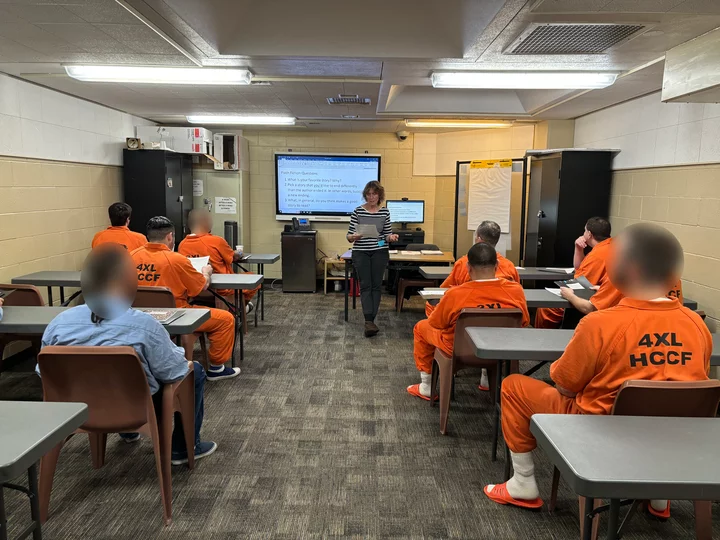
“Developing Literacy” class presented by College of the Redwoods Adult Education
Current programs offered at the Humboldt County Correctional Facility:
College of the Redwood Credit Courses
High School Equivalency Exams (HISET)
Anger Management
Substance Abuse Counseling
Religious Counseling
Holiday and Art Programs
Yoga and Meditation
Fundamental English as a Second Language
Developing Literacy
Getting Started with Computers
Sheriff Work Alternative Program (A program where individuals can serve their sentence out of custody by working one day per week at various locations such as Fortuna Farm, Hoopa Food Distribution Center, Eureka Woodlot, County Motor Pool, Botanical Gardens, and McKinleyville Community District)
2023 Statistics for the Humboldt County Correctional Facility:
Total Number of People Booked: 6189
Average Daily Population: 276
Average Number of People Booked Daily: 17
Average Number of People Released Daily: 16
Number of inmates Sent to State Prison: 144
Amount of Food Donated locally from the SWAP Program: 2220 pounds
Number of Cords of Wood Donated to Low Income Seniors: 225
Number of Training Hours for Correctional Staff: 8442
Meals Served: 315,713
Average Population on Mental Health Medication: 43%
Number of Inmate Deaths: 1
Number of Suspected Overdose: 13
Number of Deaths from Suspected Overdose: 0
Number of People Placed in Jail Based Competency Program: 26
Number in Jail Based Competency Program Restored to Competency: 19
Ready to make a difference and be part of the team? We are hiring at the Sheriff’s Office for Correctional Deputy I. No experience necessary. We provide on-the-job training, and opportunities are available for career advancement. We are also currently hiring Lateral Correctional Deputy II, Work Crew Leaders, and Emergency Communications Dispatchers. For more information, please visit our website: humboldtsheriff.org/join or call (707) 441-5103.
On
January 31, 2024, the McKinleyville Community Services District
(MCSD), Green Diamond Resource Company (Green Diamond), and the Trust
for Public Lands (TPL) announced the close of escrow on 599 acres of
timberlands in northwestern Humboldt County, slated to become the
McKinleyville Community Forest.
In
2015, Green Diamond and TPL, a national nonprofit organization
committed to improving public access to nature, announced plans to
seek grant funding for a land sale that would establish a public
community forest adjacent to the community of McKinleyville. The
McKinleyville Community Services District (MCSD), the independent
special district that provides water, sewer, parks and recreation,
and other services to the McKinleyville area, was identified as the
entity best suited to own and manage a community forest.
For
nearly a decade, MCSD, TPL and Green Diamond have worked closely to
ensure the success of this project. In 2020, the California Natural
Resources Agency’s (CNRA) Recreational Trails & Greenways Grant
Program awarded a $3.8 million grant to TPL to acquire a tract of
Green Diamond property and transfer ownership and management
responsibilities to MCSD.
“TPL
is proud of our partnership with MCSD and Green Diamond to help
realize the vision of the McKinleyville community to ensure this
space is protected from development and enhance the environmental and
economic benefits of this land for generations to come,” said
Guillermo Rodriguez, Vice President for the Pacific Region for Trust
for Public Land.
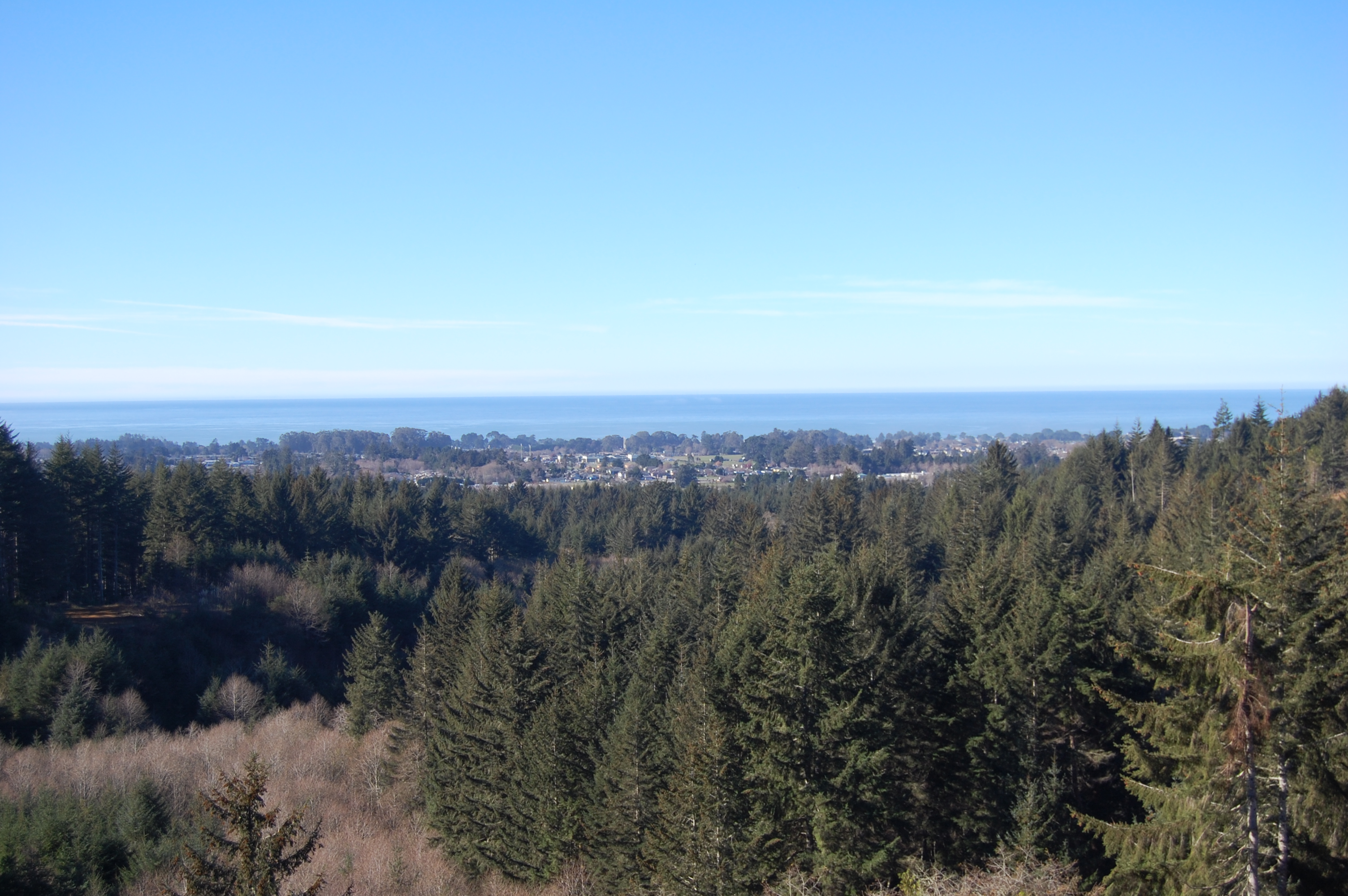
The
McKinleyville Community Forest is located within the Widow White
Creek and Mill Creek watersheds which are tributary to the Mad River.
The forest primarily comprises second- and third-growth Sitka spruce,
redwood, and Douglas fir forest and provides habitat for a variety of
plant and wildlife species.
“The
District is deeply grateful for the efforts of CNRA, TPL, and Green
Diamond to get us to this point,” said Patrick Kaspari, MCSD
General Manager. “We look forward to stewarding this land for the
community and all of our children and children’s children.”
Much
like the Arcata and the McKay Community Forests, the McKinleyville
Community Forest will be managed for multiple objectives, including
public recreation, timber production, water quality, and wildlife
habitat protection. Under the guidance of a forest management plan,
MCSD will reinvest income generated by timber harvests back into the
forest, offsetting costs of trail, access point, and amenity
development and maintenance.
Green
Diamond is a longstanding private timberland landowner on the North
Coast, managing thousands of acres of working forests adjacent to
McKinleyville and throughout the Mad River basin.
“We
greatly appreciate the opportunity to establish another community
forest in Humboldt County,” said Peter Jackson, Green Diamond’s
Vice President and General Manager of California Operations. “After
years of teamwork with TPL and MCSD, Green Diamond welcomes the close
of this land sale and the beginning of a long-term investment in the
wellbeing of the McKinleyville community.”
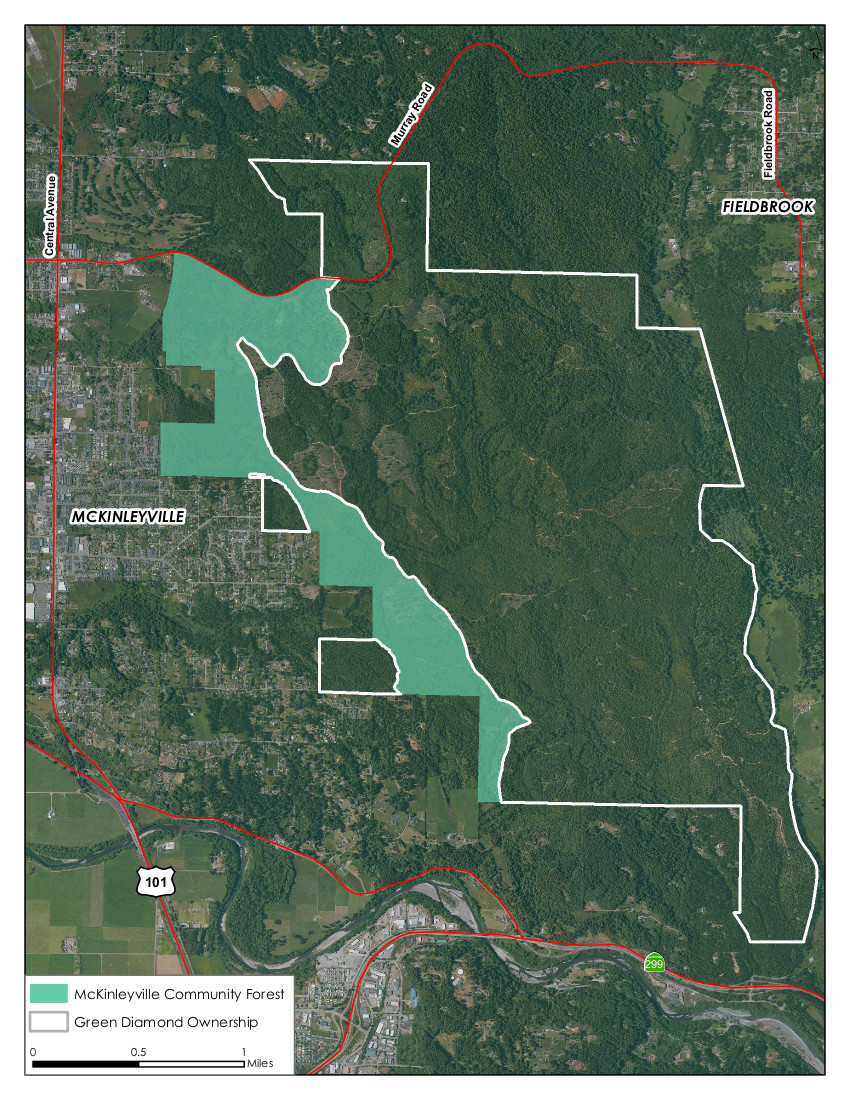
With
the land transfer complete, the McKinleyville Community Forest is
officially open to the public, with two designated yet undeveloped
access points along Murray Road. Note
that the
Green Diamond timberlands east of the community forest will remain
closed to the public.
“It
has taken us nine years to get to this point, but now the real work
begins,” stated Kaspari. “We invite the public to enjoy the
Community Forest and contact us to help plan and implement the trail
improvements, watershed restoration, tree planting, and all the other
projects that we will be initiating for this community asset.”
Press release from the Humboldt County Drug Task Force:
Toohey
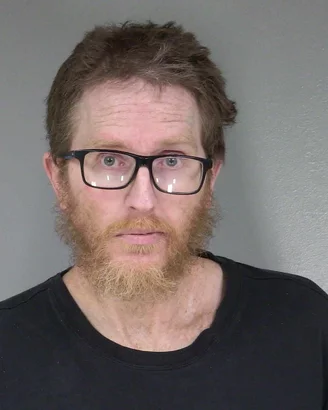
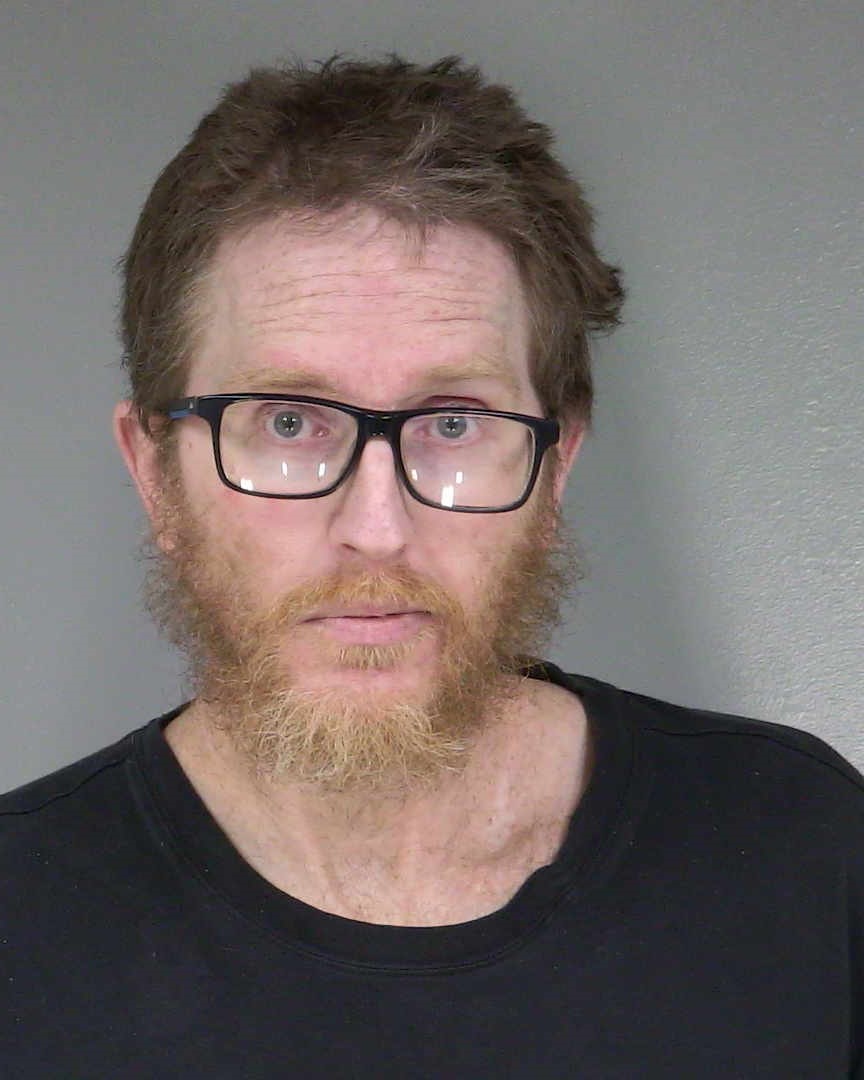
On February 1st, 2024, Humboldt County Drug Task Force (HCDTF) with assistance from the Fortuna Police Department and the Rio Dell Police Department, served a search warrant on Thomas James TOOHEY (44 years old from Humboldt County). HCDTF Agents observed TOOHEY travel from Humboldt County to the Bay Area. Upon TOOHEY’s return to Humboldt County, Agents conducted a traffic stop on his vehicle. FoPD Officer Stephens and his K9 partner Cain conducted an open-air sniff on the vehicle. K9 Cain alerted to the vehicle indicating drugs were present.
Inside the vehicle, Agents located Thomas TOOHEY, over a half pound of fentanyl and approximately 3 grams of methamphetamine.
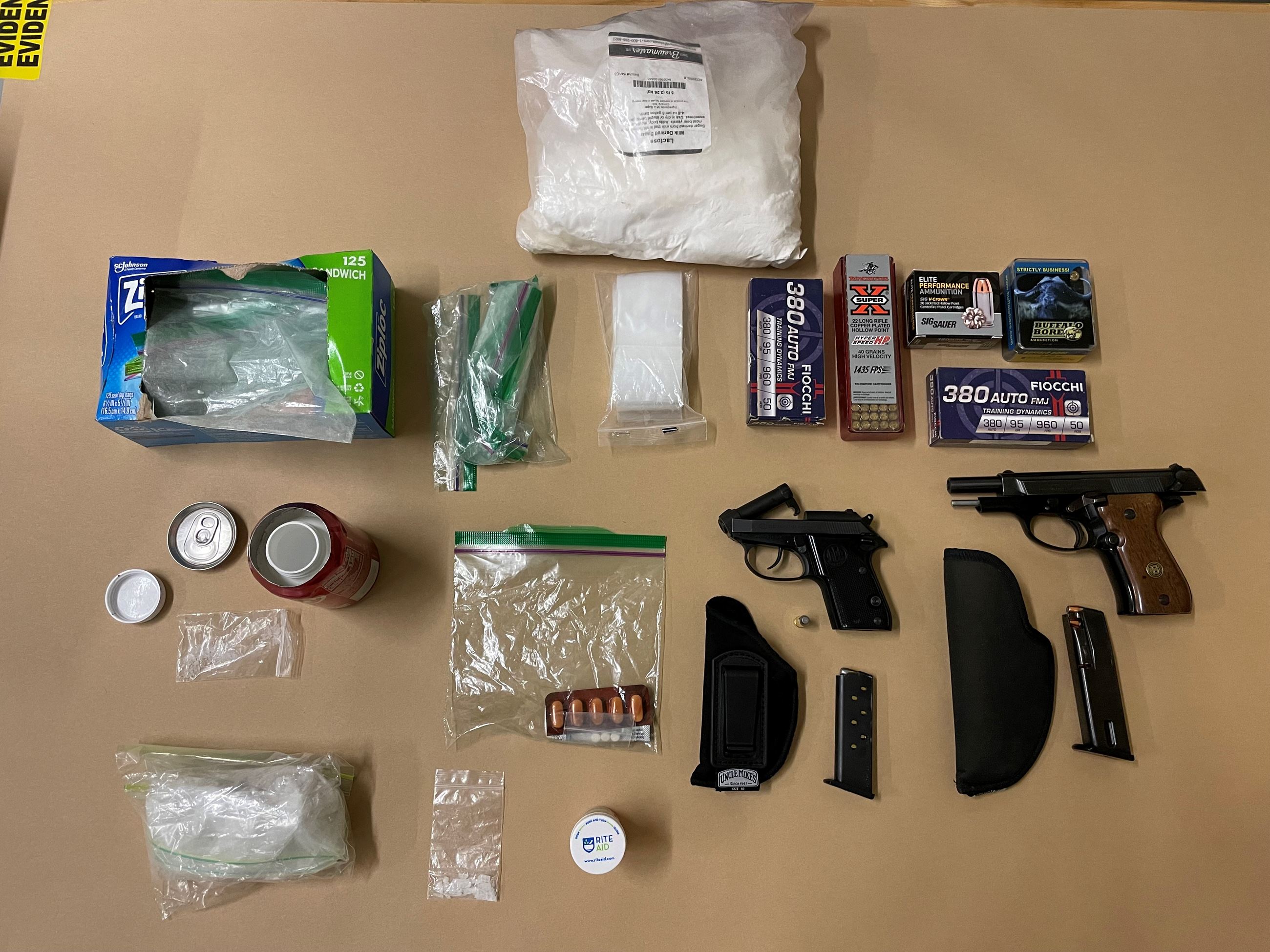
Agents then travelled to TOOHEY’s residence, in the 600 block of Side Street in Rio Dell where they located two firearms, ammunition, a large amount of lactose (cutting agent for Fentanyl), 2 grams of methamphetamine, approximately 30 grams of non-prescription narcotics, indicia and packaging materials.
Thomas James TOOHEY was transported to the Humboldt County Correctional Facility where he was booked on the following charges:
HS11351- Possession of controlled substance for sales
HS11352(A)- Transportation of a controlled substance
HS11352(B)- Transportation of a controlled substance through noncontiguous counties
PC29800(A)- Convicted Felon in Possession of a Firearm
HS11377(A)- Possession of a Controlled Substance
HS11366.5(A)- Maintaining a Drug House
PC30305(A)- Felon in Possession of Ammunition
HS11370.1(A)- Possession of a Controlled Substance while Armed
HS11378- Possession of a Controlled Substance
Anyone with information related to this investigation or other narcotics related crimes is encouraged to call the Humboldt County Drug Task Force at 707-267-9976.
A Ford F-150 Lightning is assembled at the Ford River Rouge complex in Dearborn, Michigan on April 4, 2023. Photo by Emily Elconin for CalMatters
Has California’s transition to electric cars hit some bumps in the road? Even though Californians are buying them in record numbers, several industry setbacks have been reported in recent months.
Today, the California Energy Commission provided another piece of the puzzle: Sales of electric cars in California reached record levels last year, with 446,961 sold, up 29% from 2022, according to Veloz, a nonprofit that works with the commission to promote electric vehicle growth in California.
But while sales of electric cars are still growing, it’s a slower pace of growth than the previous year: 2022 sales increased 38% from 2021.
During the final three months of 2023, Californians purchased 103,127 electric cars, an 8% increase over the same period in 2022. Fourth quarter sales last year were down 14% from the third quarter. But sales typically slow in the fourth quarter, and higher interest rates may have played a role, the commission said.
Nick Nigro, founder of Atlas Public Policy, which researches the electric car market, said the transition to electric cars might be slower than some automakers and experts anticipated.
“Recognize where we are in a once-in-a-century transition — we’re in the very early stages,” Nigro said. “Even though EVs have been around for about 14 years, in this current iteration they only really started to pick up sales nationally in the last five years or so.”
“It’s no surprise that the industry is going to have to adjust their expectations,” he added.
So far, the increased market share for electric vehicles means California is moving toward hitting its goals: Electric vehicles in California made up 25% of the new car market last year, up from nearly 19% in 2022. The state has mandated that 35% of new 2026 cars sold must be zero-emissions, ramping up to 68% in 2030 and 100% in 2035.
“Transportation electrification is rapidly unfolding,” David Hochschild, chair of the California Energy Commission said in a recorded video announcement.
The pace of California’s transition matters because it is far and above America’s leader in sales, and a rapid transition to electric vehicles is key to slashing greenhouse gases responsible for climate change.
When originally introduced, Ford’s electric F-150 Lightning was so popular it had a three-year waiting list. But in January, the company said it was cutting production at its Rouge Electric Vehicle Center in Dearborn, Mich., from two shifts to one, with some workers transferred to factories assembling gas-powered cars. Sales of the electric truck were up 55% in 2023 and Ford projected “further growth for 2024,” but said it was making the changes to better meet customer demand of its pickups.
Automakers “have financial challenges…But every one of them is just delaying. Not one of them is canceling.” — Daniel Sperling, UC Davis Institute for Transportation Studies.
Daniel Sperling, director of the Institute for Transportation Studies at UC Davis, cautioned about reading too much into the delay of the Ford F-150 Lightning. One interpretation, he said, is that the car was simply not the right product, calling it a “retrofitted vehicle” in which “they just pulled out the drive.”
What’s more, there could be broader financial reasons for the F-150 Lightning slowdown. Sales of all cars slowed last year and legacy automakers faced cash flow challenges and a strike from the United Auto Workers union.
“They’ve got financial challenges, so if they can come up with an excuse to slow down their investments, they’re going to do it,” Sperling said. “But every one of them is just delaying. Not one of them is canceling.”
Earlier this year, Hertz said it was selling its 20,000 electric car fleet. In an interview with The New York Times, Hertz Chief Executive Stephen Scherr blamed price cuts by Tesla for lowering the resale value of the cars, and added that they were more expensive to repair and more likely to be involved in collisions.
Last year, sales by Tesla, by far the leader in electric vehicle sales, sold 230,589 cars, up from 185,090 in 2022, according to the California New Car Dealers Association. But sales dropped in the final three months of the year to 47,592 from 52,782 over the same period the year before. Analysts say that a variety of factors may be at play, such as lower resale value after Tesla’s sticker prices dropped.
One of the biggest problems facing electric car adoption across the U.S. — and the world — is the need for more seamless charging.
A lack of adequate public chargers has become a major impediment as customers begin to weigh electric cars as an alternative to gas-powered vehicles. To that end, the Biden administration is pouring some $623 million into charging projects across the nation, with California getting $168.5 million.
While California is meeting its goals for new electric car and truck sales, the state is projecting that it will need a much more robust electric charging network to support its ban of new gasoline-powered cars by 2035 and serve all drivers statewide.
California’s efforts to support electric car sales could also be stymied by its budget issues. Last year, California eliminated its popular electric car rebate program to focus on providing subsidies only to lower-income car buyers through the Clean Cars 4 All program, which has strict income limits.
This year, Gov. Gavin Newsom has proposed a three-year delay for additional funding for that program, along with other programs aimed at increasing lower-income Californians’ access to cars.
Bill Magavern, policy director of the Clean Air Coalition, said he’s concerned that it could leave low-income communities behind. He thinks the funding delays will likely result in cuts to the program.
“We’re very disappointed in the governor’s proposal because he literally made a promise that he’s not keeping,” Magavern said. “It’s really a fiction to say, well, we’re maintaining this funding, we’re just delaying it by three years.”
Globally, electric car sales are likely to face a “reality check” this year “given consumer apathy over a lack of fast public chargers and high prices, though China is an exception,” according to a report by Bloomberg Intelligence.
Sales of electric calls in Europe fell for the first time since April of 2020, according to the European Automobile Manufacturers’ Association. And analysts have warned that German carmakers are falling behind Tesla and Chinese models as global competition intensifies.
###
CalMatters.org is a nonprofit, nonpartisan media venture explaining California policies and politics.
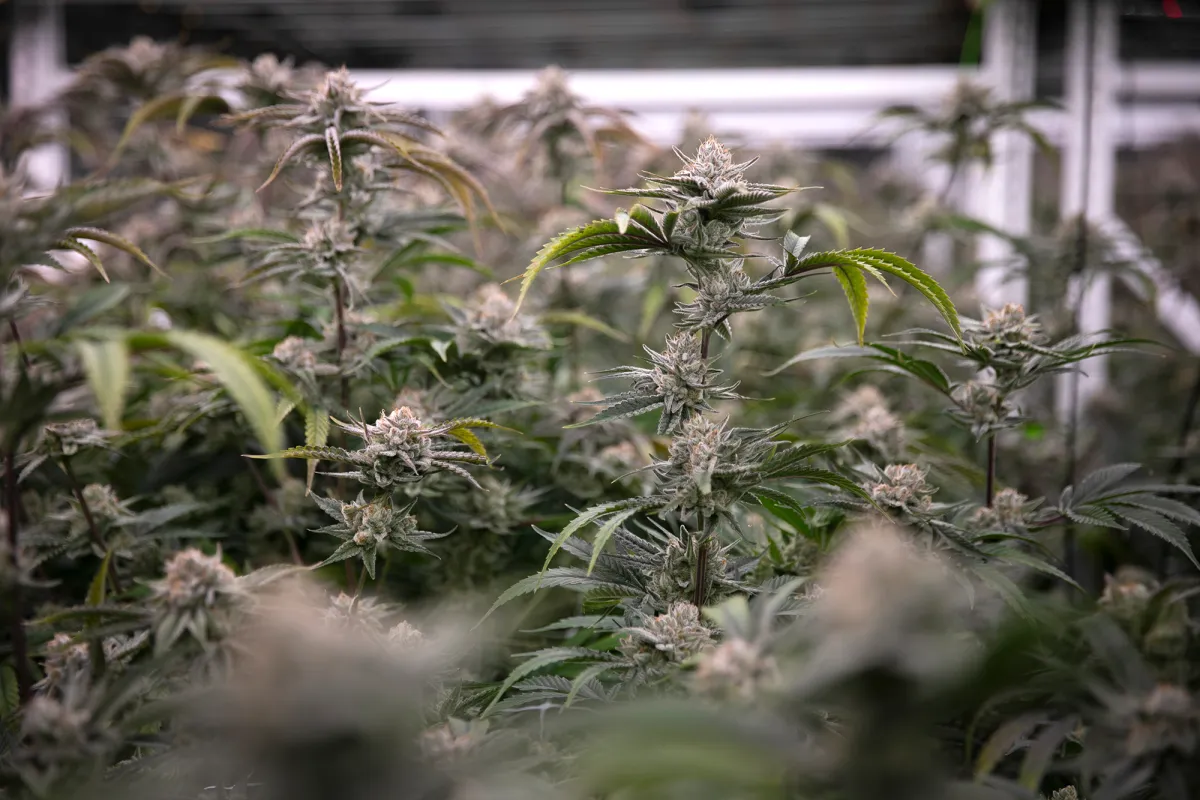
Cannabis plants. Photo by Miguel Gutierrez Jr., CalMatters
A Humboldt County cannabis grower has agreed to pay $750,000, remove unpermitted ponds and restore streams and wetlands after state officials accused him of violating regulations protecting water supplies, wildlife and waterways.
Of the total, $500,000 is a record penalty for a water rights violation in California. State officials say the violations by Joshua Sweet and the companies he owns and manages, Shadow Light Ranch, LLC and The Hills, LLC, continued for years and were “egregious,” damaging wetlands and other resources.
Under the settlement, Sweet will have to pay an additional $1 million if the remediation work outlined is not completed.
In a statement to CalMatters, Sweet said, “If the full penalty and remediation costs were due today it would take everything I own.”
“Although I will follow through with my end of the settlement, I do not believe this is fair or just, and I believe I have already suffered way too much,” Sweet, a licensed cannabis cultivator, said in the emailed statement.
“Even during our court-mandated settlement conference, they were asked why they would go after a small independent businessman with these type of enormous fines usually reserved for huge corporations that destroy ecosystems.”
In the settlement, Sweet agreed that “developing the properties in Humboldt County … resulted in violations of the California Fish and Game Code and the California Water Code.”
“Although I will follow through with my end of the settlement, I do not believe this is fair or just, and I believe I have already suffered way too much.” — Joshua Sweet, Humboldt County cannabis grower
The companies’ 435 acres of land are part of the Emerald Triangle, where cannabis reins. Springs and streams of the Bear Canyon Creek Watershed cross the land and eventually drain into the South Fork Eel River — a wild and scenic river that provides critical habitat for threatened and endangered species of steelhead, Chinook and coho salmon.
The agreement, approved by the Humboldt County Superior Court and announced last week, is the culmination of years of inspections by state water and wildlife officials dating back to 2016, according to the timeline outlined in the initial complaint.
It “resolves violations … that include: the owner’s destruction of wetland habitat and stream channels; conversion of oak woodland to grow cannabis; and failure to … satisfy permitting requirements,” the state’s announcement of the deal said.
Yvonne West, director of the State Water Resources Control Board’s office of enforcement, said Sweet didn’t have authorization to divert water to the reservoirs and use it. Between 2017 and 2020, Sweet took about 16.2 acre-feet of water for three ponds, according to an email from the water board — approximately enough to supply about 49 households for a year.
“The ordered penalties are modest given the scope of damage, the length of time the site has been left unremediated and considering the unjust enrichment or benefit to Mr. Sweet from running a business for several years without going through the necessary permitting process,” said Jeremy Valverde, assistant chief counsel at the California Department of Fish and Wildlife, in an emailed statement.
Sweet and his businesses “for years resisted our attempts to cooperatively work on restoration and recovery of those resources, leaving formal enforcement as our only option,” said Joshua Curtis, the North Coast Regional Water Quality Control Board’s assistant executive officer.
Sweet said, though, that the case didn’t have to play out like it did. “Offers were made and denied,” he said. “There would be no settlement without their need to ‘make an example of me first’.”
“The ordered penalties are modest given the scope of damage, the length of time…and considering the unjust enrichment or benefit to Mr. Sweet from running a business for several years.” — Jeremy Valverde, California Department of Fish and Wildlife
State lawmakers floated a bill last year that could triple the fines for water rights violations, though the bill has thus far stalled. And in 2022, a new law enhanced penalties for cannabis-related violations to $3,500 per day,though this took effect after then-Attorney General Xavier Becerra filed the complaint.
“This was an ongoing use by Mr. Sweet and the penalties are over an approximately four-year period for unauthorized diversion and use of water to support cultivation,” West said. “Five hundred dollars a day, multiple violations over a four-year period, does really add up. And then again we did have the additional types of violations at play here as well.”
The cannabis operation’s complex irrigation system came to state officials’ attention after Sweet notified the Department of Fish and Wildlife of plans to further develop the property in 2015, the 2020 complaint said.
Over the years, inspections by state agencies turned up “violations … for unlawful alteration of the bed, channel, or bank of a stream and … unlawful sediment discharge into waters,” the complaint said. They also turned up storage tanks and three storage ponds, two of which predated his ownership and one that, according to the complaint, Sweet had constructed despite the warning that it needed a permit.
The pond was in a location that “disturbs/inundates wetlands with a direct hydrologic connection and discharge to a … tributary to the South Fork Eel River,” the complaint says.“Additionally, the Property’s other ponds, multiple illegal stream crossings, and road-associated landslide discharge or threaten to discharge to unnamed tributaries of the South Fork Eel River.”
The pond is one of the reasons state officials considered the case egregious, West said. “We didn’t have the opportunity to review and catalog the status of that wetland or the benefits of that wetland before it was destroyed.”
Sweet, the grower, said the lengthy process “has caused so much undue and unnecessary strain, pain, and suffering on me and my health, my family, my friends, and this community.”
“I thought what I was following the law and had hired the proper professional team to abide by the myriad of requirements,” Sweet added. “My suffering does not end, and I will continue to struggle for the foreseeable future. Which is, I guess, what they wanted.”
###
CalMatters.org is a nonprofit, nonpartisan media venture explaining California policies and politics.