

Stage Set for County’s March Primary Election: Five Challengers Face Three Incumbent Supervisors
Ryan Burns / Monday, Dec. 11, 2023 @ 3:41 p.m. / Elections
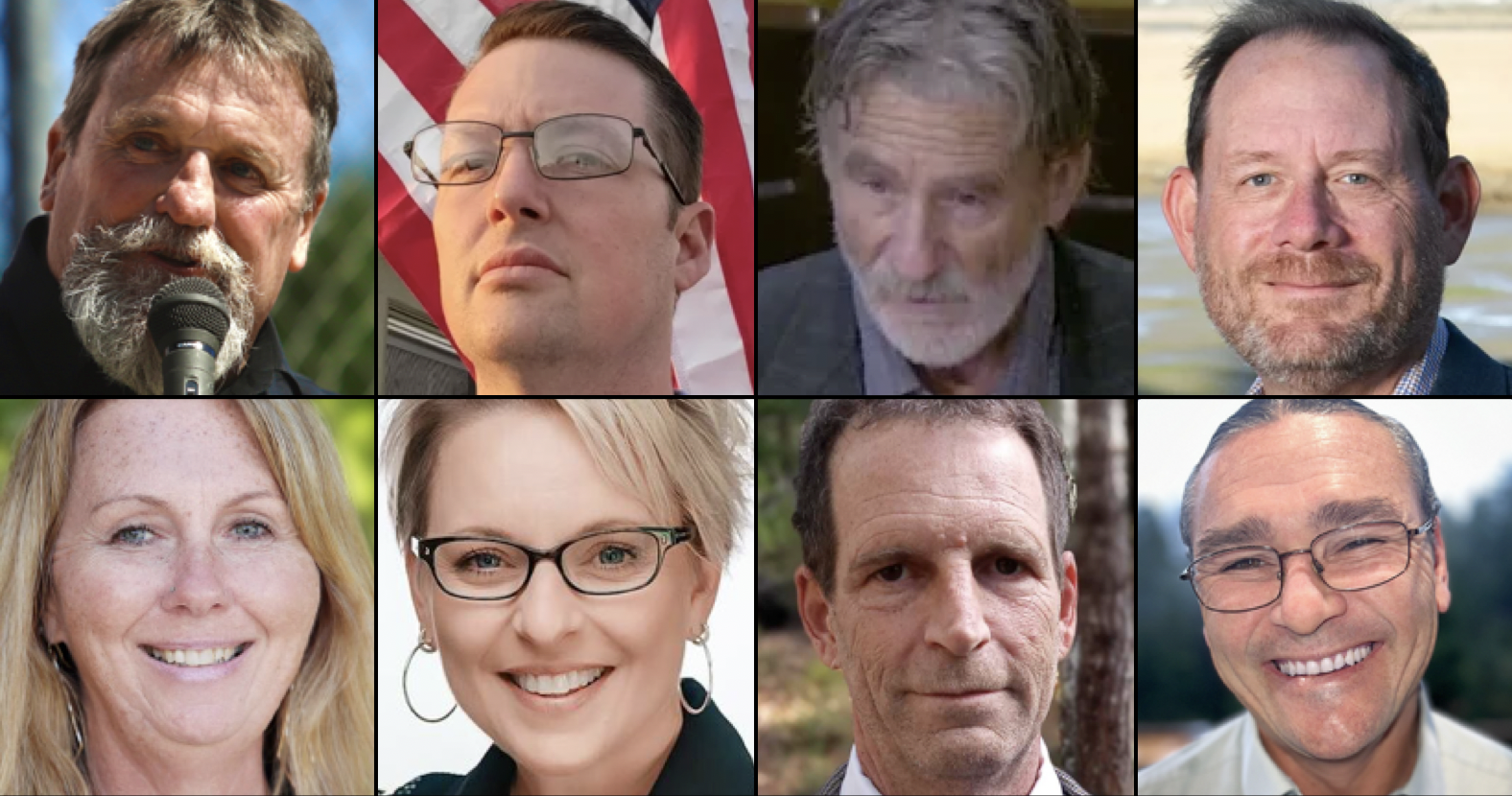
Clockwise from top left: First District Supervisor Rex Bohn, Gordon Clatworthy, Gerald McGuire, Third District Supervisor Mike Wilson, Rogelio “Roy” Gomez, Brian Roberts, Jeana McClendon, Second District Supervisor Michelle Bushnell.
###
Hard as it may be to believe, we’re just 85 days from California’s March 2024 primary election, and here in Humboldt the stage is set for three contested county supervisor races.
Friday was the deadline to submit nomination paperwork to the Humboldt County Elections Office, so the faces you see above represent the full roster of eight candidates vying for the three county supervisor seats. That includes the three incumbents along with five challengers.
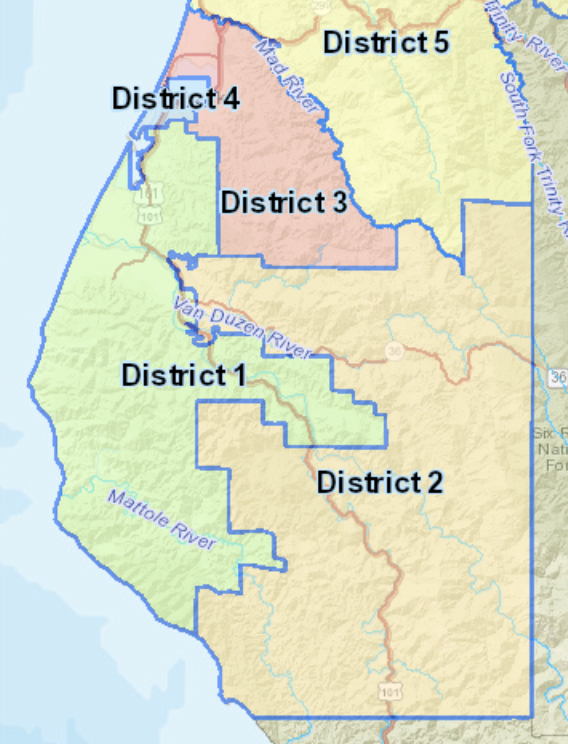
Map of the county supervisorial districts, cropped to highlight those in contention this cycle. | County of Humboldt.
Politically, at the county level, the past three years have been largely dominated by issues related to cannabis regulations, including the temporary suspension of Measure S taxes as a sop to growers struggling to survive in the collapsing legal market. That downturn contributed to the county’s recent budgetary woes, including a $17.7 million deficit as staff sought to emerge from a period of fiscal chaos and confusion.
Meanwhile, development projects — including a $650 million land-based fish farm alongside the federal push to construct massive floating wind energy infrastructure 20 miles off our coast — promise the kind of economic boost this region hasn’t seen in decades, though critics continue to question the potential environmental costs.
With that backdrop, below you’ll find a quick rundown of the three county supervisor races for Humboldt County’s March 5 primary. The Outpost is also relaunching its heralded LoCO Elections page, where readers can submit questions directly to candidates, who are invited to reply.
One quick logistical note: With three candidates in both the 1st and 2nd District races, there’s a distinct possibility of November runoffs. If none of the three contenders earn 50 percent of the vote plus one then the highest two vote-getters will advance to a showdown in the big Presidential Election on Nov. 5.
District 1

Bohn
Incumbent Rex Bohn is Humboldt County’s longest-serving supervisor, and he’s running for a fourth term, which he says would be his last. At his campaign kickoff event in August, Bohn highlighted this experience as a big plus, noting his service as chair of the Rural County Representatives of California (RCRC), vice chair of the Rural Action Caucus and an appointment to the National Association of Counties.
“I like servin’ the people,” Bohn said at the event.
Bohn found himself in unfamiliar territory over the past two years as the election of progressive Natalie Arroyo to the 4th District seat in 2022, replacing Virginia Bass, meant that he’s found himself in the minority on quite a few votes.
He’s also faced some controversy, including fallout over inflammatory comments made by his Planning Commission appointee, Alan Bongio (who later stepped down) and questions about his judgment after he included a handgun among the “Humboldt County”-themed items in a charity auction basket.

Clatworthy
Bohn’s first challenger, Coast Guard veteran and comedy show co-host Gordon Clatworthy, tossed his hat into the ring in August, and in a pair of interviews with the Outpost he said he’d like to address the county’s homelessness and mental health problems and re-evaluate county spending priorities.
He also vowed to “replace or repeal” the controversial Humboldt Cannabis Reform Initiative, a ballot measure that has not yet passed and, if it does, could only be repealed by voters. And he made reference to an ongoing investigation into Bohn, though he declined to offer specifics.
Clatworthy has launched a campaign website, which refers to him “the progressive voice of the 1st District,” and a couple weeks ago he participated in an “Ask Me Anything” (AMA) forum on Reddit.
McGuire
Bohn is also being challenged by Fields Landing resident Gerald McGuire, though there’s not a whole lot to say about his candidacy thus far.
McGuire submitted his candidate intention statement to the county elections office on Nov. 13, but he has not answered phone calls from the Outpost, and we’ve been unable to leave him a message as his voicemail box is full. Nor did he reply to a text, and we’ve been unable to locate any website or Facebook page for his campaign.
McGuire did appear before the Board of Supervisors in September to protest the revocation of a Coastal Development Permit for his property.
The board vote unanimously to revoke the permit, citing notices of violation and nearly two decades’ worth of complaints from neighbors over the substandard conditions of his property, including “accumulation of junk, solid waste, scrap, miscellaneous items and debris,” according to a staff report.
District 2
Bushnell
Incumbent Michelle Bushnell is partway through her first term representing the 2nd District, having replaced former Supervisor Estelle Fennell.
Owner of a clothing and Western-wear store in Garberville, Bushnell is also a licensed cannabis cultivator who won her seat largely by promising to be a voice for the industry. Because of her involvement in the industry, Bushnell followed the advice of the Fair Political Practices Commission and recused herself from a 2022 vote on Measure S tax relief. However, despite “conflict of interest” grumbling, Bushnell has participated in other weed-related votes, saying she’s only required to recuse herself when there’s a direct financial interest involved.
Her fervor in advocating for growers has not been questioned, though in 2022 an employee from the county Planning and Building Department complained about her methods, accusing her of inappropriately interfering in the cannabis permitting process by advocating (quite passionately) on behalf of an applicant while disregarding evidence that the applicant had violated a number of county codes.
An outside investigation sustained the allegation that she’d violated the county’s code of conduct by mistreating that staff member, and Bushnell apologized.
Bushnell announced her re-election campaign in October, citing her hard work, open lines of communication and responses to recent natural disasters. She has a campaign Facebook page and website, which features a list of endorsements.
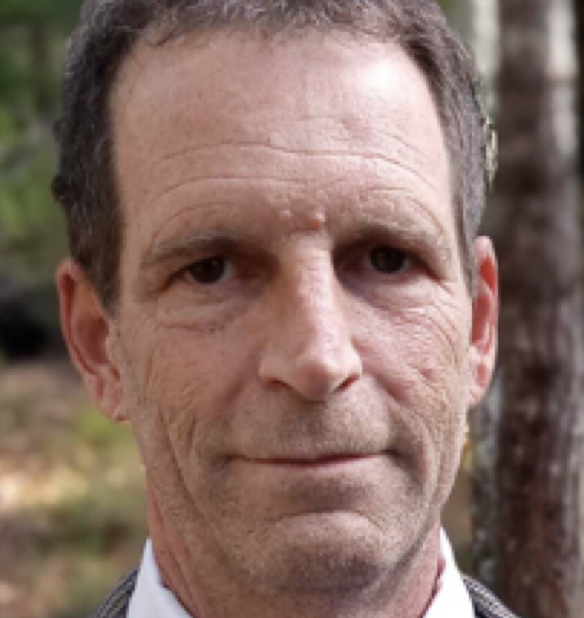
Roberts
Challenger Brian Roberts lives on 44 acres outside of Blocksburg in a very rural part of Southern Humboldt. When we reached him by phone this morning he said he and his wife had been up late dealing with feral pigs tearing up their field in the night.
“I’m pretty much running for District 2 to change the status quo from the last several years,” Roberts said. He filed to run four years ago, too, but dropped out amid a crowded field.
“Michelle said the right things at the time, [saying] she’d advocate for small farmers … ,” Roberts said. “Unfortunately, in the last four years I think none of [her promises] came true.”
Roberts has his own 10,000-square-foot grow operation, and this past summer he clashed with county staff and supervisors over disputed inspection and permitting fees.
Roberts said the county tends to prioritize certain applications (namely, those of large, well-funded folks) while de-prioritizing others, and he described American politics as a one-party corporate system.
“I offer honesty above all else, respect for all people and integrity to serve the entire county,” Roberts told the Outpost. Formerly the owner of a Los Angeles-based clothing company, he has a campaign page up and running on Facebook.
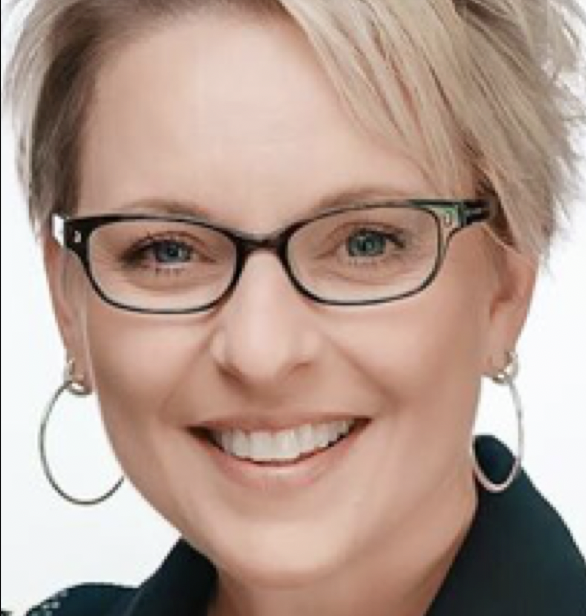
McClendon
The other 2nd District challenger, Jeana McClendon, submitted the necessary paperwork last Thursday, and in a phone conversation with the Outpost this morning she said people have approached her for years asking her to run for various elected positions.
“I feel I have a calling for public service,” she said. “It inspires me; it’s what makes me tick. … I’ve been asked to run and I’ve answered the call.”
McClendon and her husband own George’s Glass, a longstanding windshield replacement and repair shop in Fortuna, and over the past two decades she has owned several other local businesses, including a coin-operated laundromat, a sub sandwich restaurant and, currently, Main Street Coffee Co. in Ferndale.
McClendon described herself as upbeat, with a reputation for being diplomatic and getting things done. In a candidacy announcement posted to our LoCO Elections page, she says the county faces urgent challenges.
“Our housing crisis has exacerbated homelessness, internal conflicts plague our county government and cannabis growers need clarity on rules and regulations that are evenly enforced,” the statement reads. “We will not fix these problems … with division and performance art. I will bring a new leadership style to the Board, one devoid of negativity, false promises and political posturing.”
District 3
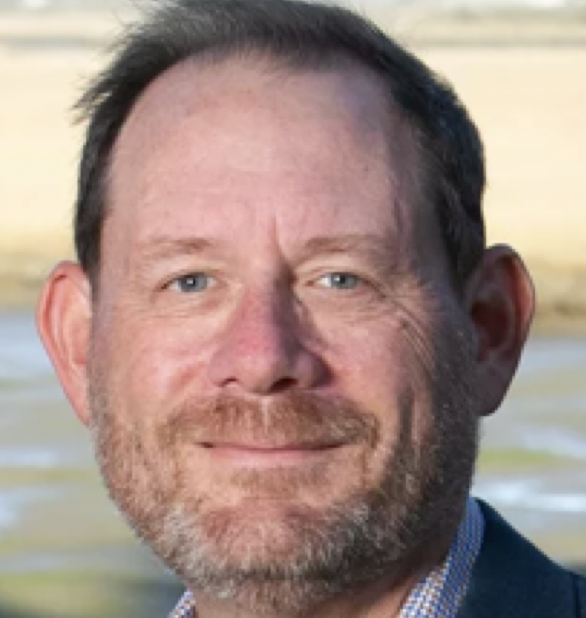
Wilson
Up in the 3rd District, incumbent Mike Wilson is seeking a third term, following nine years on the board of the Humboldt County Harbor, Recreation and Conservation District.
An environmental engineer by trade, Wilson was appointed to the California Coastal Commission in 2019 by Gov. Gavin Newsom, who had previously rejected all four nominees who’d been put up for the seat, including Eureka City Councilmember Natalie Arroyo, who would go on to win the 4th District seat on the Humboldt County Board of Supervisors.
In 2019 Wilson was one of four supervisors to reject a controversial proposal by energy company Terra-Gen to build 47 wind turbines atop Monument and Bear River ridges, south of Rio Dell.
In his re-election campaign announcement, Wilson cites his work “to increase safe and walk-able neighborhoods, protect cherished open landscapes, create affordable housing, increase renewable energy production, and expand emergency and long-term mental health services.”
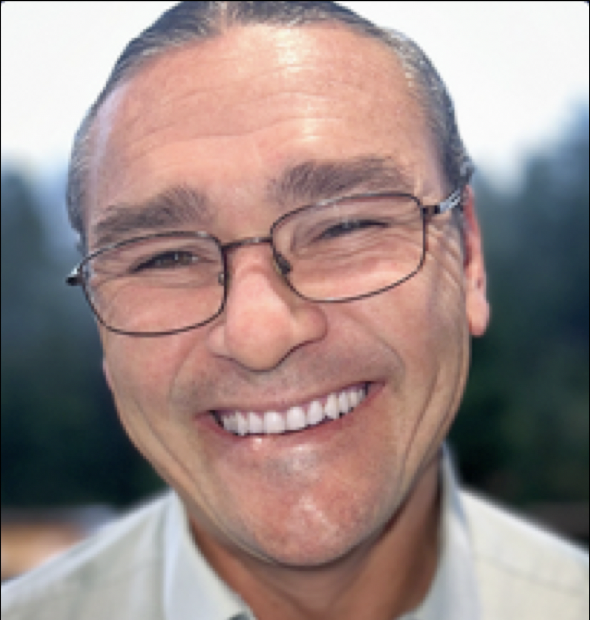
Gomez
Wilson’s lone challenger is Rogelio “Roy” Gomez, owner of Eureka cannabis dispensary Heart of the Emerald and a frequent commenter at Eureka City Council meetings, where he has accused several members of being “undemocratic anarchists” out to dismantle capitalism.
Reached by phone this morning, Gomez described himself as a “defector” from the Democratic party who’s frustrated by the country’s binary political polarization.
He said this division “sometimes restricts candidates from voting their conscience, as opposed to [following] party lines,” adding that he’s running as an independent.
The position of county supervisor is non-partisan, of course, but Gomez said the two-party system still influences county politics, with Wilson having connections to the Humboldt County Democrats.
Gomez said he looks forward to having a good conversation, rather than a debate, with Wilson, explaining, “As much as I want to call it a debate, I think Mike and I could discuss the issues [and] have a good community discussion about where we see our future.”
In his campaign announcement Gomez says “governing from the middle will allow me to build the consensus needed amongst my constituency to make decisions on behalf of ALL the people. If elected, I will promote the use of diplomacy, transparency, and ethical standards in our local government.”
BOOKED
Today: 7 felonies, 13 misdemeanors, 0 infractions
JUDGED
Humboldt County Superior Court Calendar: Yesterday
CHP REPORTS
No current incidents
ELSEWHERE
RHBB: MP18 Fire Grows to 5,202 Acres as Unhealthy Smoke Settles Over Hoopa
RHBB: 780-Foot Cruise Ship Scheduled to Dock in Humboldt Bay Next Friday
RHBB: Trinity County Fair Association to Host Community Meeting on Fair’s Future
RHBB: Humboldt County Planning & Building Department to Host Public Meetings to Discuss Housing Element
In Open Letter to the City, Eureka Police Department Rank-and-File Ask For Public’s Understanding and Help in Face of Severe Understaffing
Hank Sims / Monday, Dec. 11, 2023 @ 2:25 p.m. / Local Government

Photo: Andrew Goff.
Eureka police are working overtime and the department’s services have been slashed in recent years, all because the city can’t find enough people who want to be Eureka cops.
That’s the message to the community from the Eureka Police Officers Association — the bargaining unit that represents the EPD’s rank-and-file officers. In an open letter sent out over the weekend, the EPOA enumerated the challenges the department is facing with, it says, only 60 percent of the normal sworn officer positions filled.
“We’ve never really told the public what we’re going through,” EPOA President Detective Joseph Couch told the Outpost this morning. “The general citizen, I would like to think, would like us to be up front with them.”
Couch said that it was important to the association to not place blame anywhere in particular. He said that EPD command staff have been “working relentlessly” to try to fill vacant positions, and he acknowledged that understaffing has been a problem in police agencies across the nation.
But the association’s membership felt that a direct address to the community it serves was important at this time, with so many officers burnt out over mandatory overtime. They’re still out there answering calls, but some services — such as the Problem Oriented Policing unit and the dedicated Old Town officer — are luxuries that the department simply cannot afford at this time.
“Despite
what we’re going through, we’re going to be doing everything we
can to answer calls and keep the public safe,” Couch said.
The EPOA ends the letter with an appeal to local citizens who might feel a calling to serve.
Open letter from the Eureka Police Officers Association:
To the community we serve,
Over the last couple of years, EPD has experienced a rapid loss of numerous and experienced Police Officers. With the recent departures, Eureka is currently operating with 60% of its normal level of Police Officers. This number fluctuates with officers being on different forms of leave or departing to other agencies. This severe shortage has created a significant impact on EPD’s ability to proactively police the community while also answering calls for service.
To adjust for this drastic shortage, our dedicated Police Officers have been working mandatory overtime, while adjustments have been made to reduce the effectiveness of proactive specialty safety teams. Cuts affecting safety have been applied to:
- Our Problem Oriented Policing (POP), responsible for investigating problematic houses, illicit drug sales, issues of violence and arresting high-level fugitives, has been dismantled.
- The Community Safety Engagement Team (CSET), charged with addressing issues of homelessness, mental illness, and addiction, remains intact, but is operating at a deficit.
- The Criminal Investigations Unit (CIU) is currently operating at a similar reduction. CIU is responsible for solving major crimes like homicides, violent assaults, sexual assaults, and crimes against children.
- Even the Old Town Officer position, which provides crucial coverage to citizens, businesses, and tourists in the heart of the City, has been vacant due to staffing levels.
- The Traffic Unit, which is responsible for investigating all traffic related issues, including general traffic safety enforcement and major collisions within the City of Eureka has been dismantled for several years.
EPD Officers assigned to existing specialty units have been working extra patrol shifts, on top of their assigned duties, so the department can simply meet the minimum staffing requirements in order to safely patrol the streets and respond to calls for service.
The Eureka Police Department’s Administrative staff, to include the Chief, Assistant Chief and both Commanders have been working relentlessly to alleviate the staffing struggles. A Recruitment Board was created to manufacture new and creative ideas that could potentially inspire local and outside Lateral Officers in joining the Eureka Police Department team. Administrative Staff have consistently worked together with the Eureka Police Officer’s Association (EPOA), and they have made every attempt to ensure each patrol shift is properly covered. After many discussions, Administrative Staff and the EPOA have determined it will be more appropriate to implement the emergency staffing matrix, which will require Patrol Officers to work mandatory 12.5 hour shifts during their work week. This type of staffing will allow for each patrol shift to be properly covered, and it will prevent Officers from being ordered in so that minimum staffing requirements are met. This same Administrative staff have also continuously listened to current Officers, and they have made every attempt within their authority to provide incentives that could lessen the burden of low staffing.
Despite these challenges, our mission hasn’t changed. We will continue providing the best service possible to keep our city a great place to live, raise a family, and own a business. We will ensure your calls for assistance are still answered and handled exceptionally, respectfully and as promptly as possible.
We call upon our community to actively support our efforts to increase the number of Police Officers to a fully operational level at the Eureka Police Department. We strive to retain and recruit quality people and encourage our community to participate in this process.
We urge you to be active in local government, express your approval and disapproval of policies affecting public safety and, if serving your community is your calling, please join our ranks!
Judge Gregory Kreis Announces Re-Election Campaign, Will Hold Rally at the Gazebo Wednesday
LoCO Staff / Monday, Dec. 11, 2023 @ 11 a.m. / Elections
NOTE: Judge Kreis, running for reelection, has a challenger — April Van Dyke, an attorney formerly with the Alternate Conflict Counsel’s office.
Press release from the Judge Gregory Kreis reelection campaign:

Judge Gregory J. Kreis Announces Candidacy Opening Rally for Re-election as Humboldt County Superior Court Judge
Humboldt County, December 4, 2023 - Esteemed jurist and community leader, Judge Gregory J. Kreis, is pleased to announce the official opening rally for his re-election campaign as Humboldt County Superior Court Judge. The event will mark the beginning of a grassroots movement to continue serving the citizens of Humboldt County with integrity, dedication, and a steadfast commitment to justice.
Date: December 13, 2023 Time: 12:15 p.m. Location: Old Town Eureka Gazebo
The opening rally will serve as a platform for Judge Kreis to connect with the community, share his vision for the future of the Humboldt County Superior Court, and express gratitude for the support received thus far.
About Judge Gregory J. Kreis:
Judge Gregory J. Kreis has been a part of the Humboldt County community for almost two decades. His journey, from pursuing education at the College of the Redwoods and Humboldt State University to serving the community at the Public Defender’s Conflict Office and being appointed as a Superior Court Judge in 2017, reflects a deep commitment to public service and a passion for the fair administration of justice.
Campaign Vision:
Judge Kreis’s re-election campaign centers on a commitment to justice, fairness, and community engagement. Throughout his tenure, he has demonstrated leadership as the Presiding Judge and has successfully navigated challenges, including power outages and the COVID-19 pandemic, ensuring that the court remains accessible to all.
Opening Rally Highlights:
Address by Judge Gregory J. Kreis: Hear directly from Judge Kreis about his vision for the future of the Humboldt County Superior Court and his dedication to serving the community.
Community Engagement: Engage in meaningful conversations with Judge Kreis and learn more about how you can actively participate in the campaign.
Supporting a Strong Judiciary: Join the movement to uphold the values of justice, fairness, and impartiality in our legal system.
How to Attend:
The opening rally is open to the public, and all community members are encouraged to attend and show their support for Judge Gregory J. Kreis.
Getting Car Insurance Gets Harder: California Drivers Face Delays, Higher Rates
Levi Sumagaysay / Monday, Dec. 11, 2023 @ 7:41 a.m. / Sacramento

Illustration by Miguel Gutierrez Jr., CalMatters; iStock
If you’re having trouble finding affordable car insurance, you’re not alone. Drivers across California say they’re having to wait longer than usual to get coverage — and when they finally find an insurer and a plan, they’re having to pay their premiums up front.
“Something is definitely not right,” said Willis Lai, a 36-year-old driver from the Bay Area who said it took him three weeks to find insurance for his new Honda Accord hybrid after he contacted all the major insurance providers whose jingles he could remember.
He’s not the only one. For the past year, drivers have been complaining in online forums such as Reddit and Facebook about higher premiums, delayed quotes, questionable insurer behavior and more. The California Department of Insurance is looking into similar complaints. Meanwhile, insurers have complained that their costs are rising, and that the state has been slow to approve their requests to raise their rates partly because of what they say are California’s cumbersome regulations.
“All auto insurance companies admitted in this state are required to write all ‘good drivers,’ and we are currently investigating these issues to determine whether or not the alleged actions are in compliance with insurance law,” said Michael Soller, deputy insurance commissioner and spokesperson for the state’s insurance department.
The insurance department also is in the middle of setting new regulations for fire insurance as some of the biggest insurers have pulled out of California, citing increased wildfire risks. That has led to skyrocketing premiums that some homeowners have said they can’t afford, and Gov. Gavin Newsom issued an executive order in September directing the insurance commissioner, Ricardo Lara, to try to solve the problem.
In California, drivers who have had a license for the past three years and have not had more than one point on their record within that period are considered good drivers. California is one of only four states that requires insurers to sell insurance to good drivers, and is the only state that requires insurers to offer good drivers a 20% discount. It is also the only state that mandates that insurance premiums must be based on three factors: a driver’s record, experience and miles driven annually.
Yet insurance premiums vary widely depending on many factors, including different coverage levels, what type of vehicle, where the driver lives and more. For example, a single driver with four years or less of driving experience could pay anywhere from $2,000 to almost $20,000 a year, according to the comparison tool on the insurance department’s website. Considering his age and good driving record, Lai expected to find a policy that would’ve worked out to less than $200 a month.
Instead, Lai said he got an online quote from Geico for $750 for six months, but near the end of the process encountered a technical issue on the website and was directed to call an agent. That agent asked him to try again, and the second time around, he received a quote of about $1,000 for six months — which still would have worked out to about what he expected to pay, according to his research.
The state insurance department has approved a total of 111 rate increases so far this year. The department is reviewing 80 more such requests filed this year.
Lai said he ended up talking to three agents within a couple of hours, and was told he would have to wait 15 days — some insurers have instituted new, varying waiting periods and upfront payment requirements — and be mailed a confirmation. He asked if he could be emailed a confirmation instead but was told the company’s current policy is to use snail mail, even though Geico closed all its offices in California last year and is supposed to be offering policies online.
While he was waiting for Geico, he contacted Wai Cheng Insurance Agency, in Pleasanton, where an agent helped him get approved for coverage through Progressive on the same day.
He eventually received the confirmation from Geico, which asked him to provide copies of a utility bill, his vehicle registration and more. He said he was told that once he produced the required documentation, he would be contacted — again, by mail — to be informed of the next step.
“I think Geico was intentionally slowing down the process,” Lai said. “They made it way too hard to get insurance.”
A Geico spokesperson did not return a request for comment. But in a September letter to a deputy insurance commissioner in response to a consumer advocacy group’s questions about whether Geico has been limiting access to its auto insurance policies in California for the past five years, a company executive denied that the company was doing so.
“GEICO rejects the premise of the question in its entirety,” wrote Russell Ward, senior director of insurance product management for the company, in a letter that was obtained by advocacy group Consumer Watchdog and was seen by
CalMatters. “GEICO, to the best of its knowledge, is in full compliance with all California laws, regulations, and (California Department of Insurance) requirements,” Ward added. Among the specifics he mentioned: “Our website, mobile app, and digital offerings have been available for new business inquiries providing real-time preliminary quotes throughout this time period.”
Another driver, Victor Lopatyuk, said he had a similar experience with Geico as he sought to insure a 250cc dirt bike he had spent a year restoring. “Geico seemed reasonably priced,” said the 21-year-old driver, who lives on the Central Coast. “Then the packet arrived in the mail one hour before the deadline (for) sending back my information.”
Lopatyuk eventually found an agent who referred him to Progressive, but the interaction with the company left him feeling confused, “like they don’t really want me to go with them.” He said Progressive required an upfront payment for the year, and told him “It’s OK if you can’t pay that. We understand if it’s too much.” He paid the premium, which he said is a little less than $2,000 a year for 4,000 miles — more than what about a dozen of his friends who are the same age and driving similar bikes told him they are paying.
Why is this happening?
The rising premiums can be explained: The state insurance department has approved a total of 111 rate increases so far this year, Soller said, with 58 of those from requests filed this year. The department is reviewing 80 more such requests filed this year, he said, adding that there are more than 130 companies that offer auto insurance in California.
Data from the insurance department shows rate hikes ranging from 4% to double-digit percentages, with the highest auto premiums approved so far being a 62% increase from online car-insurance company Root Insurance, and a 65% increase for motorcycle insurance from Geico. The approved rate increases so far have averaged 13.2%, compared with an average of 10.6% in 2019, before the pandemic. In 2018, the average approved rate increase was 6.8%.
After sending $2.5 billion in rebates — at the request of the state insurance department — to some California drivers who were stuck at home because of pandemic lockdowns in 2020, insurers say their rate requests, which most insurers submit every year, are now urgent because people have resumed driving as usual, and costs of claims have risen along with prices of other goods and services. Also, they say the state’s insurance department didn’t approve any increases for more than two years — the department’s records show it approved 15 in 2020 and six in 2022.
So in early 2022, “we met with the department and said let’s talk about inflation, miles driven, loss costs, all of it,” said Denni Ritter, vice president for state government relations for the American Property Casualty Insurance Association, a national trade association for home, auto and business insurers. Ritter also said supply-chain issues during the pandemic that drove up the prices of cars and parts are factors in higher insurance premiums.
Those factors mean rising auto premiums aren’t unique to California. An S&P Global Market Intelligence report found big jumps in auto insurance rates across the nation, with California premiums up 9.7% from 2018 as of August — about in the middle among other states’ premium increases — though that includes the pause in insurance rate hikes in the state because of the pandemic.
“We urge consumers to contact us.”
— Michael Soller, spokesperson, California Department of Insurance
What is unique to the state is Proposition 103, which was passed in 1988 and contains a provision that requires hearings for any personal insurance rate increase requests above 7% if a member of the public challenges it. Because of that provision, insurers consider California to be the “worst market,” said Vanessa Wells, an attorney who represents insurance companies and said the hearings can sometimes take a couple of years.
Because asking for a 7% increase comes with the risk of a hearing, “Everybody asks for 6.9%, so then you get behind,” Wells said, adding that she thinks that once insurers’ requested rate increases are approved, insurance availability should improve for California consumers.
“Auto is very illustrative of the regulatory issues in California,” said Ritter of the American Property Casualty Insurance Association.
Hearings over property and casualty rate filings are rare, though. The most recent hearing for auto insurance was last year, and before that it was in 2009, Soller of the insurance department said.
California also has the most drivers out of all the states, with about 27 million licensed drivers in 2021, 9 million more than the next state with the most drivers, which was Texas, according to Statista. So as long as insurers want to do business here, they have to abide by Prop. 103.
In 2021, the industry’s lobbying rose to $9.2 million, up almost $2 million from the year before and the highest amount going back two decades.
The state’s regulations have helped save drivers $2.5 billion since 2002 as Consumer Watchdog has challenged rate increases, according to the advocacy group’s calculations. Insurers and the insurance department often criticize the group over the $11.5 million it has received over those years as an intervenor in auto and other insurance rate-increase proposals, but Consumer Watchdog Executive Director Carmen Balber said most of that money goes to attorneys and experts who help the group do its work.
“(Insurers) do not like the rules,” Balber said, adding that insurers seem to be using this moment to justify their anti-regulation stance. “We have a combination of inflation and climate change that the industry is really leveraging as an opportunity to claim it’s regulation that’s holding them back.”
Additionally, a Consumer Federation of America study published in 2019, which was based on data from insurance commissioners around the nation, found that in California and other states that must approve rate increases by insurers, drivers’ insurance premiums have not risen as much as in other states. From 1989 to 2015, the period covered by the study, Californians saw the smallest rate increases, 12.5%, compared with a national average of 61%.
Like other industries, insurers try to influence policy. State records show the industry has increased its spending on lobbying after major catastrophic events, such as after destructive and deadly wildfires in the state in 2000, 2005, 2013, 2017 and 2018, and after the onset of the COVID-19 pandemic in 2020. In 2021, the industry’s lobbying rose to $9.2 million, up almost $2 million from the year before and the highest amount going back two decades.
Meanwhile, the department of insurance, the insurance industry, consumer advocates and the drivers who spoke with CalMatters agreed on one thing: It may be harder to find affordable auto insurance right now, but drivers still have options. The auto-insurance marketplace in the state is not the same as the homeowner- and fire-insurance marketplace, and with a couple of exceptions, auto insurers are not leaving the state. For example, some Farmers auto insurance customers recently received notices of non-renewal, but that applies to just one of its brands. Those customers are being steered to other Farmers brands.
“We urge consumers to contact us,” said Soller, of the insurance department. “Are there companies who can get them a better price? Or are there issues that we should look into?”
Soller also said some drivers should check whether they qualify for the state’s low-cost auto insurance program, which has some income-eligibility and other requirements and can offer premiums ranging from about $200 to less than $1,000 a year.
Balber of Consumer Watchdog said it may be “shocking not to be able to get insurance online,” especially for young drivers who may be trying to get insurance on their own for the first time and then believe they’re running into an “antiquated” system. “This may not be a comforting answer, but there are many insurance companies in California.”
###
CalMatters.org is a nonprofit, nonpartisan media venture explaining California policies and politics.
These Californians Live in Affordable Housing. Why Did Their Rent Skyrocket?
Jeanne Kuang / Monday, Dec. 11, 2023 @ 7:35 a.m. / Sacramento
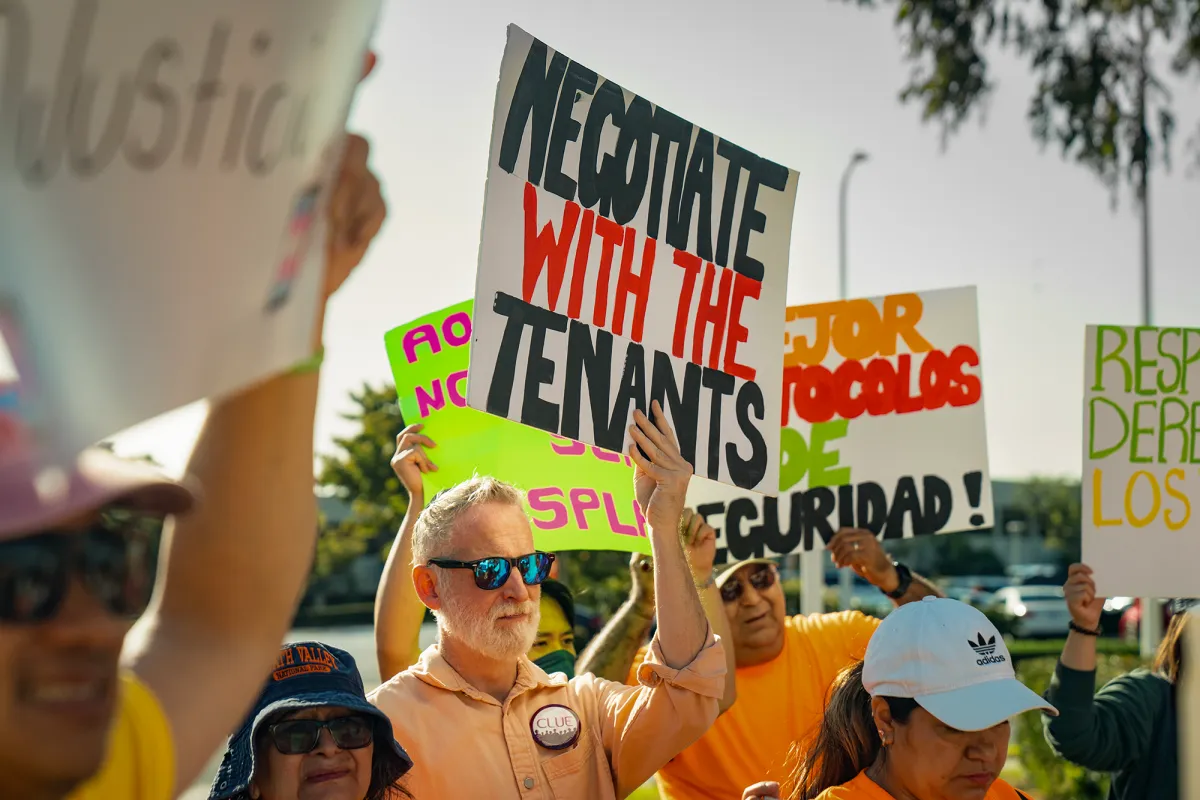
Bay Area tenants from the KDF Tenants Association protest housing conditions and rent increases outside the office complex that houses KDF Communities LLC’s office in Newport Beach, on Oct. 26, 2023. Photo by Julie A Hotz for CalMatters
California’s rent cap doesn’t apply to low-income housing, which has its own rules. But with inflation, some tenants have gotten much higher rent increases.
When California lawmakers passed a rent cap four years ago to protect tenants from large and frequent rent hikes, they exempted hundreds of thousands of units reserved for some of the state’s poorest renters.
Low-income housing, after all, is usually built with public subsidies that already impose rent ceilings on developers and property owners. Some are already managed or overseen by local public housing agencies.
But California also has more than 350,000 privately owned low-income housing units — built with the help of federal tax credits — exempted from the state’s rent cap. Residents of some of those units have seen their rents soar despite being the exact demographic the law sought to protect.
The 2019 law, known as the Tenant Protection Act, prohibits landlords from increasing rents more than a certain amount — 10% this year, though usually it’s less — and more than once a year.
It’s meant to guarantee some level of stability for tenants, proponents say. Without it, low-income renters like Miguel Contreras are seeing higher increases.
The 53-year-old mechanic got a shock when he opened a letter from his landlord this spring that said rent would go up from $1,828 to $2,138 — an increase of 17%. The two-bedroom apartment in San Jose where he lives was financed in 2006 with low-income housing tax credits and reserved for renters who must make less than the local average. There’s a rent ceiling, but the apartment isn’t otherwise subject to state or local caps on how fast the rent can grow.
Contreras said he’s lived in that apartment for more than two decades, and most of the time got modest rent increases of about $50 a year. But the past two years, the hikes have been higher.
When the latest increase kicked in this past July, Contreras was paying 25% more than he was just 13 months earlier, according to documents he shared with CalMatters. The rent eats up more than half of what Contreras earns each month, he said. He picks up extra work on Sundays, missing church with his family.

Bay Area tenants from the KDF Tenants Association protest housing conditions and rent increases outside the office complex that houses KDF Communities LLC’s office in Newport Beach on Oct. 26, 2023. Photo by Julie A Hotz for CalMatters
“It’s hard to live in this apartment, it’s supposed to be affordable,” Contreras said through a Spanish interpreter. “But it’s hard to move out because when you look for another apartment in the San Jose area, it’s very expensive and it seems the owner is trying to raise the rent to be the same like other apartments that are not affordable.”
With the help of the Regional Tenant Organizing Network, an activist group, Contreras and residents of several other low-income housing buildings owned by the same company drove to their landlord’s office in Newport Beach to protest the rent increases, among other complaints.
The company, KDF Communities, has seven apartment buildings in the San Jose area and 40 across California. They closed their offices, and declined in an email to meet with the tenants, said James Huynh, an organizing network spokesperson. Mayra Peterson, a KDF executive, declined to comment when reached by phone by CalMatters.
Rent cap concerns
Not all private-market tenants are subject to the state’s rent cap.
To ease concerns that the regulations would burden small or mom-and-pop landlords, lawmakers carved out exemptions for single-family homes and apartment buildings with only two units if the landlord lives in the other. Situations in which someone rents a room in a landlord’s home are also exempt.
Also exempted are deed-restricted affordable housing or housing that receives any kind of government funding to house low-income tenants.
“The thinking was, if they’re already rent-restricted it might not make sense to add another layer of complexity to it,” said David Chiu, the former Assemblymember who authored the 2019 law and current San Francisco city attorney. “This was a heavily negotiated bill.”
The exemption for tax credit-funded properties in particular has fueled a quiet but complex policy debate over whether to further regulate rents.
Factors including inflation, rising insurance costs and the fact that many tenants were unable to pay rent during the COVID-19 pandemic have led to particularly high rent increases in low-income housing the past two years, said advocates for tenants as well as for nonprofit and for-profit low-income housing developers.
In many cases affordable housing is subject already to federal restrictions on rent by preventing tenants from being charged more than 30% of their income. But in tax credit-funded units, restrictions on rent are tied not to the tenant’s individual income but to the local median income, a figure calculated by the U.S. Department of Housing and Urban Development each year.
In wealthy areas or times of high inflation, such as the past two years when median incomes have risen, that can create especially high rent ceilings, said Marcos Segura, a staff attorney at the California-based National Housing Law Project.
And where state or local rent caps don’t apply, there are few other limits on rents in these affordable housing units, Segura said. As long as the rent stays below the federal ceiling, it can be hiked at whatever percentage and however many times a year a property owner chooses.
But advocates who tried to further regulate low-income housing this year say the solution won’t be as simple as adding a rent cap.
“We don’t have an interest in affordable housing developers not being able to maintain the financial viability of their properties.”
— Anya Lawler, policy advocate, the California Rural Legal Aid Foundation
Anti-poverty groups this year sponsored Assembly Bill 846, which would have imposed such a restriction. It ran aground early in the legislative session over concerns, raised mostly by nonprofit affordable housing developers, that a blanket cap would make it hard for them to keep their properties afloat.
Marina Wiant, vice president of government affairs for the California Housing Consortium, which represents both nonprofit and for-profit affordable housing developers, said property owners need to raise rents sometimes to cover operating costs and repairs. The recent growth in median incomes, Wiant said, came after years of stagnation during which affordable housing landlords were able to raise rents little or not at all.
Many low-income housing tenants were unable to pay rent during the pandemic, putting nonprofit developers in difficult financial positions, she said. Last year, the accounting firm Novogradac published a report that found operating costs for tax credit-funded units in California rose 26% between 2018 and 2021 while rental income only rose 11%.
Many affordable housing landlords work with tenants to try to keep rents low, raising rents on those who can afford a hike instead. Owners, she said, are worried a blanket cap will remove that flexibility.

Bay Area tenants from the KDF Tenants Association stand in the hallway, outside the KDF Communities LLC office, which was unexpedely closed during business hours, in Newport Beach to read statements, and protest housing conditions and rent increases. Oct. 26, 2023. Photo by Julie A Hotz for CalMatters
“We are really trying to navigate, what could be something that helps residents not get hit with large rent increases at one time?” she said. “But that (also) doesn’t fully challenge a property owner from being able to raise rents consistent with the regulations that already exist. And it’s really hard to legislate a solution like that.”
Tenant advocates want to bring the bill back next year, but said they’re sympathetic to the concerns.
“We don’t have an interest in affordable housing developers not being able to maintain the financial viability of their properties,” said Anya Lawler, a policy advocate for one of the bill’s sponsors, the California Rural Legal Aid Foundation.
Nine other states — including New Jersey, Wisconsin, Montana and Oregon — do cap rents on low-income housing tax credit-funded properties. Some limit increases to once per year; others cap annual increases at 5%.
Local efforts
Some activists are pushing for local restrictions instead.
In Antioch, the tenant advocacy group Alliance of Californians for Community Empowerment last fall successfully pushed for the city council to pass an ordinance that caps rental growth and includes low-income housing.
Tax credit units are also now included in local rent caps in Richmond, Fairfax and Oakland.
This month, the alliance is filing ballot measures for the November 2024 election in four other Bay Area cities — Redwood City, Larkspur, Pittsburg and San Pablo — and Delano in the Central Valley that would impose local rent camps on tax credit units, legal and policy director Leah Simon-Weisberg told CalMatters.
“How are you supposed to live in affordable housing, but it’s not affordable?”
— Tachina Garrett, former San Francisco Resident
Drafts of the measures show the organization is aiming to curb rent increases at between 3% (like the Antioch cap) and 5%. Simon-Weisberg said she’s particularly concerned about corporate landlords buying up affordable housing units, and said those owners are more likely than nonprofits to raise rents to the maximum allowed by federal restrictions each year.
The proposals are sure to be fought by landlord groups such as the California Apartment Association, who say the properties are already heavily regulated. Low-income housing landlords in California, said spokesperson Debra Carlton, have affordability restrictions for 55 years, so unlike others who are subject to the state’s rent cap, landlords can’t just raise rents to market rates when tenants move out of a unit.
“You are getting in the way of owners who have entered into a contract,” Carlton said. “You can’t change the rules on them now … You would really create some problems for those owners who would even want to go into the business.”
But to Tachina Garrett, a former post office mail handler who moved into a tax credit property in Antioch after being priced out of San Francisco, the exemption for low-income housing is a “loophole” that should be closed. Garrett, 49, fought for the local rent cap last year after her portion of the rent increased by 40%.
“How are you supposed to live in affordable housing, but it’s not affordable?” she said.
###
CalMatters.org is a nonprofit, nonpartisan media venture explaining California policies and politics.
Real-Life Grinch Breaks Into Toys for Tots Warehouse, Drives Off With Truck-Load Full of Christmas Gifts
Ryan Burns / Sunday, Dec. 10, 2023 @ 1:05 p.m. / News

###
On Friday night, a real-life Grinch stole a truck-load full of toys from a warehouse north of Eureka where the local Toys for Tots organization was storing toys to be distributed to less-fortunate local children this Christmas season.
Gregg Gardiner, coordinator for the last 17 years for Toys for Tots in Humboldt, Trinity, Del Norte and northern Mendocino counties, said that “a significant portion” of the toys collected this year were stolen.
“[I]t’s hard to imagine that anyone would break into the Toys for Tots warehouse but that’s exactly what happened on Friday night,” the organization said in a post to its Facebook page this morning.
Gardiner told the Outpost that the thief (or thieves), armed with bolt cutters, apparently broke into a truck owned by a local engineering company at Green Diamond Resource Company’s Brainard property, on Hwy. 101 north of Eureka. The perpetrator(s) then broke into the warehouse, disabled and removed the video surveillance equipment as well as a truck that was full of toys, which was driven through the gate at the facility.
According to Gardiner, the truck has been recovered but the toys remain missing. The Eureka Police Department has increased patrols at the site.
Toys for Tots is asking the public to be on the lookout for people selling toys or other children’s gifts, such as girls’ hairdryers, at a reduced price, as they may have come from the organization’s warehouse.
Gardiner says anyone wishing to help can send a donation to 2383 Myrtle Ave. Eureka, CA 95501, or donate through the Toys for Tots website.
Green Diamond Property Manager Craig Compton posted the following message on the Toys for Tots Facebook page this morning:
All,
We have been made aware that there was a break in and theft at the Brainard property last night (12/8). The northern main gate was damaged and is now secured with a chain and a lock. Both Toys for Tots and Wahlund Construction have let us know they were impacted by theft. Toys for Tots has initiated a Police report and let us know that the Eureka Police Department (EPD) has agreed to conduct some nighttime patrols at Brainard. I think this a temporary commitment on the part of EPD, still very much appreciated.
We will be evaluating some alternatives to improve security for the Brainard site this coming week as several of you have expressed concern and frustration. I don’t know how many different places I saw this weekend with numerous folks volunteering for the Toys for Tots toy drive. It was quite a few. Knowing how hard all the volunteers work to make the organization successful makes the news of them being the target of theft that much harder to accept.
We will work to get the main gate repaired as soon as possible.
###
Lost Coast Communications owner and President Patrick Cleary contributed to this report.
PASTOR BETHANY: Anger is a Gift, But Only If…
Bethany Cseh / Sunday, Dec. 10, 2023 @ 7 a.m. / Faith-y
A line from the song “Freedom,” by Rage Against the Machine, tells us that “anger is a gift.” How often do we try to tamp down our anger, like it’s an embarrassing feeling we attempt to avoid or whistle past in the dark knowing it’s lurking behind our tight words. Maybe it’s because anger is so often misunderstood. As an Enneagram 9 (peacemaker), anger scares me — my own anger or other people’s. It seems unpredictable and erratic and unstable. It doesn’t communicate my feelings well and gets lost in all the extra noise it tends to make. But anger is a truth-teller, and under that noise, if I look deep enough, it will tell me something is wrong.
Anger is a gift, but only if we can patiently pause long enough to notice the truth.
The war happening in Gaza right now is horrifying. The images you’ve seen of children’s bodies being ripped apart, whole families dying together from weapons our country has provided makes my blood boil in a mixture of grief and anger. Women raped by Hamas and those who were murdered or kidnapped. Israel’s colonization of land. Hamas’s terrorism. Constant violent threat towards LGBTQ folx. Subjugation of women and brainwashing of children. The apparent genocide of Palestinians in Gaza without any rescue from neighboring countries. The ways religion is used as a dehumanizing bludgeoning tool, excusing hatred and affirming violence.
And, yes, it’s complicated, but aren’t you furious? Aren’t you angry? In my anger I feel such helplessness, powerlessness. I am paralyzed by it all, which tends to feed my anger, and the cycle continues.
Anger is a gift, but only if we can patiently pause long enough to notice the truth.
The problem is the truth keeps getting covered up by blaming the other side, by pointing fingers and saying “they started it,” like it’s all “their” fault and if “they” no longer existed everything would be better. Blame then becomes its own sort of cycle, feeding my anger and justifying my beliefs, justifying the violence and hatred and “self-defense.”
But when I pause long enough for my justifying blame to subside, it’s there I notice the truth: the suffering, objectifying, subjugating, colonizing, abusing and killing of humans is wrong. Full stop.
And, yeah, that’s nice and sentimental but not possible on the grand scale — I know that. But it’s possible in myself and my small community. It’s possible to lean away from the expected retributive justice and towards restorative justice that God desires. It’s possible to allow my anger to tell me the truth of every person’s inherent worth and their belovedness and allow that truth to break my heart wide open.
“I sat with my anger long enough,
until she told me
her real name
was grief.”
-CS Lewis
I’m no politician and can’t solve or heal historical injustices, ancient land rights and historical crimes against humanity. But I can learn about them. I can be angry for every side of every injustice and dehumanizing act. I can weep and groan with the God who weeps and groans. I can fall on my knees and pray.
As a Christian person, I follow Jesus Christ, who was a non-violent pacifist, who silently went before a brutal government that violently occupied his people and homeland, and was tortured and murdered in a humiliating way. Jesus commanded us to pray for our enemies and those who cause us harm and while dying on the cross, prayed out, “Father, forgive my enemies. They don’t understand what they’re doing.”
In a world where we do our best to keep the bad guy/good guy lines clear by making excuses for every action, this war keeps blurring the lines and forcing people to live in that honest but uncomfortable tension. So, yeah, I’m angry and feel helpless, and I want to blame or double down on a side. But really I’m just sad. So sad. Because historically traumatized people are being killed and re-traumatized, both Jews and Palestinians alike. And while we can make a case for who has been more traumatized or attacked over history, the truth is something needs to change so that history stops repeating itself. And I believe that something often looks like a radical change of heart: loving our enemy, rehumanizing those we hate and being angry about every form of injustice, regardless of sides.
Maybe anger really is a gift.
# # #
Bethany Cseh is a pastor at Arcata United Methodist Church and Catalyst Church. She blogs frequently on her website, With Bethany.


