

OBITUARY: Steven Kyle Buckingham, 1984-2023
LoCO Staff / Wednesday, Feb. 1, 2023 @ 6:56 a.m. / Obits
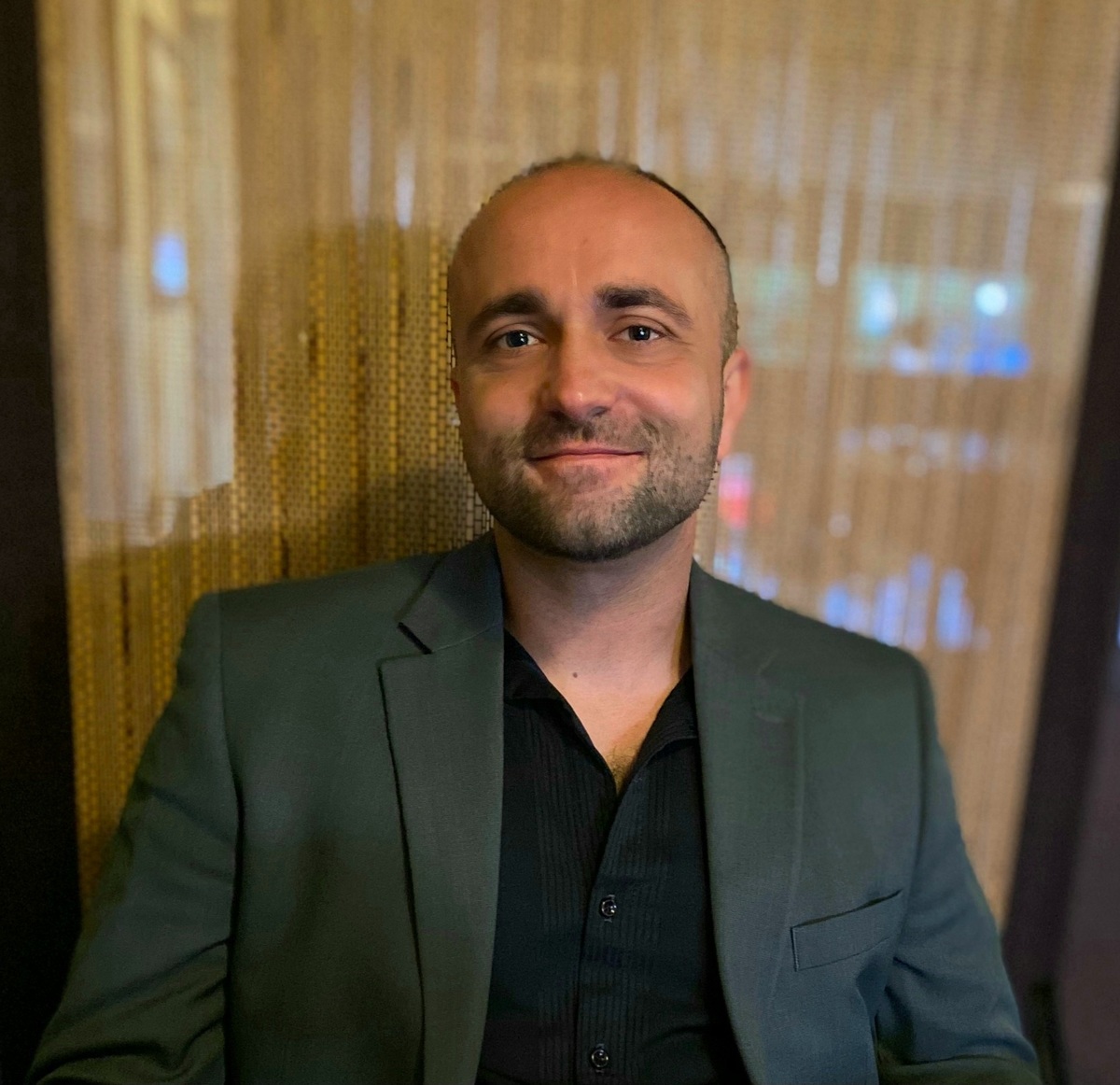
Steven Kyle Buckingham passed away on January 16, 2023 at St.
Joseph’s Hospital at the age of 38. Steven was born in 1984 to Ronald
and Debra Buckingham. Steven quickly became a big brother to Laura
when he was 18 months old. He was a dedicated big brother and
truly looked after his little sister. Unfortunately the parents
divorced and Steven and his sister moved to many new homes.
Steven was fortunate enough to move to Eureka from Florida in 1999, when he started into Eureka High school. He graduated from Eureka High in 2003. Steven was always very active outside and looked forward to hiking, camping and fishing. Sometimes mischievous, his thinking outside the box landed him in trouble a couple times but definitely earned him life long friends. It was during his high school years that Steven began dating Julianna Breen. She would become his first wife later. Steve was always into his cars and proudly had a Mustang that he enjoyed driving his friends in.
Steven joined the Navy out of the Eureka recruiter office and became a Navy Corps Corpsman in 2003, spending his time attached to Marine Corps units in Iraq, Afghanistan and across various waters and continents. His natural leadership and likability has left many of his friends and family in tremendous grief as his death was too very soon and unexpected. Steven finished his tours in 2011 and returned home to Eureka. Steven was employed at the local VA office and very involved with veteran affairs, like placing flags on the vets headstones on Memorial days. Steve was also involved in many other groups and organizations. He met many friends while he was active in his fitness journey between CrossFit classes, Spartan races, and boxing. He enthusiastically joined the local Masonic lodge #79 in 2019. He was dedicated to their weekly meetings and community outreach programs. Steve was well known for his friendly, energetic conversations and being a trustworthy network amongst friends. Steve was the “Hey, I know a guy” person and would actually get you connected!
Steven leaves behind his 9 month old daughter Stephanie, 9 year old step-son Jayden, and 13 year old daughter Alexis. Steven was an excellent father, very dedicated to his children. He would beam with pride when telling of his daughter Alexis’ cheer competitions, volleyball games and track tournaments. His very active/ involved baby could finally rest her eyes on daddy’s chest and let herself have some sleep. Steven leaves behind his new bride Danielle Buckingham, 33, of Eureka. They met training for Spartan races and their enjoyment of being outside hiking, attending church services, and planning a life together was the cement of their too short relationship. They had just married in December of 2021.
Steven leaves behind his father Ronald Buckingham of Pleasanton Iowa. Steve was fortunate enough to spend some summers with his Dad in Iowa where he held a job as a corn picker and learned to drive on a farm. Steven leaves behind his sister Laura Buckingham, 36 of Tennessee. They had served together and Laura is a USMC veteran. Many friends in Eureka are now left without their passionate, selfless, energetic and fun loving buddy who always wanted to help a friend in need.
Services are open: Thursday, February 16, 10:30 at Oceanview Cemetery (3975 Broadway, Eureka) including an Honor Guard presentation. We will then proceed to Faith Center Foursquare Church (1032 Bay St., Myrtletown) at noon. Some of Steven’s artwork and memorabilia will be on display at the Church. A potluck luncheon will follow as the Memorial service will blossom into a Celebration of Life and friends wishing to tell tales of Steve are encouraged to join. This location will be announced at the Foursquare Church.
Steven’s tragic death will not be forgotten. His relentless dedication to the government and community will be honored. The family request all his friends to attend as a remembrance that Steven was in fact not alone. In lieu of flowers, plants that can be re planted or small fruit tree that can be planted in the backyard that Steve spent hours pruning, hedging and mowing. For a more unique dedication or gift in Steven’s honor anyone with time to help promote suicide prevention and awareness would be most appreciated.
A special thank you to Ming Tree, Masonic Lodge and local friends for their awesome support to Steven’s widow and their children.
###
The obituary above was submitted on behalf of Steven Buckingham’s loved ones. The Lost Coast Outpost runs obituaries of Humboldt County residents at no charge. See guidelines here. Email news@lostcoastoutpost.com.
BOOKED
Yesterday: 6 felonies, 4 misdemeanors, 0 infractions
JUDGED
Humboldt County Superior Court Calendar: Today
CHP REPORTS
0 Sr299 (RD office): Assist CT with Maintenance
ELSEWHERE
RHBB: Cement Truck Driver Seriously Injured in Highway 3 Crash Near Hayfork Yesterday
RHBB: ‘Roads 202 and 250 Closed for Restoration Work’: CAL FIRE
RHBB: Fire Burns Outbuilding Near Mendocino County Animal Shelter
OBITUARY: Nellie Marie Tucker, 1927-2023
LoCO Staff / Wednesday, Feb. 1, 2023 @ 6:56 a.m. / Obits
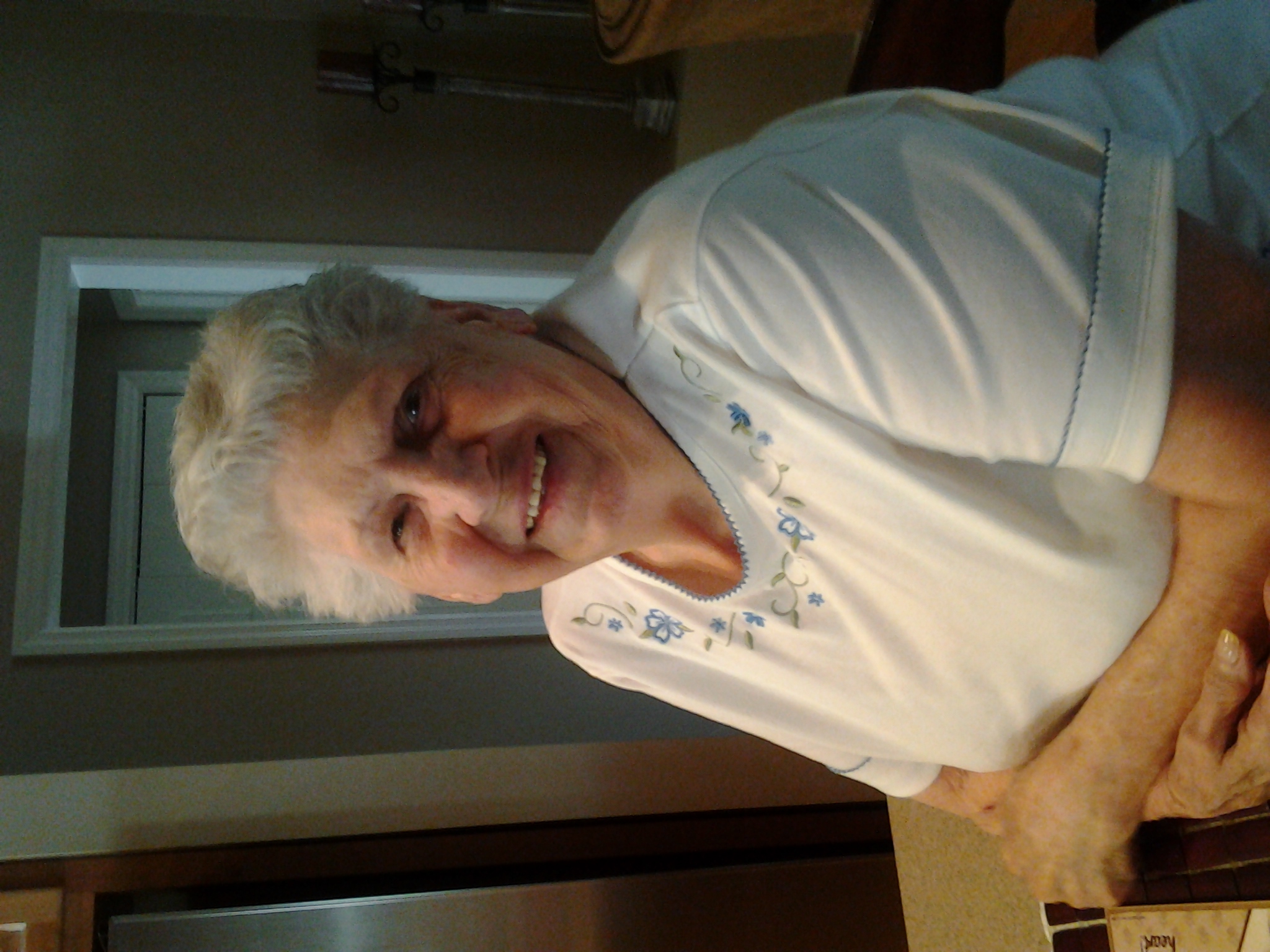
Nellie Marie Tucker passed to her rest on January 5, 2023 in Eureka, at the
age of 95. She was a long-time resident of Arcata, where she had lived with her
late husband, Joseph Henry Tucker, Sr., with whom she raised a family of six
children for 56 years of marriage.
Nellie was born on October 11, 1927, in Laverne, Oklahoma, but had been raised in Ontario, California, where her family moved when she was four years old. Early on, she learned to contribute to the family of eight children and developed a strong work ethic that carried her throughout life. Right up to within three weeks of her death, Nellie could be found indulging in her passions of quilting, sewing, embroidering, doing word searches, and caring for her plants and herself in her own home.
Nellie lived a busy, full life: raising her children as a stay-at-home mom in the suburbs of the 1950s and 1960s; keeping up with the extended family, both hers and Joe’s; moving the family to Redwood Country and eventually working as a nursing home aide and CNA. She was a caring friend, compassionate caregiver, and loving mother.
For the last 20 years of her life she terribly missed her husband, Joe, a lifelong truck driver whom she had loyally supported. Together they had loved to go on road trips seeing the country and visiting family and friends. Being a part of the “Talk to America” Truckers Convoy of 1977 was one of many highlights in their lives.
Nellie was a long-time member of the Arcata-McKinleyville Seventh-day Adventist Church, where she was involved with many activities and greatly loved by the members. She had also given much time and energy to the Arcata Senior Center, where she was proud to be a member of Katie’s Krafters, making quilts for local resident care homes.
Nellie will be remembered for her fun-loving spirit, her generosity, her genuine love for people, her ability to laugh at herself, and her love and loyalty for family.
Nellie is survived by her son Joe Tucker Jr. and Ann of Hartselle, AL; four daughters: Susan Hansen and Alan of Madera, CA; Mary Earhart and Blake of Eureka, CA; Connie Reynolds and Edwin of Collegedale, TN; and Barbara Marinand Gary of Arcata, CA. She adored her grandchildren Michelle (Greg), Michael (Jana), Jeana, Donald (Brooke), Beth (Jeremy) , David (Tiffany), and Brandon; and enjoyed the great-grandchildren Wesley (Taylor), Luke, Case, Austin, David, Dennis, Joseph, Jocelyn, Emily, Amber, and Joey. Nellie will also be missed by her surviving sisters Pauline Righetti of St. George, UT, and Elsie Remke of Fresno, CA, and numerous nieces and nephews spread throughout the States. Nellie’s husband Joe Tucker, son Richard Tucker, and grandson Michael Alan Hansen have predeceased her.
Nellie now rests at the Oceanview Cemetery in Eureka with her husband, Joe, both of them waiting to arise on the resurrection morning.
###
The obituary above was submitted on behalf of Nellie Tucker’s loved ones. The Lost Coast Outpost runs obituaries of Humboldt County residents at no charge. See guidelines here. Email news@lostcoastoutpost.com.
OBITUARY: John Gary Agajanian, 1964-2023
LoCO Staff / Wednesday, Feb. 1, 2023 @ 6:56 a.m. / Obits
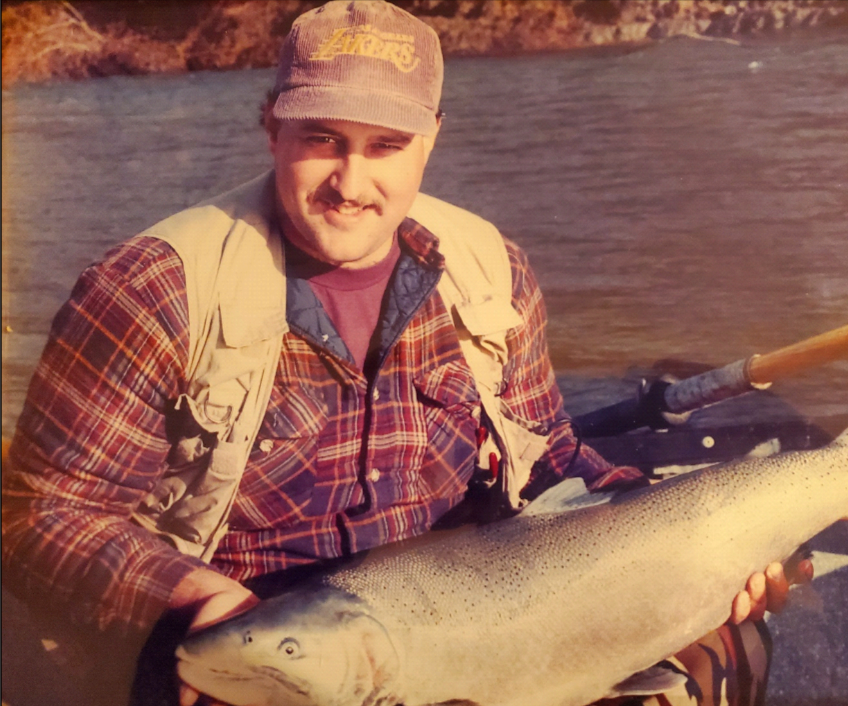
John Gary Agajanian passed away unexpectedly on January 21, 2023, in Eureka at the age of 58 to be with his Creator.
Born to Lynn and Gary Agajanian on July 21, 1964, in Arcadia, California, John spent the first seven years of his life in Southern California. During this time, he attended St. John’s Elementary School in Baldwin Park, California. In 1971, John and his parents, along with his maternal grandparents and other family members, moved to Humboldt County. Later, his paternal grandparents, as well as two of his paternal aunts, uncle and cousins relocated from southern California to Humboldt County as well.
He attended Fortuna elementary schools and after moving to Eureka, attended St. Bernard’s Academy High School from which he graduated in 1982. He played football at St. Bernard’s during his tenure and became a dedicated booster and supporter of the academy during his adult life. He was a Crusader to the end.
After graduating high school, John enjoyed careers in the local business community. He was the original owner of Eureka’s Donut Mill, worked for Nabisco, Frito Lay and, for the last eleven years until his passing, managed the family business, Albee & Buck, owned by his parents Lynn and Gary and his aunt Patty.
John enjoyed backpacking, camping, fishing, hunting and golf—not necessarily in that order! However, his greatest joy in life came from his relationships with his son Seth and daughter Emily. They were an incredibly tight and supportive family unit. There was absolutely nothing that John would not do for his children. Although an only child, John never lacked for “siblings” as he had nineteen first cousins! Maternal cousins include: David, Mike, Glenn, Gary, Billy, Dan, Reuben, Diego, Matt, Amanda, and Kathryn. Paternal cousins include: Robin, Karen, Sam, Chrissy, Tiffany, Jennifer, Layni, and Danny. John was always supportive of family and friends. He sometimes had a gruff exterior, but when it came to someone in need, he was very caring and compassionate, and his gruff manner would fold “like a house of cards” to assist. He had a soft spot for animals as well. John was known for his keen, and sometimes wicked, sense of humor. His “sibling” cousins particularly enjoyed his humor as it was often directed towards the “interfering” parents, aunts and uncles. John was a master griller and made the BEST guacamole in the state.
John is preceded in death by his maternal grandparents, William and Georgiana Darnall; his paternal grandparents, Agase and Lucille Agajanian; his uncle Sam and aunt Roberta Agajanian; his uncle Aggie Agajanian; and his cousins Glenn Thompson and William “Billy” Thompson.
John is survived by his parents Lynn and Gary Agajanian; his son Seth and daughter-in-law Kate Agajanian; his daughter Emily Agajanian and her fiancée Mike Sanchez; his aunts and uncles: Liz Agajanian, Patricia Thompson, Rodney and Ginger Agajanian, Penny Agajanian, Cindy Darnall Stevens and Scott Stevens, Randi Darnall Burke and Raymond “Bud” Burke, and Steve and Karla Darnall.
John is also survived by his remaining seventeen first cousins and their partners: Robin and Paul Neal, David Thompson, Karen and Dennis Mansfield, Sam and Marilee Agajanian, Michael Thompson and Janice Barron, Chrissy and Steve Ambrosini, Gary Thompson and Kay Lee Thompson, Lara Thompson, Tiffany and Clint Walker, Jennifer and Jason Ramos, Layni Agajanian, Dan and Carrie Thompson, Danny and Cher Agajanian, Reuben and Nikki Rael, Diego Rael, Matt Darnall and Kathleen Kiernan, Amanda Stevens and John Guzman, and Kathryn Darnall Helms and Oliver Helms. John is also survived by numerous second, third, fourth, etc., cousins. He had quite the extended family, and as John would say, “it’s for both better and worse, but mostly better. “
We will always love and miss you, “Sonner”! You live in our hearts forever.
A memorial mass for John will be held at Sacred Heart Church, Myrtle Ave., Eureka, on February 18, 2023, at 11 a.m. A reception will follow at Lifehouse, 2734 Hubbard Lane, Eureka. In lieu of flowers, please consider donating to the St. Bernard’s scholarship fund or a charity of your choice. Arrangements provided by Sanders Funeral Home.
###
The obituary above was submitted on behalf of John Agajanian’s loved ones. The Lost Coast Outpost runs obituaries of Humboldt County residents at no charge. See guidelines here. Email news@lostcoastoutpost.com.
OBITUARY: Evelyn Delores Nicholsen, 1940-2023
LoCO Staff / Wednesday, Feb. 1, 2023 @ 6:56 a.m. / Obits
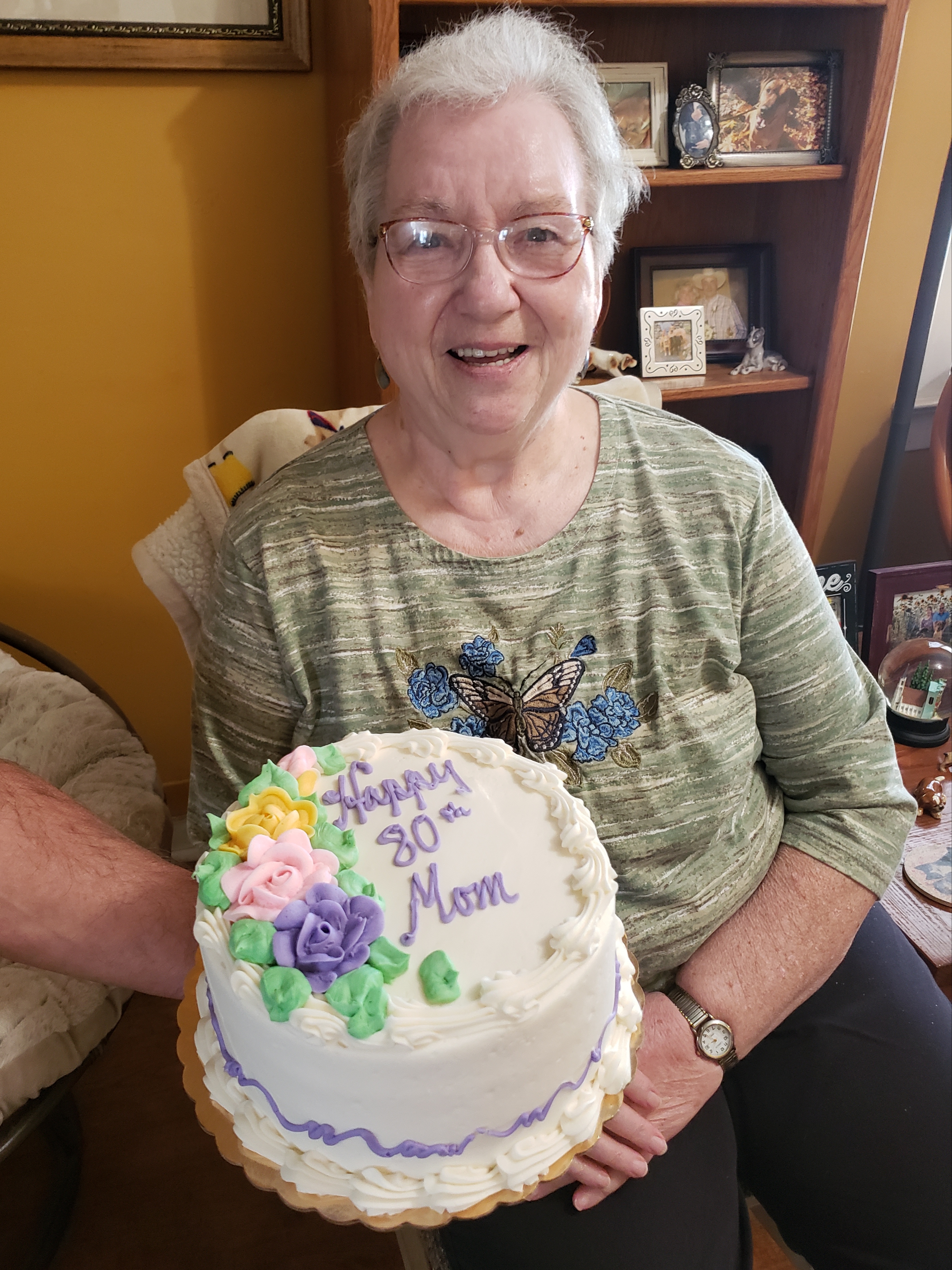
Evelyn Delores Nicholsen — “Dee,” as she was known to all — passed away January 22 at the age of 82 of heart failure at St. Joseph Hospital. She is survived by her daughter Bobbi Westman (Jeff), daughter Candes Harris, grandchildren Andrew Harris and Mallory Harris, brother Gerald Thornhill (Connie) of Ohio, brother Allen Thornhill, nephew Mark Milligan (Maria) of Montana and niece Kathleen Rawluk (Pete) of Oregon. She was preceded in death by her parents, Ruby and Gilbert Thornhill, husband Robert Nicholsen, sister-in-law Carol Nickalou, and in-law Harold Westman.
Mom was born June 30, 1940 in Pleasure Ridge Park, Kentucky to Ruby and Gilbert Thornhill. In 1958 she graduated from Valley High School in Valley Station, Kentucky. She moved to California in 1960 and went to work at Bim’s Restaurant in Arcata. This is where she met my Dad, and they later married. Mom worked at Broadway Gas & Deli for Terri Ryan for 12 years. She continued to work there a few more years after it was bought by another company. She was very popular for working behind the counter and for making the truck drivers those delicious egg salad sandwiches.
After her retirement, she volunteered at TailWaggers Thrift Store, where she became friends with Carole Farlan. Carole is and always will be a special friend to us. Also after her retirement, Mom and I took a trip to Memphis Tennessee to visit Graceland. She was a huge Elvis fan and had the thrill of seeing him live in concert in 1956 in Louisville, Kentucky. She was also a fan of NASCAR racing and the Dallas Cowboys.
We would like to thank the Westman family for always making her feel like she was part of the family: Bev, Jennifer and Eric, Tom and Anna, Sheila and Jerry. Special thanks to the following people for your friendship and for helping out with Mom over the years: Life long friend Marion Belt-Adams, Carole Farlan and Judy and Derwood. Her friends at the Lodge — manager Chris, Gerry, Kathy and Jeff. Thanks to Dr. Holst, her primary care provider for years. Thanks also to Redwood Memorial Hospital and staff in the Med-Surge Unit. You were all the very best! Lastly, Jeff and I would like to say a big heartfelt thank you to the staff at Sea View Rehab, Dr. Han, and the nurses at St. Joseph Hospital that cared for her in her final days.
No services will be held. Memorial Contributions can be made to Sequoia Humane Society, 6073 Loma Avenue, Eureka, 95503,or to Companion Animal Foundation at 3954 Jacob’s Avenue, Eureka, 95501,or to the charity of your choice.
###
The obituary above was submitted on behalf of Dee Nicholsen’s loved ones. The Lost Coast Outpost runs obituaries of Humboldt County residents at no charge. See guidelines here. Email news@lostcoastoutpost.com.
HUMBOLDT TODAY with John Kennedy O’Connor | Jan. 31, 2023
LoCO Staff / Tuesday, Jan. 31, 2023 @ 4:20 p.m. / Humboldt Today
HUMBOLDT TODAY: A member of Humboldt’s Board of Supervisors makes a bold public statement in an attempt to hold another board member accountable for sexual comments made at a recent event, plus some video of a guy shredding guitar by Humboldt Bay for some reason, A CORRECTION, and more in today’s newscast with John Kennedy O’Connor.
FURTHER READING:
- ‘A Classic Expression of Hostile Sexism’: Humboldt County Supervisor Rex Bohn Called Out for ‘Nasty Little Joke’
- Traffic Stop on Pine Hill Yesterday Morning Finds Two Parolees Allegedly in Possession of a Gun and a Butterfly Knife, Which They Should Not Have Had
- Police Say Fortuna Woman Gave False Name During Recent Arrest; New Charges Filed
Want to LISTEN to HUMBOLDT TODAY? Subscribe to the podcast version here.
# # #
HUMBOLDT TODAY is a production of Lost Coast Communications starring John Kennedy O’Connor and edited by Andrew Goff.
‘A Classic Expression of Hostile Sexism’: Humboldt County Supervisor Rex Bohn Called Out for ‘Nasty Little Joke’
Isabella Vanderheiden / Tuesday, Jan. 31, 2023 @ 3:17 p.m. / Local Government
First District Supervisor Rex Bohn opened this morning’s Humboldt County Board of Supervisors meeting with an apology.
Without providing any context or further explanation, Bohn acknowledged that he had “said something that was inappropriate” while volunteering as an auctioneer at a local event over the weekend. “I want to apologize and, for that, acknowledge it.”
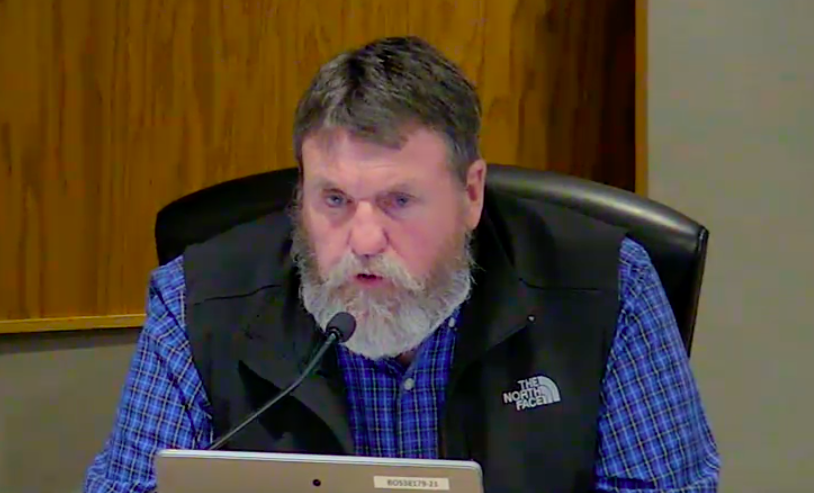
Bohn | Screenshot
The context of Bohn’s vague apology was not revealed until the end of the meeting.
Following a thorough presentation from Human Resources Project Manager Dr. Jeremy Clark surrounding Workplace 2030! – the county’s comprehensive organizational development and culture change initiative – the board embarked on a discussion surrounding accountability and the need to “do better” as local leaders.
“I’ll use myself as an example here,” said Fifth District Supervisor and Board Chair Steve Madrone, referring to a previous misstep in which he used the term “Oriental” during a May 2021 board meeting. “One of the first things is to actually become aware or made aware of the issue or the behavior that I might be exemplifying or doing that isn’t appropriate. … The apology is really just kind of the first step because, ultimately, I have to really embrace the change in my behavior that is necessary.”
Second District Supervisor Michelle Bushnell emphasized the importance of treating individuals with understanding when they do mess up.
“I think we – sometimes as our culture or even our board here – we’re not very tolerant and we really go right to tattletale-type things,” she said. “Approaching a person about something that has offended someone is probably number one in addressing [these issues] in my book. … We don’t intend – not always – intend to offend, and we may not even be aware that we are. Trying to communicate with someone on an individual level first, I think is so important.”
It seemed clear that both Madrone and Bushnell were responding, in an oblique fashion, to Bohn’s apology at the beginning of the meeting, and anticipating what Fourth District Supervisor Natalie Arroyo was about to say. Arroyo said, early on in the discussion, that she wished to speak about something following public comment.
When that time arrived, she asked to read a statement into the record on behalf of Humboldt Hill resident Leila Roberts regarding “something [that] happened last weekend.”
“Three nights ago your fellow county Supervisor Rex Bohn made a sexualized joke about a business owner in front of a packed room of more than two hundred business and community leaders gathered to celebrate the region’s most effective, most generous institutions,” the letter stated. “I watched her face fall, even as she was surrounded by friends and admirers. I saw disgust, confusion, stunned silence among some audience members who heard the comment. A few laughed uncomfortably.”
The event – Cocktails & Crooners, the Greater Eureka Chamber of Commerce’s annual gala, membership meeting and award ceremony – marked a “triumphant and joyful” opportunity to celebrate Humboldt County’s local businesses. Roberts described the female business owner, who she did not name, as “one of our county’s leading lights,” but acknowledged that “their success apparently doesn’t protect them from casual, public, sexist contempt.”
“I want Mr. Bohn held to the same standard of accountability as any executive or public servant,” the letter continued. “Bawdy humor can be fun: in private, among close friends, delivered in a way that no one is demeaned. What Mr. Bohn did, however, was a classic expression of hostile sexism. It’s not funny; nor is it a small glitch. Disparaging humor is a classic strategy to delegitimize, devalue, and dehumanize a member of another group.”
Roberts’ letter went on to question whether it is wise “to send business owners who are women, trans and non-binary to work with Mr. Bohn” and whether they would “receive the respect they deserve.”
“I have had a few conversations with peers about this and we agree that the attention here needs to be, not on the insulted business leader, but on the problem: one of our County’s most powerful political leaders behaving in a way that dishonors himself, his constituency – including many women business owners, and the County of Humboldt,” the letter stated. “Apparently this most recent nasty, little joke is only one startling example of a pattern that simply must stop. I don’t believe in throwing people out like trash because they’ve messed up, but I do believe in accountability.”
After reading the letter into the record, Arroyo noted that she had spoken to Bohn about his comments the day after the event and said, “I’m aware he’s contacted some of the individuals involved.”
At no point did Arroyo reveal what exactly Bohn had said during the event, only noting that the comments were “quite egregious” and sexual in nature.
“I think a more comprehensive response is warranted towards prevention,” she said. “An apology is helpful, it is the first step, but I recently read a great article about how to apologize effectively and it included saying explicitly what will be different in the future. … I believe that’s critically important to our community, and I’ll stand up for it.”
Madrone thanked Arroyo for her comments and asked whether there were any additional comments from the board. Bushnell made a motion to accept the report from staff, which was seconded by Arroyo.
Bohn sat in silence.
Before voting, Third District Supervisor Mike Wilson expressed his support for Arroyo and emphasized the importance of addressing “uncomfortable” issues.
The motion passed 5-0.
###
Click the video below to listen to Arroyo’s full statement.
Traffic Stop on Pine Hill Yesterday Morning Finds Two Parolees Allegedly in Possession of a Gun and a Butterfly Knife, Which They Should Not Have Had
LoCO Staff / Tuesday, Jan. 31, 2023 @ 11:56 a.m. / Crime
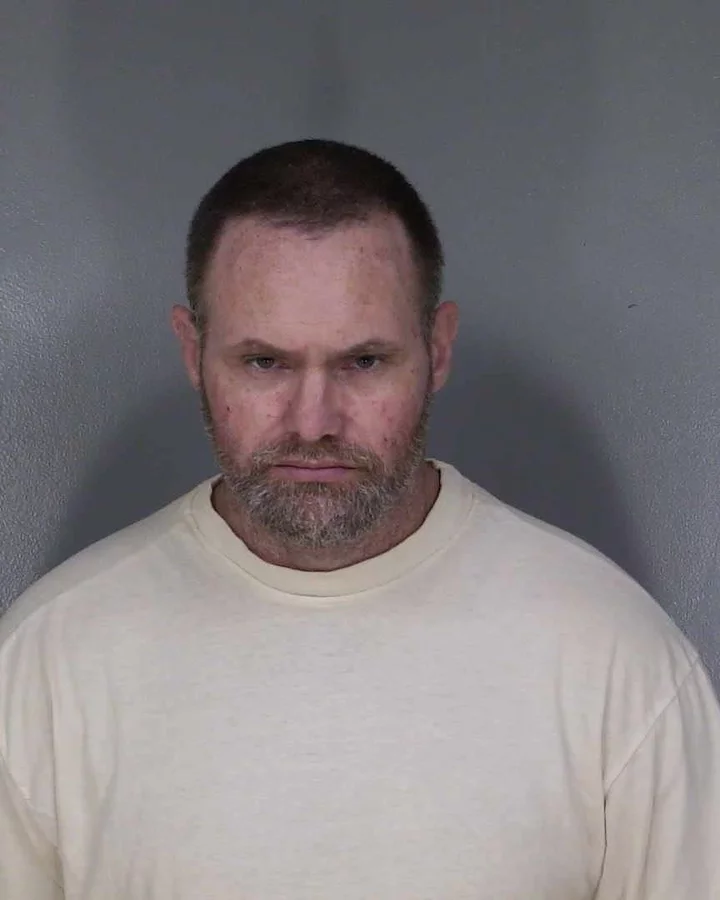
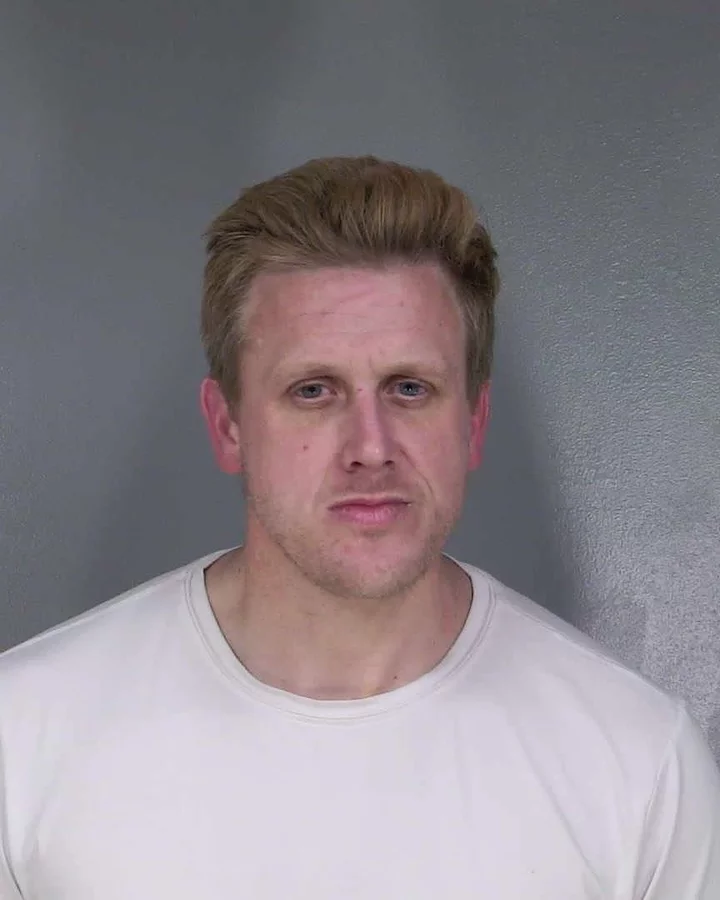
Briggs (left), Miller. Photos: HCSO.
Press release from the Humboldt County Sheriff’s Office:
On Jan. 30, 2023, at about 9 a.m., Humboldt County Sheriff’s deputies on patrol in the Pine Hill area conduct a traffic stop for a vehicle code violation on the 500 block of Herrick Avenue.
Deputies contacted three occupants of the vehicle. The driver, 43-year-old Gordon Dale Briggs Jr., was found to be on Post Release Community Supervision (PRCS). During a search of the vehicle pursuant to the terms of Brigg’s PRCS, deputies located an unsecured loaded firearm and a butterfly knife. A passenger of the vehicle, 37-year-old Jeremi Daniel Miller, was also determined to be prohibited from possessing firearms. Both Briggs and Miller were arrested as a result of their possession of the prohibited items. The third occupant of the vehicle was released at the scene.
Briggs was booked into the Humboldt County Correctional Facility on charges of felon in possession of a firearm (PC 29800(a)(1)), carrying a loaded firearm in a public place (PC 25850(a), possession of a switchblade knife (PC 21510), person prohibited in possession of ammunition (PC 30305(a)), driving without a license (VC 12500(a)) and violation of probation (PC 1203.2(a)).
Miller was booked into the Humboldt County Correctional Facility on charges of felon in possession of a firearm (PC 29800(a)(1)), carrying a loaded firearm in a public place (PC 25850(a), possession of a switchblade knife (PC 21510) and person prohibited in possession of ammunition (PC 30305(a)).
Anyone with information about this case or related criminal activity is encouraged to call the Humboldt County Sheriff’s Office at (707) 445-7251 or the Sheriff’s Office Crime Tip line at (707) 268-2539.


