

Yurok Forestry Director Becomes First Native Woman Appointed to State Board of Forestry and Fire Protection
LoCO Staff / Thursday, Sept. 15, 2022 @ 5:03 p.m. / Sacramento
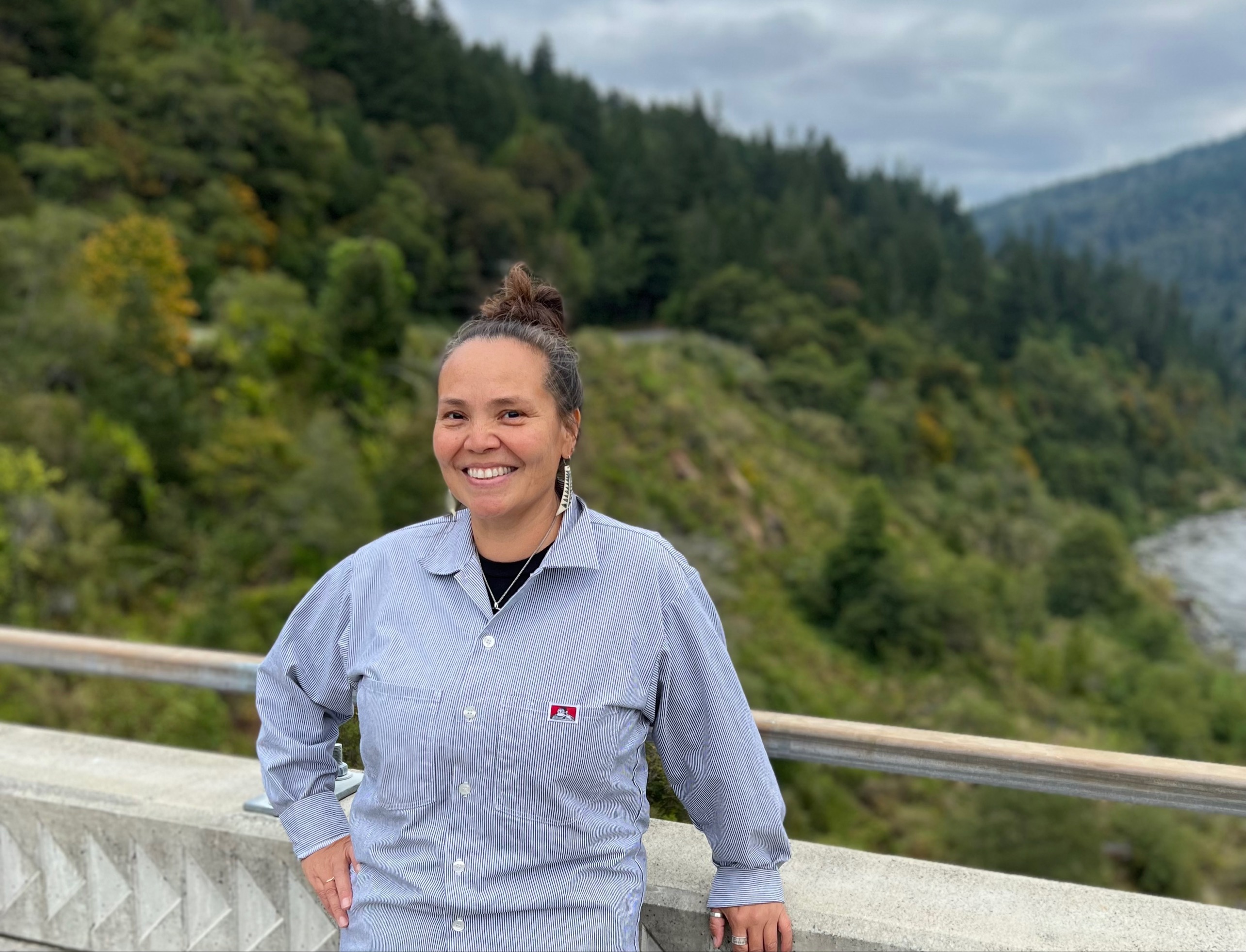
Dawn Blake. Photo: Yurok Tribe.
Press release from the Yurok Tribe:
On Tuesday evening, California Governor Gavin Newsom appointed Yurok Tribe’s Forestry Department Director Dawn Blake to the State Board of Forestry and Fire Protection.
“It is an honor to be appointed by Governor Newsom to serve on the State Board of Forestry and Fire Protection. My traditional upbringing, university education and professional career have prepared me for the opportunity to manage the state’s natural resources on behalf of all state residents,” Blake said.
“Placing a Native American land manager on the Board of Forestry and Fire Protection is a win for California and the many tribal nations within the state,” added Yurok Chairman Joseph L. James. “We strongly encourage the Senate to approve the appointment.”
“With her background in western science and indigenous traditional ecological knowledge, Dawn has a comprehensive understanding of California’s natural landscape,” said Yurok Vice Chairman Frankie Myers, who submitted a letter of support for Blake’s nomination on behalf of the Yurok Tribal Council. “She is preeminently qualified to manage and protect California’s incredibly diverse natural environment.”
Dawn is an enrolled Hoopa Tribal member and Yurok descendent with a Master of Science degree in natural resources. If confirmed, she will bring to the State Board of Forestry and Fire Protection 20 years of real-world experience in land administration, fire prevention and many other relevant fields. Ranging from wildlife research to prescribed burning, Dawn is well-versed in all aspects of modern forest management. As the Yurok Forestry Director, she manages more than 70,000 acres of Yurok-owned forest for the benefit of current and future generations of Yurok people. She oversees the Tribe’s 15,000-acre Old-Growth Forest and Salmon Sanctuary on Blue Creek, a critically important tributary of the Klamath River. She also administers sustainable and selective timber harvest and thinning operations. She is well-acquainted with the threats facing California’s natural resources and rural communities, such as the recent record-breaking wildfires. More importantly, she is passionate about resolving these risks to California’s residents and resources
The State Board of Forestry is “responsible for developing the general forest policy of the state, determining the guidance policies of the California Department of Forestry and Fire Protection (CalFire), and representing the state’s interest in federal forestland in California.” Additionally, the board is responsible for continuously reviewing and revising forest practice rules. The board is also intimately involved in the state’s wildfire planning. Within the California Department of Forestry and Fire Protection, the board has much influence over tribal natural resource issues, especially in the northern part of the state where fires increasingly threaten tribal and state forests and residents.
Tribes, including the Yurok Tribe, have much to offer the state when it comes to fire prevention. Over the course of millennia, tribes have developed efficient and cost-effective strategies to address excessive fuel loads and reduce fire risks, while also improving conditions for fish and wildlife. Dawn, the Governor’s choice to fill the vacant position on the State Board of Forestry and Fire Protection, is well-acquainted with this traditional approach to ecosystem stewardship.
Dawn’s appointment to the state board is consistent with the California Governor’s Executive Order N-15-19, which created the California Truth and Healing Council. Following the historic June 2019 order, Governor Newsom pledged to enhance the government-to-government relationship between the state and tribes and promised to include tribal voices at the highest level of the state policy-making process.
BOOKED
Today: 6 felonies, 12 misdemeanors, 0 infractions
JUDGED
Humboldt County Superior Court Calendar: Today
CHP REPORTS
0 Us101 S (HM office): Traffic Hazard
Sr169 / Klamath Mill Rd (HM office): Trfc Collision-Unkn Inj
1050 MM199 S DN 10.50 (HM office): Trfc Collision-1141 Enrt
7985 Mm101 S Hum 79.90 (HM office): Assist with Construction
Us199 / Us101 N Us199 N Con (HM office): Assist CT with Maintenance
Poppy Dr / Sherwood Rd (HM office): Closure of a Road
ELSEWHERE
KINS’s Talk Shop: Talkshop September 3rd, 2026 – William Honsal
Governor’s Office: California prioritized fighting organized retail theft, those results are paying off with 36,000 arrests and $293 million in stolen goods recovered
Mad River Union: Whistleblower calls for Miranda’s Rescue end
Mad River Union: Arcata’s petite data center only the first
HUMBOLDT BAYWATCH: It’s Migratory Shorebird Season!
Hank Sims / Thursday, Sept. 15, 2022 @ 4:44 p.m. / Wildlife

This is a migratory shorebird of some sort. Maybe you know what kind. Photo: Greg Schechter, CC BY 2.0
It’s that time again — time for HUMBOLDT BAYWATCH, in which your fearless Baywatchers Midge Martin (of KHUM-FM) and Carol Vander Meer (of Friends of the Dunes) talk about animals.
And you know what? It’s a special edition of Humboldt Bay Watch not only in that is about migratory birds, but in that I’m just gonna shut the hell up with my customary windy introduction.
You see, people have been begging and pleading and whining and being generally irritating for a while now on the subject of audio transcriptions. And since the Outpost credo is to give the people what they want, and to give it to them good and hard, that is what we’re doing now! Machine transcriptions of audio content on the Outpost henceforth!
Now, the machine is pretty decent but it’s far from perfect, and you’ll certainly notice some howlers in the text below. But the interface is pretty cool. Click on some words in the text below and the audio player will jump roughly to that point in the conversation, and you can hear Midge and Carol spell it out for you in their own voices. Pretty neat! It’s almost as if we got Midge and Carol to narrate this article for you.
Or maybe you don’t care about birds, or Midge, or Carol, and would just like to hassle me to spend lots of time manually making you a transcript of all audio with no spelling or grammatical errors at all? Then here’s what you do: You scroll down to the comment section and spew forth, into the void! ‘Cause it ain’t happenin’, suckers!
Then you should go outside and check out a bird.
Big Change for Big Rigs: California Unveils Mandate to Phase Out Diesel Trucks
Nadia Lopez / Thursday, Sept. 15, 2022 @ 10:52 a.m. / Sacramento

Shipments of cargo leave the Port of Oakland on July 25, 2022. California is scaling up efforts to ban diesel trucks and phase in zero-emission trucks. Photo by Martin do Nascimento, CalMatters
###
New big rigs and other trucks will have to be zero-emissions in 2040 — ending their decades-long reliance on high-polluting diesel — under a proposed regulation unveiled by the California Air Resources Board.
Under the proposal, manufacturers couldn’t sell new medium-duty and heavy-duty trucks fueled by diesel or gasoline that operate in California, instead turning to electric models. In addition, large trucking companies would have to gradually convert their existing fleets to zero-emission vehicles, buying more over time until all are zero emissions by 2042.
In another worldwide first, California aims to amp up its efforts to end the use of fossil fuels by setting requirements for clean-burning big rigs, garbage trucks, delivery trucks and other large trucks. Transportation is California’s largest contributor to climate-warming greenhouse gases as well as smog and other air pollutants.
Chris Shimoda, a senior vice president at the California Trucking Association, which represents truck drivers, said zero-emission truck technology has great possibilities, but truckers worry about “the practical unknowns,” such as the high cost of the trucks, a lack of charging stations and the limited range of the vehicles.
“We’re flying blind into some pretty major questions about the practicality of actually implementing this rule,” Shimoda said.
“We’re flying blind into some pretty major questions about the practicality of actually implementing this rule.”
— Chris Shimoda, California Trucking Association
The air board did not include cost estimates for trucking companies and truck drivers in its proposal, only saying that their upfront costs would be high but they’d save money over time.
About 1.8 million heavy-duty trucks on California’s roads would be affected by the regulation, according to the report.
The proposed rule could put about 510,000 carbon- free medium and heavy-duty vehicles on California’s roads in 2035, increasing to 1.2 million in 2045 and nearly 1.6 million in 2050, according to the air board. Currently there are only 1,943 zero emission medium and heavy duty vehicles on the state’s roads, and nearly all of them are buses.
The new truck mandate is “really a critical piece of the state’s climate and clean air objectives,” said Patricio Portillo, a clean transportation advocate at the Natural Resources Defense Council. “A common sight on California’s highways are trucks clogging lanes, blowing thick smoke into the sky while overheated trucks rest at the side. It’s so normal that we stop thinking about it, but that exhaust permeating the air harms our lungs and bodies.”
The air board will hold a public hearing on the proposal on Oct. 27, after a 45-day public comment period. It comes just a few weeks after the air board passed another far-reaching mandate that bans sales of gas-powered cars by 2035.
California has been ratcheting down emissions from diesel-powered trucks and buses for decades in an effort to combat the state’s severe air pollution. The new proposal builds on a clean trucks regulation passed in 2020, which gradually increases the number of zero-emission trucks that manufacturers must sell, starting in 2024.
The provisions requiring turnover of existing fleets would apply only to federal agencies and so-called “high-priority fleets,” which are owned or operated by companies with 50 or more trucks or $50 million or more in annual revenue. Included are trucks weighing 10,001 pounds or more and package delivery vehicles of 8,500 lbs or more, including U.S. Postal Service, FedEx, UPS and Amazon fleets.
These large companies and federal agencies would have a choice on how to comply: They could purchase only zero-emission vehicles beginning in 2024 while retiring diesel trucks at the end of their useful life. Or they could phase-in zero-emission trucks as a percentage of their total fleet, starting with 10% of delivery trucks and other types that are the easiest to electrify in 2025, then ramping up to 100% between 2035 and 2042.
The requirements for converting fleets would not apply to smaller companies. They could keep their trucks as long as they want under the proposal, although their new models would have to be zero-emission by 2040, according to air board officials.
Working toward the 2040 ban on new diesel and gas trucks, the proposal has other deadlines for phasing in new sales, varying based on the type of truck.
Drayage trucks — used largely to transport cargo from ports and railways — would have the strictest timeline. New models would be zero-emission in 2024, while diesel and gas drayage trucks must retire after 18 years to guarantee that they meet a zero-emission requirement by 2035.
In addition, half of all new trucks purchased by state and local governments would be zero-emission in 2024, increasing to 100% by 2027. Some exemptions are allowed, if there is a lack of available models. Counties with small populations, including Inyo, Butte, Mendocino and Tuolumne, would be exempt until 2027.
The new rule banning sale of diesel vehicles would not apply to emergency vehicles, such as ambulances.
Some manufacturers have already announced plans to ramp up sales of electric truck fleets. Tesla plans to roll out electric semi trucks with 500 miles of range later this year, while Volvo Trucks and Nikola Inc. have launched electric big-rigs and other models with ranges of up to 350 miles. Volvo Trucks this year set a global goal that half of its truck sales would be electric by 2030.
“We are determined to lead the transformation of the transport industry,” Roger Alm, president of Volvo Trucks, said in a statement. “The interest among customers is high and it’s quickly becoming a competitive advantage for transporters to be able to offer electric, sustainable transports.”
But challenges with the transition remain.
Many electric heavy-duty trucks currently on the market still lack the range needed to transport cargo statewide and across state lines. Some vehicles like drayage trucks are better suited for electrification because those vehicles may not need as long of a vehicle range, said Shimoda of the California Trucking Association. But for long-haulers, the mandate could pose serious problems, he said.
Long-haul diesel trucks can operate up to 1,000 miles before needing to refill the tank, which takes 10 to 15 minutes to fill up. But electric models have to be charged often because they have “significantly shorter range” and they take hours to charge.
“The charging infrastructure that is necessary to support these trucks is basically non-existent today. Even the fastest available chargers right now are going to take three to four hours to charge up to a full state,” said Shimoda, who represents California truckers.
Todd Spencer, president and CEO of the Owner-Operator Independent Drivers Association, said charging times of more than two hours could “cause total disruption” of the industry.
“Neither the technology nor the interstate infrastructure will be available in the foreseeable future to support a zero-emission requirement for long-haul interstate trucks,” he said.
Some new technology, however, has already surfaced that dramatically cuts the charging time. The newest model of the Volvo eVNR tractor-trailer can recharge to 80% in just 90 minutes.
The mandate also would increase demand on the state’s already-fragile electric grid.
“These charging stations are going to be a huge, huge power draw,” Shimoda said. “To put into context, the Levi’s Stadium in Santa Clara on a game day uses around 300 to 350 kilowatts of power. A charging station needed for a big rig is going to be like 30 times larger.”
Air board officials said many concerns over the buildout of charging infrastructure are already being addressed under the state’s proposed scoping plan, its climate change blueprint.
Though new model prices are high, electric trucks would need much lower maintenance costs over time compared to fossil-fueled engines and would save money to recharge with electricity than diesel.
Shane Levy of Proterra, an electric vehicle technology company, said the company has rapidly scaled up its battery technology in recent years. It is currently working with more than a dozen manufacturers to electrify medium- and heavy-duty trucks and has delivered battery systems for more than a thousand commercial vehicles.
He said the new rule could accelerate the market.
“Commercial vehicles are ripe for electrification – benefiting not only how we move people around cities and towns, but also how we provide goods and services to the communities we live in,” he added.
Some state and federal subsidy programs could also help provide relief to companies and truck drivers.
Although the board provided no cost data, staff said the long-term economic net benefits are expected to save companies about $22 billion over the life of the regulation and will save more than 5,000 California lives between 2024 and 2050, according to air board staff’s estimates.
Environmental groups say the deadlines should be accelerated by four years, from 2040 to 2036 for all sales of new zero-emission trucks.
Portillo, of the Natural Resources Defense Council, said speeding up the transition would have health benefits for low-income, disadvantaged communities that live near highways, railyards and ports, where trucks spew toxic diesel exhaust and smog-forming pollutants.
Diesel exhaust is one of the most harmful pollutants that threaten Californians’ health, containing more than 40 carcinogens as well as particles that contribute to cardiovascular and respiratory disease.
###
CalMatters.org is a nonprofit, nonpartisan media venture explaining California policies and politics.
Center for New Growth in Eureka is Humboldt’s First Facility to Offer Ketamine-Assisted Therapy for Treatment of Depression
Stephanie McGeary / Thursday, Sept. 15, 2022 @ 7:51 a.m. / Mental Health

Doctor Carrie Griffin and her dog, Ruby at the Center for New Growth in Eureka | Photos: Stephanie McGeary
###
Step into Dr. Carrie Griffin’s office and you might notice that it is not like a usual medical or therapy office. You’ll likely be greeted by Griffin’s tiny dog, Ruby, as you enter the waiting room, before you’re taken to one of the treatment rooms, adorned with cozy couches, velvet chairs, plants, pillows and blankets.
The reason behind this inviting decor is that Griffin’s office – the Center for New Growth in Eureka – is meant to offer a safe and pleasant environment for patients to … well … trip.
The Center for New Growth is the first, and so far the only, facility in Humboldt County to offer ketamine-assisted therapy, administering ketamine – a drug that is used as a medical anesthetic, and has also been a popular party drug – as part of their treatment, usually along with talk therapy. Ketamine-assisted therapy has recently been growing in prominence, with many medical professionals endorsing its efficacy in treating depression, anxiety, drug addiction and post-traumatic stress disorder (PTSD).
“Part of the benefit of ketamine-assisted psychotherapy is that you’re in one of these treatment rooms and you’re in a place where someone is there to fully attend to you,” Griffin told the Outpost during a recent interview. “We get that so rarely in our lives, and so many of us didn’t really receive it at the moment developmentally when we most needed it in those first five years of our childhood. So just having that capacity to have someone who is with you, attuned to you, tending to you, can be pretty transformative in and of itself.”
Griffin started working in the space in 2018 when it still held its previous clinic, With Open Arms Reproductive Care Services, which focused on reproductive and maternity care. Griffin specialized in prenatal substance use, which led her to work with many patients who suffered from some kind of trauma. When the clinic went under in 2020, Griffin started running her own private practice out of the space, offering trauma therapy and osteopathy. In 2021 Griffin added ketamine-assisted therapy to her list of services. Recently Griffin began transitioning to only offer ketamine therapy and built up her staff. She added Mariel Bosserman, a nurse practitioner, Melissa Sandeen, a psychotherapist, Randee Litten, a registered nurse, and Armida Martinez, the office manager, to the staff, and the Center for New Growth was born.
So, how exactly does the process work? Well, if you are interested in pursuing ketamine therapy treatment and reach out to the center, the first thing you’ll be scheduled for is a consultation call. During this call, Griffin said, staff is trying to get a better understanding of what is going on with you and whether ketamine therapy would be right for you. You will be asked questions like, What are you wanting for yourself? What is it about ketamine therapy that’s drawing you to this treatment? What other types of treatment have you tried? What kind of diagnoses have you received?
The next step is coming into the office for a medical clearance exam, to make sure you don’t summer from any medical issues that need to be addressed before you can move forward with ketamine therapy. The main thing they are screening for, Griffin said, is uncontrolled hypertension (high blood pressure) because ketamine can raise your blood pressure.
After your medical exam, Griffin said, you will have your prep session, when you discuss what it is you are looking to work through and how altered of a state you feel comfortable reaching. The providers will then determine what the best method is for your treatment. For a less intense experience, Griffin can prescribe ketamine lozenges – which will be filled by a local compounding pharmacy – and can be taken at home. But if you are interested in a psychedelic level of dosing (and the providers determine that is the right method for you), you will receive the drug either intramuscularly or intravenously in one of the treatment rooms at the office.
If you are going the injection route with your ketamine, a little more preparation will be needed. First, you will be asked to avoid eating for at least a few hours before your appointment, as nausea is the most common side effect of the treatment. The doctor or therapist will then talk to you about what you are feeling right now, what you are hoping to get out of the treatment and any fears you may have about entering your “expanded state,” Griffin said.
You will then move into one of the medical treatment rooms, where your blood pressure will be taken. You will also receive anti-nausea medication, if you want it (Griffin said it is strongly recommended because nausea is a common side effect). You will then be given eye shades and headphones to block out the images and noises of the outside world. Music will be played through the headphones and in the treatment room – usually music that the staff has recommended for your session.
Once you’re all settled in, you will receive your injection and … blast off. The change will happen pretty quickly. With an intramuscular shot, you will start to feel the effects in as soon as two minutes. Surprisingly, intravenous takes a little bit longer – between five and eight minutes, Griffin said. The dosage amount you receive varies depending on body weight (generally, .5 to one milligram per kilogram of weight.) But dosing will also depend on how much prior experience you have with psychedelics and how far out you’re looking to go. Most often, Griffin said, a first-time patient will be started with the lowest treatment dose.
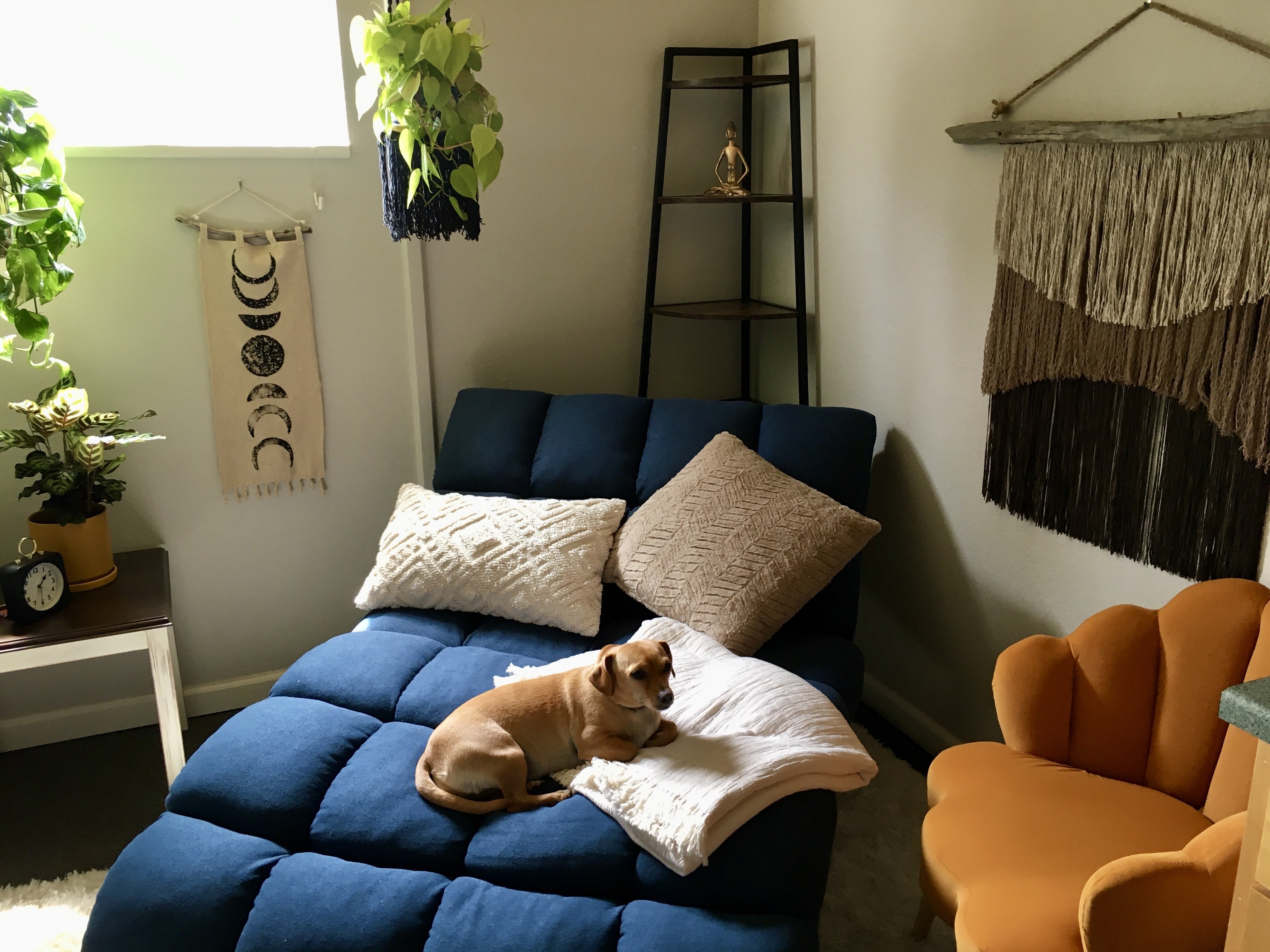
One of the treatment rooms at the Center for New Growth
The ketamine experience generally lasts around 45 minutes and patients are usually in a pretty non-verbal state during this time, Griffin said. The ketamine experience varies from person to person, but often involves a sort of out-of-body experience. Emily Witt, in her New Yorker article “Ketamine Therapy is Going Mainstream. Are We Ready?” explained her experience of coming onto ketamine like this: “My mind dissolved into a muted silence, as though I were in a warm, carpeted soundbooth.”
Later ,Witt wrote, “before taking the shot, I had been sad and worried. I emerged feeling calm and soothed.”
And feeling calmer, happier and more at ease seems to be a common reaction to the ketamine treatment. Sometimes that feeling lasts for a couple of days, other times weeks. Many people find it to be an extremely effective antidepressant in this way. Ketamine is often recommended to those who have “medication resistant depression,” Griffin said, meaning that they have not found other medications, such as SSRIs to be helpful in treating their depression.
The reason ketamine can be more effective for some people is that it behaves differently than other antidepressants. By blocking glutamate receptors, it increases glutamate globally throughout the brain. Ketamine also improves neuroplasticity and stimulates the brain’s glial cells, which are the cells that provide support for the brain’s neurons.
In addition to the benefits ketamine can have on the brain, Griffin said that it can make patients more open with their emotions, making talk therapy more effective. It also provides an opportunity for some people to address traumas from their past by reliving experiences in a safe way. The treatment often puts people into “witness consciousness,” Griffin said.
“You get to watch yourself from a different vantage point,” she said. “I’ve watched people and listened to people relive experiences of being raped, or sexually abused, of finding loved ones or family members down and having to do CPR on them at the moment, or they lost their children. And they relive them right here.”
Of course, reliving a traumatic experience can potentially be extremely frightening. This is one of the ways having a therapist, or guide, present can help. If people seem to be having too intense or uncomfortable of an experience, the guide can help serve as an anchor to reality. “[We’ll say things] like ‘you’re here, you’re safe, you’re in Eureka, California,’ you know, like ‘we’re with you, you’ve got this’…”
Typically, as the patient starts to land from their trip, the therapist will engage with the patient and help ease them back into reality. As the person begins to become verbal again, the therapist will begin to ask about images, words or sensations the person is bringing back with them from their journey. The therapist will also discuss what they observed during the patient’s experience, what was happening with their body and their breathing and will share things the person might have said during their trip and discuss this with the patient.
Of course, ketamine-assisted therapy is not for everyone and there are potential risks associated with it, including addiction. Problems with ketamine addiction became more prominent as it became a popular club drug in the 90s, especially in the UK . And its recreational use as a party drug seems to be on the rise again over the last few years. But Griffin stresses that the ketamine being administered in a treatment center is usually very different from what a person would get on the street, where it is often cut with other substances. If a person is only taking ketamine as prescribed, then the risk of addiction is very low, Griffin said. Drug-seeking behavior is also something the center screens for.
High levels of ketamine use can also lead to cystitis, or inflammation of the bladder. This usually only occurs when someone uses large amounts of ketamine (around six grams a day), Griffin said. Again, if you are only using the drug as directed, this should not be a problem.
So, what makes someone a good candidate for ketamine-assisted therapy? As mentioned before, Griffin recommends this option if you have treatment-resistant depression – meaning you have tried at least three different treatment options that have been unsuccessful, or if you suffer from PTSD. Griffin said that ketamine therapy can also be effective in relieving postpartum depression or grief. Griffin also mentioned that there is a burgeoning body of evidence that ketamine can be effective in treating alcoholism or other substance use disorders.
Before you consider ketamine therapy, you should also be aware that it is not cheap. Griffin does operate on a sliding scale, offering a ketamine-assisted therapy session for between $450 and $750. The center does partner with a medical micro-loan service, which offers an up-front loan and two years of zero percent interest in order to help people who can’t cover the cost upfront. But, unfortunately, insurance does not cover the treatment in California. Because ketamine’s primary legal use is as an anesthetic, psychotherapy and depression treatment is still considered an off-label use and is not covered by insurance. This is beginning to change, however, as more states and medicaid programs recognize the benefits of ketamine in treating depression.
And as psychoactive substances are becoming more widely recognized as a therapeutic resource, Griffin is hopeful that ketamine assisted psychotherapy will be covered by more insurance programs and will become more accessible to lower-income individuals.
“My greatest tension around this work right now is the fact that this care that I have witnessed to be so profound and so transformative and effective, doesn’t fit into the current system of how care is rendered,” Griffin told the Outpost. “And I do not even pretend to have the answer at this point about how to solve this. But I will say that I feel more committed to this piece of equity and access than perhaps any other part of the practice. I really want this to be accessible.”
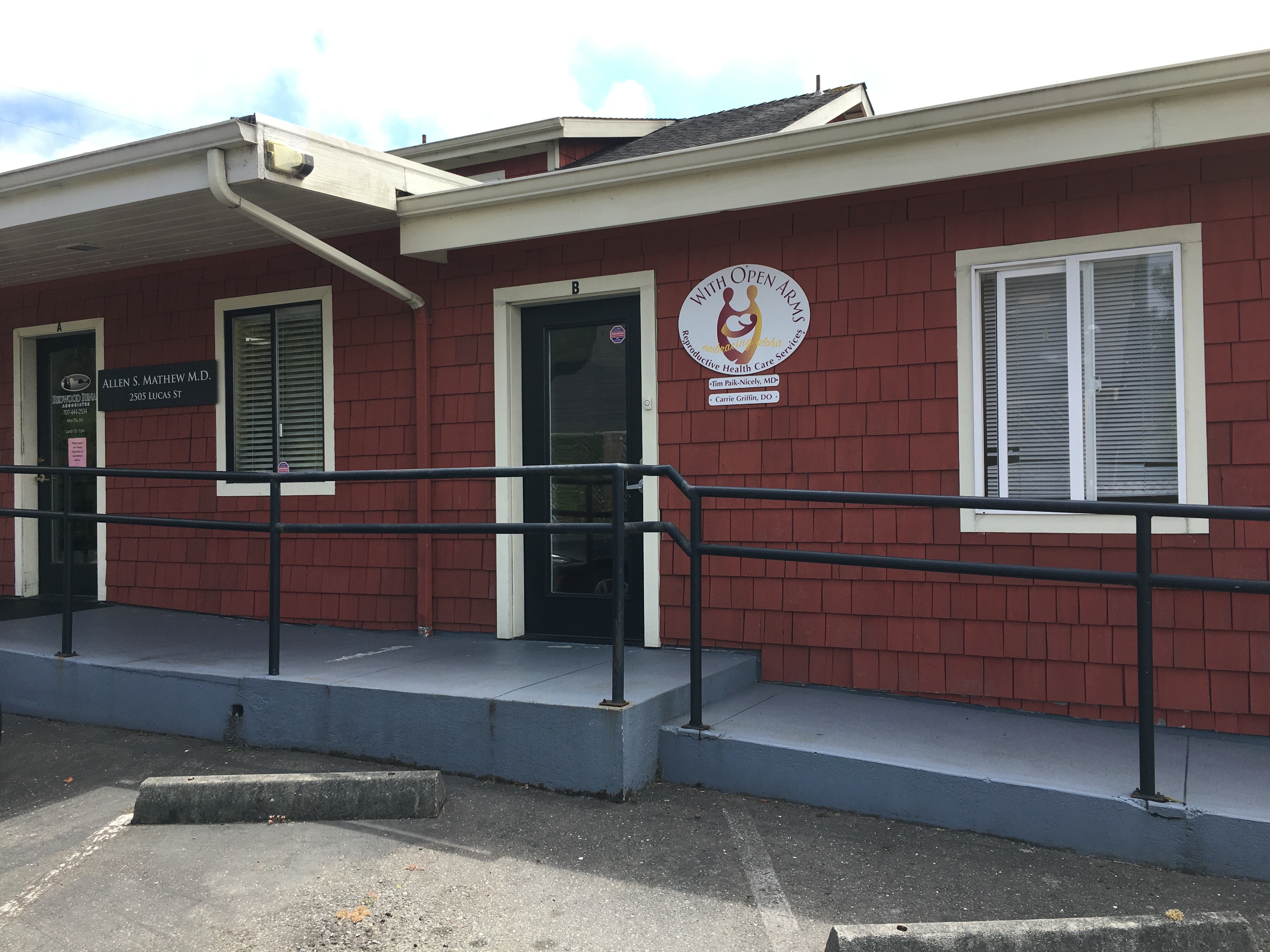
The center at 2505 Lucas Street, Suite B, previously With Open Arms
With Monkeypox, California Colleges Seek to Control Spread of Two Diseases at Once
Mallika Seshadri / Thursday, Sept. 15, 2022 @ 7:41 a.m. / Sacramento

The University of California San Diego (UCSD) North Torrey Pines Living and Learning Neighborhood on July 27, 2022 in San Diego, California. Photo by Ariana Drehsler for CalMatters
###
After a couple years of living with COVID-19, UC Santa Barbara student Alex Niles heard about the monkeypox outbreak. “Here we go again,” he thought.
Niles, who is president of the UC Student Association, knew monkeypox was transmitted very differently than COVID-19 and generally posed less risk. But he began to notice concern percolating within UC Santa Barbara’s student body.
“There’s a good share of folks who are definitely like ‘OK, I’m going to get vaccinated, I’m going to start taking precautions,’ ” Niles said.
With the monkeypox outbreak coming amid the ongoing COVID-19 pandemic, California colleges find themselves trying to control the spread of two infectious diseases at once. Vaccines for monkeypox are in short supply, and an infections can take students away from their studies for weeks. But some administrators and professors say their experience tackling COVID-19 has made them better prepared for the new threat.
“For the last two and a half years with COVID, we have, you know, more people in our public health teams. We have better connections with our local public health departments,” said University of Southern California chief health officer Sarah Van Orman. “That’s really the infrastructure that we’ll be able to leverage, whether it’s monkeypox, meningococcal disease or chickenpox or tuberculosis.”
Campuses across the Cal State system have launched awareness campaigns to educate students on how to prevent monkeypox infection. And the UC Office of the President has advised its campuses to provide treatment and academic support for those infected.
Not all campuses have vaccines, however, and those that do are limiting access to certain groups considered at high risk for the disease. To obtain larger supplies, they’ll have to work with local public health departments to acquire them when they are available. That date could be a few months away.
“It really is a system-level challenge that there just is not enough vaccine availability right now,” said David Souleles, the COVID-19 Response Team director at UC Irvine. “Health departments are having to really closely manage how it gets used and distributed so that it’s hitting the highest risk populations first.”
California has seen 4,453 cases of monkeypox as of September 13 — 6.8% of which were in people between the ages of 18 and 24. Several colleges around the country have confirmed the presence of monkeypox cases as students headed back to class nationwide. With vaccines in short supply, many California campuses are focusing on meeting the needs of students who test positive by setting aside isolation beds and providing academic accommodations.
While campuses should prepare to support students who test positive for monkeypox, there is no need for extreme measures like those previously taken against COVID, which is a global pandemic, Souleles said.
“The approach and the role that universities will play in a monkeypox response will be a little bit more along the lines of the traditional response we would have had whenever there was any other kind of communicable disease on campus,” he said.
Tailoring prevention efforts to the disease is critical, experts say, as the two are transmitted very differently.
Unlike COVID-19, monkeypox is only transmitted by close skin-to-skin contact, said Van Orman. Sitting next to somebody in class with the illness — or even living in the same dorm — is unlikely to lead to infection, she said.
Still, vaccines are the best way to curb the spread of monkeypox, whether at the campus or national level, experts say.
“Really promoting the availability of vaccination, both pre-exposure but also after someone’s exposed, that’s going to be our key in stopping this from spreading,” Van Orman said. USC has already seen cases on campus, she said, but the spike in cases nationally and locally has started to flatten.
UC San Francisco has already secured a vaccine supply, said campus spokesperson Laura Kurtzman. And everyone on the campus — including their 3,200 graduate students in the health sciences — can get the vaccine if they fall into one of several categories.
Those include laboratory workers who perform monkeypox testing, people who have been in close contact with a positive case and men or trans people who have sex with men, a group that has been disproportionately affected by the disease. Similar groups of students would likely be prioritized on other campuses throughout the state, as vaccines become available.

Staff prepare monkeypox vaccines for administration at Zuckerberg San Francisco General Hospital on Aug. 12, 2022. Photo by Martin do Nascimento, CalMatters
Beyond vaccination, most UC campuses have tests for students who want to take them. Other universities are still working to provide testing and treatment. Cal State San Marcos, for example, has applied to be a Centers for Disease Control Clinical Investigation Site, which would enable them to test students.
Unlike with COVID, campuses are not requiring students to test, and experts say there isn’t a need for widespread testing.
“If there’s somebody who has monkeypox in your dorm or in your classroom or in your workplace, you’re probably not going to know about it, and nor do you need to know about it,” said Van Orman. “That person does not pose a risk to you.”
While monkeypox poses far less of a health risk than COVID-19, experts say the symptoms can be painful and debilitating. And the isolation period for someone with the disease can be a lot longer than the five-day minimum for COVID — sometimes lasting as long as four weeks.
Prolonged isolation can mean longer time away from school, making academic accommodations important, Souleles said.
“That has a much more significant impact on a student’s academic progress and performance, particularly here at UCI, where we’re on a 10-week quarter system,” he said. “We want to make sure that we link our students with our disability services team to work out any accommodation needs…to allow them to manage their academic progress while they isolate.”
Some campuses are relying on public health measures they already took in response to COVID to help them control the spread of monkeypox. UC Irvine, for example, has 166 isolation beds set aside during the pandemic. A portion of those will now be available to monkeypox patients.
UC San Diego has added monkeypox to its wastewater surveillance program, which tests sewage in the area to spot early signs of COVID-19 surges. And UC Davis’s student health center has formed a public health unit – made up of a physician, a public health coordinator and a public health nurse – to combat infectious diseases, including monkeypox.
Communication between university administrators and students is critical, Niles said, especially as “campuses are an authoritative voice on health information.” Niles said he hoped his university would communicate more effectively about monkeypox than it did with COVID.
“Every aspect of the pandemic response, students had to engage so much and advocate for ourselves to ensure that things were handled in the right way,” Niles said. “It fell on students to make sure that academic responses were inclusive for all students, that personal protective equipment was available, that students had the basic needs, you know, attended to.”
The UC Office of the President says it has encouraged campuses to increase outreach and education, and USC has a monkeypox website it frequently updates.
“The other key role I think universities have is, you know, providing good information,” Van Orman said. Universities should avoid any messages that might create stigma around the disease, she said. “Anything that identifies people or kind of shames them based on the basis of identity is bad public health because it prevents us from getting good information and helping anyone who is impacted.”
Campuses on the quarter system still have time to prepare before students return later this month, Souleles said. In the meantime, they can keep an eye on what their counterparts on the semester system are doing.
“I don’t think we’re gonna see the thousands of cases we’ve seen with COVID-19,” he said. “I expect this to be a much smaller occurrence.”
###
CalMatters.org is a nonprofit, nonpartisan media venture explaining California policies and politics.
Voters Push to Take Local Redistricting From Politicians
Sameea Kamal / Thursday, Sept. 15, 2022 @ 7:30 a.m. / Sacramento
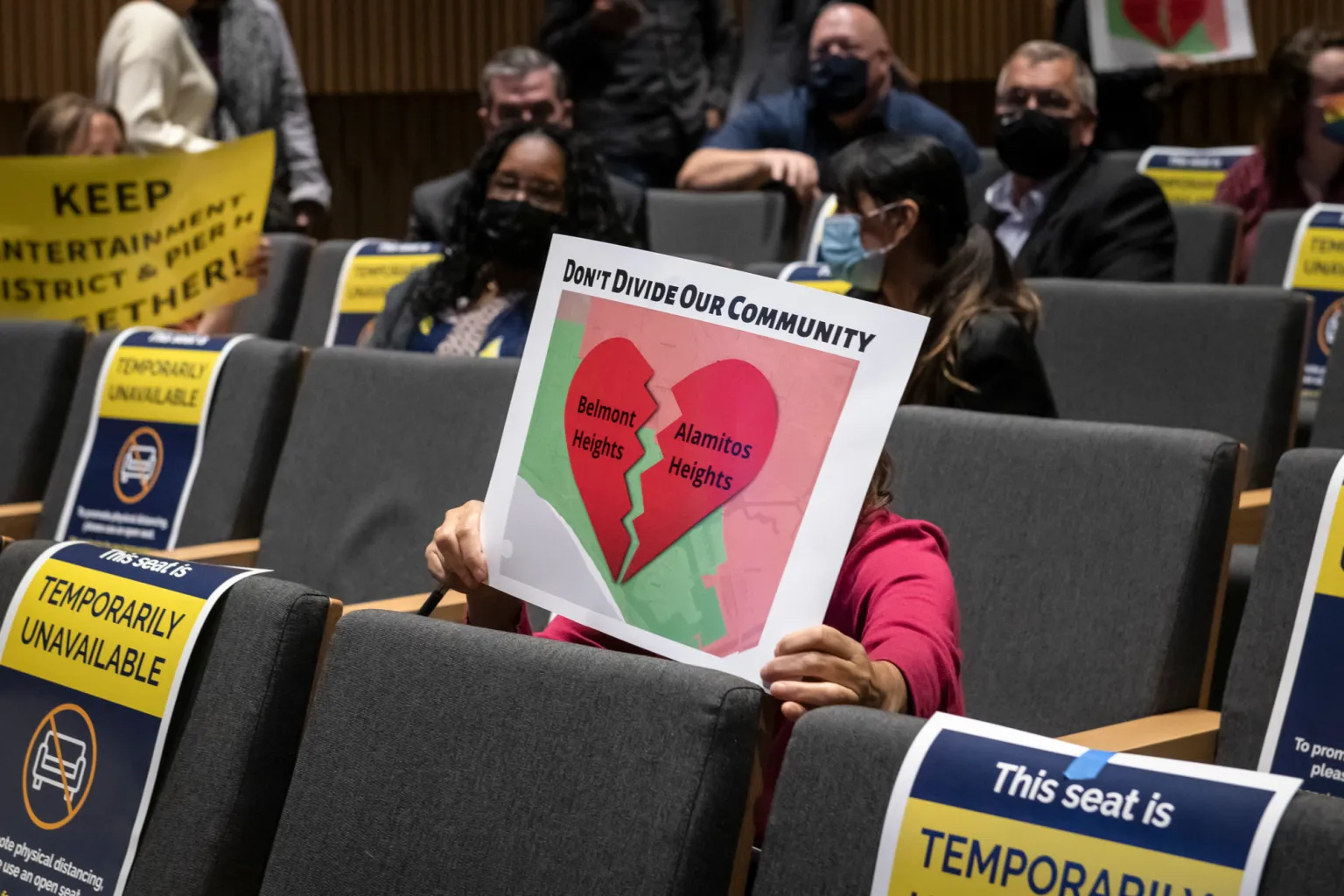
Long Beach residents attend a meeting of a new independent redistricting commission on Oct. 20, 2021. Photo by Pablo Unzueta for CalMatters.
California’s independent redistricting commission has received generally good reviews for its new maps that voters are using to elect legislators and members of Congress in November.
Voters who say they are disenfranchised want similar panels to draw their local districts — and they’ve gone to the Legislature to make that happen.
Three bills on Gov. Gavin Newsom’s desk would overrule local officials and require independent redistricting commissions in Fresno, Kern and Riverside counties, respectively. If he signs them, those panels would work on districts for the boards of supervisors in those counties, starting after the next Census in 2030.
“I think people are aware now of how politicians have been using political lines to keep themselves in power. I think people want to see that power in the hands of the people,” said Lori Pesante, civic engagement director of the Dolores Huerta Foundation, which sponsored Assembly Bill 2030 for the Fresno County citizens commission.
“Redistricting is very much in the consciousness of the people, so I hope the conditions are ripe now for the governor to sign,” she added.
While Newsom vetoed a bill in 2019 that would have required all 21 counties with populations of 400,000 or more to establish independent commissions to draw county supervisor districts, he signed two other bills to create such panels just in Los Angeles and San Diego counties. Under current law, counties are allowed to use advisory or fully independent commissions, but aren’t required to have them.
The 2022-23 state budget includes $1 million for the Riverside citizens redistricting commission.
“This failure of a majority of the Board of Supervisors to protect the voting rights of our Latino community illustrates why an independent citizens redistricting commission is needed to draw fair maps for Riverside County,” Assemblymember Sabrina Cervantes, a Corona Democrat, said in a statement. She authored AB 1307 to create the Riverside commission and is vice chairperson of the California Latino Legislative Caucus.
Advocates in Riverside County aren’t waiting on a new commission to draw fairer districts in the future. They’re suing to overturn districts drawn by the board of supervisors last year, alleging that the maps disenfranchise Latino voters by splitting them among districts.
“What we saw happen in Riverside County was pure political self-preservation by the county supervisors,” said Michael Gomez Daly, executive director of Inland Empire United, a coalition that seeks to elect diverse candidates in San Bernardino and Riverside counties. “It had nothing to do with fair representation for the communities that they purport to serve.”
Representative democracy?
Riverside County is a prime example of the voting population shifts that can occur from decade to decade — and even more quickly. Within just one year during the pandemic, from July 2020 through July 2021, Riverside County gained 36,000 residents — the third highest county population gain in the nation. Even before that, the county saw 10% growth, with a couple of cities nearly doubling in size from 2010 to 2020.
It seems logical: The Inland Empire led the country in job growth after the Great Recession. It’s home to warehouses for retail giants such as Amazon, Walmart and Target. Housing is also more affordable than the rest of Southern California.
Riverside County’s demographics have also shifted, with increases in the Latino population and Asian populations, and decreases in the white population.
“What we saw happen in Riverside County was pure political self-preservation by the county supervisors.”
— Michael Gomez Daly, executive director of Inland Empire United
That’s why groups including Inland Empire United and the UCLA Voting Rights Project warned supervisors that the maps they were leaning towards would disenfranchise Latino voters. Plaintiffs in the lawsuit say their input on a map with two majority-Latino districts instead of just one was ignored.
“For months, Riverside residents demanded the county to do the right thing and adopt maps that would lead to equitable and fair representation. Instead, the supervisors ignored the community and adopted maps that would ensure they had easier reelections,” Daly said in a statement in June. “The supervisors’ redistricting plan is a classic case of politicians putting their own interests over people.”
The plaintiffs are calling on the board to rescind the current map, and adopt one that keeps communities of interest together.
Similar complaints are behind the bill for a Fresno County commission.
Critics said that supervisors approved a map that changed little from the 1991 version, despite a growing Latino population.“Our county is changing, and Latinos now make up the majority of the population,” Assemblymember Joaquin Arambula, a Fresno Democrat, said in a statement when he introduced AB 2030. “We can no longer tolerate a process in which elected officials give lip service to following redistricting requirements, ignore public input, and then adopt a map that serves their purposes. This change is long overdue.”
The bill for the Fresno commission, however, is opposed by both the county and the California State Association of Counties.In Kern County, Assemblymember Rudy Salas, a Democrat from Bakersfield who is now running for Congress, introduced AB 2494, asserting that the bill would save taxpayer money and prevent future lawsuits against the county. The bill was introduced after a 2016 lawsuit by the Mexican American Legal Defense and Educational Fund, in which the group said the 2011 redistricting plan divided the Latino community into two districts, neither of which had enough Latino voters to elect a candidate of their choice.The Kern commission bill is opposed by the board of supervisors.
All three bills set out criteria for commission members similar to the statewide commission. For example, anyone who has run or been elected to public office in the past ten years wouldn’t be eligible to serve.
California Common Cause, which led the effort for the statewide independent redistricting commission, said it supports the goals of the three bills, but wanted to see the language around the partisan makeup amended.
The bills — modeled after the ones approved for Los Angeles and San Diego counties — call for the 14-member commissions to reflect the partisan makeup of each county. Common Cause recommends either five Democrats, five Republicans and four no party preference members, like the state’s commission, or one that removes partisanship from the application process altogether.
“We definitely want to emphasize that we are super supportive, and any approach is superior to the current incumbent-driven process,” said Alesandra Lozano, program manager for California Common Cause’s Voting Rights & Redistricting division. “We noted that in the event the amendments were not taken and implemented, we recommend requiring a supermajority of final approval for the maps in order to ensure that the approved maps have broad support.”
The future of local redistricting
A dozen new city and county independent commissions drew maps in the past year for voters to use from 2022 to 2030, using data from the 2020 Census. There are four counties with independent commissions, 24 with advisory commissions and 30 with no commission, according to Common Cause.
“County-level redistricting does seem to receive less attention than state-level or city-level redistricting,” Sietse Goffard, senior program coordinator on the Asian Law Caucus’ voting rights team, said via email.
But over the past couple of redistrictings following the once-in-a-decade Census, the public has been more engaged, said officials from both the Asian Law Caucus and the League of Women Voters of California.
Maps drawn by independent commissions don’t guarantee the process is flawless — but since commissions have specific guidelines, the results are typically better than when elected officials do redistricting, advocates say.
Maps in Los Angeles County were redrawn by an independent commission for the first time, and the process was an improvement over previous mapping, said Chris Carson, redistricting director for the League of Women Voters of California. When the commission was appointed by the board of supervisors, it was clear the appointees were acting in supervisors’ interests, she said.
The independent commission created one majority Latino district and was able to unite most of the city’s historically Black community, as well as grouping beach communities and cities heavily defined by the entertainment industry, according to the commission’s final report.
Christian Grose, professor of political science and public policy at the University of Southern California, said that in the absence of a statewide requirement, a county-by-county approach might be a smart way to test the waters of requiring independent commissions in places where they could have high impact, such as Kern County.
“It’s potentially easier to get some support when it’s just a specific geographical area,” he said.
The test cases may lead not just to more bills that would require independent redistricting, Grose said, but could lead some counties to decide to do so on their own.
California Common Cause, which observed more than 60 redistrictings over the past year, is still reviewing its data to determine its legislative recommendations for next year.
“From this past cycle we now have over a year’s worth of observational data, and we came to the conclusion that, just, without a doubt, independent redistricting commissions do lead to better outcomes for voters than any of the available alternatives,” Lozano said.
###
CalMatters.org is a nonprofit, nonpartisan media venture explaining California policies and politics.
OBITUARY: Frances C. Lewis, 1933-2022
LoCO Staff / Thursday, Sept. 15, 2022 @ 6:56 a.m. / Obits
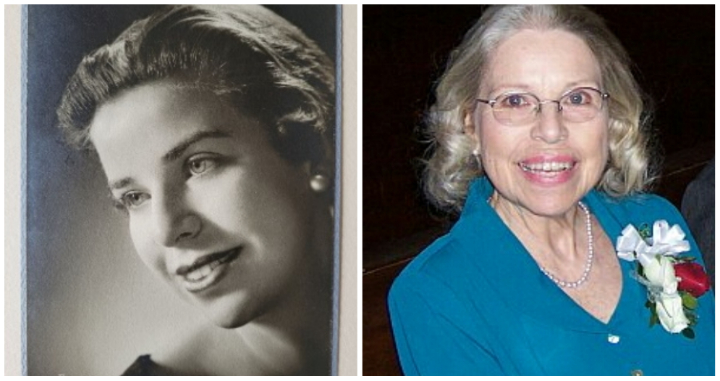
Frances C. Lewis
October
24, 1933 – July 31, 2022
Frances “Fran” Young Corbin Lewis was a loving wife, mother, grandmother, great-grandmother and friend. She was welcomed into the arms of Jesus on July 31, 2022, at the age of 88, in Eureka. She shared her broad smile with one foot in heaven during her last days.
Fran was born to Frances Young (Gregg) Corbin and Judson Stephen Corbin on October 24, 1933, in Urbana, Ohio, and had a younger brother, Stephen. She went to school in Ridgewood, New Jersey, moved to Phoenix, Arizona during her 8th grade, back to Urbana for 9th grade, then finished high school back in Ridgewood. She said changing schools had the good result of making new friends.
Fran received a Bachelor of Arts from Cornell University in 1956, then married her college sweetheart Richard (Dick) Lewis, and started a family in upstate New York. After the births of their first three children, Richard (Rich), Catherine (Cathy) and Suzanne (Suzi), they relocated to Mountain View, California, for Richard’s work at Lockheed Missiles and Space, Palo Alto. There Fran had the twins Frances (Frankie) & Jon before settling in Saratoga and having Kelley. Her New York doctor didn’t tell her she was to expect twins - a California surprise! Fran enjoyed family time with projects, concerts, neighborhood holiday celebrations, and camping. Fran and Dick traveled together including to Mexico, England, Wales, Spain, France and Portugal, making memories and friends.
Fran loved fine art, visits to San Francisco, music, travel, architecture, Christian ministry, family and spending time helping others. She volunteered at Hansen Elementary School in the Library and the Music Department, and played piano. She worked at Saratoga Federated Church as the Director of Children’s Education from 1972-76, and stayed involved for years either singing in the church choir, hosting the weekly College and Career Group, or participating in the Nancy Lane/East San Jose children’s tutoring and outreach ministry. Neighbors and church friends visited often. Fran also hosted many formal dinner parties for Dick’s colleagues from around the world. After her divorce from Dick, Fran moved to San Jose and took a position at CityTeam Ministries as the Girl’s Ministry leader for five years. Fran took a wonderful trip to Turkey to tour Bible lands. She held love for and friendship with Dick until his passing in 2017.
In 2002, Fran retired and moved to Blue Lake in Humboldt County. She met her second husband, Roy Campbell, at Blue Lake Community Church. They married in 2003, adding Papa “Cowboy” Roy and two step-children, Jamie (Glenn) & Linda, to her family story. Roy was a proud Texan and Army Veteran, a tale teller and a Eureka Flea Market mainstay, sharing much love and fun with Fran. They traveled to Alaska, and took a road trip to Texas together via New Mexico, Utah and Las Vegas. They hosted many family gatherings at their Blue Lake home. Roy passed away at home in 2010.
Fran was a truly refined, intelligent, gracious, classy and charming lady who imparted her love for God, service and aesthetic beauty to her family. She often said her mind worked differently, liking different perspectives and angles. Fran continued her efforts for God’s work and love by supporting Mercy Corps, PBS, St. Jude’s, Open Door Libraries, and Doctors Without Borders regularly through her last years.
Fran was preceded in death by her parents, two husbands, her brother Stephen, dear niece Lorena, and her grandson Lyle. Fran is survived by all six children, cousin Will Cole, nieces Pamela and Janet, nephews Wil and Mark, 12 grandchildren, and seven great-grandchildren. She will be greatly missed, and loved forever.
Special thank-yous go out to many caring staff at Alder Bay, Humboldt House Lodge, Timber Ridge, and Hospice of Humboldt.
A memorial service and a celebration of life are planned November 11-12, 2022.
###
The obituary above was submitted by Fran Lewis’ loved ones. The Lost Coast Outpost runs obituaries of Humboldt County residents at no charge. See guidelines here. Email news@lostcoastoutpost.com.


