Audrey
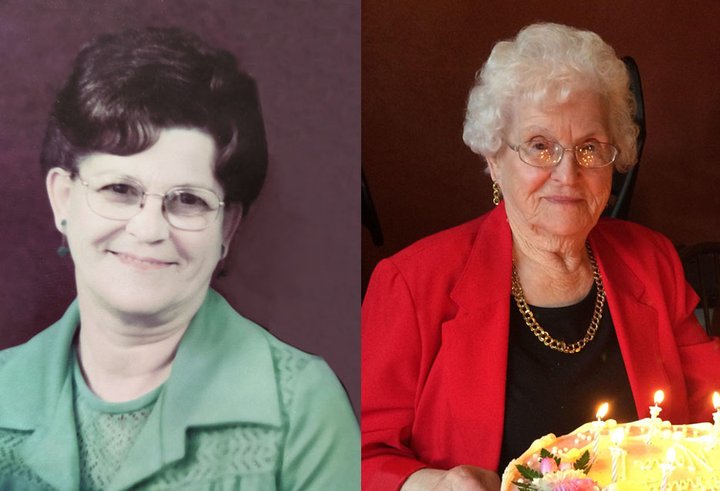
was born on April 19, 1923 to George and Sabina Haywood and passed
away
on November 12, 2021. She was the granddaughter of R. M. Haywood, who
came to Ferndale from Missouri in 1872 and settled in the Port Kenyon
area. Audrey
was
the last remaining
sibling
of the Haywood family
of seven
children and lived independently until the age of 97.
She lived in Ferndale most of her life and attended Ferndale schools.
Audrey
was known for her athletic accomplishments in the late 1930s
and early 1940s,
especially track and field.
Audrey
married dairyman Babe Lourenco in 1943 and raised three children.
During World War II she and her friends worked at the Golden State
Creamery in Loleta making powdered milk for the troops. Audrey worked
at Lentz’s
Department Store in Ferndale in the late 1950s and 1960s. Over the
years, Audrey and Babe belonged to a dancing club and played league
bowling. They also enjoyed trips to Reno and dining weekly at
Parlato’s
restaurant in Fortuna. Audrey was known for her beautiful and
creatively decorated birthday cakes (with thick buttercream frosting)
which she customized for her grandchildren, great-grandchildren, and
those whom she considered family. She was also known for her holiday
cookie trays and buttermilk pancakes.
Audrey’s
greatest
passion was watching
San
Francisco Giants and she rarely missed a game on TV;
dinner
and parties were scheduled around
what time
of day they were playing. Brandon Belt was her favorite Giants
player. Audrey
also enjoyed spending time with her great-grandchildren and had
recently become a great-great-grandmother. Audrey was called Nana by
many and Santa always managed to find time to stop by Nana’s
house in person on Christmas day to deliver a bag of gifts to all of
the kids.
Audrey
is survived by her son and daughter-in-law
Lynn and
Carol Lourenco,
daughter Susan Esty,
and daughter and son-in-law
Patti and Jim Cady. She is
also survived by her grandchildren,
Scott
Esty (Juana), Andra Stringer (Keith), David
Lourenco (Molly),
Troy Cady (Stephanie),
Kelley Lawrence (Chris),
Becky Esty-Burke
(Jason),
and Laura Littlefield (Luke).
She leaves behind 12
great-grandchildren;
Sydney Stringer, Tyler
Peach, Kristen Cady, Samantha Stringer, Julie Cady,
Sophie Stringer, Mason Lourenco, Nolan Lourenco, Isabelle Burke,
Abbie Burke, Kenny Lawrence, and Amy Lawrence. Audrey also had
2 great-great
grandchildren Tucker
Baker and Waylon Peach.
She
was preceded in death by her husband Adelino “Babe”
Lourenco,
four brothers and two sisters; Robert, Tat, Kenneth, and Clint
Haywood, Margie Smith, Phyllis Sousa and by son-in-law Edward Esty.
There
will be a private graveside service at a later date.
Memorial contributions can be made to a favorite charity.
###
The obituary above was submitted on behalf of Audrey Lourenco’s loved ones. The Lost Coast Outpost runs obituaries of Humboldt County residents at no charge. See guidelines here.
Janice
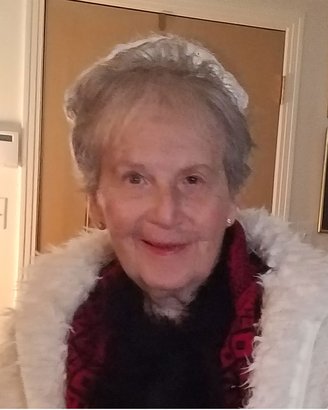
S. Bloch, 94, died on October 25, 2021, in Eureka. She was born in
New Jersey to Meyer and Millie. She was predeceased by her husband of 68
years Robert, older brother Jerry, and sister Helen. She is
survived by daughters Susan Bloch-Welliver (and Bill Welliver), Cathy
Bergh (and Butch Bergh), granddaughter Adrienne Cook. She also leaves
behind step-grandchildren Hayley and Austin (Welliver), nieces,
nephews and cousins.
Janice
and her husband lived and worked in New Jersey most of their
lives. Janice worked as an RN for more than 40 years. She
received her training in the cadet corps. She went back to school
while working and raising her daughters to receive her bachelor’s
degree. Dynamic and energetic, she had an immense love of life and
service. She made it her mission to nurse where she could me most
effective and do the most good — New York City, a hospital in New
Jersey, and for many years at East Side High school in Newark, NJ.
There she mentored many students, helping them find pathways to
college.
Janice
loved opera, Broadway, travel and bridge, and always said yes
at a chance to experience something new. She volunteered for
many years at the Summit Art Center where she arranged tours. She was
an avid reader and passed down her love of books to her daughters and
granddaughter, as well as her love of the arts. She enjoyed knitting,
and made many knit gifts for friends and family. She had an eye for
fashion, color, and had a flair for decorating. She was a woman of
indomitable spirit and will be deeply missed by her family and
friends.
After
a fulfilling retirement in DelRay Beach, Florida, Janice and Bob
moved to Eureka in 2010 to be near their daughter, Susan, and
son-in-law, Bill. Janice enjoyed her new home on the West Coast,
becoming a regular in the town’s many outdoor cafés.
Special
thanks to her devoted friend Kate, and her caregivers Amber,
Cheyenne, and Mary. In lieu of flowers, donations may be made in
Janice’s name to Hospice of Humboldt or to a children’s charity
of your choice.
###
The obituary above was submitted on behalf of Janice Bloch’s loved ones. The Lost Coast Outpost runs obituaries of Humboldt County residents at no charge. See guidelines here.
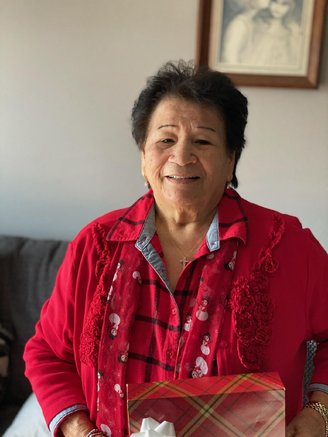
Ethyl Rose Hall, age 80, passed away from complications of Covid-19 on June 24, 2021 in Eureka with her son holding her hand and family close by.
Ethyl grew up in Belcourt, N.D. on The Turtle Mountains. She graduated from TMC High School. When she was 21, she moved to Los Angeles to attend nursing school. It was there that she met her dear friends, the Campbell sisters. She worked for Crestwood Manor, in Eureka, for 30+ years. She continued working up to the time of her illness, saying she couldn’t just sit home doing nothing. She made many lifelong friends there.
She was a die- hard Warriors fan. Stephen Curry was her favorite player. She could be found yelling at the TV during the games, always fired up. If they lost, she would tell you exactly whose fault it was and how horrible they played.
She loved reading her love stories at night, shopping at Kohls and spending enough to get the max amount of Kohl’s Cash and thrift shopping. She was a lady of class. She loved her clothes and her shoes.
Ethyl’s family meant everything to her. She was definitely the rock of the family. She enjoyed going to the thrift stores and cooking holiday meals with Robin. The casinos were a favorite thing to do with Gene. She always made it to all of her grandkid’s and great grandkid’s sporting events. She loved to call everyone nagging about everything and nothing at the same time. She also loved spending time on the phone with her sister Beverly and going out dancing with Antoinette. She had a heart of gold and always made sure everyone was ok.
Ethyl is survived by her daughter Robin Martin, her son Eugene Stiles, grandchildren Arlen (Sharlee) Brown, Christie Brown, Kimberly Brown, Ashley (Bryan) Holt, Bruce Brown, Stormee Martin, Danielle Church, Hannah Stiles, Allee Stiles and Savannah Brown (aka great-granddaughter) and 17 great grandchildren. She is also survived by sisters Ruthann Baker and Beverly Reed and brothers Edward Martin Jr and James Martin along with many nieces and nephews. She also leaves behind her friends Antoinette Skiles, Sue Painter, Michelle Magill, Stanley Fleming, Greg Parnell and Jean Stolte-Thissell.
Ethyl was preceded in death by her husband Bruce Hall, her father Edward Martin Sr and mother Agnes Mae Martin.
A celebration of life will be held November 20, 2021 from 1 to 3 at the Eureka Moose Lodge.
###
The obituary above was submitted on behalf of Ethyl Hall’s loved ones. The Lost Coast Outpost runs obituaries of Humboldt County residents at no charge. See guidelines here.
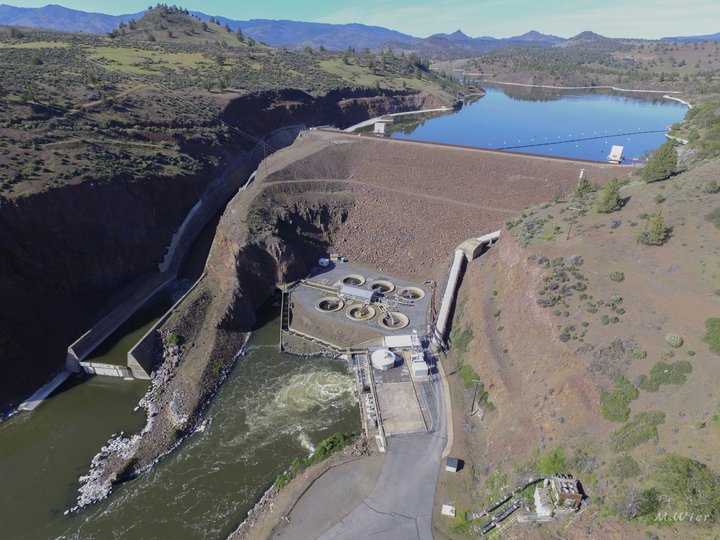
Iron Gate Dam, one of four hydroelectric dams slated for removal on the Klamath River. | Michael Wier, CalTrout.
###
After more than a decade of painstaking negotiations — of deals made and broken, of well-laid plans crumbling under the weight of conflicting goals, corporate greed and bureaucratic inertia — the largest river restoration project in American history is once again moving forward, and stakeholders are optimistic.
“We are really getting close,” said Amy Cordalis, a Yurok Tribal fisherwoman and attorney who serves on the board of the Klamath River Renewal Corporation (KRRC). “It’s kind of that sprint at the end of a run, that little kick, and that’s it. Our contractors are ready to go; the permits are coming in line; so it is time. It’s time for these dams to be removed.”
At a press briefing this past Friday, Cordalis and other key stakeholders offered an update on the remaining regulatory hurdles in the decades-long effort to remove four hydroelectric dams on the lower Klamath River.
The target date to begin dam removal is now early 2023, according to KRRC CEO Marc Bransom. His organization, which was formed explicitly to take over the federal licenses for the dams and oversee their removal, has seen significant progress over the past year, he said.
In the summer of 2020, the Federal Energy Regulatory Commission (FERC) threw a wrench in the works by approving only a partial license transfer to KRRC, requiring utility company PacifiCorp to remain a co-licensee.
When the company hinted that it might walk away from the historic dam removal agreement, elected officials and activists from the Yurok Tribe (and elsewhere) launched a pressure campaign aimed at PacifiCorp parent company Berkshire Hathaway and its billionaire leader, Warren Buffet. These efforts proved fruitful, eventually leading to a new pathway forward thanks to contingency funding and shared liability, with California and Oregon stepping in to assume PacifiCorp’s role in the decommissioning process.
This past June, FERC finally approved KRRC’s license transfer application. Shortly thereafter, the agency announced that it would begin work on the scoping document under the National Environmental Policy Act (NEPA).
“They’ve indicated to us that we should expect to see a draft of the Environmental Impact Statement sometime in the early part of 2022,” Bransom said. The federal agency’s timeline would see the Final Environmental Impact Statement the following fall, but Bransom said that’s not soon enough. In order to meet the 2023 target date to begin dam removal, all necessary permits and approvals need to be in place “no later than late spring or the middle of 2022,” he said.
“We’re adequately funded. We’re raring to go,” he added. “We’re just waiting for these final authorizations to come through.”
Cordalis, whose family is from the community of Requa, near the mouth of the Klamath, said there’s no time to waste. The Klamath River used to be the third-largest salmon-producing river in the continental United States, and current salmon runs are a mere one percent to three percent the size of those historic runs.
“If we don’t take drastic measures on the Klamath River [and] throughout the Klamath basin — to change our management practices, to heal the river, to support ecological environmental restoration — those salmon will go extinct in our lifetimes,” Cordalis said. “And there’s no other way around it. Dam removal is critical and absolutely necessary to healing the river.”
In recent years, 80-90 percent of out-migrating baby salmon have died after contracting a parasite known as Ceratomyxa shasta or C. shasta, which appear in poor water conditions such as low flows and high temperatures, she explained.
These same conditions lead to toxic cyanobacteria, aka blue-green algae.
“Some of our elders are refusing to eat fish from the river when the toxic blue-green algae are active,” Cordalis said. “My own grandma would refuse to eat fish because she’s worried that toxic blue-green algae is going to make her sick also.”
Kelley Delpit, a second-generation cattle rancher in the upper Klamath basin, said agricultural interests on the river dovetail with those of ecologists and tribes.
“I won’t speak for everybody, but it really does come down to ‘What’s good for fish is good for farms,’” said Delpit, who serves as Klamath Basin manager for the nonprofit Sustainable Northwest.
And it’s not just about fish in the Klamath. Glen Spain, member of KRRC board and Pacific Northwest regional director at the Pacific Coast Federation of Fishermen’s Associations, said fishermen up and down the coast, from Monterey to the California-Oregon border, are bound by ”weak-stock management constraints,” which means that when stocks are critically low in the Klamath, as they are this year, it can close the salmon fishery along 600 miles of northern California coastline.
“It costs our communities their economic survival in a lot of ways because it constrains us from all harvests, including harvests from the California Central Valley,” Spain said. “When those runs are good and the Klamath’s are poor, we can’t catch any of them because they’re intermingled. That’s called ‘weak stock management.’ It’s not only required by law, but it’s required by the laws of biology.”
It’s the proper way to manage the fisheries, he said, but it also means fishermen are motivated to see the Klamath return to health.
If you take care of the fish, the fishing will take care of itself,” agreed Brian Johnson, California director for Trout Unlimited and vice-president of KRRC. “The opportunity, bang for the buck on the Klamath, starting with the dam removal program, is as good as it gets anywhere in the country.”
Johnson noted that many people are under the misunderstanding that these dams store water for irrigation or municipal supplies. Others think they serve a flood safety purpose. But none of that is true. Their sole function has been production of electricity.
When they come down, he added, there are likely to be short-term impacts to water quality from construction activities and the release of built-up sediment behind the dams, bu the material has been studied extensively and none of it is toxic. More analysis can be expected during FERC’s environmental review process.
Craig Tucker, a natural resources policy consultant who has worked extensively on the dam removal effort with the Karuk Tribe, Sustainable Northwest and others, said the environmental review process has been extensive.
“We’ve gone above and beyond the basic legal requirements for the science, the research, the justification, really every step of the way,” he said. “We think our technical record on Klamath dam removal is robust. It may be one of the largest dockets in the history of FERC.”
Cordalis said the Klamath river is currently on life support and dam removal is critical for restoration. “One of the things that I always say is, ‘I want my great grandma’s river back,’” she said. That is to say, the river as it was before the dams.
Press release from the Humboldt County Sheriff’s Office:
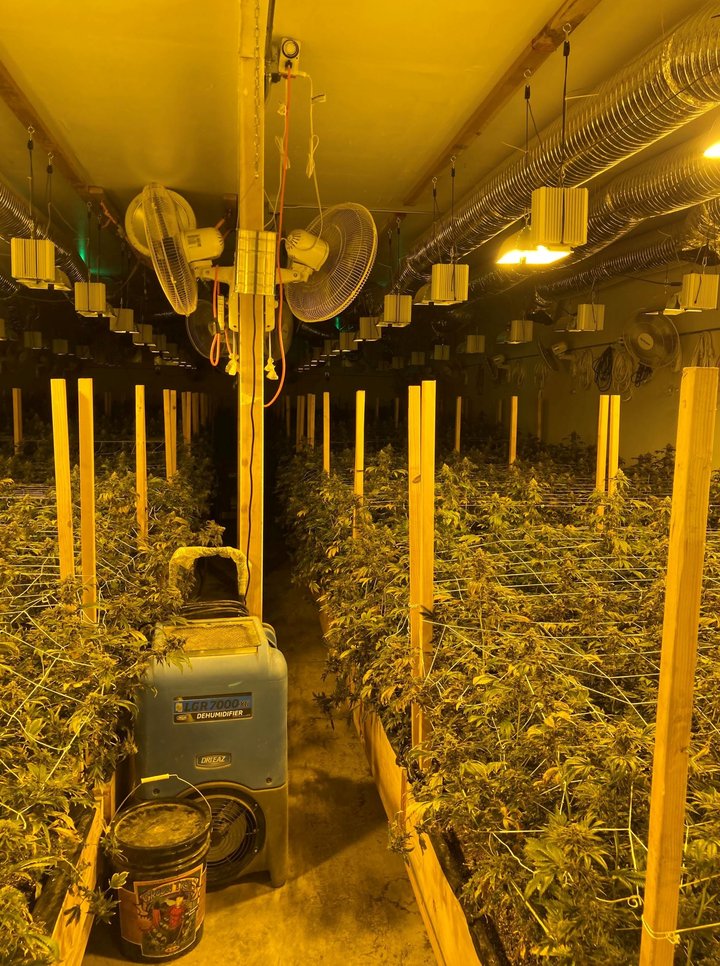
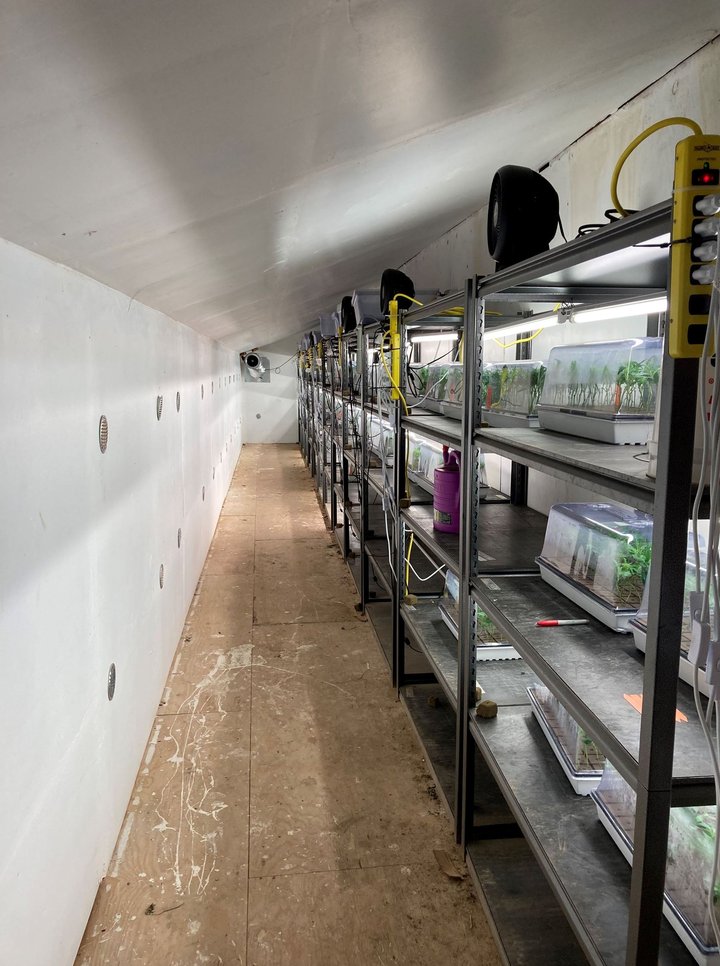
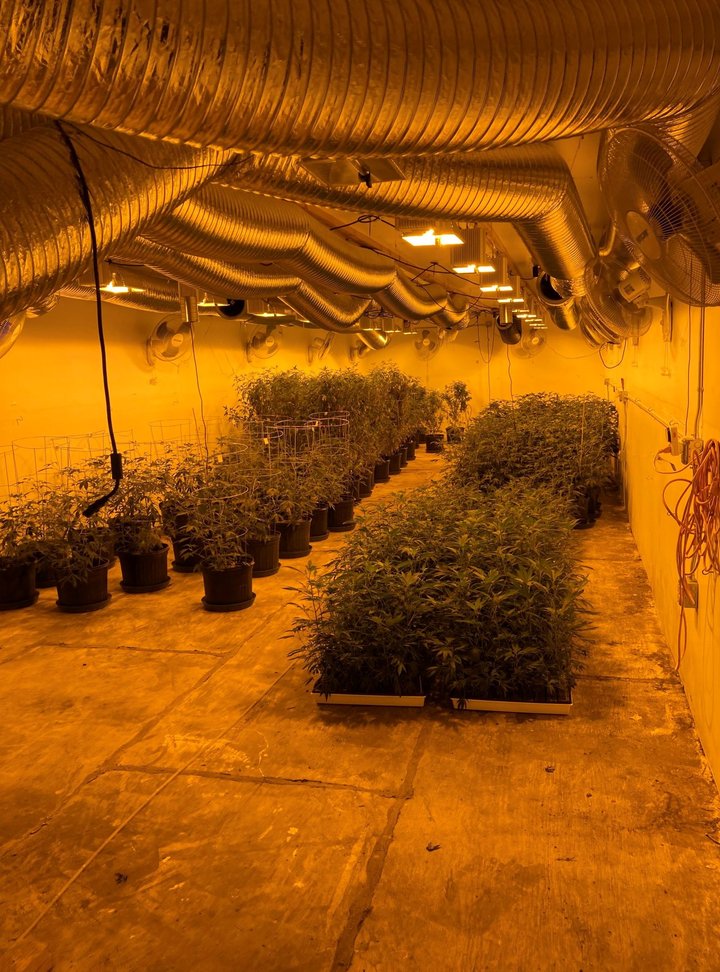
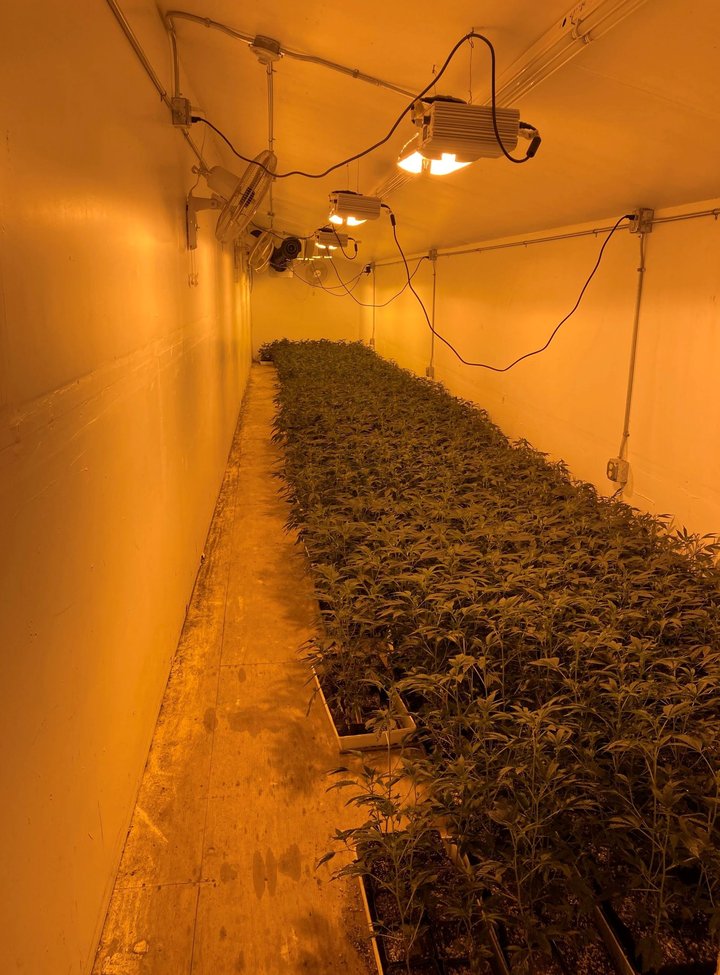
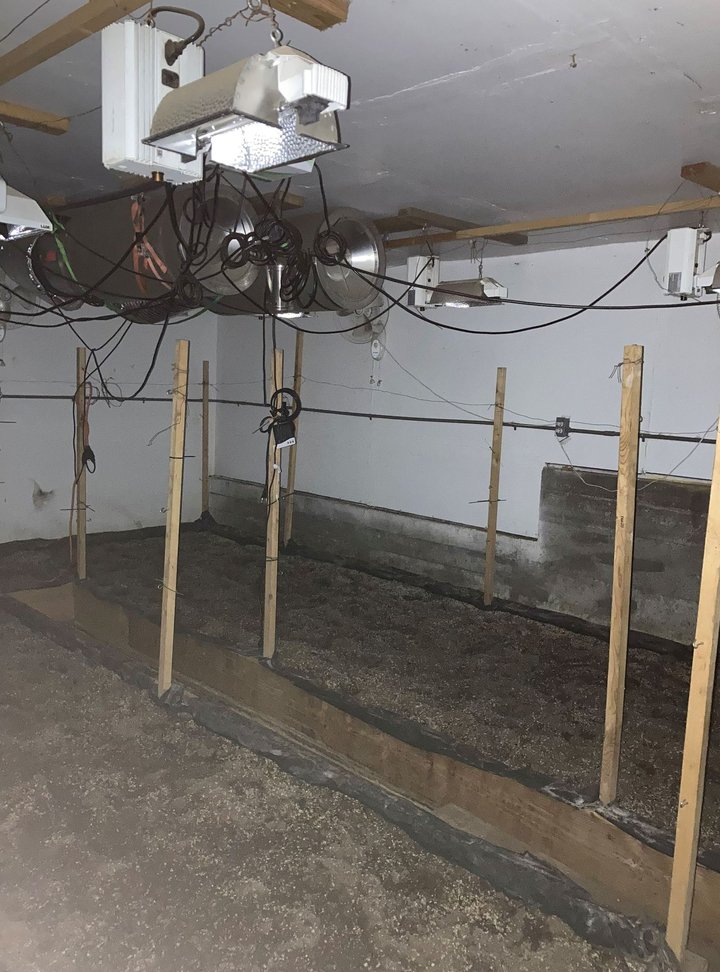
An investigation into illegal cannabis cultivation and surface water diversion near Swain’s Flat lead Sheriff’s Deputies to the discovery of a multi-property indoor cannabis cultivation operation.
On Oct. 27, 2021, deputies with the Humboldt County Sheriff’s Office Marijuana Enforcement Team (MET) served one search warrant to investigate illegal cannabis cultivation in the area of the 19000 block of Highway 36. The California Department of Fish and Wildlife, Humboldt County Code Enforcement and Humboldt County DHHS – Environmental Health and HazMat Unit assisted in the service of the warrant.
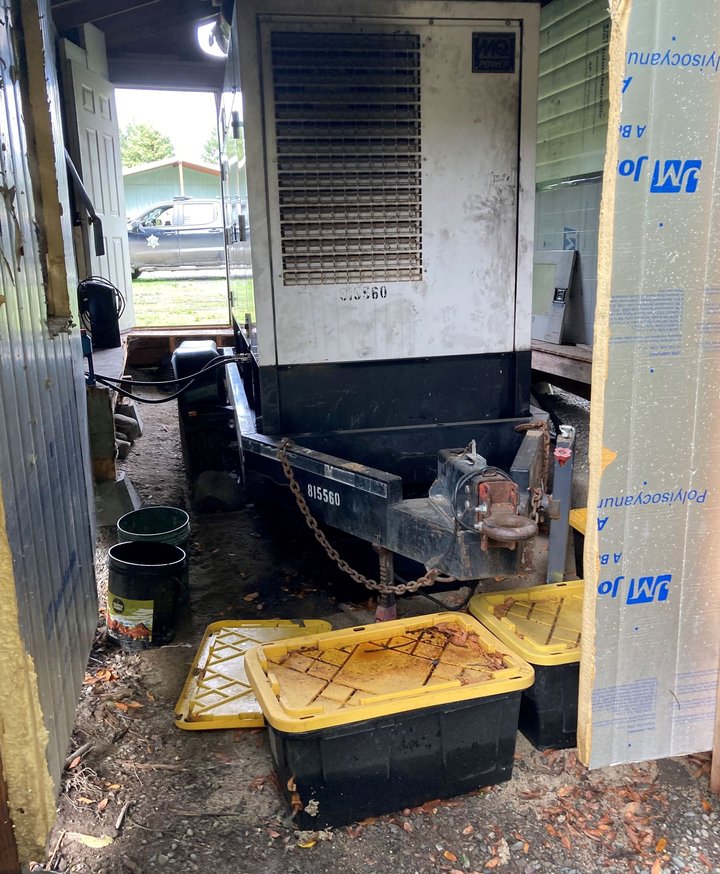
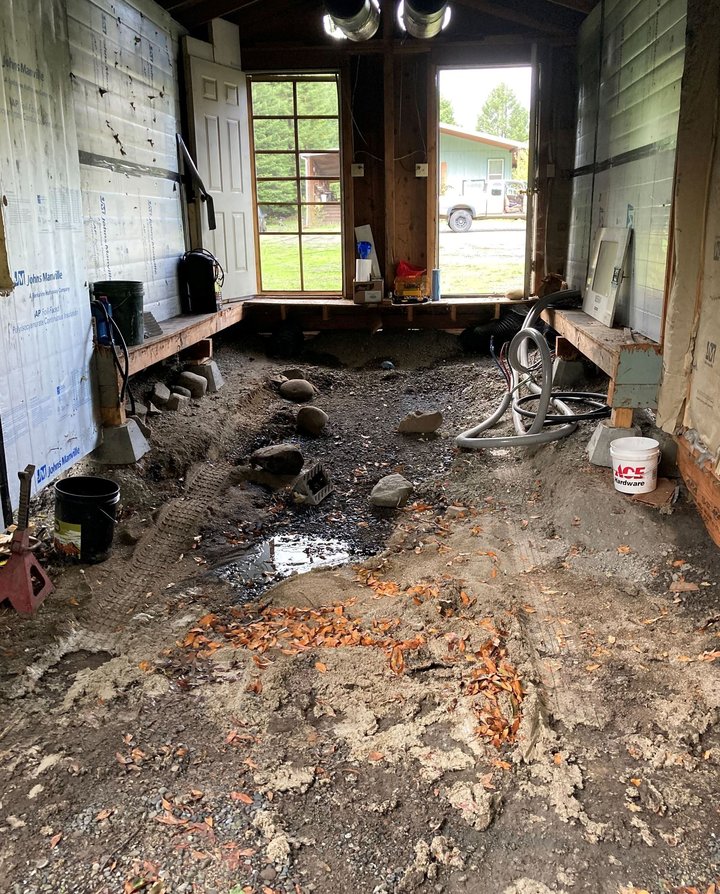
One parcel was investigated during the service of the warrant. The parcel did not possess the required county permit and state license to cultivate cannabis commercially. On the property, deputies located a large indoor cannabis cultivation operation powered by a 150KW diesel generator.
During the service of the warrant, deputies eradicated approximately 6,493 growing cannabis plants. Deputies seized and destroyed approximately 362 pounds of processed cannabis, 24 pounds of cannabis bud and over 174 pounds of cannabis shake. Deputies also located and seized $21,000 in cash pursuant to asset forfeiture proceedings.
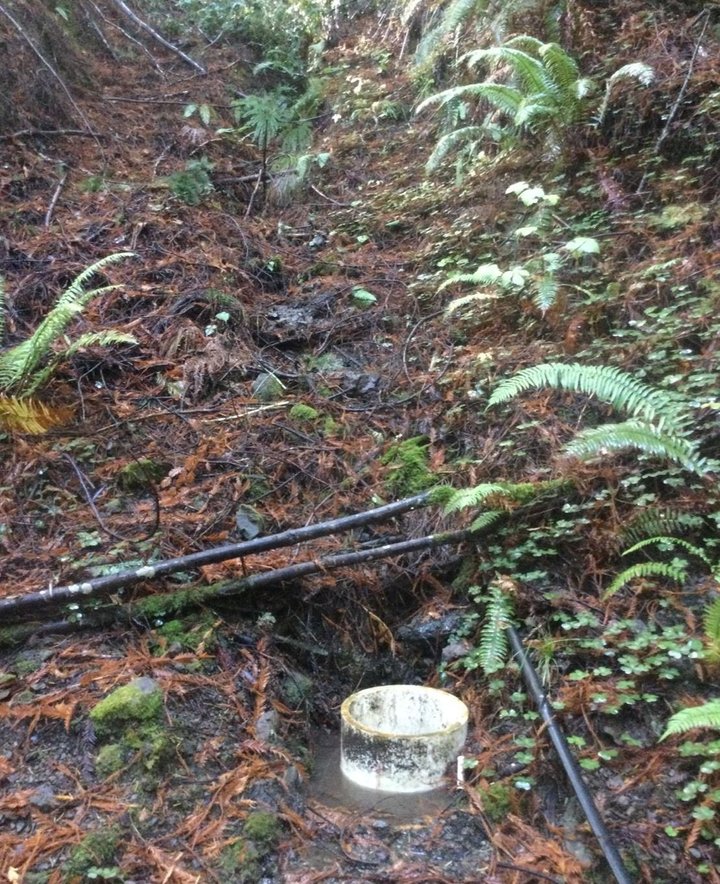
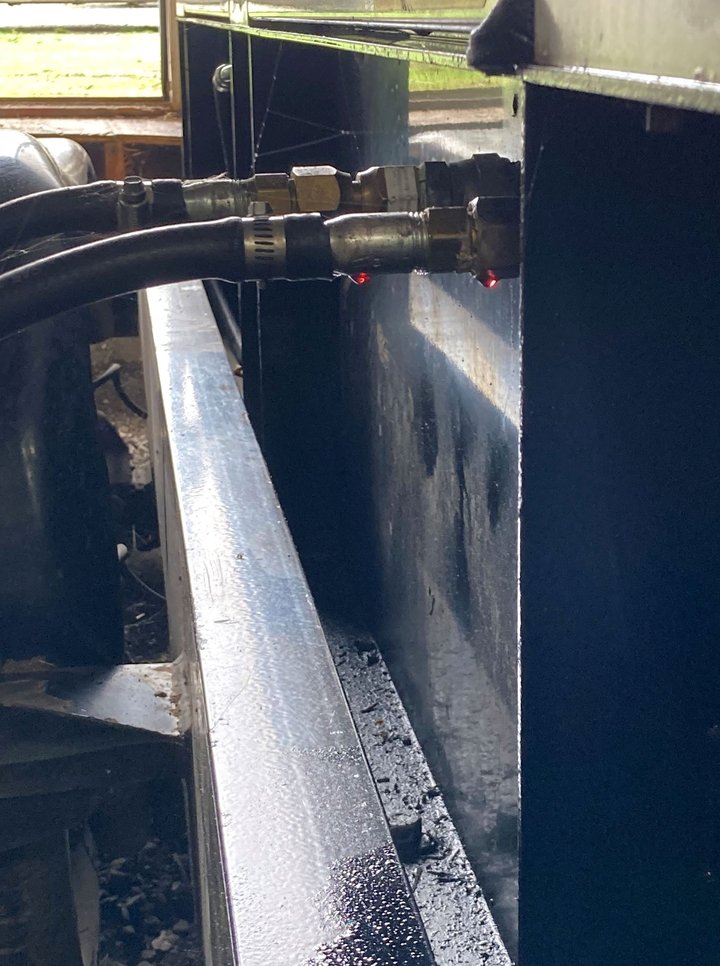
Assisting agencies located one surface water diversion (up to $8,000 fine per day, per violation) and numerous violations related to oil/fuel storage and spills associated with a generator on scene.
While conducting follow up investigation on this case, deputies determined three additional residences located in Rio Dell to be associated with the unpermitted cultivation operation. On November 10, Sheriff’s deputies served a search warrant on those residences. During the service of the warrant, several inactive indoor cannabis cultivation operations were located. Additionally, deputies located approximately 28 pounds of cannabis bud and over 24 pounds of processed cannabis.
No arrests were made during the service of the warrants; however, the investigation is ongoing and involved parties have been identified. The case will be forwarded to the Humboldt County District Attorney’s Office for review and charging decisions upon completion.
Anyone with information about this case or related criminal activity is encouraged to call the Humboldt County Sheriff’s Office at (707) 445-7251 or the Sheriff’s Office Crime Tip line at (707) 268-2539.
Over the last month, the Eureka Police Department’s Criminal Investigation Section
(CIS) has been investigating a string of commercial burglaries in the old town and
downtown Eureka areas. Based on surveillance from multiple locations, 36-year-old
Troy McCluskey was identified as the suspect.
After thorough investigation, McCluskey was linked to eight separate commercial burglaries
which spanned between October 11 and November 3, 2021. A warrant was issued for
McCluskey and on November 13, 2021 he was taken into custody after a very brief foot pursuit
near Summer and W. Washington Streets. McCluskey was transported and booked into the
Humboldt County Correctional Facility for eight counts of burglary.
Burglary incidents included:
10/11/21, school on the 2000 block of E Street
10/12/21, RV park on the 2600 block of 6 th Street
10/19/21, cannabis business on the 300 block of F Street
10/19/21, cannabis business on the 2200 block of 4 th Street
10/19/21, restaurant on the 500 block of 2 nd Street
10/19/21, dance studio on the 400 block of F Street
11/03/21, salon on the 100 block of W 7 th Street
11/03/21, rental business on the 900 block of Broadway
Thanks to all the businesses that provided video surveillance which assisted in the identification
and arrest of McCluskey. CIS continues to process recovered stolen property and is working to
link to victims. As a reminder, it is important to keep track of serial numbers and report thefts.
Doing so greatly increases the chance of stolen property recovery and suspect apprehension.
NBA champion, Hall-of-Famer and new head coach of the Lincoln University men’s basketball team Gary Payton will be on the floor at Lumberjack Arena this week as the 1-4 Oaklanders take on the undefeated Humboldt State Lumberjacks.
The 101-year-old Bay Area-based school is in the midst of its inaugural college sports season and is clearly aiming to make an impression with its first basketball roster, which is padded with relatives of past and present NBA superstars.
In addition to Payton, the team also boasts Portland Trail Blazers guard Damian Lillard’s little brother Jairren Lillard, Isaiah Attles — the grandson of Golden State Warriors Hall-of-Famer Al Attles — and Payton’s youngest son Julian Payton. Julian Payton is also the younger brother of Gary Payton II, who has become a flashy role player for the Golden State Warriors this season.
“Lincoln University has made a commitment to building a world class athletic department and hiring Gary Payton is an example of our strong effort towards this growth,” LU President Mikhail Brodsky was quoted as saying in a June press release.
After a 2-0 start, the Lumberjacks will look to crush the Oaklanders’ lineup of NBA lineage in their home opener on Saturday at 7 p.m.
The Lumberjacks are averaging 66.5 points per game this season. The Jacks standout player so far is 6-foot-4-inch guard Jaden Edwards, who is averaging a team-high 15.5 points and 12 rebounds per game.
In addition to his aforementioned achievements, Gary Payton was also a nine-time NBA All Star, a nine-time All-NBA defender Team and a nine-time All-NBA honoree. During his 17-year career, Payton played for the Seattle SuperSonics, Boston Celtics, Milwaukee Bucks, Los Angeles Lakers and Miami Heat. He attained the nickname “The Glove” for his stifling defensive play, and was inducted into the Naismith Basketball Hall of Fame in 2013. This year Payton was named to the 75th Anniversary NBA Team.