

Inmate at Humboldt County Jail Tests Positive for COVID-19
LoCO Staff / Friday, June 11, 2021 @ 9:40 a.m. / COVID-19 and Humboldt
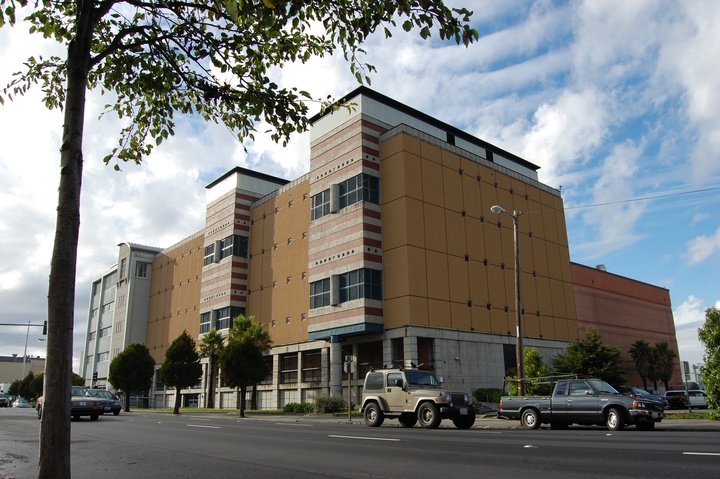
File photo.
Press release from the Humboldt County Sheriff’s Office:
On June 8, 2021, an inmate at the Humboldt County Correctional Facility tested positive for COVID-19. Pursuant to COVID protocols, the asymptomatic inmate had two cellmates while completing an initial quarantine period after being booked into the facility.
One cellmate was released prior to contact with the general population and track/trace efforts are underway. The other cellmate has subsequently tested negative for COVID-19.
As a precaution, an impacted housing unit on which the COVID-positive inmate was housed is undergoing the prescribed quarantine period while the COVID-positive inmate is housed in negative air-flow medical unit for the duration of his personal quarantine.
All other Public Health approved COVID protocols remain in place. For instance, COVID-sanitation protocols remain in place and inmates in the impacted housing unit are separated from un-impacted housing units.
All inmates in COVID-impacted housing units are issued KN95 masks and socially distanced. All impacted inmates will be tested at least twice each week for the 14-day period unless previously vaccinated. Vaccinations remain available for unvaccinated inmates.
Staff movement in and out of the impacted housing unit is being minimized and staff are continuing to wear personal protective equipment.
In-person social visitation in the impacted housing unit is suspended during the quarantine while attorney visits and court appearances will be minimized and non-contact when possible.
BOOKED
Today: 7 felonies, 9 misdemeanors, 0 infractions
JUDGED
Humboldt County Superior Court Calendar: Today
CHP REPORTS
Us101 N / Metropolitan Rd (HM office): Traffic Hazard
1 Mm162 E Men R0.00 (HM office): Assist with Construction
ELSEWHERE
Governor’s Office: Governor Newsom signs first-in-the-nation AI safeguards to protect Californians, calls on the federal government to do its part
RHBB: Body Recovered from Humboldt Bay Near Foot of Commercial Street
KINS’s Talk Shop: Talkshop September 9th, 2026 – Michelle Bushnell
RHBB: HCSO Credits Jail Staff with Saving Inmate’s Life During Medical Emergency
County Health Agencies — Fighting Disease — Also Have to Fight for State Funds
Barbara Feder Ostrov and Ana B. Ibarra / Friday, June 11, 2021 @ 7:52 a.m. / Sacramento
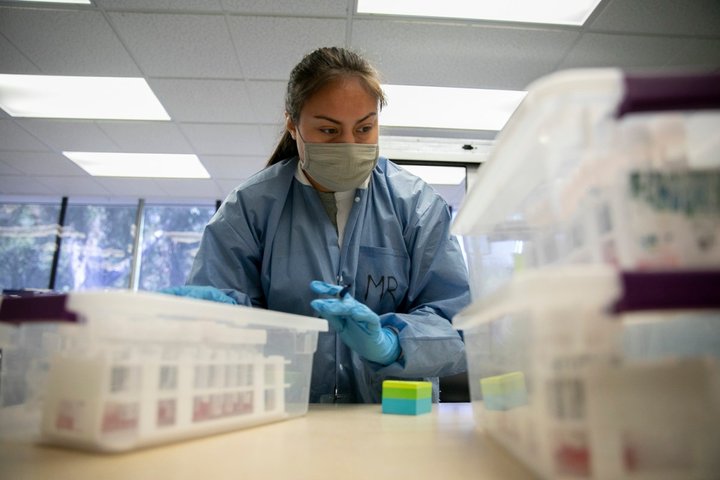
Meredith Reyes, a lab technician, labels COVID-19 test swabs before processing at the Sonoma County Department of Public Health in Santa Rosa. California counties are fighting for more state health funds. Photo by Anne Wernikoff, CalMatters
###
After running Sonoma County’s public health laboratory nearly around the clock for months, Rachel Rees has only recently been able to downshift and give her microbiologists some vacation time. They need it: Two are wearing wrist braces for repetitive stress injuries after processing tens of thousands of COVID-19 tests.
But if the pandemic had begun a year from now, this lab might not have even existed.
In 2019, Rees’ superiors asked her to begin analyzing whether the lab in Santa Rosa should be shut down to save money. As the first COVID-19 cases appeared in California, that review was halted.
“Public health labs are expensive. I honestly think there was a large chance that we would have been closed,” Rees said, adding with a diplomatic smile, “I feel like we did prove our importance.”
California’s county and city public health departments have been stretched to their breaking point throughout the pandemic.
Many health leaders were shocked when Gov. Gavin Newsom didn’t include a new infusion of cash for public health in last month’s proposed budget.
Even before COVID-19, there was rarely enough money to do what needed to be done to protect people’s health, and the pandemic underscored the risks of so many years of underinvestment, said Michelle Gibbons, executive director of the County Health Executives Association of California.
That’s why many health leaders were shocked and worried when Gov. Gavin Newsom didn’t include a new infusion of cash for public health in last month’s proposed budget, despite the state’s $76 billion surplus. Instead, he included money to study future public health spending.
Now Newsom and state lawmakers are wrangling over how much money to devote to rebuilding California’s public health systems.
Lawmakers have proposed at least $200 million annually in new funding for local health departments and another $100 million for local nonprofits to improve health equity. The legislature’s budget bill earmarks about $5.1 billion for public health, compared to the $4.6 billion that Newsom proposed. When asked last week whether he would support the legislature’s additions, Newsom did not address public health departments and instead touted his unrelated efforts to enhance health care.
Legislators are expected to vote on the bill early next week and continue negotiating with Newsom. The governor must sign the budget by June 30.
The extra money would go toward hiring more public health workers, buying new equipment and modernizing computer systems, many of which are so outdated that lab staffers had to share early COVID-19 test results by fax.
“This has been such a rough year for so many people,” said Kelly Colopy, director of the Long Beach Health and Human Services Department. “If we didn’t have to spend so much time begging for resources and we had capacity to respond (earlier), it would have gone so much better. A real disservice was done to the people of our communities.”
Behind the scenes in public health
Public health’s greatest successes tend to be invisible and hard to measure. Think of food poisoning cases that never materialized because of diligent restaurant inspections, or a syphilis outbreak prevented through rapid contact tracing and case investigation.
County public health laboratories don’t just test samples for infectious diseases. They examine local shellfish for neurotoxins, ticks for Lyme disease, animal brains for rabies, blood samples for West Nile virus and cow’s milk for dangerous E. coli bacteria.
Public health agencies register births and deaths, and run clinics to test for and treat syphilis, HIV/AIDS and other sexually transmitted diseases. Some organize nutrition classes for people with diabetes. Others provide home inspections to detect lead paint or asthma triggers. The California Department of Public Health scrutinizes 39 forensic alcohol laboratories to ensure the accuracy of testing for drunk drivers or workers.
Because much of this work happens quietly, out of public view, their budgets have often been an easy target for cost-cutting.
“Who went to a restaurant today and said, ‘thank you, public health’?” Colopy said. “Most people don’t think along those lines.”
“(Budget) cuts mean we have fewer people at health departments doing the work, and certainly we don’t have enough when a crisis hits.”
— Adriane Casalotti, National Association of County and City Health Officials
Funding for public health in California is so fragmented and tied to specific diseases that it’s a struggle to modernize critical lab equipment, maintain computer systems and keep the experienced staff needed to save lives in a pandemic, health officials say.
Eleven local labs in California have closed or merged since 1999 to save money, according to the California Association of Public Health Laboratory Directors.
“So much of public health work is based on relationships and people,” said Adriane Casalotti, chief of government and public affairs for the National Association of County and City Health Officials.
“(Budget) cuts mean we have fewer people at health departments doing the work, and certainly we don’t have enough when a crisis hits.”
Money for local agencies comes from the federal government, the California Department of Public Health and “realignment” dollars, which California started giving to counties in 1991 to take over previously state-run programs, including public health.
Public health funding has been declining or flatlining nationally for decades, and California is no exception.
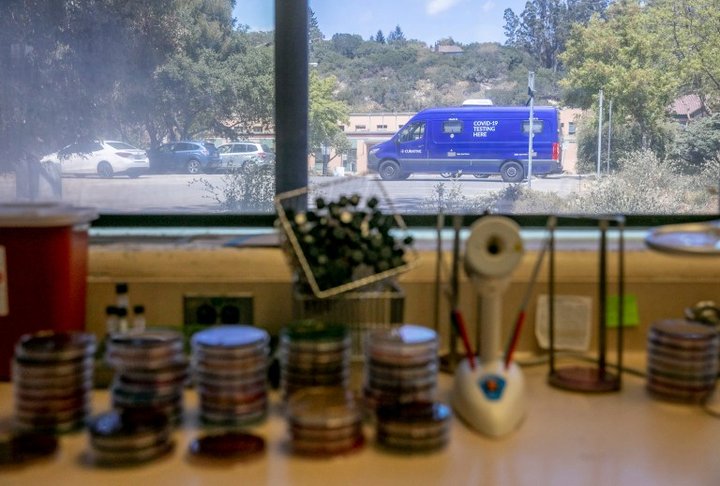
Proficiency testing samples, used by technicians to practice recognition of various pathogens, are stacked up at Sonoma County’s public health lab. In the ongoing struggle for funding, the county had been reviewing whether to shutdown the lab right before COVID-19 hit. Photo by Anne Wernikoff, CalMatters
The state slashed general fund money for public health by 64% between 2007 and 2016 as California recovered from the Great Recession. A boost in federal money meant the total cut was about 11% during that period, according to the Legislative Analyst’s Office.
Spending on public health began rising in California in 2017, with a 19% increase in total funding between 2017 and 2020, according to state budget data. More than $4 billion has flowed to state and local public health agencies since the start of the pandemic, paying for contact tracers, test kits, protective gear and even Sonoma County’s new, $10,000 refrigerator for test samples, which lab staff nicknamed “Big COVID.”
Dr. George Rutherford, an epidemiologist at University of California, San Francisco who served as the state health officer in the mid-1990s, said California’s public health workforce should be expanded. Counties lacking trained health workers are forced to train city librarians and other government employees to work as contact tracers during emergencies, he said.
“You probably need twice as many people as you have,” Rutherford said.
Andrew Noymer, associate professor of population health and disease prevention at University of California, Irvine, said counties need infectious disease specialists “who could step into action during an emergency,” but also add eyes to other diseases during non-crisis times.
Almost everything but COVID put on back burner
Riverside County, like most of the state, has been tracking an uptick in sexually transmitted infections, including chlamydia and syphilis and especially in the county’s desert areas, said public health director Kim Saruwatari.
But her department is only able to respond to cases considered high risk, including those in pregnant women. Saruwatari said the agency receives about 12,000 reports of chlamydia each year, but her staff can only investigate about 10% of them.
That means more outbreaks that could have been prevented. “What’s happening is we’re responding to cases, rather than getting in front of them,” Saruwatari said.
Riverside County has nine communicable disease investigators, about as many as it employed in the late 1980s — even though its population has more than doubled since then.
Saruwatari, who has worked at the department for almost 20 years, has witnessed several programs and positions disappear. Riverside County once had a 25-person health education program that vanished when the economy slumped in 2007. A county program in which 30 nurses taught classes and responded to schools and senior centers also was disbanded during the Great Recession. Some instead filled other positions.
Five years ago, the county also lost state funding for its asthma program, which helped ensure that people were undergoing treatment and could self-manage their condition to reduce asthma attacks. Around that same time, about 15% of all adults in Riverside County had been diagnosed with asthma.
“If we don’t get out of the boom and bust cycle after this pandemic, where, you know, hundreds of thousands of people have died, God help us.”
— Dr. Sara Cody, Santa Clara County Public Health DePartMent
In spring of 2020, Imperial County was one of the first regions to face a surge in COVID-19 infections and hospitalizations. At one point during the pandemic, the county had 100 people working in epidemiology, thanks to federal and state emergency aid. Before COVID-19, however, just four people staffed the unit.
“That shows you how under-resourced we were,” said Janette Angulo, Imperial’s public health director.
Meanwhile, her preventive care workers morphed into COVID-19 case investigators and contact tracers. Maternal health, nutrition and dental health programs were put on the back burner.
Staff members have just recently started returning to their regular posts, Angulo said, and there’s a lot of catching up to do.
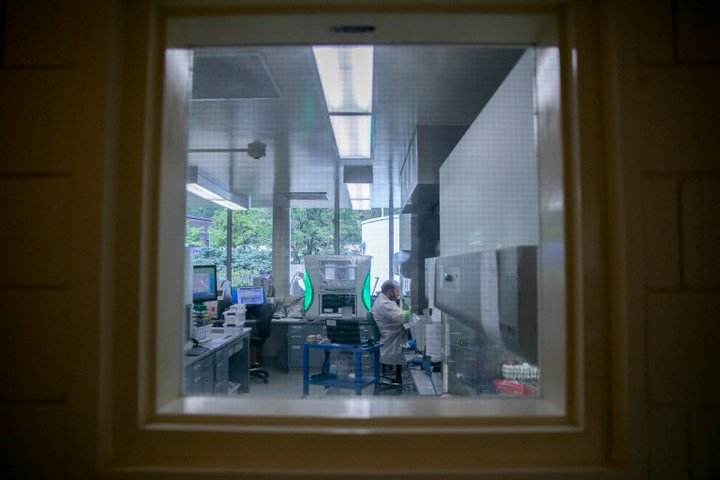
Clinical lab scientist Bryan Dzebkowski processes COVID-19 test samples in a lab at the Sonoma County Department of Public Health. Photo by Anne Wernikoff, CalMatters
While the consequences of this year-long pause will be seen in months and years to come, it could be especially concerning for Imperial County, which already ranks at the bottom in California when it comes to health behaviors like physical inactivity and smoking, access to care and social and economic factors such as unemployment, education and poverty.
In Long Beach, Colopy said she manages more than 100 separate grants, each requiring reams of paperwork, to keep the city’s public health department afloat. The city used to offer diabetes education classes in five languages, but when its five-year grant ended, so did the classes, even though about 12% of the city’s adults have been diagnosed with the disease.
Lori Williams, Stanislaus County’s public health director, said she expects to see chronic conditions worsen because so many people skipped medical care while they sheltered in place. Diabetes, Alzheimer’s, obesity and sexually transmitted diseases will require extra monitoring, she said.
Public health is expanding, but dollars are not
Some county health officials said they need new teams to address inequities in health care, which have been clearly evident during the pandemic. They’d also like to create public dashboards for other communicable diseases.
Public health’s role also has ballooned to include public safety as well as housing, which affect physical and mental health.
For instance, crowded housing in Madera County was the single most important factor in predicting COVID-19 case rates there. And eating healthier and staying physically active is difficult in neighborhoods where walking and biking is dangerous because of crime and the only shopping options are convenience stores, said Sara Bosse, the county’s public health director.
As the budget negotiations in Sacramento drag on, local health leaders are wondering: Will it take another global pandemic to finally get the money they need?
“If we don’t get out of the boom and bust cycle after this pandemic, where, you know, hundreds of thousands of people have died, God help us,” said Dr. Sara Cody, director of public health for Santa Clara County. “We need…to have a shared understanding that public health is the backbone for community health.”
###
CALmatters.org is a nonprofit, nonpartisan media venture explaining California policies and politics.
OBITUARY: Diane Vivian Keller Annand, 1943-2021
LoCO Staff / Friday, June 11, 2021 @ 6:56 a.m. / Obits
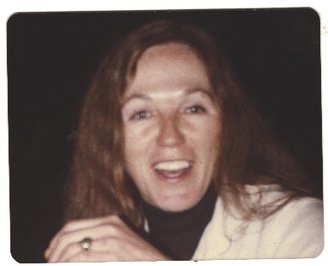
Diane Vivian Keller Annand
May 12, 1943 - May 25, 2021
Diane was born in Antioch Hospital to Kenneth “Casey” Keller and Hazel Vivian Marchant Keller. She was brought home to Pittsburg, Calif. where the family lived until April 1945. They then moved to Hoopa (up Hostler Creek in Dave Risling’s house). Diane attended grammar and high School in Hoopa and pretty much remained in Hoopa all her life.
She married Charles Meeker and later divorced. They had two children: Anthony “Tony” Meeker — born Aug 22, 1962, died tragically in a fire on Oct 15, 2016 – and Celinda Meeker born Jan 17, 1965, died from SIDS Feb 7, 1965.
She married Thomas “Thumper” Annand on Apr 18, 1981 in Reno, Tom has a daughter Shawna Annand McNutt, her husband Caleb and three grandchildren — Aiden, Liam, and Keara — who were all special to Diane.
Diane was an excellent cook and seamstress. She is remembered for her birthday cakes and Halloween decorations and treats for the nephews and nieces. She made her stepdaughter summer clothes, dolls and various crafts. She also sewed a lot of clothes for Tony when he was young. When Mari died in 1986 she went to Julietta, Idaho to bring Carrie and Troy back to Hoopa to live with her and Tom for a year or so.
Early in her adult life she worked on the chain at the veneer plant. Various times over the years she worked as a cook: Hoopa Hospital, Audry’s Deli, Laura’s Café, Forest Service Catering Contracts, as well as wedding catering for friends. Woodworking and carpentry were her passions. Her beautiful bird houses and carpentry graced her property and home. She also enjoyed gardening and landscaping. While working in various branches of the Forest Service (like fire and resource management, etc.), she met Tom in Salyer.
Diane was an avid animal lover and loved watching her Pigley Wigley wander around the property, especially in the back where she could sit and watch him. She also had her two kitties, Trina and Kitty, plus two dogs she shared with Tom: Scooby and Barker.
Diane left us the morning of May 25, due to her many years of COPD caused by (as she said) her smoking. She was cremated through Humboldt Cremation in Eureka.
She leaves behind her beloved husband of 40 years, Tom, his daughter and family: Shawna, Caleb, Aiden, Liam, Keara. She was one of eight siblings and left one behind: Shirley Keller Cushman (Denis-Dec). Also one cousin, Patti Gillette Hebert; various nephews and nieces, Kathy Muller, Andy Muller, Larry Muller, Lorraine Muller, Paul Lashley, Denis G Cushman (Toni), Kenneth Cushman (Isa) , Ted Cushman, Connie Cushman Santana, Carol Melendy Hutton (Jeff), Leonard Abbott, Stacey Abbott (Bubs), Ed Keller, Tim Keller (Elvira), Sherry Keller, Tammy Keller, Brandy Keller, Carrie Denton Fisher (Mark), Troy Welsch; plus several greatnephews and nieces. Sisters-in-law: Mariann Annand Novarina, daughter Stephanie and Patti Annand Glass (Sam), daughter Brianna.
Preceded by Dad and Mom, Kenneth “Casey” and Hazel Marchant Keller; in-laws: Robert and Irene Bronec Annand: Siblings, Joyce Kimball Muller (Larry), Jean Kimball Lashley (Don), Madolin Keller, Kenneth Keller (Jetty), Keith Keller, Mari Keller; nephews and nieces: Anne Muller, Rich Muller, Chris Muller, Gary Lashley, Michael Lashley, Cessie Abbott(Paul), Steve Abbott, Robbie Robbins, Richard Robbins, Harold Marshall Jr, Kenneth Howard Keller, Lenaire Keller Gondeck and various great-nephews and nieces.
Due to COVID and her wishes, there will be no formal service. There are plans for a family get-together at a later time.
###
The obituary above was submitted on behalf of Diane Annand’s loved ones. The Lost Coast Outpost runs obituaries of Humboldt County residents at no charge. See guidelines here.
OBITUARY: Patricia Ann Quigley, 1936-2021
LoCO Staff / Friday, June 11, 2021 @ 6:56 a.m. / Obits
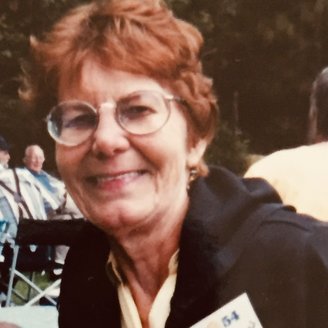
On May 18, 2021, Patricia Ann Quigley of McKinleyville, peacefully
left to be with her husband, Arthur Dean Quigley. Pat and Art began
their lives together in Cottage Grove, Oregon. Pat had fond memories
of Cottage Grove that stayed with her through the years. The couple
lived in Eureka, Fall City, Nebraska, and then in Arcata, where they settled in to raise their five children,
Steven, Larry, Gary, Michael and Kenneth.
The grandchildren enjoyed the family gatherings at Pat and Art’s house. These times were special as the boys would reminisce the stories of their boyhoods and the playful trouble they caused. Pat would shake her head recalling the funny and sometimes awkward moments her five boys put her through. Pat may have been small in stature but she knew how to keep her boys in line with her stern but loving motherly ways. Her children loved and respected her, and Pat will be missed very much.
Pat is survived by her sons and their families, her sister, Ginger Rothfuss, and many nieces and nephews. She is proceeded in death by her husband, parents, three brothers, two daughter-in-laws, Lori Quigley and Debbie Martin Quigley, and granddaughter, Nicole Lynn Quigley.
A celebration of life will be held on Thursday, June 24, 2021, at Perigot Park, in Blue Lake, California. Please join the family for a barbecue at 4:00 PM. Food will be provided. For further information, please contact Steve Quigley at 707-499-1301.
###
The obituary above was submitted on behalf of Patricia Ann Quigley’s loved ones. The Lost Coast Outpost runs obituaries of Humboldt County residents at no charge. See guidelines here.
‘IT WAS JOY’: During the Last Days of the School Year, Eureka High Performing Arts Students Got Their Turns On Stage
Jacquelyn Opalach / Thursday, June 10, 2021 @ 4:48 p.m. / Education
Photos/video: Stacy Young.
Eureka High performing arts students got to perform arts in front of people recently with some COVID-compliant in-person theater and music productions. Performing for sparse — but surely eager — audiences, students tugged on friends and families’ hearts with a charming rendition of “You’re a Good Man, Charlie Brown” late last month and dazzled concert-goers with jazz, symphonic band, orchestra, choir and a cappella performances last week.
“It was just exhilarating to be on the stage again,” Isaac Young, a sophomore, actor and singer at Eureka High told the Outpost. He starred as Charlie Brown and Linus in the musical (it was a split cast production), and sang tenor for Limited Edition, Eureka High’s a cappella group, at the concert. “It was really just nice to be up there again, after not being there for over a year.”
Getting there wasn’t easy. Learning to sing or play an instrument remotely, for instance, is a huge challenge, Charles Young, Eureka High music director, told the Outpost, not to mention the obstacles some kids face practicing in a house full of family members during school and business hours. For Limited Edition, singers had to listen to recordings and practice on their own during distance learning, Isaac said.
Teaching theater remotely was challenging, but possible, said Nan Voss, the theater director at Eureka High. Students focused on things like character voices or facial expression this year rather than physicality and spatial relationships. “Some of my students really blossomed as actors, and tackled roles that they may not have done in person,” Voss said. “I think for some of them being alone in their own rooms helped them to not be afraid of expressing themselves.”
When Eureka High’s campus opened in March, returning to the auditorium wasn’t as simple as returning to the classroom, because singing, as well as mouthpiece instruments, obviously require projection. For safety reasons, some Eureka High music students gathered to learn percussion rather than their usual instruments for a while after returning to campus.
“There was this one jam session where I taught them a simple four-beat pattern on a percussion instrument. And it was a cacophony of sound,” Young said. “They’re looking at me like, ‘Can we do it again?’ And I said, ‘Well, yeah, let’s go again, but this time I really need you to beat up the drums. If you’re gonna break my drum head, then you better make it worth it.’ It was so loud. It was so loud, but it was joy.”
Once it was deemed safe, student musicians resumed a kind of regular routine by practicing their familiar instruments before school, outdoors and socially distanced. But only a fraction of each ensemble was present for these rehearsals because the school alphabetically splits its student body into stable groups to mitigate COVID danger, which impacted instrument ratios. “Strangely enough, all my trumpets were in the last half of the alphabet. So I’d have a whole lot of trumpets, flutes, but no clarinets,” Young said.
Finally performing for an audience came with a fresh set of complications. The 750-seat auditorium was limited to about 100 people, and the shows developed complicated sign-in and seating protocols for their guests. “Even though the audience was masked and socially-distanced, it felt a little scary and worrying; I just did not want my little show to become a ‘super-spreader’ event,” Voss said. “All of our safety precautions paid off though; cast and audience remained healthy throughout the run.”
A week later, the music department hosted a few back-to-back concerts in a single evening.
“In order to pull that off, we had to make sure that we had the audience in there for a certain amount of time, we had to open up the doors, fog the place [with a machine] to knock down the COVID, and then we could reload with another audience,” Young said. “Oh my goodness gracious.”
To avoid wearing masks, actors in the musical took rapid tests before their final rehearsals and the actual show. “We were all overjoyed the first day we got to rehearse and actually see each other’s faces. It was emotional, overwhelming, and so necessary. All of our muscles relaxed a little and there was so much smiling,” Voss said.
Student musicians and singers weren’t able to rapid-test for their performances. “[Singers] got these special masks that look like a platypus face so we’re able to enunciate better and articulate and be heard more,” Isaac said. “But singing with a mask is just hard in general.” The musicians and their instruments had to wear masks that cover their bells (the part of mouthpiece instruments where the breath-infested music comes out).
But even shielded by their masks, Young said that the students’ happiness to play music together and perform for a live audience was obvious. “The sense of community and the sense of joy on my students’ faces — of actually having an audience in the room to applaud — was palpable. You can feel it in the room, the sense of relief,” he said.
“It was really nice to get to play with such a large group of people again. We sounded like a real band. It was really exciting,” Kyra Dart, a senior and symphonic band drum major, said. “It was a little bit chaotic. But I think that that was just because we haven’t done that in over a year now.”
The very small audience was special, in a way. “I wasn’t super nervous about the audience, because COVID protocols require you to only have a couple guests. So the people who are coming to watch the show are people who love us,” Kyra said. “I actually heard a couple people say they got a little emotional hearing us play together in person for the first time in so long.”
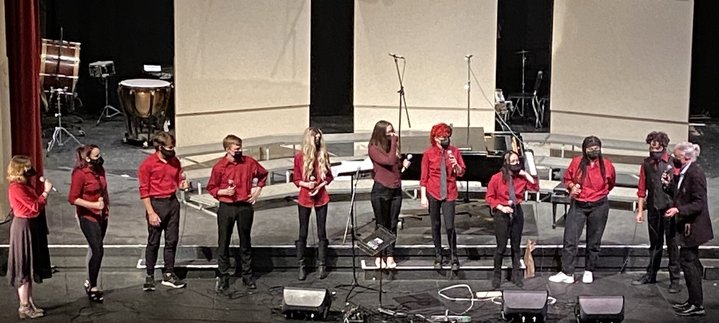
Limited Edition vocal group.
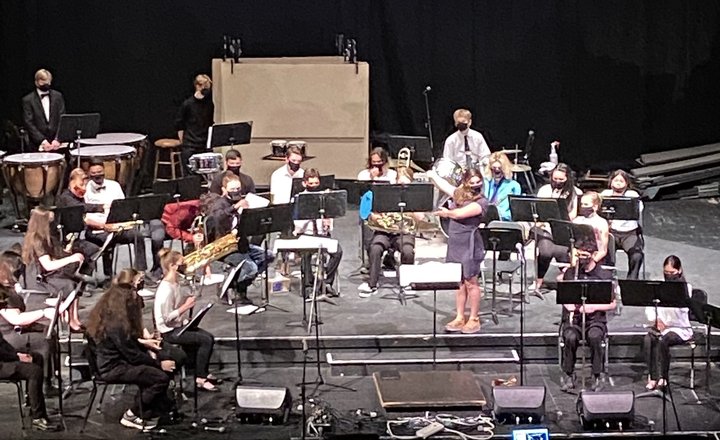
Symphonic band.
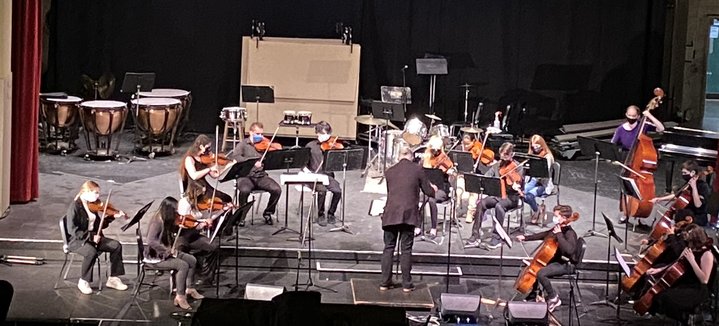
Orchestra.
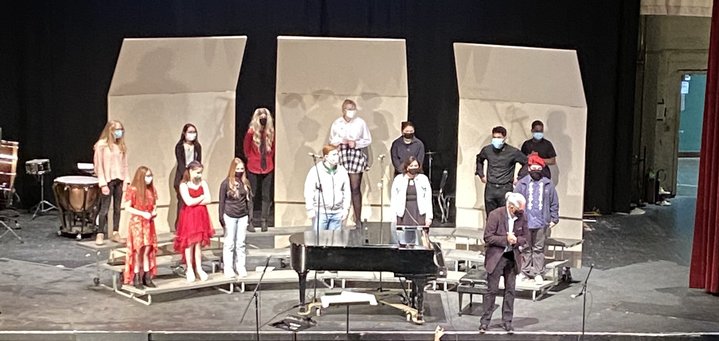
Concert choir.
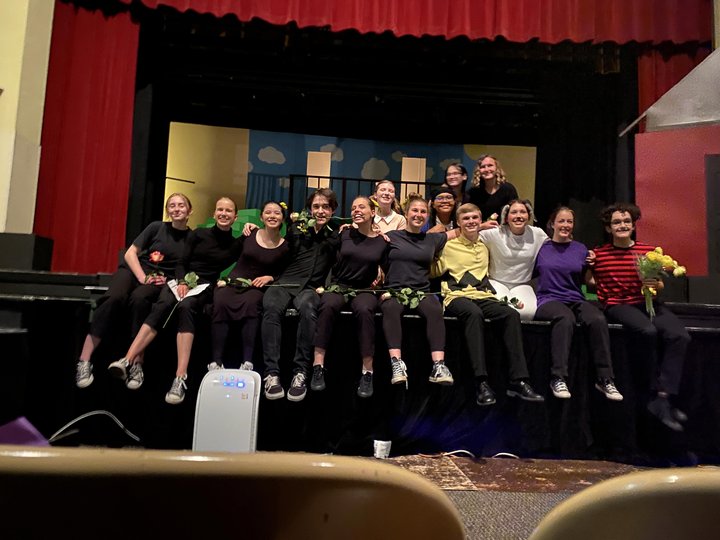
The cast of You’re a Good Man, Charlie Brown.
HSU Spent $17,000 Redoing Its Sports Logo, But It May Need to Rebrand All Over Again If It Goes Polytechnic
John Ross Ferrara / Thursday, June 10, 2021 @ 1:45 p.m. / HSU , LoCO Sports!
Lumberjack Arena gets a makeover. | All media provided by HSU
In April, the Humboldt State University Athletics Department unveiled its new sports logo: a green and gold “H” with an axe in its center. The new logo was the culmination of a four-year process that began after student athletes and alumni complained that the old “flying J” logo was confusing and generally lousy.

HSU’s former “flying J” logo.
In an effort to create an attractive, more streamlined logo, HSU spent $17,000 to hire Osaki Creative Group – a graphic design company that’s developed logos for a number of professional sports teams, including the San Francisco 49ers, the New York Jets, the Miami Dolphins and the Tampa Bay Buccaneers. The company has also designed logos for fellow CSUs San Diego State and Sacramento State.
“There was overwhelming feedback that the student athletes and alumni wanted a new logo rather than a modified or updated logo,” HSU spokesperson Grant Scott-Goforth told the Outpost. “Most never even realized that the ‘flying J’ was an axe. The logo was hard to reproduce and ‘Jacks’ was generally confusing. There was a desire to create a bolder, simplified logo that reflected the character and strength of HSU Intercollegiate Athletics and Recreational Sports as well as the pride of the broader University. Using the H tied the athletics logo more directly with the broader University.”
With a new logo secured, the athletics department also took the opportunity to coincide its rebranding with some pricey repairs needed in Lumberjack Arena. HSU officials told the Outpost that the Lumberjack arena hardwood required three sanding treatments to fix the extensive damage caused by years of heavy use, including chipping, depressions in the maple planks from rolling wheels and a cracked varnish. The hardwood planks were also reportedly sagging or “cupping” in the center due to age and moisture.
According to a bid proposal approved by the CSU System, the repairs cost HSU $75,000. That price included the complete refinishing of the hardwood, along with HSU’s new athletics logo neatly adorned at center court.

Pricey repairs at HSU | Document obtained by public records request.
But four years later, with the new logo freshly sealed in place, HSU finds itself at a major crossroads that could cause the athletic department’s rebranding process to start all over again. Last November, HSU President Tom Jackson Jr. announced that the California State University System was nudging the school to begin the process of becoming the state’s third polytechnic. With Gov. Gavin Newsom’s recent $433 million proposal to finalize that process, it seems increasingly likely that the university as a whole will undergo a major rebranding — one that includes a complete name change that may or may not include the word Humboldt.
In March, HSU held a virtual forum asking community members for name suggestions if HSU were to rebrand itself as a polytechnic. The Times-Standard reported that participants generally agreed: Humboldt should be included in any imagined new title. However, HSU spokesperson Grant Scott-Goforth was unable to confirm that Humboldt would stick.
“At this point, I don’t think there’s an answer to that,” he said. “I don’t think it’s 100 percent. Everyone involved realizes that’s an important part to the school’s identity.”

HSU’s new sports logo.
If the university were to drop Humboldt from its title, the athletics department would find itself in an awkward position. Its brand new logo, featured on its newly refinished basketball hardwood, is composed of a giant H, an H that would no longer have any connection to the school’s title.
“If that was the case, that certainly would be unfortunate,” Scott-Goforth said. “The athletic rebranding process was already well underway before the polytechnic process came to steam. But I think it’s pretty safe to say that Humboldt stays in the name.”
But if Humboldt goes, Scott-Goforth said another rebranding would be possible.
“We are unsure,” he said. “It would depend on what possible name change was adopted, among other factors. It is possible the logo could stay the same or similar, and it is possible it would need re-thinking.”
BOOM: The Eureka Police Department Invites You to Narc on Your Illegal Fireworks-Shooting Neighbors Using This Handy Form
Andrew Goff / Thursday, June 10, 2021 @ 12:53 p.m. / Community
Eureka Police Department press release:
In response to the growing number of illegal firework complaints over the years (a 137% increase from 2019 to 2020), the City of Eureka has created a new form to report illegal fireworks. The form can be found on the Eureka Police Department website eurekapd.net or here. Completed forms can be submitted by email, mail, or in person and will be reviewed by both Eureka Police and Humboldt Bay Fire.
California Health and Safety Code HS 12677 makes it a crime to possess dangerous fireworks without a valid permit to do so. The use of illegal and dangerous fireworks can cause injury, death, fire, and stress and anxiety to humans and animals. It also causes added workload to our dispatchers and first responders fielding the complaints. The reporting form is intended to provide an easier way to report illegal fireworks in as much detail as possible.
Mayor Susan Seaman said, “Celebrating the Fourth of July by watching approved firework shows or safely using safe and sane fireworks are beloved traditions for many people. Shooting off illegal fireworks anytime, or any fireworks on days other than the Fourth, is far from beloved. It’s incredibly stressful for many residents and animals, and they’re extremely dangerous during fire season. This tool will provide an easier way to report illegal fireworks, giving our public safety officials better information to identify those who are breaking laws around the use of fireworks.”
When completing the Illegal Firework Report Form, please be as thorough as possible. In order to fully investigate a complaint, detailed location information is extremely important. The majority of our complaints are “heard only” and do not provide enough information to pinpoint a suspect location. Please also provide a call back number (make sure your voicemail is setup and not full) or email so that your can be contacted if further follow-up is needed.
We’re looking forward to a fun and safe summer and 4th of July season!


