

The Spring Salmon Run on the Klamath Rebounded a Bit This Year, Says Karuk Tribe, but Mudslides Put the Fish in Peril
LoCO Staff / Tuesday, Aug. 16, 2022 @ 1:07 p.m. / Environment
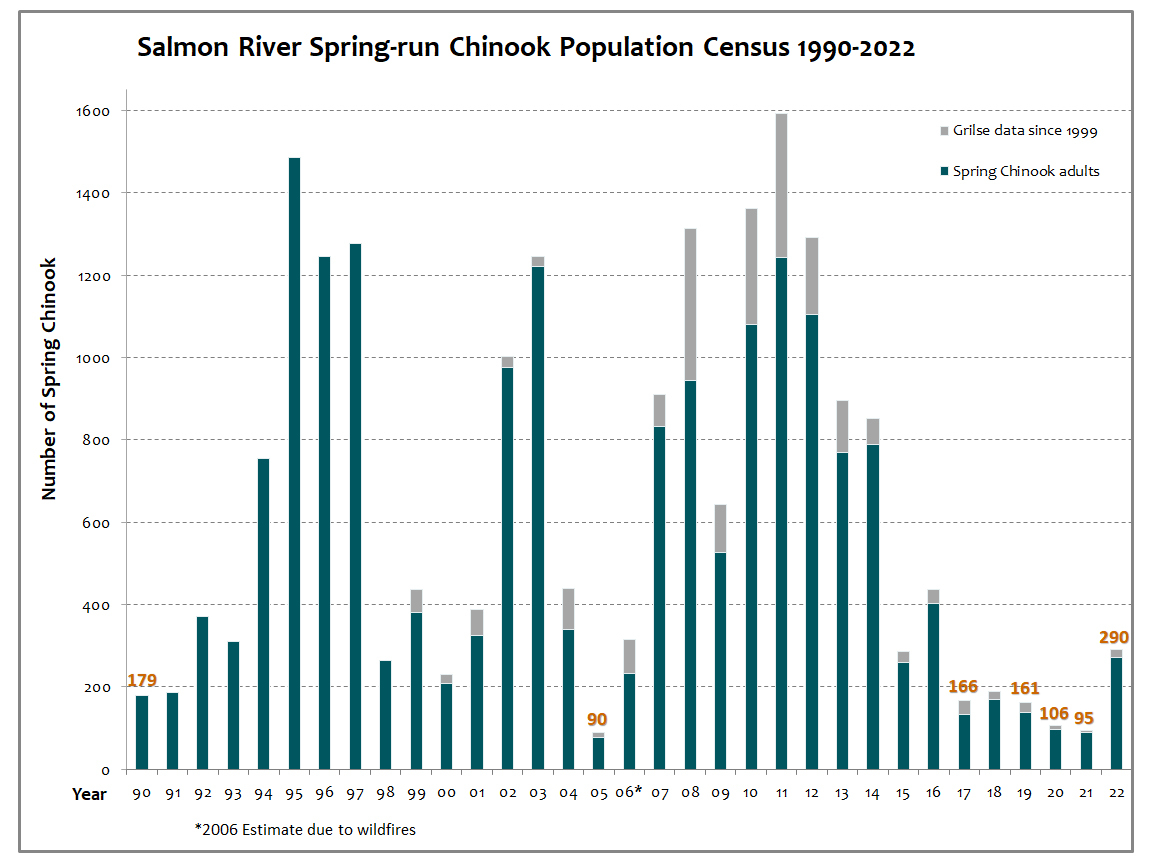
Spring salmon census numbers over time, via the Karuk Tribe. Click to enlarge.
Press release from the Karuk Tribe:
This year, 290 wild spring Chinook salmon made the 85-mile trek up the Klamath to find cool mountain waters for spawning. While this is still far below average, it is more positive than last year’s dismal count of 90 fish. Celebrations were short-lived, however. Soon after the numbers were finalized, torrential rains hit the area. This led to flash floods in burn scars from last year’s wildfires, filling the South Fork Salmon River with silt, wood, and other debris, dropping the dissolved oxygen in the water to dangerous levels, and threatening all species of fish in the river.
This turn of events is particularly painful to a community struggling to keep a positive attitude about this year’s numbers. Runs of spring Chinook in the Klamath Basin that once numbered in the hundreds of thousands now teeter on the brink of extinction, with the Salmon River serving as one of the last spawning strongholds for the entire population.
“I have watched the numbers of these fish steadily decline in my lifetime, and it feels like we are at a breaking point,” said Karuna Greenberg, SRRC’s Restoration Director. “The State approving our petition to list Springers as an endangered species was a good start, but this event underscores the need for a holistic approach to habitat restoration and highlights how important better fire management is to the wider ecosystem.”
A similar situation is happening on the Klamath River, where flooding hit the active McKinney Fire area upstream of Happy Camp CA and almost instantly filled the mid-Klamath with ash and mud. While the fish kill in that region doesn’t affect spring Chinook, it has killed tens of thousands of juvenile coho, fall Chinook, lamprey, suckers, and trout.
“This is all so painful to witness,” said Troy Hockaday, Karuk Tribal Council Member, and Traditional Fisherman, “I worry more every day that my children and grandchildren won’t have the ability to harvest fish for their families; salmon have been a part of our subsistence, culture, and ceremonies for thousands of years, it can’t end here.”
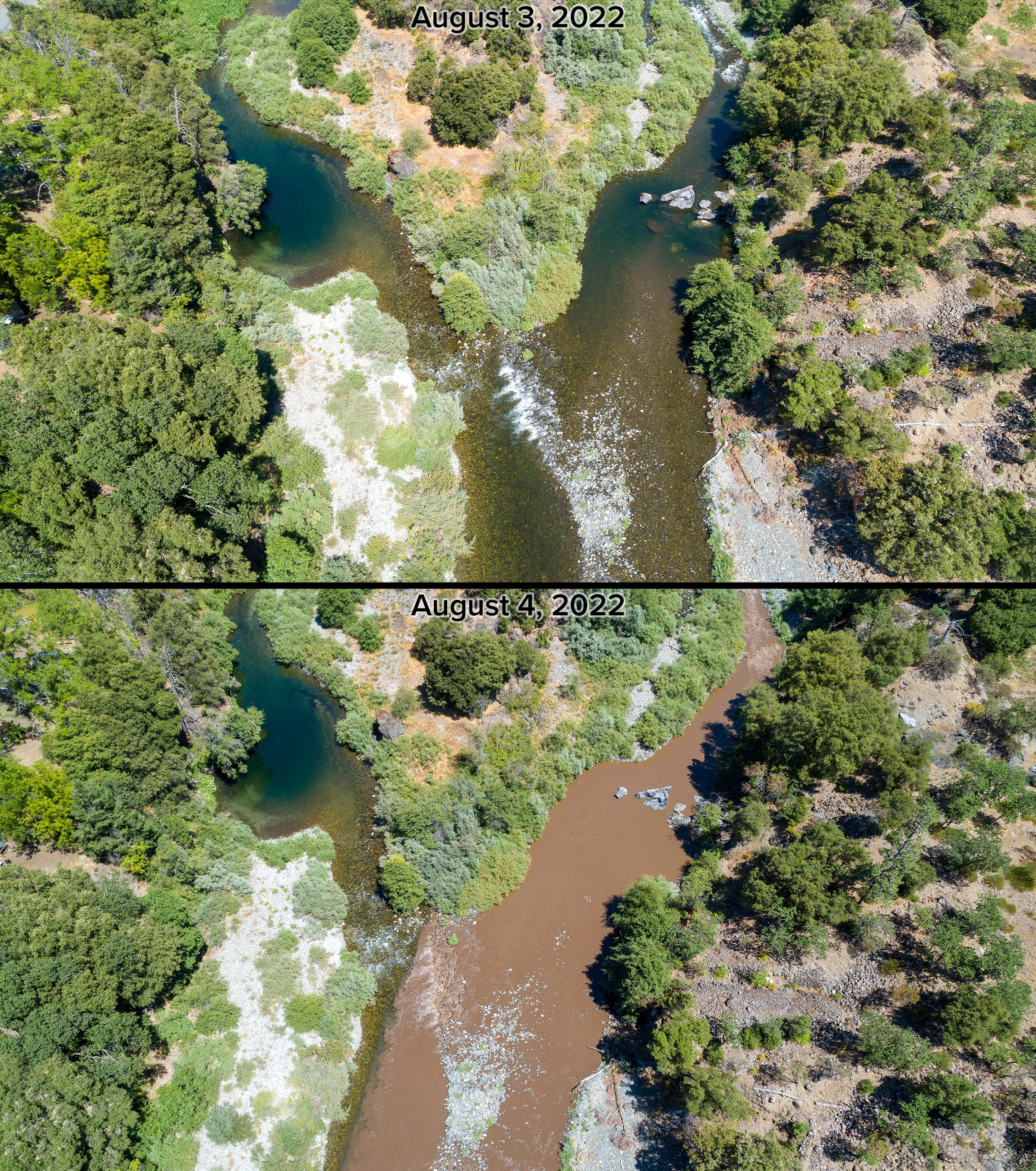
Before and after the mudslides. Photos: Scott Harding.
BOOKED
Today: 6 felonies, 12 misdemeanors, 0 infractions
JUDGED
Humboldt County Superior Court Calendar: Today
CHP REPORTS
10180 Mm1 S Men 101.80 (HM office): Provide Traffic Control
2000 Crf3c010 (HM office): Car Fire
2700 MM199 N DN 27.00 (HM office): Trfc Collision-1141 Enrt
Poppy Dr / Sherwood Rd (HM office): Closure of a Road
ELSEWHERE
County of Humboldt Meetings: CAT (Committee for Active Transportation) Meeting Agenda
Governor’s Office: California and the Australian state of Queensland ink new partnership to accelerate climate resilience, agricultural technology, and innovation
County of Humboldt Meetings: Human Rights Commission Agenda- Hybrid Meeting
Fishing the North Coast : Cool Water, Rain Spark Klamath Salmon Push
Arcata City Council Race Updates: Joe Ostini Didn’t Qualify; Candidate Statements Available for Your Viewing Pleasure
LoCO Staff / Tuesday, Aug. 16, 2022 @ 12:59 p.m. / Elections
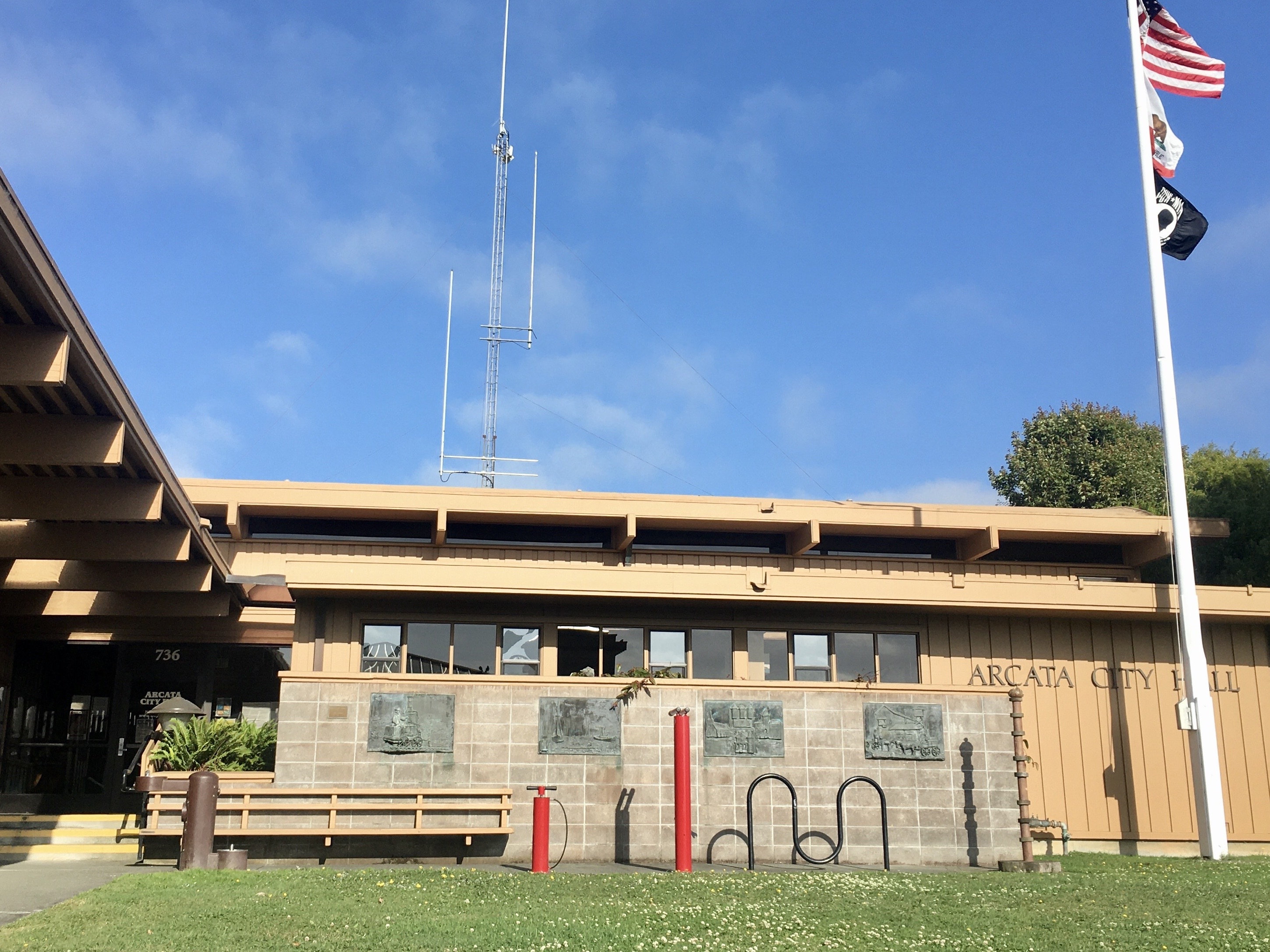
Which of these candidates will earn a seat in the Arcata City Council chambers? | Stephanie McGeary
PREVIOUSLY
- ‘I’m 100% Running Again’: Embattled City Councilmember Brett Watson Announces Re-election Bid
- Councilmember Meredith Matthews Announces Candidacy; One Other Community Member Has Taken Out Nomination Papers So Far
- ARCATA CITY COUNCIL RACE: Five Candidates Have Officially Qualified for the Ballot; Two More Waiting to Have Signatures Verified
###
Last week the Outpost received word that five candidates had qualified for the Arcata City Council race and that two more potential candidates were still waiting to have their nomination signatures verified. Today the Outpost received an update from Arcata City Clerk Bridget Dory that Joe Ostini, director of arts management company Arcane Artists, did not qualify for candidacy.
There are now officially six candidates vying for two Arcata City Council seats that will be up for a vote this November. There will surely be many more opportunities in the coming months for you to get to better know these candidates, but in the meantime, here are their submitted candidate statements, so you can start to get an idea of who these folks are and what they’re all about.
Raelina Krikston
Age: 30 Occupation: Small Business Owner
Hey there, my name is Raelina Krikston. I am a small business owner and community member here in Arcata since 2016. I believe it is important to preserve the community that makes Arcata so special. One of the most important ways to ensure a thriving, diverse community is through equal and affordable housing, renter protections, and provisions to ensure we can meet the needs of our most vulnerable populations and the growing student body. Let’s keep Arcata affordable as we grow and change in the future.
###
Meredith Matthews
My name is Meredith Matthews. I was appointed to the Arcata City Council in 2021. In my time on the Council, I have gotten much done, and I am eager for the next 4 years. I want to continue to make an impact.
I work for the Redwood Coast Energy Authority, which gives me firsthand knowledge about our County’s aggressive Climate Action Plan, and my goal is to make Arcata the leader for climate action. I also serve on the board of HWMA and Humboldt Made. I am a core member of Cooperation Humboldt and serve as a liaison to the Arcata Chamber of Commerce.
I have knowledge of Arcata’s infrastructure and business goals, rapport with our local businesses, and insight into our housing and business needs. After a year on the dais, I know our budget, am current on the City’s projects, and more importantly, I am always willing to make myself available to listen.
I have proven this past year that I can provide strong leadership while rolling up my sleeves and volunteering on the ground to make projects successful. I have a passion and a commitment to serve, and an ability to inspire people to work together.
###
Dana Quillman
Think globally, act locally! In 2020 I realized that Covid-19 was purposely engineered and released to do all the destruction it has done to most people, in one way or another. Being well informed of the global plans being made for the world, I have done my due diligence in sharing information purposely kept from the public by powerful entities. Censorship has become the norm, sadly, even here in Humboldt County.
The public has been misled into giving up their basic freedoms by a sophisticated fear campaign for an illness with a 99% survival rate. It is a fact that inexpensive, safe, and effective early treatments were available early on and then were quickly vilified and purposely made unavailable to justify coercing every person to take an experimental genetherapy injection (with no liability for the very many injuries and deaths). Many injection recipients are then infected, often spread the illness, and encouraged to get more injections which creates new variants, bankrupting the resources of the masses, while enriching the guilty few.
I promise to always do everything in my power to help thwart the global digital ID surveillance prison, which is the ultimate goal of the Covid-19 “Trojan Horse”.
Danaquillman.com
###
Jeffrey Scott Sterling
Occupation: Truss Designer
I’ve been a proud resident of Arcata since 2015, when I moved here to attend classes at Cal Poly Humboldt (then HSU). Since 2016, I have served as the Commander of our local American Legion Post 274, and during that time, I’ve dedicated my time building relationships between the Veterans and the community members, in ways that have helped me to understand the strengths and the needs of a wide variety of groups who live, work, and enjoy their lives in Arcata.
My time in the Marine Corps taught me that leadership happens through service, and that serving well means understanding those we serve. I’ve applied that lesson in my time in Arcata, reaching out through my own work as a Truss designer, and through The Arcata Veterans Hall efforts in K12 programs, service learning and internship programs with Cal Poly, community events, and projects in support of our local Veterans.
The isolation of COVID has been hard on all of us, and I’m eager to participate in our shared projects of community reinvigoration. The strength of Arcata is in its support of every one of its widely diverse community members. Vote Sterling.
###
Brett Watson
Occupation: Incumbent
The time to fight for the future of Arcata is now. We must work together to protect our Community and our way of life.
While I believe strongly that we need to take bold and innovative measures to create more housing for the many people who dream of living in Arcata, I’ll never support irresponsible planning and overdevelopment of our City.
During my next four years I’ll also:
-Continue finding solutions for our homeless crisis -Expand economic development opportunities and support our local businesses
-Support the creation of a world-class dog park -Expand City beautification and improvements to street safety
-Work with Cal Poly Humboldt to ensure responsible growth that won’t negatively impact our neighborhoods
It always breaks my heart when I hear a Community Member lament about issues plaguing our Community, and then saying, “…but there’s nothing we can do about it.” Nothing could be farther from the truth! Together we have the power to protect what we value, and create the positive changes to our City that we all believe in.
I’ve worked and fought hard for this Community for the last 5 years, and with your vote, that’s what I’ll continue to do.
###
Kimberley White
Occupation: Program Coordinator
I have lived in Arcata, land of the Wiyot, more than 30 years. I am a program coordinator, Arcata Planning Commissioner, community advocate/volunteer, and mother of a teenage daughter. I am passionate about housing and the environment. Arcata is in the midst of big changes with Cal Poly Humboldt, climate refugees, and the pandemic ushered in a new way of working. Arcata is growing, we need to proactively plan for it. I want to protect our forests and open spaces. We declared a climate emergency, now let’s act on it.
We have untapped talent and need to deepen connections with Cal Poly Humboldt where I received my master’s in Sociology. I am passionate about economic revitalization and rebuilding through the lens of equity. I am also running for Arcata City Council to be a voice for those who have been left out. It is essential to have a well-functioning democracy that ALL voices be heard. I want to protect our seniors, the undocumented and unhoused. I believe in people over politics. We must mend divisiveness and rebuild trust in local government by shifting and sharing power, creating a more transparent responsive government bringing us together for a stronger, better Arcata.
TONIGHT in EUREKA CITY COUNCIL: Staff Present Changes to Digital Billboard Rules in the Coastal Zone, Eddy Alexander Outlines Marketing Efforts for the Upcoming Year, and More!
Isabella Vanderheiden / Tuesday, Aug. 16, 2022 @ 11:11 a.m. / Local Government

It’s Eureka City Council day! File photo: Andrew Goff
We have been blessed with a bounty of riveting Eureka City Council content in recent months but, by comparison, this week’s agenda is looking a little dull. I mean, the dolos has found a new home at Madaket Plaza … what’s left to talk about?
I kid, I kid. There are actually some interesting items on the agenda, but it doesn’t look like the council will talk about any hot-button issues during tonight’s meeting. Even still! It is our job here at the Outpost to keep you, dear reader, informed of the decisions being made by our elected officials that keep our town running.
Now, let’s take a look at that agenda.
Digital Billboards in the Coastal Zone
During tonight’s meeting, the council will review a change to Eureka’s zoning code that would reduce the number of illuminated digital billboards allowed in the city’s coastal zone and limit the brightness of said signs.
Eureka’s planning staff has spent the last two years working with California Coastal Commission staff to update the Sign Ordinance within the city’s Local Coastal Program, a planning tool used to guide development in the coastal zone. Staff presented the modified amendment to the commission last month but were asked by commissioners and members of the public to adopt stricter regulations.
“During the meeting, City staff went back and forth with Commissioner [Mike] Wilson and commission staff to try to negotiate an ordinance that staff hoped could be accepted by the Coastal Commission, as well as City Council, and still provide enforceable regulations, while allowing the use of some digital signs,” the staff report states. “Commissioner Wilson’s concerns focused primarily on brightness and ensuring digital signs would be Dark Sky compliant so there would be no impacts to coastal resources, and there would be no annoying glare for drivers.”
Wilson and two other commissioners urged the city to completely ban the construction of new digital billboards in the coastal zone, including industrially zoned areas of the coastal zone. Ultimately, staff and commissioners agreed to allow digital signs with additional limitations that would require “a Creative Sign Permit and language stating digital signs should comply with International Dark Sky Guidance,” according to the staff report.
City planning staff will introduce the proposed ordinance to council during tonight’s meeting but it will not be adopted until next month. Because the ordinance seeks to modify the city’s zoning code, the it must be introduced during one meeting and adopted in a subsequent meeting. In this case, the proposed ordinance will be presented to the council for adoption during its Sept. 20 meeting.
Upcoming Branding Strategies for Eureka
The council will also receive an update on advertising and branding strategies for Eureka from the city’s marketing firm Eddy Alexander.
The city council selected the Virginia-based marketing firm to take over the city’s branding back in 2019 and, for the last two years, Eddy Alexander’s team has worked alongside city staff and residents to rebrand Eureka as a premier tourism destination. Through market research and community surveys, Eureka’s new “Real. Authentic. Different.” slogan emerged marking a new era for the city’s offerings.
During tonight’s meeting, Eddy Alexander’s local team will outline the next year of marketing efforts for the council. Looking at the staff report, that appears to be a lot of brand maintenance by way of quarterly meetings to keep city staff “abreast of strategic initiative[s] and opportunities as they relate to community marketing, tourism and image management.”
Pierson Properties Zone Reclassification
The council will also consider another General Plan amendment and zone reclassification request from Pierson Properties and Development LLC to change the land use designation for a piece of property located at 3116 Harrison Avenue in Eureka.
If approved, the amendments would change the property’s land use designation from Professional Office to Neighborhood Commercial and the zoning designation from Hospital Medical to Neighborhood Commercial to allow for non-medical office use in the existing building on site.
“The current [Hospital Medical] zone district is intended to provide a centralized regional hub for healthcare-related uses…civic uses are only allowed in the [Hospital Medical] zone district [for] ancillary to medical uses,” according to the staff report. “The proposed land use designation and zoning allow for both medical and commercial offices as well as a number of other uses.”
We should note that this request is not related to the Pierson Company’s previous request to rezone a swath of land at the corner of Fairfield and Harris streets to facilitate the development of affordable housing.
###
The Eureka City Council meets on Tuesday, August 16 at 6 p.m. at Eureka City Hall — 531 K Street. You can also watch the meeting online here.
FIRE UPDATE: 21,609 Acres Burned and Growing Containment, But Weather Promises Some Tough Days Ahead
LoCO Staff / Tuesday, Aug. 16, 2022 @ 10:03 a.m. / Emergencies
From the management of the Six Rivers Lightning Complex:
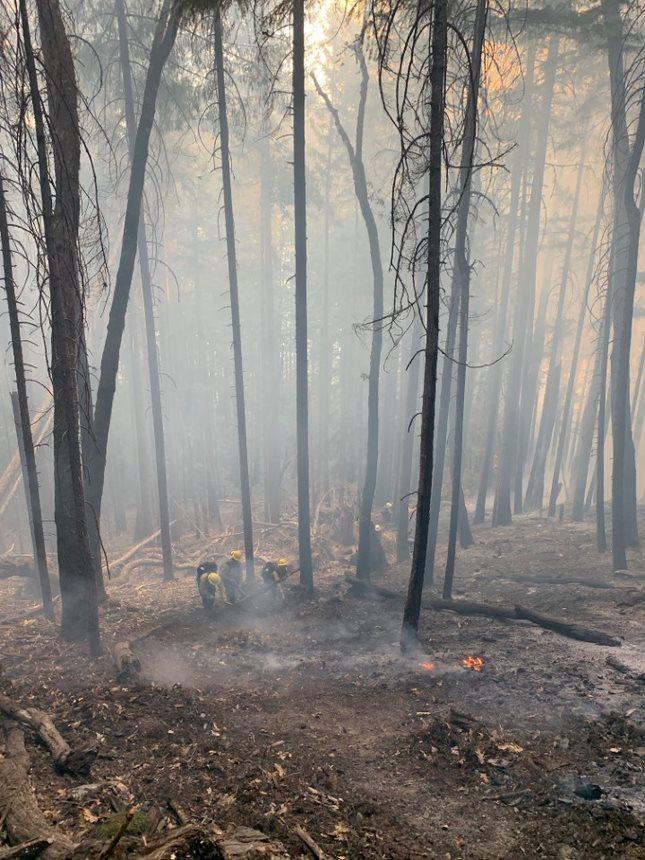
Crew Working on Six River Lightning Complex. Photo via Inciweb.
CURRENT CONDITIONS
The Lightning Complex Fire is currently 21,609 acres with 19% containment. 2,040 personnel are assigned to the incident. USFS, CAIIMT 11 and CAL FIRE continue to work closely together in unified command with a full suppression strategy to protect homes and other structures, communities, crucial infrastructure, and important wildlife habitat.
Fire activity was minimal overnight, with occasional spot fires along the southern edges of the Ammon Fire and southeastern edge of the Campbell fire that firefighters quickly contained and will be monitoring. Crews conducted several successful strategic firing operations overnight and improved control lines using dozers and handlines to remove fuels. All control lines are holding well.
Campbell Fire: Yesterday, the evacuation status in the Willow Creek and the Salyer areas was reduced from evacuation order to evacuation warning. Residents returned to their homes in these areas. Crews will continue to strengthen fire lines and limit the spread of the main fire. Residents in the Seeley Mc Intosh area may also be allowed to return home this evening.
Ammon Fire: Firefighters will conduct strategic fire operations in the southwest of this area along Hayden Road and in Friday Ridge area. Crews will continue to improve and reinforce fire lines along the Six Road of Ammon Ridge and within the Friday Ridge System.
WEATHER
Rising temperatures, lower humidity, and increasing northwest winds are expected to increase fire activity today, especially during the afternoon. Aerial firefighting support will continue to be used.
SMOKE
Smoke and strong inversions will continue to affect the health of those in the area. Please check https://www.ncuaqmd.org for air quality resources.
ROAD CLOSURES
State Routes 299 and 96 are currently open in the Lightning Complex but may be impacted by fire behavior. Travelers are encouraged to visit quickmap.dot.ca.gov to check for state highway closures.
The following roads leading to evacuation zones have been closed (residents may use these roads to exit only):
Seeley Mc Intosh Road between Country Club Road and Campbell Ridge Road
Campbell Ridge Road from Salyer Heights to Seeley McIntosh Road
Patterson Road at Raga Hills Road
Friday Ridge Road at Route 6
Titlow Hill Road (Route 1) at Horse Mountain Botanical Area
Due to a large presence of fire personnel and machinery working to build containment lines for the Ammon Fire, residents are asked to limit travel on Titlow Hill Road/Route 1 in zones HUM-E052 and HUM-E062 to essential traffic only.
EVACUATION CENTER
Trinity Valley Elementary School
730 Highway 96, Willow Creek, CA 95573ANIMAL EVACUATION CENTER
Hoopa Rodeo Grounds
1767 Pine Creek Rd., Hoopa, CA 95546
Phone: (707) 492-2851** The Hoopa Rodeo Grounds has several single pens and larger pens for whole herds. Call directly if you need directions or help transporting your large animals. They cannot house sheep, goats, poultry, or small animals, but they can potentially help arrange for temporary foster placement. If you can foster, please reach out regarding your availability and capacity.
EVACUATION UPDATES
The following EVACUATION ORDERS have been downgraded to EVACUATION WARNINGS: Humboldt County Zone HUM-E056-B, and, in Trinity County, Galaxy Drive and all residences off Galaxy Drive in the Salyer area. Residents who live in this zone may begin to return home with caution but should remain ready to evacuate again at a moment’s notice. Be alert to outstanding dangers upon return, including debris in roadways, gas leaks and hot embers.
EVACUATION ORDERS
To find the latest evacuation information go to Humboldt County Office of Emergency Services or Trinity County Office of Emergency Services. For an interactive map of evacuation zones visit this link. To sign up for alerts visit this link. If you are under an evacuation warning, take the necessary steps to be ready to leave.
Four Things to Know About Colorado River Water in California
Rachel Becker / Tuesday, Aug. 16, 2022 @ 7:30 a.m. / Sacramento
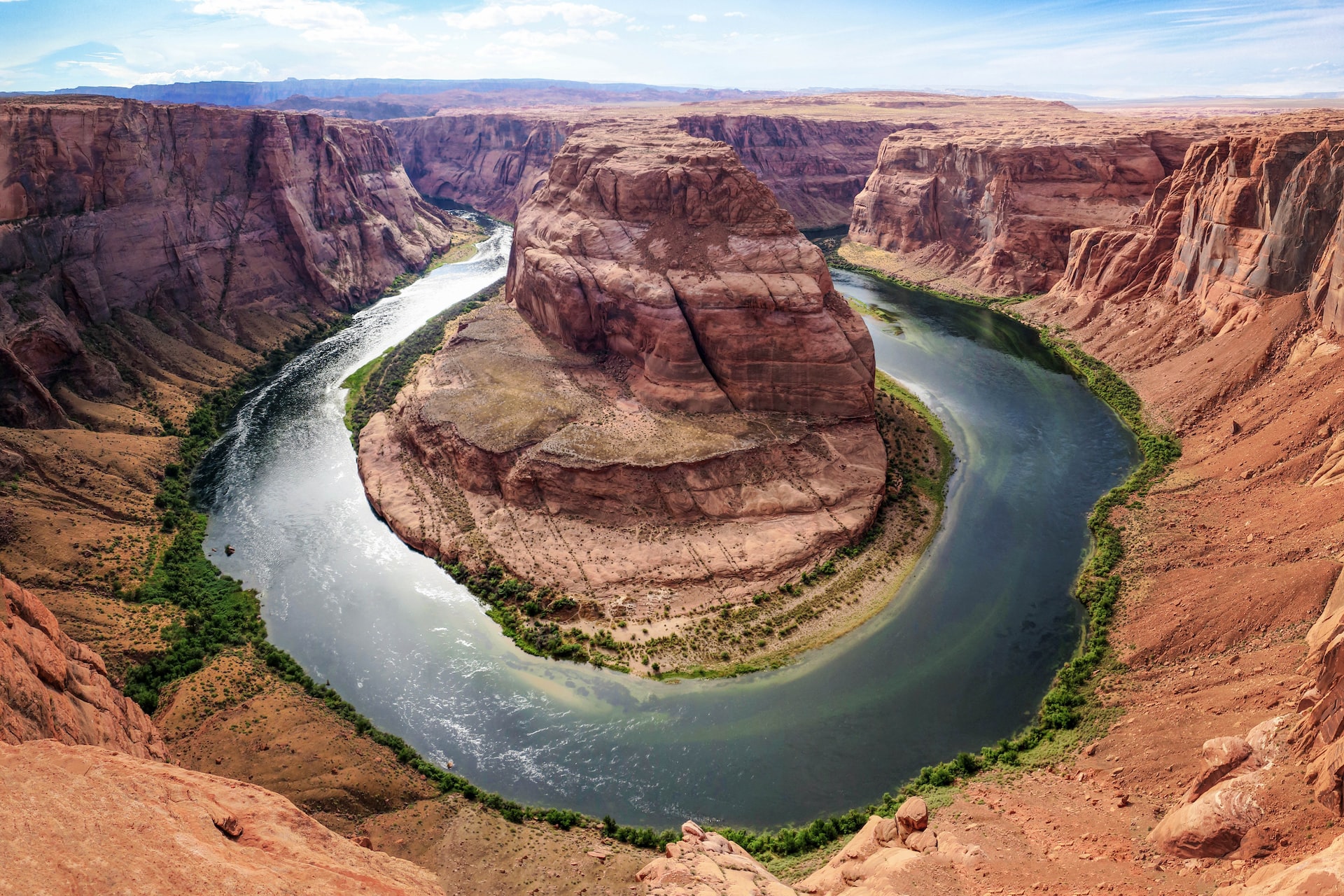
Photo by Gert Boers on Unsplash
###
Southern California water districts are grappling with what the fallout could look like if supplies from a critical source — the rapidly drying Colorado River — are cut next year.
The US Bureau of Reclamation warned at a U.S. Senate hearing in mid-June that seven western states had 60 days to voluntarily reach a deal: Cut Colorado River water use by 2 to 4 million acre-feet in 2023 or face federally-mandated cuts instead. It’s a massive amount — at least seven times more than Nevada is entitled to in a year.
As of Monday morning, no agreement had been struck, said Robert Schettler, a spokesperson for the Imperial Irrigation District, which receives the vast majority of the river’s water in California. “Progress has been made and we remain hopeful and work continues,” he said in an email.
The Department of the Interior is expected today to address the status of the negotiations, the drought and future Colorado River conditions.
The verdict is especially high-stakes for Southern California, where the river provides a quarter or a third of the region’s water supply. Seven Southern California counties rely on the river for water and hydroelectric power, and 600,000 acres of farmland draw on it for irrigation.
“Our region, our economy, our way of life in Southern California depends on the Colorado River,” said Bill Hasencamp, Colorado River resources manager for the giant Metropolitan Water District, which supplies imported water to 19 million people. “It is vitally important.”
But climate change, drought and overallocation have been threatening the Colorado River’s supply for decades, even as the amount consumed and lost through reservoir evaporation regularly outpaces its natural flows.
And now, with the two major reservoirs — Lake Mead and Lake Powell — at historically low levels, more needs to be done, warned Bureau of Reclamation Commissioner Camille Calimlim Touton at a June U.S. Senate hearing. “The system is at a tipping point,” Touton said in her written statement.
What exactly “more” means — and what that means for California — is still under negotiation. Here’s what to know:
California gets the most of any state
The Colorado River and its tributaries cut through seven U.S. states and Mexico, from the river’s headwaters in Colorado and Wyoming to where it trickles toward — though rarely actually reaches — the Gulf of California.
A century of deals, acts and legal decisions have carved up 15 million acre-feet between Colorado, Wyoming, Utah and New Mexico in the Upper Basin, and California, Arizona and Nevada in the Lower Basin. Native American tribes hold rights to this water as well, and a 1944 treaty set aside another 1.5 million acre feet for Mexico.
The biggest straw, by far, is California’s. The state is entitled to 4.4 million acre-feet, or more than a third of the river’s natural flow. It’s enough water to supply more than 13 million Southern California households for a year. In the Lower Basin, Arizona comes in next with about 2.8 million acre feet.
Most of California’s Colorado River water is used for irrigation. The Imperial Irrigation District gets as much as 3.1 million acre feet a year, mostly supplied to nearly 475,000 acres of farmland and a handful of communities in the southeastern corner of California. Another major recipient is the Metropolitan Water District, which last year diverted roughly 1.1 million acre feet of water from the Colorado River system.
“(For) 81 years now, it’s been the backbone of our supply,” Metropolitan’s Hasencamp said. “Today, on average, about half of our imported water is from the Colorado River.”
In 2019, the Upper and Lower Basin states struck agreements laying out who gets cut in the event of water shortages. The Lower Basin’s Drought Contingency Plan, in place through 2026, allowed for cuts to California’s deliveries for the first time.
Arizona and Nevada, with more junior rights than the Golden State’s, start seeing cutbacks when water levels in Lake Mead drop to 1,090 feet; California’s cutbacks start when water levels hit between 1,040 and 1,045 feet. Lake Mead, the largest reservoir in the United States, is projected to drop to less than 1,040 feet by the close of 2022.
“California — by virtue of the legal structures — is in a relatively good position on paper,” said John Fleck, director of University of New Mexico’s Water Resources Program and author of two books about the Colorado River.
“But the problem is that ‘on paper’ is not the reality now.”
The river’s reservoirs are at a historic low
Drought has been parching the Colorado River basin for more than two decades. Even in years with close to normal levels of precipitation, less runoff is reaching the river — the result of increasing temperatures and drier soils drinking up the flows as climate change continues.
“We’re just not seeing the benefits that we used to that we once had to surface water, streamflow runoff and reservoir storage,” Christopher Harris, executive director of the Colorado River Board of California, said at a June meeting of the State Water Resources Control Board. “It’s definitely impacted the reservoir system significantly.”
Last summer, the U.S. Bureau of Reclamation called the first level-one shortage for the Lower Basin states, prompting cuts to Arizona, Nevada and Mexico — but not California.
At the end of July, levels in Lake Mead, according to NASA, “stand at their lowest since April 1937, when the reservoir was still being filled for the first time.”
The Colorado River is critical to the Imperial Valley
For the Imperial Irrigation District, the Colorado River is “our only source of water. We live in a desert. And that’s it,” Schettler said. Now, he said, “the onus is to generate a lot of water, rather quickly.”
Schettler laid out two strategies for conservation: The first, he said, is farms conserving more with use of efficient strategies such as drip irrigation. “That may take some money, and then it may take a little while to get that water.”
Another possibility is fallowing fields — paying farmers to leave fields dry. It’s a strategy that the Imperial Irrigation District has employed in the past, but it’s unpopular, Schettler said.
“Fallowing is like the F word around here,” he said.
Southern Californians could face more restrictions
The cuts could have ripple effects across the entire state’s water portfolio. Southern California’s other sources of imported water from the northern half of the state are low, too, after several years of drought.
“What do we do when both systems are stressed out? And how do we manage ourselves?” Harris asked at a state water board meeting in June.
For the region served by the Metropolitan Water District, which has characterized the negotiations as difficult, “every type of water user could be affected, including urban and agricultural uses,” according to a recent district board presentation.
The Metropolitan Water District has already implemented unprecedented watering restrictions for the 6 million Southern Californians who rely on the parched State Water Project, which funnels water from Northern California south and this year reduced deliveries to just 5% of requested supplies.
The district warned customers that receive Colorado River water that they could face restrictions as soon as next year.
“The areas that get water from the Colorado River are also going to have to conserve more,” Hasencamp said. “We’re going to have to, because we know we’re going to get less water in the future than we’re getting today. How much less we don’t know.”
California has seen federal cuts before — about 20 years ago, after water users failed to reach an agreement to cut back by 800,000 acre feet and stay within its 4.4 million acre-foot allocation.
“Importantly for the future of water agreements in the basin, despite predictions of doom, California absorbed the reductions with only modest impact,” reported Fleck and Anne Castle, a former assistant secretary for water and science at the U.S. Department of the Interior.
Eventually California water systems hashed out a deal. And now, Metropolitan’s Hasencamp said, it’s time to do so again.
“I think we’re going to be in a permanent state of shortage into the future. And the question isn’t ‘if’ anymore,” he said: It’s how big. “How big of a shortage are we going to have to endure? How big of cutbacks are we going to have to live with?’”
###
CalMatters.org is a nonprofit, nonpartisan media venture explaining California policies and politics.
OBITUARY: Joetta Ruth Holsinger, 1933-2022
LoCO Staff / Tuesday, Aug. 16, 2022 @ 6:56 a.m. / Obits
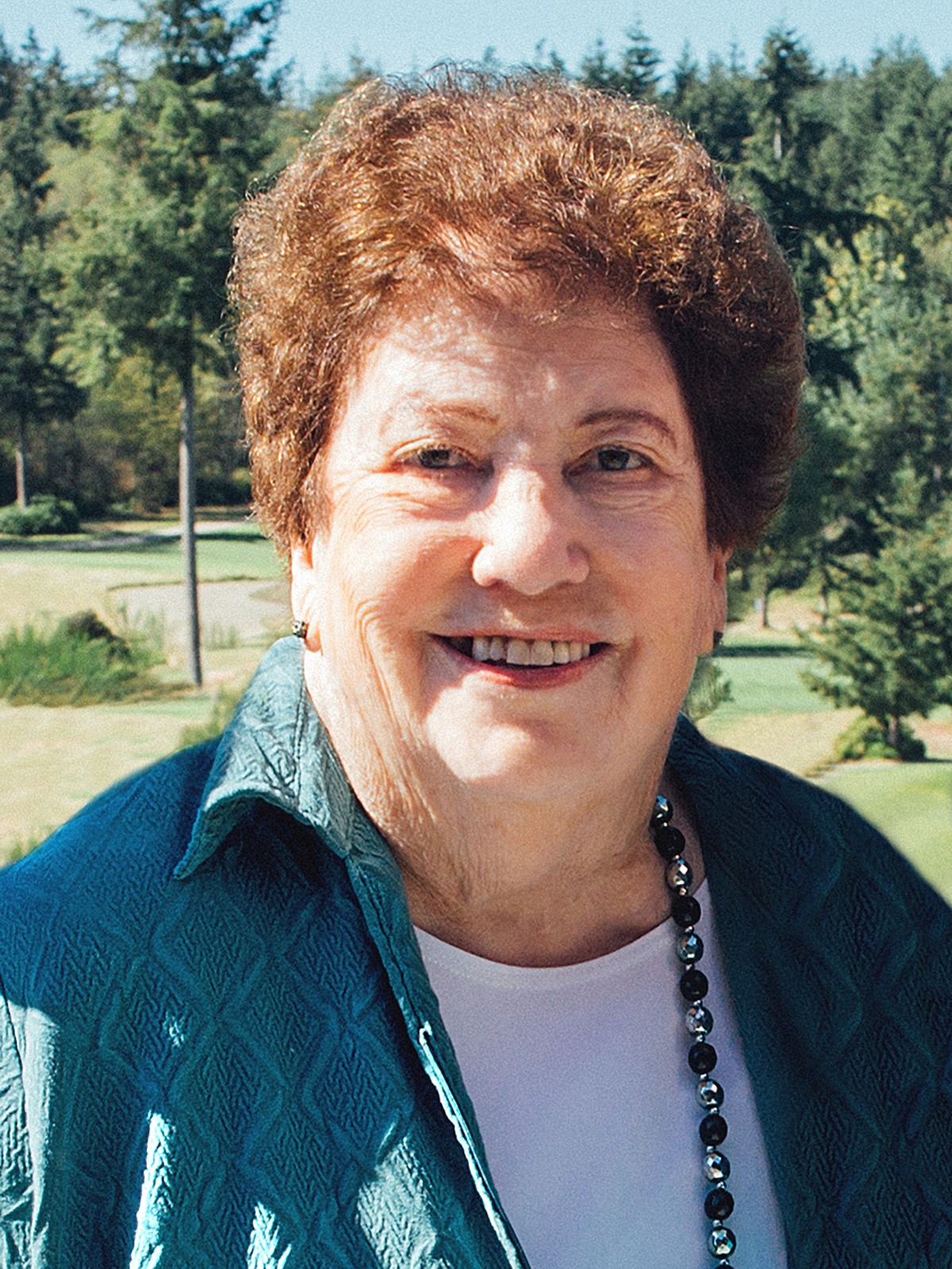
Joetta Ruth Holsinger passed away in her home on June 22, 2022. Joetta was born in Exeter, California to Dena and Charles Lasseter on January 15, 1933. She graduated from Lindsey High School in 1950. She then attended Collage of the Sequoias in Visalia. She married Ralph Holsinger of Lindsey in 1953. He had been working in Arcata with a logging company, which is where they began their married life. Joetta worked as a secretary for Coast Redwood Company, Humboldt Builders Exchange as well as Warren White Insurance Agency, and retired in 1992.
Joetta and her husband were so fortunate to travel with the California Redwood Chorale and sing in the beautiful cathedrals in Europe and in so many other places and countries. They went back to Austria, Switzerland and Germany in June 2003 to celebrate their 50th anniversary, spending a month with a rental car seeing and doing so many wonderful things. Joetta was truly a light in this world, always so warm and welcoming. She was one of the most giving and compassionate people you could ever meet.
She is survived by her sons Daniel and Larry; five grandchildren, Bryan, Sarah, Corey, Kayla and Monica; and seven great-grandchildren. Joetta was proceeded in death by her husband, Ralph; her parents, Charles and Dena Lasseter; her son Timothy, who was a firefighter with CA Department of Forestry and died of a heat stroke fighting a fire in Redding in 1978; and a baby girl, Deanna Lyn, who was born in 1958 and died shortly after birth. She also had to brothers and two sisters — CL Lasseter, Granvelle Lasseter, Wanda Kiesel and Loyce Devore — who also preceded her in death.
Memorial service will be held at First Covenant Church in Eureka on August 20 at 3:30 p.m. in the sanctuary, followed by a reception in the fellowship hall.
If you would like to donate to the memorial for Joetta, contributions can be made to First Covenant Church of Eureka, Hospice of Humboldt or the charity of your choice.
###
The obituary above was submitted by Joetta Holsinger’s loved ones. The Lost Coast Outpost runs obituaries of Humboldt County residents at no charge. See guidelines here. Email news@lostcoastoutpost.com.
Supes to Consider Pursuing a Welcome Center at the Humboldt-Mendocino County Border
Ryan Burns / Monday, Aug. 15, 2022 @ 4:31 p.m. / Business , Local Government

Google Earth image of a Caltrans-owned parcel along the west east side of Hwy. 101, at the Humboldt-Mendocino county border, now being considered for development of a welcome center.
###
Does Humboldt County need a welcome center to greet tourists at its southern border? A group of local hoteliers thinks so, and county officials have begun exploring the idea to see if it’s feasible.
The California Department of Transportation, or Caltrans, owns a piece of property near Cooks Valley that could serve as the site for such a center. It’s a boot-shaped parcel that you’ll see along the west east side of Hwy. 101 as you’re entering Humboldt County from the south. Dominated by wide patch of dirt and rocks, the property sits on a bluff above the South Fork Eel River and is typically vacant, except when Caltrans employs it as a staging area to store and load equipment for road improvement projects.
In recent weeks and months, employees in the county’s economic development division and public works department have been talking with Caltrans personnel about the property. The state agency has indicated that it’s willing to consider designating the land “surplus property,” which could allow the county to either swap some of its own land for it or possibly purchase it before it’s released for public bid.
On Tuesday, the board of supervisors will consider authorizing Public Works Director Tom Mattson to negotiate terms with Caltrans, which would be the first real step in a longer process toward potential development of the welcome center.
“We have some sites we use in our road maintenance division that would be strategically located [for Caltrans],” Mattson said. “They have ample space, so maybe we can trade and they [Caltrans] would get a more strategic location. Everything’s in the air at this point.”
Second District Supervisor Michelle Bushnell said a group of Southern Humboldt hoteliers first promoted the idea of a welcome center at the county entrance — “something like a coffee shop with information about the county … like information about what to see in Ferndale and Eureka and Garberville to showcase where to visit,” Bushnell said.
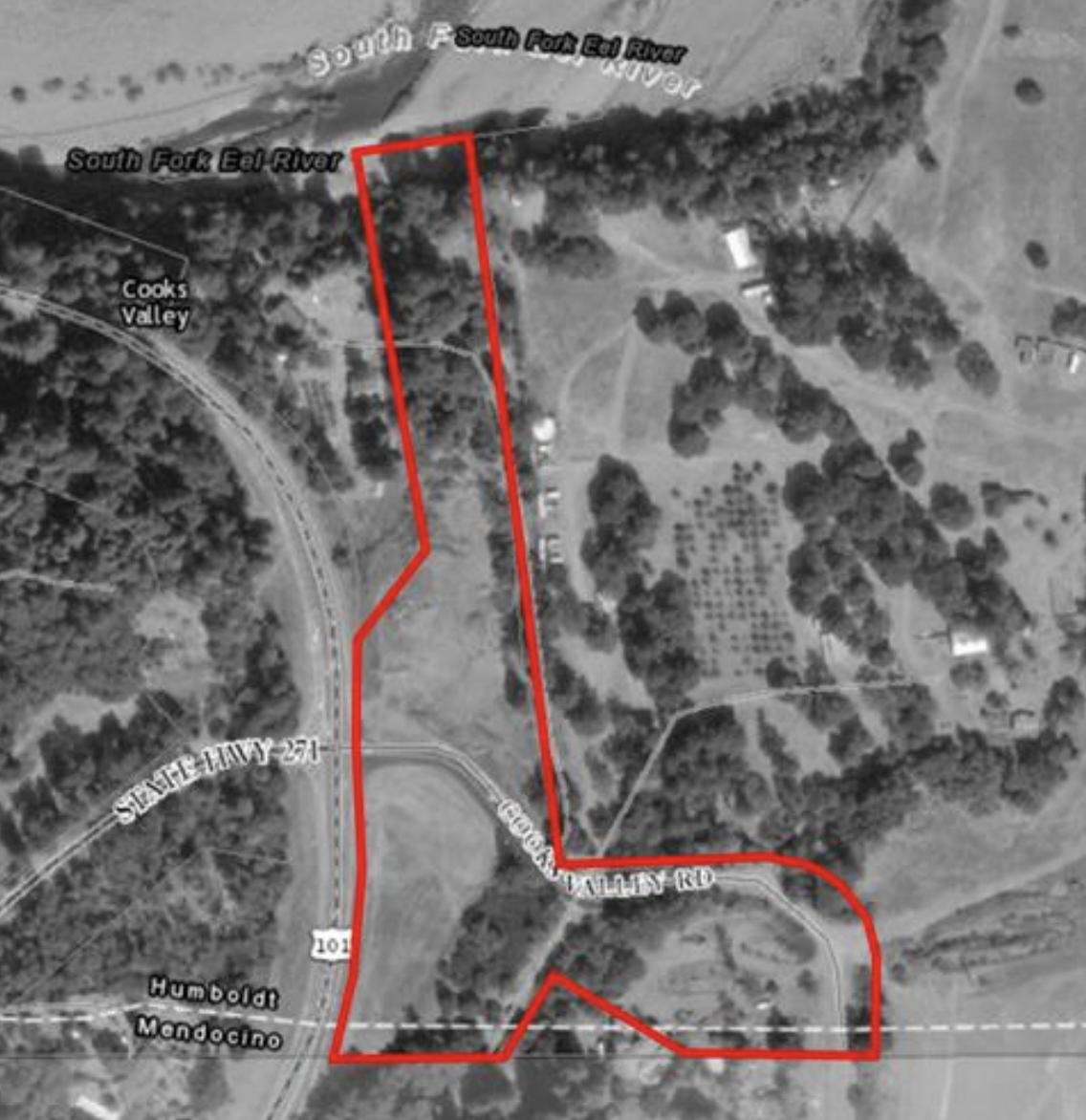
The boot-shaped property, which does not have its own designated Assessor Parcel Number (APN). | Image via County of Humboldt.
Economic Development Director Scott Adair said his division was approached during the height of the COVID pandemic by the SoHum hoteliers, including Benbow Inn owner John Porter. Out-of-area residents who’d grown sick of staying home had hit the road in droves, leaving their populous city centers and heading for the clean, open air among the redwoods. For months on end, virtually every hotel room and campsite in the county was booked.
To some extent, this surge in tourism has held.
“The pandemic has altered the psyches of people,” Adair said. “Suddenly a backpacking trip in the woodlands with no one around is much more appealing, and we’re hoping to capture some of that.”
The SoHum hoteliers formed a new nonprofit called Redwood Highway Gateway Foundation, and together they began pursuing the welcome center concept in earnest, hoping to create a place that could function as “a stopping point at the front door of Humboldt County, where travelers that were coming northbound could stop and learn about all the travel and tourism activities in Humboldt County,” Adair said.
If the county manages to secure ownership of the property from Caltrans, county officials would then need to open up a competitive bidding process, issuing a request for proposals to identify businesses and/or nonprofits interested in developing and operating the welcome center. The county doesn’t intend to operate the center itself, according to Bushnell, Adair and Mattson.
But Adair said the county could pursue grant funding to help finance the project, should things get that far — seeking tourism funds from state granting agencies or even federal COVID relief dollars, some of which have been earmarked for projects supporting travel and tourism.
“But we really haven’t gone far down that road because if we can’t identify a site, there is no project,” Adair said.
This particular site is right next to Cooks Valley Campground, which hosts tourists as well as events such as the popular Northern Nights Music Festival, but Bushnell said she has spoken with the owners of that property and they don’t object to the welcome center concept.
As usual, the Humboldt County Board of Supervisors will meet in board chambers at the Humboldt County Courthouse, 825 Fifth Street in Eureka. The meeting is scheduled to begin at 9 a.m., and if you’d like to participate but can’t/won’t be there in person, you can now tinker with the levers of government remotely via Zoom by calling the conference line (720-707-2699), entering meeting ID number 839 5427 2282 and then pressing star (*) 9 on your phone to raise your hand when the agenda item comes up.


