

THE ECONEWS REPORT: Our Planet is On Fire, but the Supreme Court Might Throw Away the Extinguisher
The EcoNews Report / Saturday, March 5, 2022 @ 10 a.m. / Environment

Photo by Tingey Injury Law Firm on Unsplash.
What’s worse than one lawyer? Four.
On this week’s EcoNews, the gang’s nerdy lawyers — Tom, Matt and Scott — are joined by CalPoly Humboldt’s own professor of environmental law, Jennifer Marlow, to talk about the recent oral argument in West Virginia v. Environmental Protection Agency.
Is the court going to jettison Chevron deference in favor of its newly constructed “major questions doctrine” or will we see a return to Lochner-era non-delegation doctrine? Learn what that all means and why it should terrify you on this week’s episode!
AUDIO:
“The EcoNews Report,” March 4, 2022.
REQUIRED READING:
- “In climate-change case, justices grapple with EPA’s role, congressional intent, and their own jurisdiction,” SCOTUSBlog, Feb. 28, 2022.
- ”The Supreme Court appears eager to gut the EPA, but can’t figure out how to do it,” Vox, Feb. 28, 2022.
BOOKED
Yesterday: 7 felonies, 17 misdemeanors, 0 infractions
JUDGED
Humboldt County Superior Court Calendar: Friday, Sept. 4
CHP REPORTS
No current incidents
ELSEWHERE
RHBB: CDPH Issues Immunization Recommendations for 2026-27 Respiratory Virus Season
RHBB: Redway Transfer Station to Close an Extra Day for Construction
RHBB: Dows Prairie Road to Close for Two Months for Culvert Repair
THE CANNABIS CONVERSATION: Mentorship
Jesse Duncan / Saturday, March 5, 2022 @ 7:30 a.m. / Cannabis
A mentor is someone who teaches or gives help and advice to a less experienced person. This can be at work, in an educational or professional setting, or simply through a caring relationship. Mentorship refers to the guidance provided by that individual. A mentor shares information and experiences with his or her pupil and allows that individual to leapfrog the trial and error one might otherwise expect when learning about life or mastering a new skill or ability.
I was lucky enough to have a cannabis mentor. A financial client of mine became a good friend through the course of our working together. I have always been an educator at heart and I shared my capital market understanding, investment approach, and financial planning process with him in great detail.

Appreciative of the information, he one day shared that after early retirement, he began growing organic cannabis indoors. A couple of years later he purchased a property and began farming full-term plants from seed outdoors. I had always been fascinated with cannabis and had grown a few hobby crops on the hillside in Hydesville in my late teens and early twenties. I expressed an interest in learning how to grow, and because I had shared valuable information, he was willing to do the same.
I was launching my own financial firm and had several months of downtime as I waded through the regulatory process and acquired an Investment Adviser Certification from the State of California. I began helping casually in the indoor garden and occasionally the outdoor garden as well. It was through that relationship that I cloned, staked, bottomed, cored, and leafed a pot plant for the first time. The more I was around the plant the more I wanted to become a grower. It became my dream and my professional aspiration. Fast forward a few years to my mom becoming ill with cancer a second time and I retired to cannabis caregive for her.
I was kicked out of the home for four months as my sugar momma couldn’t tolerate my new career and I came to know loneliness and crippling sadness for the first time. Mom passed away, I was away from my children, including my ten-month-old baby boy and I was devastated. It might sound silly but my pot plants got me through that very dark period. The garden was alive and I was in relationship with it. While working with the plants my sadness and pain would temporarily fade away and I found peace, strength, and hope in them. I began farming commercially the next season, in 2015, and have been in the hills of Humboldt since then.
Anyone who works on my team hears about my mentor at least a dozen times a year – lessons, tidbits of information, reminiscing. I learned a lot from him and will share four concrete lessons I hope you’ll find useful, whether a farmer or not.
Patience
The first is about patience. Patience, by nature, is not my greatest virtue. I’m the guy who paces around while waiting on the microwave! In the context of pot farming my mentor taught me early on that “it’s their time, not yours.” He was referring to letting the plant’s needs, not mine dictate things. For example, water and feed when they need it, not when it’s most convenient for you. Harvest the plants when they are done, not when your bank account is getting low.
In essence, he was teaching me not to force things, to let the natural ebb and flow of the plant’s rhythms guide my efforts. Frankly, that became a valuable life lesson for me. As a high-energy, aspirational person, I can get buzzing around too fast. It’s a great reminder to slow down, be patient, and savor the current moment rather than always focusing on the next thing. I still struggle with the concept of patience on occasion, but now understand it’s a learned skill that we can all possess to some extent. In pot farming, parenting, interpersonal relationships, and business management, patience and the discipline to allow things to unfold naturally and organically are powerful concepts.
Process
The second major teaching was about process. I began growing with very little functional knowledge of the plant’s life cycle: germination or propagation, veg, transition, bloom, and finish. As I gained a functional understanding of the cycle and what environmental conditions and nutrient inputs the plant wanted at different times, my success skyrocketed, as did my ability to scale up the amounts I grew successfully. By having a coherent and consistent farming process that delivered results I could worry less and enjoy the ride more. Through systematic and everyday execution problems were reduced, predictability of outcomes improved, as did my sense of confidence and empowerment.
While spontaneity, creativity, and aptitude for change are attributes I possess and greatly admire, implementing consistent, written processes can radically improve your performance in business. I’ve heard that systems and processes drive enterprise value and my mentor, in his own way, cemented this reality for me.
The power of knowledge and information
When transitioning to commercial outdoor farming from indoor, I had another skill set to master – soil health and vitality. My mentor shared the importance of such and gave me a basic five-part amendment blend one of the local fruit and vegetable coops was using. It consisted of compost, worm castings, trace minerals, oyster shell flour, and magnesium sulfate. Fascinated with this new information I set out on an investigative process to learn more about dirt.
My research led me to soil biology, i.e. mycorrhizal fungi and nitrogen-fixing bacteria as well as numerous other organic amendments like alfalfa meal, kelp meal, guanos, steam bone meal, neem seed meal, palm bunch ash, and several others. With a more robust amendment package, my results skyrocketed again – bigger, heavier, more beautiful buds.
This experience reminded me that knowledge is power and that information is, in many ways, a key to enlightenment, advancement, and success. Whether talking about business or life, seeking new information, new ideas, and new ways of doing things can be a real game-changer.
Not everyone is your friend
This one was hard for me to grasp. I, by nature, am friendly and trusting. I like sharing ideas and experiences with others and have always been a people person. I, despite much evidence to the contrary, have faith in humankind and continue to despite taking a few knocks over the years.
That said, my mentor warned me about haters and thieves. He shared that not everyone would respect what I do for a living and that it was best not to talk about work, no matter how proud I was. I should have listened, at least with respect to my traditional market days! I kept my circle quite small, but not small enough. I experienced a home invasion robbery and have heard a fair handful of people close to me tell me how stupid I am for transitioning to cannabis.
Nonetheless, I march onward. This year I have come out publicly as a cannabis professional and I don’t regret it. I’m proud of what I do and feel more fulfilled in this industry than in any other. This business gives me life and joy. And while my transition to ganja farming has brought a bit of grief and judgment, we only have one life and this is the one I choose.
Whether you are talking about life or business, seeking a mentor is highly recommended and can help shorten the learning curve and help you operate or function at a higher level. This is not about dumpster diving for free information, it’s about forming a caring and productive relationship where both sides win. For those with valuable information to share, becoming a mentor yourself is highly rewarding. Sharing knowledge is love and helping others is life.
All my best to Humboldt and beyond!
###
Jesse Duncan is a lifelong Humboldt County resident, a father of six, a retired financial advisor, and a full-time commercial cannabis grower. He is also the creator of NorCal Financial and Cannabis Consulting, a no-cost platform that helps small farmers improve their cultivation, business, and financial skills. Please check out his blog at, his Instagram at jesse_duncann, and connect with him on Linkedin.
OBITUARY: John ‘Jonny’ Denton Simpson, 1964-2022
LoCO Staff / Saturday, March 5, 2022 @ 6:56 a.m. / Obits
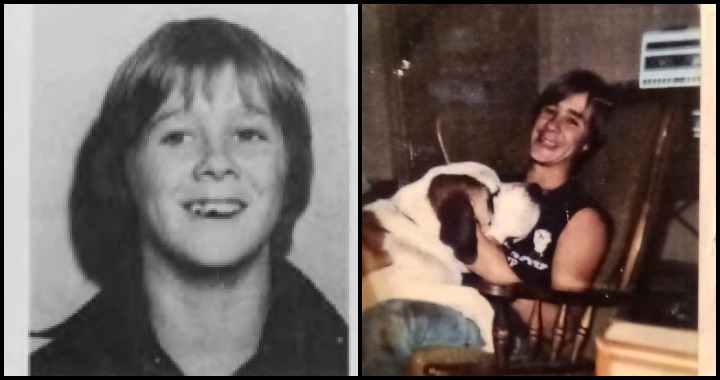
Jonny passed away sometime around the 10th of February. It’s unknown to what caused this to happen but he got his wish and that was to die at his home at Notchko. He is finally with his mother, Vivian Kay McCovey, and his father, John Denton Simpson, and his sister who left him at the age of 9 that he missed every day since Cindy, Simpson. He finally gets to be with his grandma Lillian McCovey Shermon and great-grandma Elsie Grey McCovey. His great-auntie Elsie McCovey Bacon and auntie Bonnie McCovey Green. And his daughter Cindy Simpson and stepson Ben Taggert, who both left this world way too soon. And his best friends/cousins Tony and David Sylvia. And so many more that he cared and loved are with him. I know that they are all up there with him. He is another loved one that is watching over our family giving us the strength to live on.
Jonny was born in Oakland on Sept. 28 1964. He grew up at Notchko and was always riding dirt bikes and horses and at times was a bit wild. Lol. And yes, most of it definitely is true — he told me some crazy stories. I love my dad and I know that he loved me and my brother in his own way. I know he didn’t know how to be a father but I’ll always remember the times that we were happy and getting along, which seems very rare. Those are the times I got to remember we both do, brother. He was a very good friend to everyone that was his friend, and he was loyal. I wish we had more time to have with him. With all of them.
Jonny leaves behind his daughter, Tiannah Simpson, and his son, Sean Simpson; his daughter Cindy’s children, which is his first grandson Troy Green and his only granddaughter, Stella Green, who he never got to meet; his second grandson Pey-Goy Sean John Denton Simpson, who never got a chance to know his grandpa. He has stepkids that he loved but really got to know Sean Taggert and Lynden Sovereign. I know that he thought of them as his blood. There’s Allen Taggert, Lane & LeeAnn & Lance Sovereign. But my dad had numerous kids that he called son and daughter. There’s just way too many to name. When my dad was loving it was great and he knew his family loved him. And his friends too.
At this time there will not be a service, but once figured out and the time found there will be one around Hoopa or Notchko. And one in Eureka — just don’t know when at this moment. I’m sorry and thank you for everyone’s condolences and I’m sorry if you were not mentioned. Just know that I am thinking of you and he is watching over you.
###
The obituary above was submitted on behalf of Jonny Simpson’s loved ones. The Lost Coast Outpost runs obituaries of Humboldt County residents at no charge. See guidelines here.
MILLER PRELIM: Murder Suspect Can Stand Trial, Judge Rules, Despite the Fact That No Body Has Been Found
Rhonda Parker / Friday, March 4, 2022 @ 2:15 p.m. / Courts
Even though Kiera Lynn Foley’s body has not been found, Judge Kaleb Cockrum ruled today there is sufficient evidence for Jason Michael Miller to stand trial on a charge of murder.
Cockrum declined to hold Miller to answer on the special allegation of personally and negligently discharging a firearm, a charge that can add as much as a life sentence if a defendant is convicted of murder. The judge said there is not enough evidence — apart from witness statements about what Miller told them— that Foley was shot to death.

Defense attorney Andrea Sullivan, in arguments after testimony in Miller’s preliminary hearing ended today, said it’s possible for someone to be convicted of murder without a body, “but you have to have evidence” the person is actually dead.
“If Ms. Foley is indeed dead,” Sullivan argued, “it’s unlikely she was killed at the Laguna Inn.”
Eureka police Officer Timothy Marsolan testified today that two senior detectives and three evidence technicians searched Miller’s room at the inn. They found no physical evidence other than some blood droplets.
“Nothing substantial,” Marsolan said under questioning by Deputy District Attorney Jessica Watson.
Sullivan pointed out there are hundreds of people missing in Humboldt County, and Foley was a transient who had disappeared before.
“I simply don’t believe any persuasive evidence has been shown that Ms. Foley is dead,” she said. Sullivan said witness Crystal Gonzales was not credible when she said she saw Foley’s body in the bathtub in Miller’s room and watched Miller drown Foley’s dog in the toilet.
Gonzales “was actually falling asleep while she was testifying,” Sullivan said.
Deputy District Attorney Roger Rees said Gonzales was tired because she didn’t sleep the previous night, worrying about testifying against a man who traumatized her. Gonzalez said Miller put a gun to her head and forced her into the bathroom to view the decomposing body, with Foley’s terrified little dog sitting on top of it.
Two women testified Miller told them he killed Foley and chopped up her body because he believed she was going to rob him. He confessed to his girlfriend Rose Cooper, and he also told Phyllicia Korn, a fellow tenant at Laguna Inn. Korn said Miller offered to show her the body, and she declined.
According to a man named Gregory Shelton, who went to police in July, Miller said he shot Foley at a beach while he was experiencing a drug-induced manic episode. Miller told Shelton he quickly disposed of both the body and the gun.
“The defendant has admitted to three different people that he killed Ms. Foley,” Rees argued. “Each one said he shot her, which is the basis of the special allegation.”
Rees said it’s true the prosecution needs more evidence than witness statements, and they have it in the form of Gonzales’s testimony about seeing the body. As to whether Foley is actually dead, no-one has seen or heard from her since April of 2021.
Officer Marsolan testified that includes Foley’s three children, one who lives in Virginia with a family member and two who are with their father in Southern Humboldt. Marsolan said Foley “was always very consistent” in keeping in contact with her children.
One friend of Foley’s told the officer she and Foley had spent their August birthdays together for 30 years, “until last year.”
Cockrum, in making his ruling, said Gonzales was obviously under the influence when she was testifying, but he believed what she said about being forced to smell and see the body.
“I do find her to be credible,” the judge said.
Korn testified today that “half a day” before Miller told her about the killing, she saw Miller and Foley together. She recalled Foley was wearing shorts and a tank top and did not seem to be in any distress.
Korn and Cooper had both known Foley for a number of years. Cooper testified Foley, like her, worked as a prostitute. But Korn and Gonzalez did not believe she was.
Korn, also a prostitute, said Foley supported herself by stealing.
“Stealing what?” she was asked.
“Drugs and money.”
Miller’s arraignment is scheduled for March 22.
###
PREVIOUSLY:
- MISSING: Humboldt Woman Disappears Under ‘Unknown Circumstances’
- MISSING: EPD Seeking Woman Last Seen in Eureka in April
- Already Incarcerated Suspect Arrested for Alleged Murder of Missing Woman Kiera Lynn Foley
- MILLER PRELIM: Witnesses Say Suspect in Eureka Murder Showed Them Victim’s Body, Confessed to Dismembering and Burying Her
New State Grant Will Allow Mental Health Professionals to Deploy With Sheriff’s Deputies on Certain Calls, DHHS Announces
LoCO Staff / Friday, March 4, 2022 @ 10:18 a.m. / Local Government
Press release from the Department of Health and Human Services:
The Humboldt County Sheriff’s Office and the Department of Health & Human Services (DHHS) are joining forces to increase availability to mental health assistance for people experiencing a need.
Thanks to a grant from the California Department of Health Care Services, DHHS’s Behavioral Health Branch will be funded to hire six new staff, including two clinicians, two case managers and two peer coaches, to respond to calls with Sheriff’s deputies.
Behavioral Health Senior Program Manager Kelly Johnson said planning and implementation meetings with her staff and the Sheriff’s Office are scheduled to start next week, following confirmation of the nearly $430,000 Behavioral Health Justice Intervention Services Project grant.
She said the six new hires will be broken into two teams that will work four 10-hour shifts each week. “This will be seven days a week, and we’ll be embedded in the Sheriff’s Office and available to respond to any mental health-related calls for service,” Johnson said.
Behavioral Health staff has for years worked closely with Arcata and Eureka police departments through the Mobile Intervention and Services Teams. Known as MIST, the teams work specifically with people who are homeless and need help stabilizing their mental health and securing services and assistance to avoid further problems. The program with the Sheriff’s Office differs in that its focus is on anyone who is experiencing a mental health crisis.
“The idea is the peer coach and case manager can do some follow up and linking to services if needed, whereas the clinician will do more crisis intervention,” Johnson said. “The Behavioral Health team will be available to accompany any law enforcement officer who is working in the Sheriff’s Office.”
Undersheriff Justin Braud said the collaboration is a win-win. “Keeping the peace and protecting the public are the top priorities for the Humboldt County Sheriff’s Office,” he said. “Having trained staff from DHHS to help us when dealing with people in crisis will exponentially increase our chances of resolving these incidents safely and connecting people with the services they need. I see no downside to this collaboration and believe it will help us serve our community more effectively.”
Behavioral Health Director Emi Botzler-Rodgers agreed, saying the grant and collaboration between the two departments provides a “tremendous opportunity” for the community. “This grant will help increase opportunities to stabilize individuals in mental health crisis in the community instead of putting them on a hold and bringing them to the hospital or to jail,” she said. “It is the kind of work that our community needs more of and a partnership we hugely value.”
MILLER PRELIM: Witnesses Say Suspect in Eureka Murder Showed Them Victim’s Body, Confessed to Dismembering and Burying Her
Rhonda Parker / Friday, March 4, 2022 @ 7:39 a.m. / Courts
Murder suspect Jason Michael Miller blabbed freely about how he shot Kiera Lynn Foley, dismembered her body and drowned her little dog in a toilet, witnesses testified during the first day of Miller’s preliminary hearing.
Two women testified Thursday that Miller told them about the murder. A third woman, Crystal Gonzales, said she was in Miller’s motel room when he showed her Foley’s body in the bathtub. Gonzales said a small dog was on Foley’s body, shivering, when Miller picked up the dog and drowned it in the toilet.
“Ha, ha, bubbles,” Gonzales recalled Miller saying.The dog’s name was Bubbles.
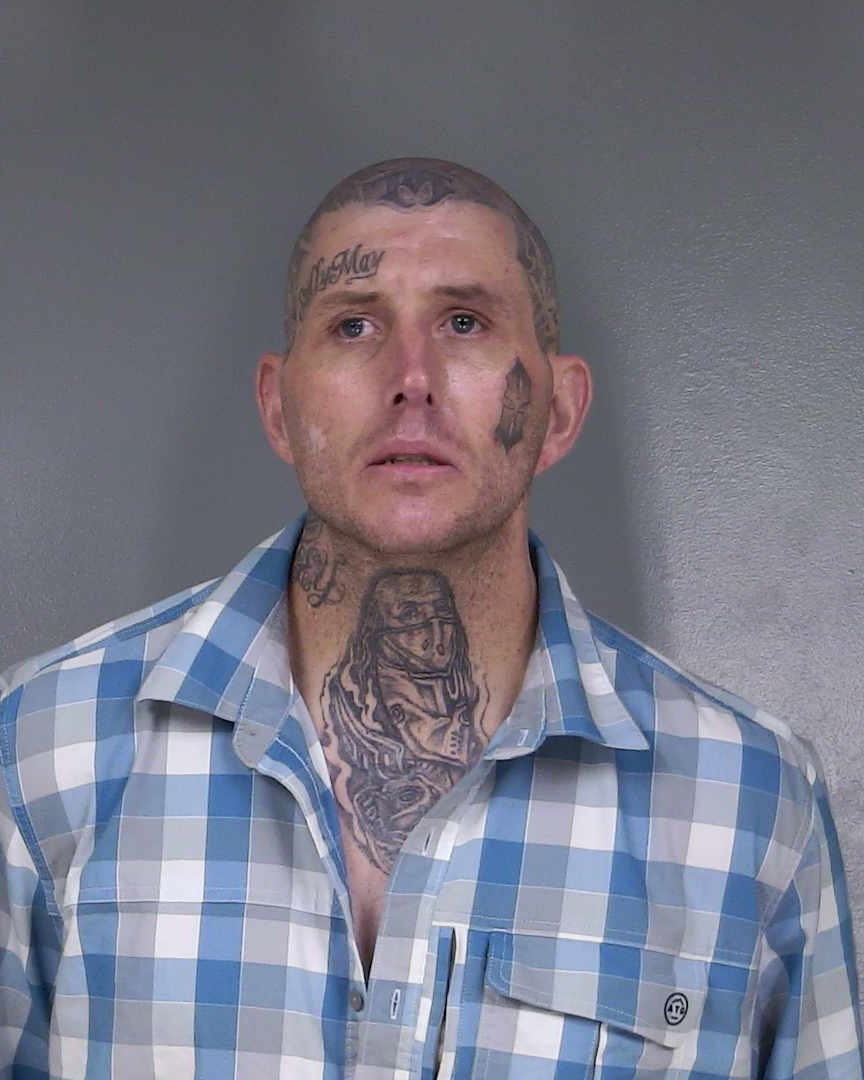
Miller, 41, is charged with killing the 32-year-old Foley on or about April 15, 2021. According to one witness, Foley and Miller had been in a sexual relationship, but he began to suspect she was about to rob him. His solution, allegedly, was to shoot her, chop up her body and bury it. The body has never been found.
About a dozen of Foley’s friends and family members were in the courtroom during the gruesome testimony.
Rose Cooper, Miller’s former girlfriend, testified she had been living with Miller at the Laguna Inn in Eureka for about two weeks when he confessed.
Cooper, crying, testified she was taking a bath when Miller walked in and started talking.
“He only knew (Foley) for about two weeks,” Cooper testified under questioning by Deputy District Attorney Jessica Watson. Miller told her Foley lied to him a lot and he believed she was going to rob him.
Miller allegedly forced Foley into the motel room bathtub and “mentally tortured her,” Cooper said. One minute he would tell her she could go home, the next minute he’d say he was going to kill her. Cooper couldn’t recall whether Miller said the torture went on for four hours or four days.
“And then he walked in and shot her.”
“He said he bled her out and cut the body in pieces and that he killed her dog in the toilet — drowned it.”
According to Cooper, Miller said he forced Gonzales to help him, and he buried Foley “under a briar bush.”
For four days Miller kept going back to the burial site and digging, Cooper recalled. When he talked about that “he was laughing. He scared the shit out of me.”
Cooper also said that after Miller was arrested in June, she found a notebook in which he had written “No corpse, no crime.”
Under cross-examination by defense attorney Andrea Sullivan, Cooper said both she and Miller were using “heroin, speed and alcohol.” She stayed with Miller because he treated her so well, Cooper said. She had been working as a prostitute, and “he told all my tricks that I wouldn’t be out there anymore. Like I said, he was real good to me.”
She said Foley also was a prostitute. When Sullivan asked whether Foley ever went missing, Cooper said yes. Foley would disappear for months on end. Once she joined a carnival crew and was gone for six months.
Cooper said Gonzales helped cut up Foley’s body, and she kept the body in her car while Miller was digging the grave.
“She was driving around town with Kiera’s body,” Cooper said. “Driving around, doing errands, going to the store.”
Another witness, Phyllicia Korn, said she lived at the Laguna Inn and knew Miller.
“He was my dealer,” Korn said.
Korn recalled Miller coming to her door and telling her about killing Foley and the dog.
“He asked me if I wanted to see (the body) and I said no.”
“Did you believe him?” prosecutor Watson asked. Korn said yes.
“Just the look in his eyes,” she said. “Like there was nothing there. No soul.”
Korn is expected to continue testifying this morning.
As for Gonzales, her testimony was difficult to take seriously. She had a hard time staying awake and admitted she took a half-dose of methadone. Earlier in the day she was sleeping and softly snoring, with the bailiff threatening to kick her out of the courtroom.
She also acknowledged she has several mental disorders. Cooper testified Gonzales is one of two women in Eureka called “Crazy Crystal.”
“Believe it or not, there’s more than one out there,” Cooper said.
Gonzalez, under questioning by Deputy District Attorney Roger Rees, said Miller put a gun to her head and forced her to walk into the bathroom and view the bloody body and the little shivering dog. He told her “now you’re involved.”
She denied helping with the body, saying Miller told her he didn’t have to worry because “the mafia” or “the cartel” would take care of everything.
Sullivan, during her questioning of Gonzales, pointed out that in Miller’s motel room “there’s no physical evidence, no blood, no bullet hole, no sign of trauma whatsoever.”
She also pointed out that at one point, Gonzales searched the Internet for information on how to get rid of a body.
“I don’t believe that,” Gonzales said.
On Thursday Miller sat next to Sullivan in his orange jumpsuit. Need it be said that he looks nothing like his mugshot? Now he’s plump and wears glasses.
Judge Kaleb Cockrum is presiding over the hearing. Watson and Rees are co-prosecutors.
###
PREVIOUSLY:
Millions of Californians at Risk of Losing Health Coverage When Federal COVID Programs End
Ana B. Ibarra / Friday, March 4, 2022 @ 7:10 a.m. / Sacramento
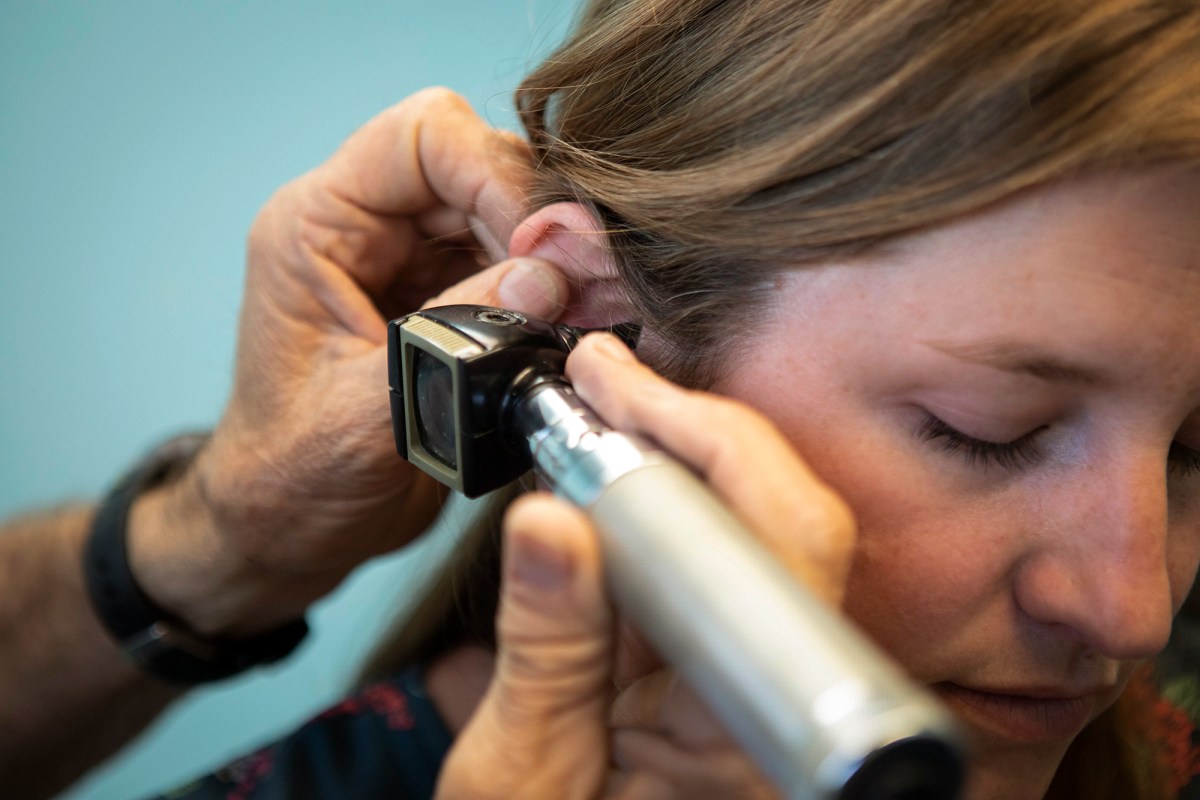
A doctor checks a patient’s ear for infection at a clinic in Bieber. Some Californians may lose or see changes in their health insurance plans when federal COVID programs expire. Photo by Anne Wernikoff for CalMatters.
Millions of Californians could lose or transition into new health coverage as two federal programs that helped many keep or afford insurance are set to expire this year.
Two to three million Californians could lose their Medi-Cal coverage, some as soon as this summer, after the federal government’s COVID-19 public health emergency ends, now scheduled for next month. In addition, 150,000 Californians might not be able to afford their Covered California health plans unless federal subsidies from the American Rescue Plan, which are set to expire at the end of this year, are renewed, according to a report released Wednesday.
The COVID-19 pandemic triggered investments and protections that increased the number of people with health insurance. In California, close to 14.5 million people are enrolled on Medi-Cal — the most ever — and a record 1.8 million people bought a health plan through Covered California during the latest sign-up period.
But those federal protections are temporary. And state health officials are now preparing for when they expire, examining how to keep the most Californians covered.
Medi-Cal and the public health emergency
Before the pandemic, people on Medi-Cal had to renew their coverage every year, but the process has been frozen for the past two years.
During the federal government’s public health emergency, states cannot drop people from Medicaid — known as Medi-Cal in California, the health insurance program for low-income people.
But the emergency is scheduled to expire after April 15 unless it is extended for another 90 days by the Biden administration.
An estimated two to three million Californians could lose Medi-Cal coverage because they now earn too much to qualify or they fail to provide information needed to stay on the program, health advocates explained.
While many people could transition from Medi-Cal to other types of insurance, advocates fear many could get lost in the administrative complexities and lose coverage.
Jacey Cooper, the state’s Medi-Cal director, said the state would have to begin the process of redetermining who is eligible in May if the emergency order ends in April. Because enrollees need a 60-day notice, people who are due to update their eligibility information in July would need renewal packages by May.
Federal guidance gives states 12 months to complete reviewing people’s eligibility.
For most adult enrollees, the limit to qualify for Medi-Cal is 138% of the federal poverty level, about $17,609 for single people and $36,156 for a family of four. Eligibility takes into account income and household size. (Certain groups like pregnant women qualify at slightly higher incomes.)
While many people could transition from Medi-Cal to other types of insurance, advocates fear many could get lost in the complexities and lose coverage.
Anthony Wright, executive director at Health Access, said people falling off Medi-Cal is not necessarily a bad thing — people’s incomes may have increased and now they are eligible for subsidized coverage on Covered California, or some may have regained employer benefits.
“Our hope is that this number (of 2 to 3 million) doesn’t reflect the number of people who will become uninsured, but rather the number of people leaving Medi-Cal, which could be for good reasons,” he said.
Still, people can get lost in the paperwork or simply never learn that they are supposed to submit a renewal application, said Monika Lee, associate communications director with the California Pan-Ethnic Health Network.
“We are expecting losses,” she said. “If the state mails something to your house and you don’t live there anymore, how will you know you are losing coverage?”
Cooper has a similar concern, noting that her department estimates that 7 to 10% of enrollees have changed their address during the past two years. “We need updated contact information so that when the public health emergency does end, we can reach and contact individuals,” she said. People can update their contact information at their county Medi-Cal office.
Cooper said her department will help people who no longer qualify for Medi-Cal transition into other types of coverage, whether it be employer-based insurance or a low-cost health plan through Covered California.
But Covered California also warns that a separate issue — an upcoming expiration of federal aid — could affect whether those formerly on Medi-Cal sign up or not.
Covered California and the federal subsidies
The federal government’s American Rescue Plan last year provided California with around $3 billion designated for additional financial aid through Covered California. As a result, more people signed up, and 24% of consumers enrolled in plans with monthly premiums of $10 or less, according to Covered California.
The enhanced federal subsidies are locked in for the rest of this year, but if Congress let’s it expire, enrollees would see their premiums go up next year. Covered California estimates that low-income Californians could see their monthly premiums double, from an average of $65 to $131. Middle-income enrollees would no longer receive financial help.
Covered California estimates that low-income Californians could see their monthly premiums double, from an average of $65 to $131.
About 150,000 people could be forced to drop their plan because they could no longer afford it, according to the Covered California report.
People across the country, “without the expansion of the American Rescue Plan subsidies (will) face a sticker shock that will mean coverage is not within reach for them. Many of those are likely to be from communities of color,” said Peter V. Lee, executive director of Covered California.
Covered California’s report shows significant enrollment gains among these communities, including a 33% boost in enrollment among African Americans this year compared to 2020.
California in 2020 became the first state in the nation to offer aid to middle-income residents who previously earned too much to benefit from federal subsidies. But the increased help provided by the federal government was bigger, and it replaced state aid.
“There is no hard deadline for when the federal government needs to act, but the sooner the better,” Lee said.
That’s because the state usually announces the rates it negotiates with insurance companies for the following year sometime around July, and by October people start getting renewal notices with an estimate of their new costs. Lee said insurers could decide to raise premiums if they expect fewer people to sign up.
“There is no hard deadline for when the federal government needs to act, but the sooner the better.”
— Peter V. Lee, executive director of Covered California
“It’s not just fewer people, it’ll be fewer healthier people,” Lee said.
If the increased assistance goes away, healthy people will be among the first to drop their coverage, Lee said. And the sicker the pool of enrollees, the higher the premiums for everyone.
The good news, Wright said, is that Congress does have incentive to act and renew this help. “It would be in no one’s interest for premium spikes to be announced in September or October of an election year,” he said.
###
CALmatters.org is a nonprofit, nonpartisan media venture explaining California policies and politics.


