Carol
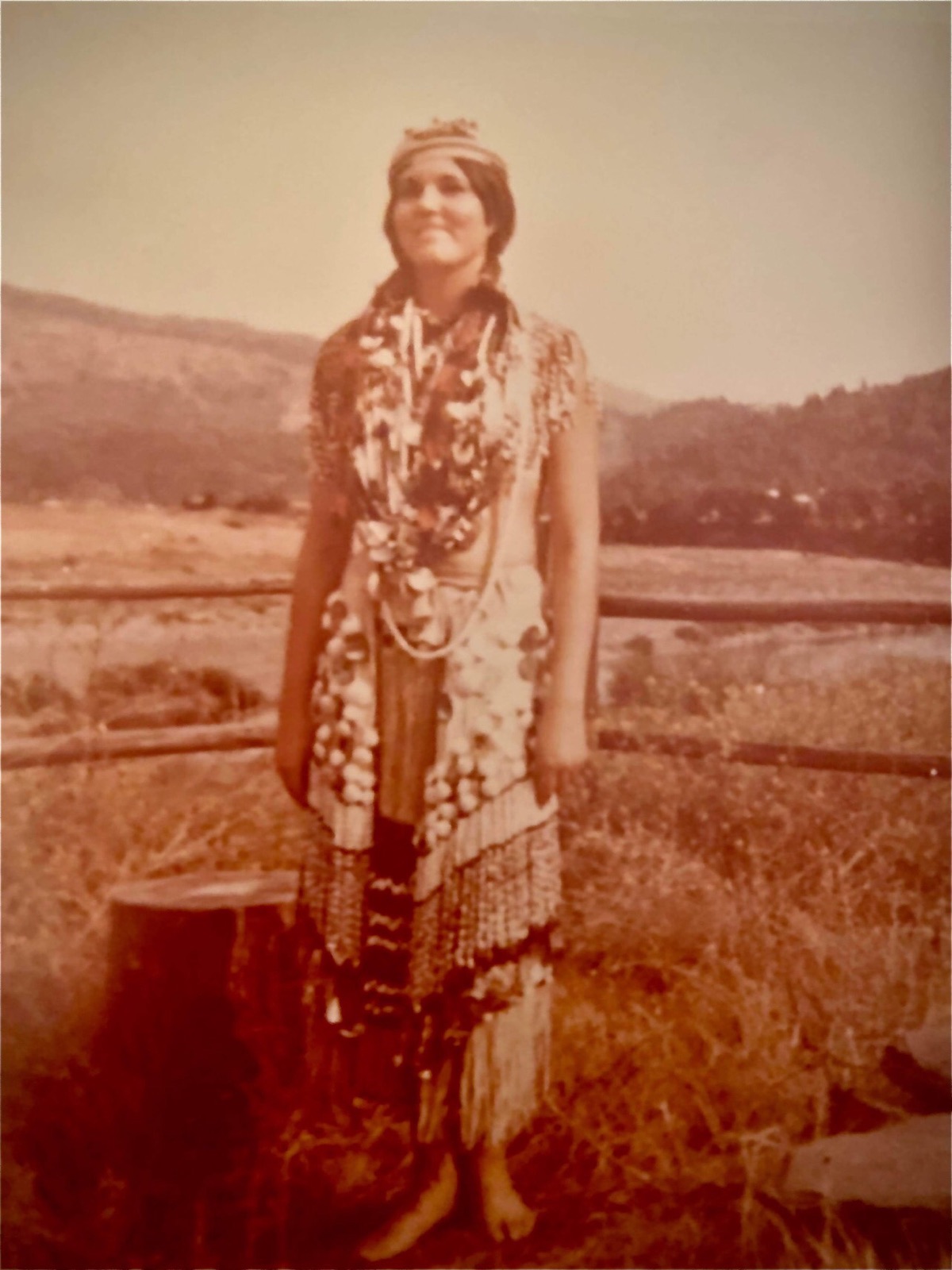
Leigh Ammon passed away on March 21, 2022 in Red Bluff,
where she was a resident of 20 years. She was born on August 7, 1951
to Ardith and Louis McConnell in Hoopa, and was the youngest of 8
siblings. Her siblings were David, William, Howard “Louie”,
Michael, Mary, Nora, and Robert “Bob” McConnell.
She
was a proud Yurok woman and spent her life spreading love and
kindness. She appreciated and enjoyed sharing her culture with
family and friends. She grew up in the beautiful Hoopa Valley,
surrounded by her loving family. As a young girl, Carol attended
elementary and high school in Hoopa, graduating in 1969, and
later marrying Ronnie Ammon. She attended CSU Chico State majoring
in English. After a few years of college, she moved to McKinleyville so that she could be closer to her family and to raise her
children, Nicole and Lee Ammon. She worked as a dental hygienist
during her stay in McKinleyville.
Carol
was a devoted mother, grandmother, great-grandmother. She was
proud of all of them. She enjoyed being a Girl Scout leader
when her daughter Nicole was young. Carol, Nicole and other
little girl scouts once traveled to southern California for a
National Girl Scout Conference, later taking a detour to Disneyland.
She was proud that her son Lee had grown up to be a good father,
grandfather, mechanic, and a fixer upper of old cars.
Carol
had a nurturing and loving heart, always taking care of others. She
cared for her mother Ardith in her elderly years and many of her
nieces and nephews were close to her growing up and spent much time
with her. Until Carol became disabled, she was an in-home health
worker - a job she was good at as a naturally kind and nurturing
person. She once said that the most difficult part of taking care of
elderly people was losing them.
Lady
slipper orchids and shooting stars, bluebells and trilliums,
firecrackers and Indian paint brushes — what a wonderful legacy to
leave. Though she may not have known it, Carol made a great and
lasting impression on many of the younger family members throughout
the years. She often watched them after school so their parents could
work and cared for them with kindness, patience, and a loving heart.
She’d take them on nature walks up the dry creek bed exploring and
admiring the wildflowers all along the way. She instilled in many of
them an appreciation and love for nature, plants and especially
wildflowers. Her brother Bob would jokingly say, “Here comes the
plant police” because she was always tending to his houseplants.
She spent a lot of summer days with loved ones on or near water –
the river, ocean, creeks, and lakes. She didn’t major in
Botany in college, maybe she should have but it really didn’t
matter because she was the family’s personal botanist.
She
leaves behind a large, loving family and friends and will be missed
by those whose lives she touched.
Carol
is survived by son Lee Christian Ammon (Rebecca), grandchildren: Joshua Ammon,
Thomas Blake Jr, Britany Goodluck, Erica, Alex, and Lee Jr, Isaiah,
Kiarra, Christian, Kiayleah Ammon, Wassic Ammon Gemmill, Kendal
Jackson, Rayanin, Buckley, and Arayah Hoaglin, great grandchildren:
Lyla B Goodluck, Adele Singletary, Angel and Jackson Gabriel, Lilly,
Charlotte, Macario, and William Ammon, brother Robert McConnell
(Deborah), sisters Mary Hall (Al), Nora Shields; sister in law Norma
McConnell and many nieces and nephews, cousins and friends.
Carol
was preceded in death by her daughter Nicole Ammon, parents Louis and
Ardith McConnell, brothers William, David, Howard and Michael
McConnell, great-grand mother Fanny Rube Dowd, grandparents Louisa
Dowd Wilder and Edwin Wilder, great aunt Mamie Ryan Parton, and great
uncle Jim Hunter, uncles Roy Wilder and Donald Irving Wilder, aunts
and uncles Thelma Mahon (Joe), Edwina Evans (Reece), Joyce Wilder
Plummer (Robert), nephew Michael D. McConnell Jr, nieces Karla
McConnell Turtle, and Pamela McConnell; aunt Juanita Wilder;
brother-in-law Donald Shields; sister-in-law Yvonne Pratt McConnell;
husband Ron Ammon; mother and father-in-law Blanch “Molly” and
Chauncy “Jube” Ammon.
Memorial
services were arranged by and held at Blair Funeral Home in Red
Bluff on Friday, April 1, 2022 from 4-7 p.m. There
will be a celebration of life reception at Post 415, American Legion
Hall, Hoopa on Saturday, April 9, 2022 at 4 p.m. Carol will be interred in Humboldt County. We
will serve food and share stories, photographs and memories of a
wonderful sister, mother, grandmother, great-grandmother, auntie and
friend to many.
###
The obituary above was submitted on behalf of Carol Ammon’s loved ones. The Lost Coast Outpost runs obituaries of Humboldt County residents at no charge. See guidelines here.
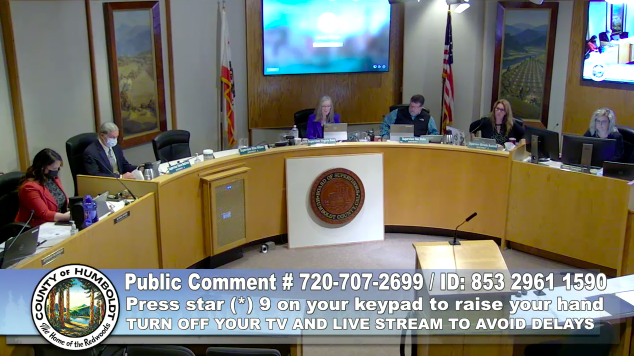
Screenshot of Tuesday’s meeting. Third District Supervisor Mike Wilson attended via Zoom.
###
The Humboldt County Board of Supervisors unanimously approved the transfer of $381,482 from the county’s General Fund to the Department of Health and Human Services (DHHS) during the board’s regular meeting Tuesday to cover financial losses associated with delayed postings by the Auditor-Controller’s Office.
The item, which was pulled from the consent calendar by Second District Supervisor Michelle Bushnell, stated that the auditor-controller’s failure to post Internal Service Fund (ISF) and Cost Allocation Plan (CAP) charges to the general ledger in a timely manner prevented DHHS’ Public Health branch from meeting several claiming deadlines for reimbursement. The money will restore what Public Health has lost in state and federal reimbursements between Fiscal Years (FY) 2019-20 and 2020-21.
“Had the ISF and CAP charges posted to the general ledger timely, we would have been able to include those costs into the claim for Public Health and been 100% reimbursed,” said Trevis Green, deputy director of Financial Services for DHHS. “…At this particular moment, Public Health itself is subsidizing the federal and state government for programs that we’re putting on on their behalf.”
Impacted services included several nursing and dental programs, substance abuse prevention initiatives and projects through the Mental Health Services Act.
Had Public Health gone ahead and filed for reimbursement without proper backup documentation, “that would be fraud,” Connie Beck, director of DHHS, told the Outpost.
County Administrative Officer Elishia Hayes noted that the expense “should not be the burden of the General Fund” but acknowledged that Public Health would not be able to recuperate the funds otherwise.
“This has been a perpetual problem for our organization for a number of years,” Hayes said. “…This is problematic for our organization and puts us at great risk of losing dollars which may become a burden of the general fund just to keep programs running and being effective for our community.”
First District Supervisor Rex Bohn asked Hayes whether the associated paperwork had been done correctly. “This is real money,” he said. “…We’re throwing things at the wall hoping we have enough money…but it’s not getting done.”
Bohn emphasized that “something seriously needs to happen” for the financial health of the community at large. “It’s, I don’t know, probably the most frustrating thing ever.”
Bushnell made a motion to approve staff’s recommendation which was seconded by Third District Supervisor Mike Wilson. Following a brief public comment period, the motion passed in a unanimously 5-0 vote.
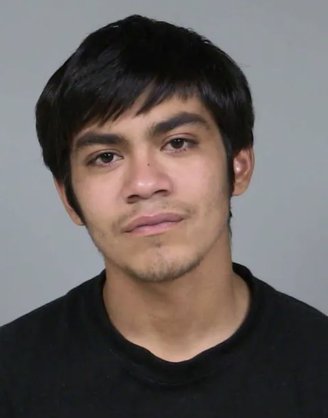
A second suspect in the gruesome slaying of Hoopa resident Julius “Jules” Tripp must stand trial on charges of murder and conspiracy to commit murder, Judge Kaleb Cockrum ruled today.
Cockrum, after listening to evidence presented during a two-day preliminary hearing, held 20-year-old Daniel Armendariz to answer on all charges. His arraignment is set for April 19.
Tripp, 42, was homeless and sleeping in a camper off Highway 96 on July 20, 2020. After a roadside confrontation with Bronson Moon Lewis Jr., Lewis allegedly stabbed Tripp multiple times and left him lying down a steep, wooded slope between Hoopa and Weitchpec.
Then Lewis and four companions drove south to Hoopa, where Lewis got a rifle and returned to the scene.
According to witness statements Tripp was still alive. He could be heard breathing heavily and screaming “You guys are going down for attempted murder!”
Then witnesses heard gunshots.
Although Lewis is charged with stabbing and shooting Tripp, Armendariz allegedly was by his side during the entire episode. Armendariz reportedly got a pocket knife out of Lewis’s truck when Lewis and Tripp were fighting, and he may have handed Lewis the machete that was used on Tripp. He also went with Lewis when he got the rifle from a residence in Hoopa.
Also, Cockrum noted when making his ruling this morning, Armendariz reportedly told Lewis after the killing that they were in this together.
“Don’t worry about it,” Armendariz allegedly said. “If you go down for murder I go down. We’re in this together.”
Armendariz, interviewed by sheriff’s Investigator Mark Peterson after the killing, denied involvement and pointed the finger at Dale Mabry, who was driving Lewis’s truck when they came upon Tripp’s camper in a pullout. Armendariz said Mabry was the one who was with Lewis when Tripp was killed.
Cockrum said both Armendariz and Mabry made “self-serving statements” about their roles. Mabry was the driver, he was the one who decided to bump Tripp’s camper with Lewis’s truck, and he used the truck to push Tripp’s old pickup and camper over a cliff. Also, when Lewis told Mabry to stop the truck and turn around after Tripp threw a tire rim at them, Mabry obeyed.
“I do believe Mr. Mabry has some criminal liability in this case,” the judge said.
As to Armendariz, there was testimony he was the one who said Tripp needed to be “finished off.” And at least one witness said Armendariz joined in when Lewis was threatening his companions with death if anyone talked about what they saw.
Dale Mabry was called as a witness during this hearing but refused to testify, invoking his Fifth Amendment right against self-incrimination. But another Mabry, Milton Mabry, testified via Zoom this morning that he spoke with Bronson Lewis five days after the killing.
“He pretty much told me what he did,” Milton Mabry said. “Chopped (Tripp) up and then went and got a gun and shot him.”
Asked whether Lewis said he was alone at the time, Milton Mabry responded “He didn’t say.”
In arguing Armendariz should be held to answer for murder, Deputy District Attorney Trent Timm said Armendariz got out of the truck with Lewis after they encountered Tripp, and both he and Lewis obtained knives.
“He was out there when Mr. Lewis mutilated Mr. Tripp’s body with a sharp object,” Timm told the judge. “We don’t know if it was one or the other, or both of them.”
Witnesses could see “swinging motions” from where they were parked up on Highway 96, but they couldn’t see who was swinging.
Defense attorney Meagan O’Connell argued it was Lewis who retrieved a machete from his truck and Lewis who used the machete to attack Tripp.
“There’s no indication the pocket knife was used,” she said, noting witnesses saw blood on Lewis and his machete, but no blood on Armendariz.
“There’s no evidence that any action on the part of Mr. Armendariz actually caused Mr. Tripp’s death,” O’Connell argued, saying the prosecution needed to prove Armendariz had the intent to kill.
It was witness K-lynn Dowd who said she heard Armendariz speak about finishing Tripp off. But O’Connell noted Dowd said she wasn’t paying close attention to Armendariz, and “there is a possibility that someone else made that statement.”
O’Connell also said it could be argued the killing was justified, as Tripp was much older than Lewis and he had thrown a tire rim and a rock at Lewis’s truck. Armendariz could have been protecting Lewis, himself and others, she said.
Timm said the idea of Armendariz protecting others from Tripp “is — quite frankly — ridiculous and insulting.”
Lewis, then 18, turned himself in on Aug. 25 after witnesses implicated him in the killing and Tripp’s remains were found. Deputy Coroner Chad Zeck testified he saw a skull, arm bones, leg bones and a patch of skin. The skin was tattooed, Zeck said, and he could make out the words Tripp, Yurok, hostile, and Native.
A forensic pathologist determined Tripp suffered “sharp-force trauma” to his arms and the back of his head, and he was possibly shot as well.
Armendariz was not arrested until November 2020, after testimony implicating him was presented during Lewis’s preliminary hearing.
Both Armendariz and Lewis remain in Humboldt County Correctional Facility, where Lewis celebrated his 20th birthday today. His trial is scheduled for later this month.
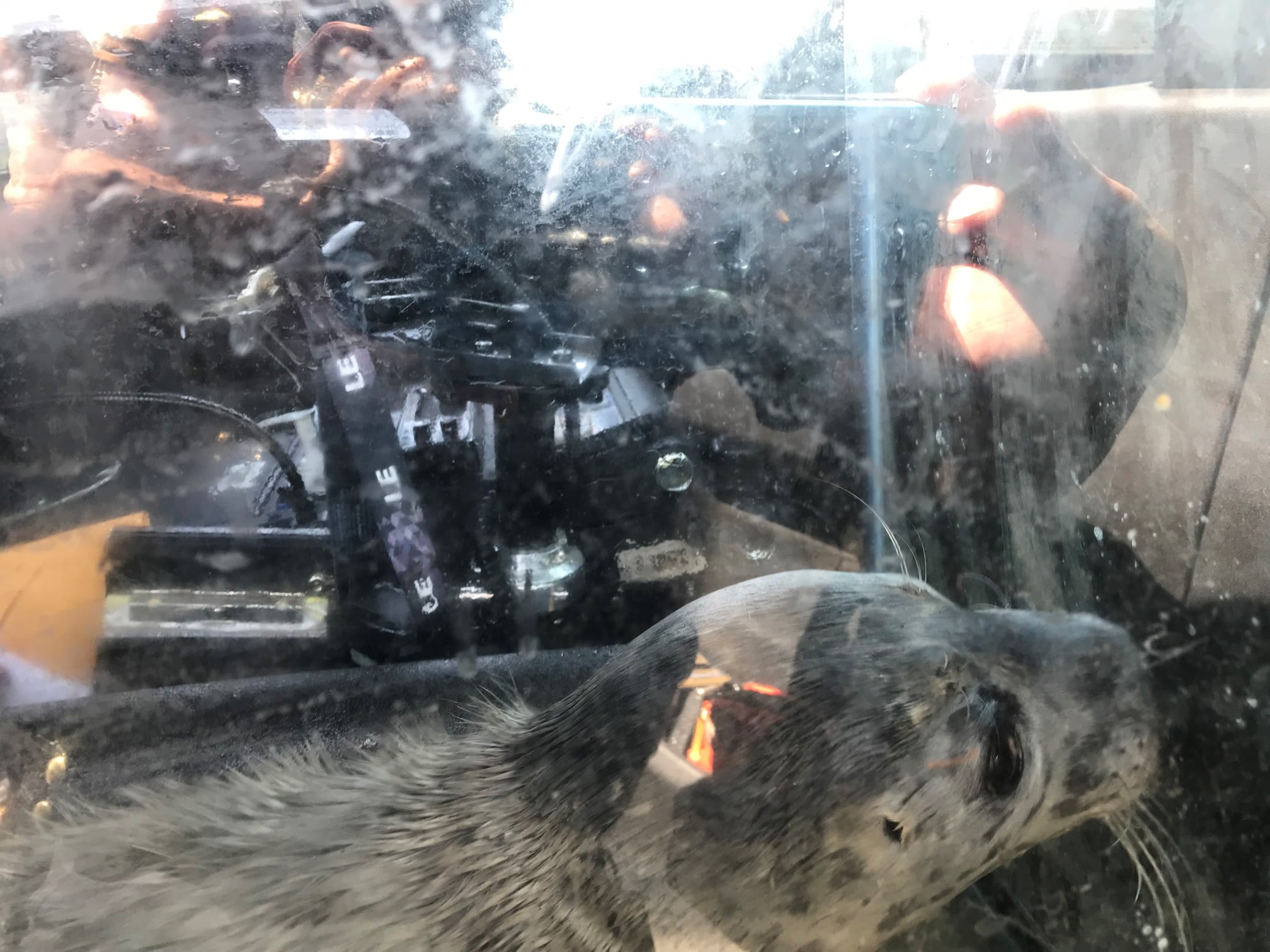
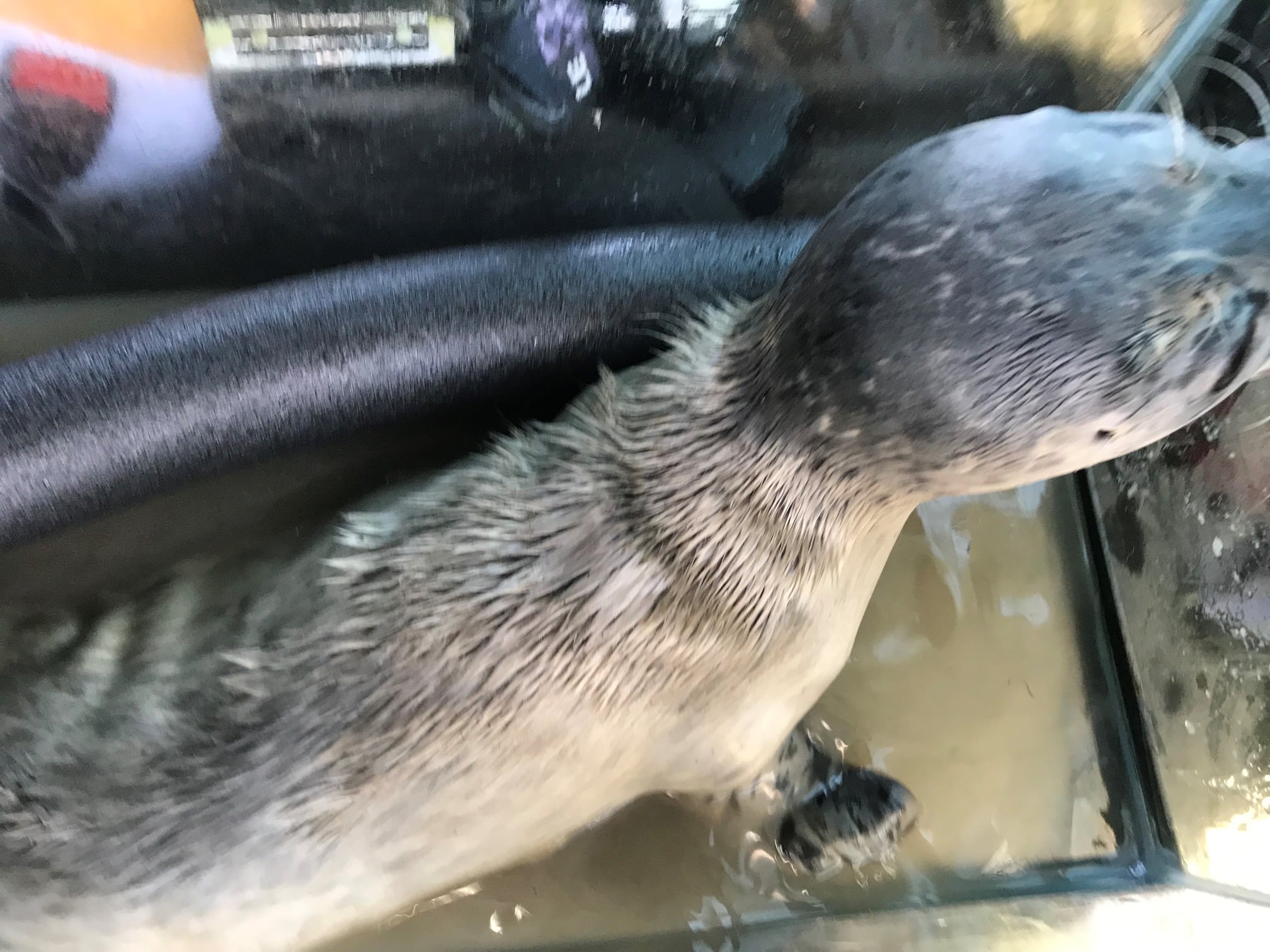
These are not for you to touch, assholes | Photos courtesy EPD
Eureka Police Department release:
On Saturday we responded to the area of the Samoa Bridge after a caller reported witnessing a couple take a seal pup from the bay and put it in an aquarium in their vehicle. Officers quickly stopped the vehicle and rescued the seal pup.
California Department of Fish and Wildlife (CDFW) and the North Coast Marine Mammal Center responded to take over the investigation and care for the seal pup.
CDFW says this is the time of year many wildlife species from seals to deer leave their young unattended in safe areas, sometime hidden, while the mother leaves to feed. With seals, this commonly means on a mudflat in Humboldt Bay. Many people assume the newborn seal is abandoned, but that is rarely the case. The best thing to do is keep your distance and leave the animal alone. The mother will return. If people think the animal is in fact abandoned or hurt, they should not approach or touch it and call the North Coast Marine Mammal Center at 707-951-4722.
The occupants of the vehicle were detained and the investigation by CDFW is ongoing. Marine mammals are protected federally by the Marine Mammal Protection Act. It is unlawful to feed or harass wild marine mammals including dolphins, porpoises, whales, seals and sea lions. If prosecuted, NOAA Office of Law Enforcement could enforce civil penalties up to 11,000, up to 1 year in prison plus criminal fines, and forfeiture of the vessel involved. The public is instructed by NOAA to keep at least 50 yards (150 feet) away from seals. State laws also protect marine mammals and violators can be charged criminally with a misdemeanor.
Thank you to the alert witness who called this in and provided a detailed description of suspects and vehicle!
Root and Rebound is an Oakland-based organization that provides legal help and advice to people who were recently arrested and/or convicted of a crime get back on track. They’re going to be coming up to Humboldt and Del Norte counties for a few free, in-person clinics week after next, and they’re looking to give you a hand.
You can get the flier for their upcoming schedule in Humboldt and Del Norte at this link. The text of it is reproduced below.
From Root and Rebound:
Root & Rebound will be partnering with Hupa Family Resource Center, the
Yurok Reentry Program, Humboldt State’s Project Rebound, and Jefferson
Community Center to provide free legal services for people who have a
conviction and/or arrest record in California.
These clinics will provide information on employment rights with a
conviction, new laws that lower court ordered debt, and the expungement
process. We can also provide one-on-one legal information and assist in
getting a copy of your RAP sheet (the first step in getting an expungement). If
you would like to get a RAP sheet, please bring a government-issued photo ID.
Jefferson Community Center Clinic
Tuesday, April 19, 2022, 11 am - 2 pm
1000 B. St, Eureka, CA 95501
Hupa Family Resource Center Clinic
Tuesday April 19, 2022, 5 pm - 7 pm
82 Willow Ln., Hoopa, CA 95546
Klamath Clinic
Wednesday, April 20, 2022 3 pm - 5 pm
230 Klamath Blvd., Klamath, CA 95548
Crescent City Clinic
Wednesday, April 20, 2022, 10 am - 1 pm
College of the Redwoods
884 W. Washington Blvd., Rm 23, Crescent City, CA 95531
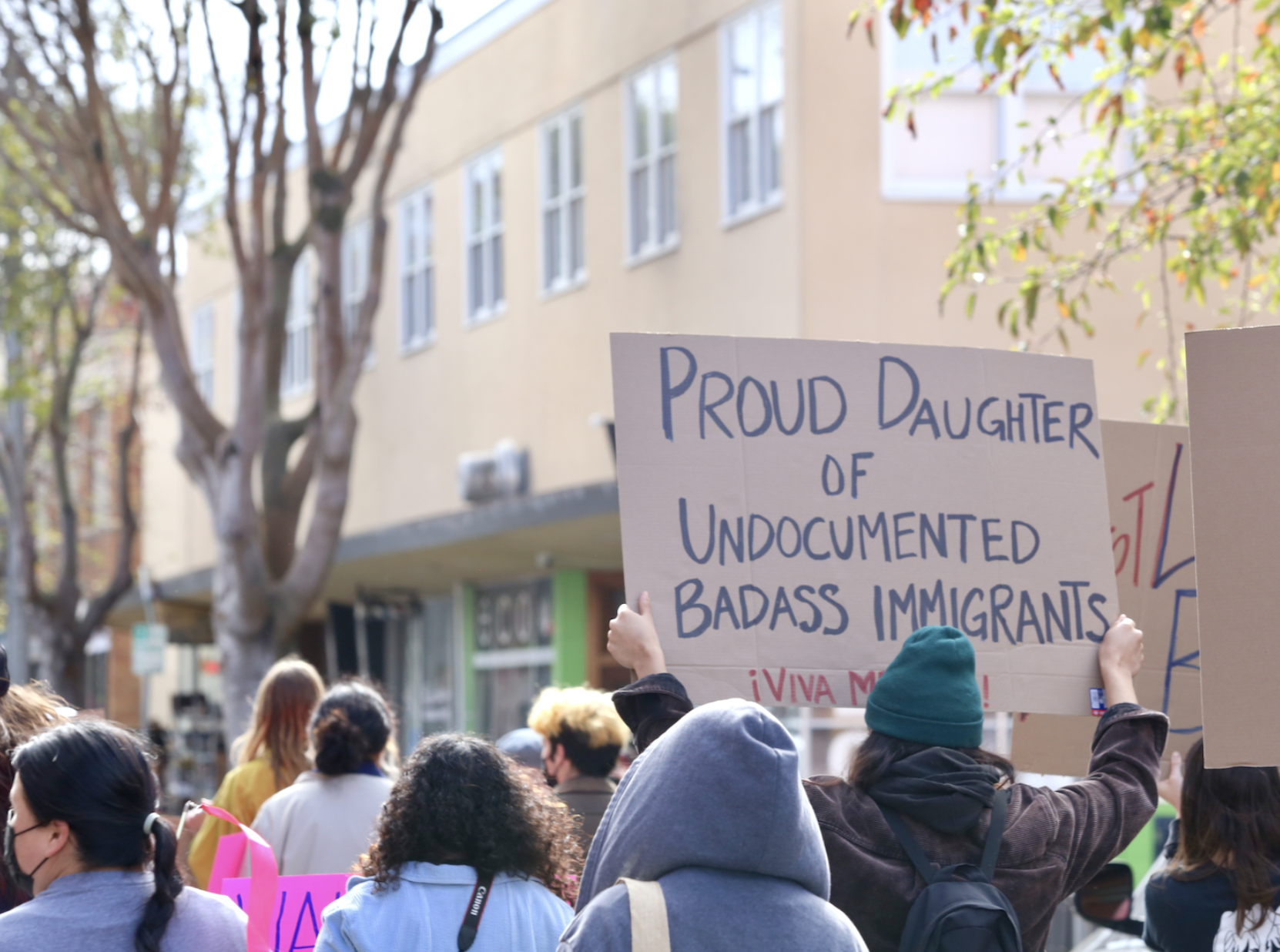
At an immigrant rally in Eureka earlier this year | Photo: Andrew Goff
Paula Cortez Medrano has worked in the agriculture industry since she arrived in the U.S. over 25 years ago.
She has labored in the heat of Fresno summers, picking onions, tomatoes, grapes, and garlic and in the freezing temperatures of local produce packing houses, where she would wear two layers of pants to stay warm while assembling frozen fruits and vegetables to be sold in grocery stores across the country.
She contracted COVID-19 during the pandemic and was sent home from work with only two weeks of paid sick leave. It took her 40 days to recover, but when she returned to her packing house job, she was turned away.
“They told me that they had no more work for me, that it was really slow,” she said in Spanish in an interview with The Bee.
The 66 year-old said she thinks she was turned away because of her age; they never called her back to work. Today, she sells tamales as a street vendor in central Fresno, earning an average of $80 a day, much less than the $15 per hour she earned in the packing house.
Because of workers like Cortez Medrano, California Democratic lawmakers want to extend unemployment benefits to undocumented workers, a proposal backed by a new report by the UC Merced Community and Labor Center which makes the case for why the California economy, workforce, and families would benefit.
Paula Cortez Medrano has worked in the agriculture industry since she arrived in the U.S. over 25 years ago. Photo by Melissa Montalvo
Introduced last month by Assemblyman Eduardo Garcia, a Democrat from Coachella, and currently under review in the legislature, AB 2847 would create the Excluded Workers Pilot Program, a two-year program that would provide funds to undocumented workers who lose their job or have their hours reduced during the calendar year 2023. The proposal, estimated at $597 million, plus administrative costs, would allow qualifying, unemployed individuals to receive up to $300 a week for 20 weeks.
The report, released Thursday, argues that undocumented workers play a key role in California’s economy, contributing an estimated $3.7 billion in annual state and local tax revenues. Additionally, these workers hold one in 16 jobs in the state, many of whom were deemed “essential workers” during the COVID-19 pandemic because of the risks they took working in the agriculture fields, meatpacking houses, and other key industries.
An estimated 2 million undocumented individuals live in California with about 1.1 million of that population participating in the workforce.
Of the 1.6 million workers in the central San Joaquin Valley, an estimated 7% are undocumented, the report states.
Nearly 38% of noncitizen workers, and more than 61% of children living with noncitizen workers, live in households earning less than a living wage and face chronic and severe housing and food insecurity, the report states. “Unfortunately, such workers face high rates of extreme hardship and do not have access to unemployment benefits.”
The report concludes that the challenges facing undocumented workers are only likely to increase as a result of a number of environmental challenges like wildfires, earthquakes, extreme heat, and drought, piled on top of the ongoing public health crisis the state is already grappling with.
Cortez Medrano said access to unemployment benefits from a pilot program would be “la gloria,” or glory, and that she would use such funds to pay rent, bills, and buy food during her time without stable work.
“I need the help – urgently,” she said in Spanish. “It’s high time.”
Beyond access to unemployment, Cortez Medrano said what she really wants is a work permit to make her job search easier. “I can still work,” she said.
High risk, few safeguards for undocumented workforce
UC Merced researchers found a relationship between in-person work, unemployment benefits usage, and the undocumented workforce.
Workers in the industries with the highest COVID-related deaths also reported the lowest rates of unemployment insurance use.
Immigrants made up nearly 60% of coronavirus-related deaths in California’s industries with the highest rate of pandemic-related deaths. Immigrants were the majority of deaths in agriculture at 83%, landscaping, 81%, food processing, 69%, restaurants and food services, 53%, and building services deaths, 52%.
Undocumented workers in these industries were especially vulnerable because they had no source of wage replacement in the event of job loss. They are excluded from collecting benefits, even though they contribute to the unemployment insurance system.
“Lacking a safety net benefit system, many undocumented workers often felt as if they had no choice but to continue working — facing unlawful working conditions that caused serious risks to their own and others’ health — in order to meet their financial commitments,” researchers said the report.
Access to unemployment benefits could have prevented some of these deaths. “When workers don’t have access to unemployment benefits, they’re more vulnerable,” said Edward Flores, professor of Sociology and researcher at the UC Merced Community and Labor Center.
On the flip side, researchers found that workers in industries that have low rates of in-person work and higher rates of unemployment use didn’t see such high increases in pandemic-related death.
Researchers concluded that “economic aid is an important tool that safeguards the health and wellbeing of workers and their families during a public health crisis.”
California offered some support during the pandemic. Undocumented workers were eligible to receive up to $1,700 in state funds: a $500 COVID-19 Disaster Relief pre-paid card and $1,200 from the Golden State Stimulus Fund.
Still, the report calculated these benefits were 20 times less than the $36,000 in economic aid that California citizen workers received from a mix of unemployment insurance, federal pandemic unemployment compensation, and federal stimulus aid during the first year of the pandemic.
“Low earnings and a lack of a safety net, however, pose an ongoing threat to the economic stability and wellbeing of workers who created such wealth,” said the report.
Part of the solution, according to the UC Merced researchers, is for the state to address this “policy gap” by taking advantage of the budget surplus and lessons learned from the pandemic.
“It took the Great Depression to create the New Deal and a lot of the worker protections that exist today, like unemployment (insurance) or Social Security,” said Flores of UC Merced.
“Our state is at a similar historical juncture where we experienced a once-in-a-lifetime crisis, but then have an abundance of wealth to think about how to manage,” he said.
California saw a $38 billion state budget surplus in 2021 and a $31 billion surplus in 2022.
“This is an opportunity now for policymakers to close on the policy gaps not just for now, but also for any subsequent public emergencies that happen in the future,” Flores said.
Eulalio Gomez, a spokesperson for the Fresno County Republican Party, said the proposed program is a reflection of how Sacramento is “disconnected” from middle-class California residents.
Gomez said undocumented people do “work hard,” but he thinks providing them with unemployment benefits could attract more unauthorized immigration and hurt California’s citizen workforce.
“I think there could be negative impacts on unions and union members if you continue incentivizing people to come here,” he said.
But the UC Merced researchers say there isn’t any evidence this would happen.
“It hasn’t happened when we expanded health coverage; it hasn’t happened when we removed exclusions to the CalEITC (Earned Income Tax Credit),” said Ana Padilla, executive director of the UC Merced Community and Labor Center. “There is no reason to believe it would happen in this case.”
In addition, Padilla said, many recent migrants have been moving away from California in recent decades due to the high cost of living, which is causing the state’s workforce to shrink.
‘There’s no water, there are no jobs,’ say some Valley farmworkers
An estimated 852,065 immigrants in California lost their jobs when the pandemic first hit in the spring of 2020, including 357,867 undocumented workers, according to a separate June 2020 policy report from the UC Merced Community and Labor Center.
The state’s frontline workers are facing additional threats posed by climate change phenomena, which will impact the number of jobs available to such workers, resulting in displacement and income loss, said the report.
The undocumented workforce has been in decline over the past decade, according to Flores of UC Merced, and the number of people retiring is growing — developments that are causing “seismic” demographic changes in the state’s workforce.
“We need to have a workforce that’s supported by the state that can continue to (afford to) live in the state,” he said. “Otherwise, the state’s workforce is going to continue to shrink and the economy is going to have trouble growing.”
Carlos Morales left his home in Coquimatlán, Colima, a small coastal state in Mexico, to work in California’s Central Valley over 15 years ago.
The 40-year-old has worked in Fresno County’s agriculture fields, harvesting crops like peaches, nectarines, plums, and more. Now he worries about future job prospects for himself and his fellow undocumented workers. “There are many fields where the farmers have stopped growing,” Morales said in Spanish in an interview with The Bee.
Word is starting to spread among certain parts of the county workforce that “no hay agua, no hay trabajo,” said Morales. “There’s no water; there are no jobs.”If the proposed Excluded Workers Pilot Program is approved, California would join states such as New York and Colorado that have recently launched similar initiatives. New York’s Excluded Worker’s Fund has distributed $2 billion dollars to over 128,000 undocumented New Yorkers, while Colorado’s Left Behind Workers Fund distributed millions of dollars to thousands of undocumented workers.
As for Morales, he said he wants state and federal leaders to know that undocumented workers have labored constantly during the pandemic, and should be helped in return.
“Supposedly we were essential workers,” Morales said. “We’re making this country strong.”“Volteen a vernos un poquito más,” he said. “Turn around to see us a little bit more.”
Melissa Montalvo is a reporter with The Fresno Bee and a Report for America corps member. This article is part of The California Divide, a collaboration among newsrooms examining income inequity and economic survival in California.
###
CalMatters.org is a nonprofit, nonpartisan media venture explaining California policies and politics.
Laurada was born on June 10, 1931. She was the youngest of three beloved daughters born to Paul and Henrietta Mudgett. Laurada’s family were founding pioneers of the Rohnerville and Fortuna communities. She was very proud of her family history and of all the contributions they made.
Laurada’s childhood was idyllic. Summers were spent at the family cabin at Big Lagoon enjoying the ocean air, sunshine and hunting for agates. She worked at the family business, Bowman’s Rexall Drugs and graduated from Fortuna High School in 1949. She attended business school at Penn Hall, returning to Fortuna in 1951.
Laurada married Roy Curless on her 25th birthday. In 1959, they purchased the Hazelton Ranch on the outskirts of Fortuna and made it their home for 63 years. Son John was born in 1961, followed by daughter Mary in 1965. Family meant everything to Laurada.
The third week of July was always spent participating in the Fortuna Rodeo and the week-long activities - an event the family has been involved with for many years. Following Rodeo Week were the yearly camping trips to Loon Lake where the family spent the days waterskiing and making life-long friends. Those vacations are fondly remembered for mom’s Harvey Wallbangers, taco salad and beer-berry pancakes. Christmas was a favorite time for Laurada as the entire family gathered at the Mudgett house. There was always lots of laughter and gin fizzes to go along with the gifts. Laurada believed the greatest gift was being with her family.
In 2006, Laurada was diagnosed with cognitive memory disorder – a precursor to dementia. She endured a slow decline with the loving support of her family. Thank you to the Patmore family, the staff at 1st Choice Assisted Living, Sequoia Springs Memory Care and to Hospice of Humboldt for providing Laurada with kindness and loving care in recent years.
Laurada was pre-deceased by her parents Paul and Henrietta Mudgett, her sisters and their husbands, Elinore and Darrel Palmer and Anne and Dusty Turner and her mother and father in law, Viola and Guy Curless. Laurada is survived by her husband of nearly 66 years, Roy Curless, son John Curless and his wife, Valerie Hipkins, daughter Mary Curless Smith and her husband Grant Smith, grandchildren Joe Curless, Kate Curless and Shannon Smith. Laurada is also survived by her nieces and nephews and their extended families.
In lieu of flowers, please consider a donation in memory of Laurada Mudgett Curless to Hospice of Humboldt or Miranda’s Rescue.
###
The obituary above was submitted on behalf of Laurada’s loved ones. The Lost Coast Outpost runs obituaries of Humboldt County residents at no charge. See guidelines here.



 Paula Cortez Medrano has worked in the agriculture industry since she arrived in the U.S. over 25 years ago. Photo by Melissa Montalvo


