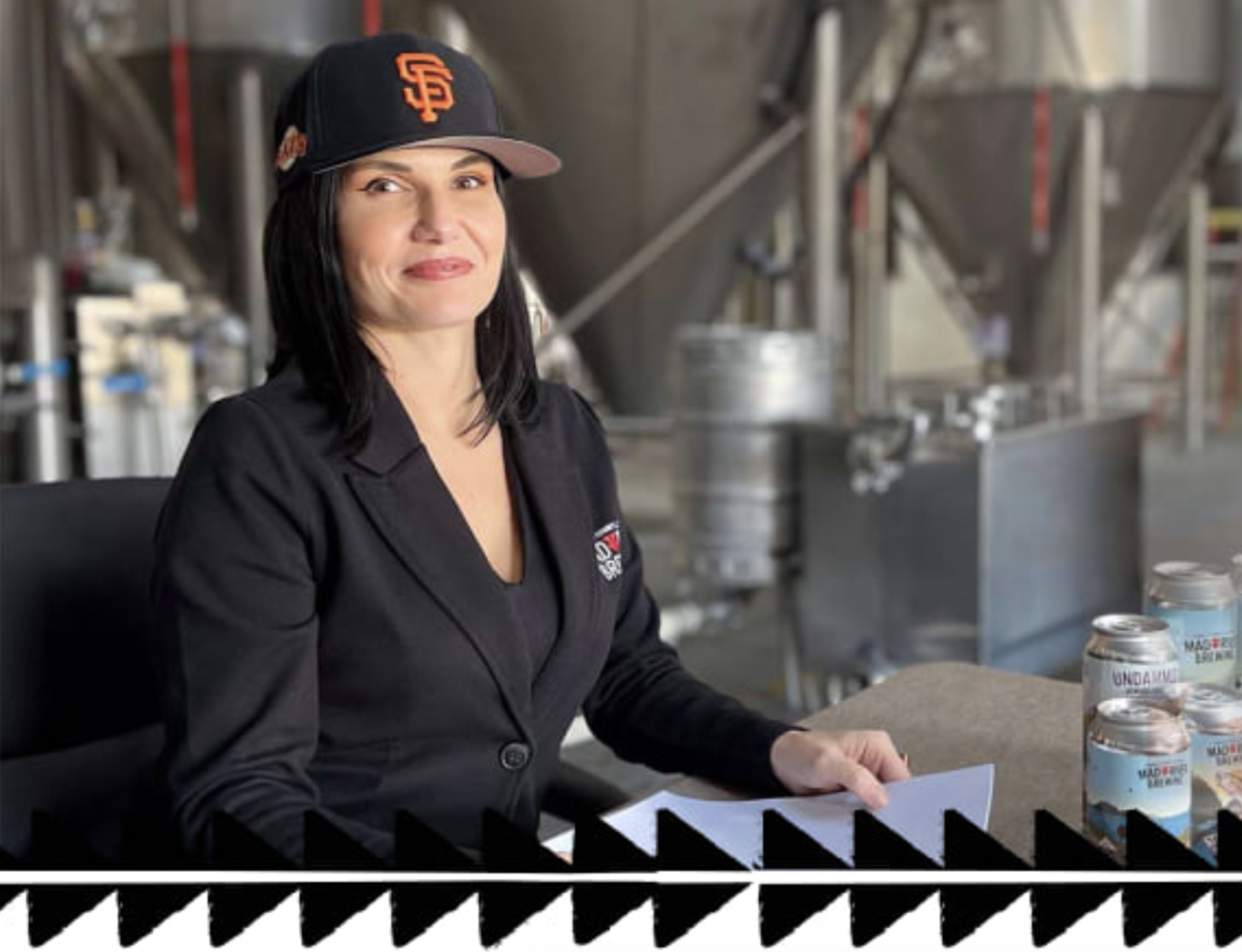
MRB CEO Linda Cooley is ready to play ball! | Submitted
The next time you make a trip down to the Bay for a Giants game, it might not feel so far from home. That’s because, starting this season, Oracle Park in San Francisco will begin serving several of Mad River Brewing’s craft beers, marking the first time a Major League Baseball team will offer brews from a tribal-owned brewery.
More details on the deal can be found in the Mad River Brewery release below:
AMONG GIANTS: MAD RIVER BREWING WILL SERVE CRAFT BREWS IN SAN FRANCISCO GIANTS’ ORACLE PARK FOR 2022 SEASON
Yurok Tribe-owned Mad River Brewing makes history as first tribal craft beer
partnership in League
# # #
After entering pandemic challenges just weeks after the Yurok Tribe’s
purchase of Mad River Brewery in 2019, a bright horizon appears for the award-winning craft
brewery.
Mad River Brewery, an independent craft brewery with a 33-year history of innovation and long list
of prestigious industry awards, is known by craft beer lovers from across the country for their
legendary flagships; Steelhead Extra Pale Ale and Jamaica Red Ale, specialty crafts including barrel-
aged vintages of John Barleycorn Barleywine. The brewery has also been recognized for their
market-disrupting splash in the world of seltzers with their 2021 release of the Undammed line of
hopped hard seltzers.
But all awards aside, Mad River Brewery’s history-making partnership with San Francisco Giants
begins with a call to action and mission to promote the never-ceasing effort to advocate for water,
land, and wildlife, as well as Indigenous recognition. As part of the brewery’s recent rebrand, the
release of each new product is tied to bigger endeavors. Oracle Park will feature a variety of MRB’s
craft brews including Historic State Park IPA, Steelhead Extra Pale Ale, and Undammed
Huckleberry Hopped Hard Seltzer.
For years the Giants have been bringing people together, pouring into communities, and
championing underserved communities through events, investing in youth and education, and
building partnerships with purpose. The Giants have also been the first in the league to champion
many aspects of diversity and inclusion, making them an ideal partner for the tribal owned
brewery.
“There have been dreams that at one time seemed unreachable; finding a tribal product for sale
in a professional stadium was unheard of—until now. Never again can we say that it is
impossible. Not a statue, not a sign, not just a demonstration, but our own product. Not only will
this be the first tribal beer in a professional stadium, but the first tribal product with a tribal
certification.” Said Linda Cooley, CEO, Mad River Brewery. “In one swift motion the Giants are
helping us secure our sovereignty and opening doors that could have never been opened. This
time, we are not being tokenized—we are being supported in our causes, recognized as
Indigenous, here and now, in this time and world that we live in.”
This new chapter for MRB means the sale of these products will truly catapult the efforts they tie
back to, putting them in the hands of those they have never touched. Cooley emphasized, “By
providing this platform, the Giants are assisting in the fight for water, land and for our story to be
told.”
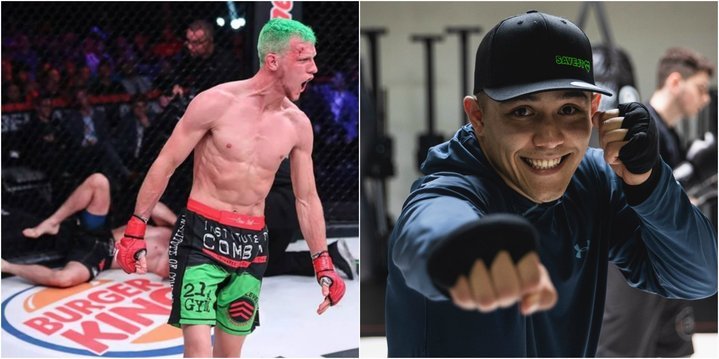
Cass Bell (left) and Tyson Miller (right). | Photos provided by Bell
Arcata’s Cass Bell and Eureka’s Tyson Miller have signed on to fight in separate preliminary bouts at Bellator 277 in April.
This event be the MMA duo’s first return to a spectator-filled arena since COVID-19 shut down much of the sporting world in 2020.
“I am super excited to be fighting again,” Bell told the Outpost. “Finally the fight will be in front of a crowd, which I love.”
The undefeated Miller (2-0) will face off against an also undefeated Shane Keefe (2-0) of Los Gatos, Calif.
The more battle-tested Bell, meanwhile, will look to rebound from two consecutive losses after starting his pro career with an impressive 5-0 run.
Bell is set to fight kickboxer Gaston Bolanos (5-3) of Dublin, Calif. In his last bout against Jornel Lugo at Bellator 256 in April 2021, Bell was stunned by several powerful leg kicks. This time, Bell said he plans to be more prepared.
“He is a kicking machine,” Bell said. “We’ve had everyone [at our gym] throwing kicks at me all day, everyday.”
Bell, a bantamweight, and Bolanos, a featherweight, have agreed to meet in the middle and fight at a weight of 140 pounds.
As usual, Bell has taken to social media to recruit as many Humboldt locals as he can to attend his upcoming match.
“Being able to see the sea of green of all my family and friends helps me keep fighting,” he said. “Especially when I hear my daughter and son yell: ‘Keep going, you’re not tired.’”
Bellator 277 is scheduled for April 15. The preliminary fights will begin at 4 p.m. and will be available on YouTube and PlutoTV.
Back in August we reported, optimistically, that an employee-owned Crescent City business called Hambro may help fill Humboldt County’s bottle-and-can redemption vacuum by getting a new recycling center up and running in Arcata in a matter of just a couple months.
Well, it wasn’t quite that easy, turns out. The regulatory permitting process proved more complicated than the company expected, and so the opening of the center was delayed, then delayed again and again and again.
But today brings good news from Hambro. The company says in a press release that it has been granted an administrative permit from the California Coastal Commission, though the permit won’t become effective until the next commission meeting, at the soonest, on March 11.
Once the Coastal Commission permit is in hand, Hambro can pursue a building permit from the City of Arcata. No target completion date is mentioned in the press release below, but hey, we’ll take any progress we can get.
Friday, February 18, 2022, Hambro Forest Products Inc. was granted an Administrative Permit to open a CRV recycling center at 420 S. G Street, Arcata, California.
The permit will not become effective until it is reported to the Commission at its next meeting on March 11, 2022. If one third or more of [the] appointed membership request (has an objection or needs clarification), the application would be set for a subsequent public hearing.
The permit is granted subject to a list of special conditions. No local permits can be obtained until the Commission issues the Notice of Permit Effectiveness.
Upon receipt of this notice Hambro will file a building permit with the City of Arcata to address building, lighting, electrical, noise, traffic, and stormwater issues.
Hambro continues to pursue the objective of opening a recycling center in Humboldt County.
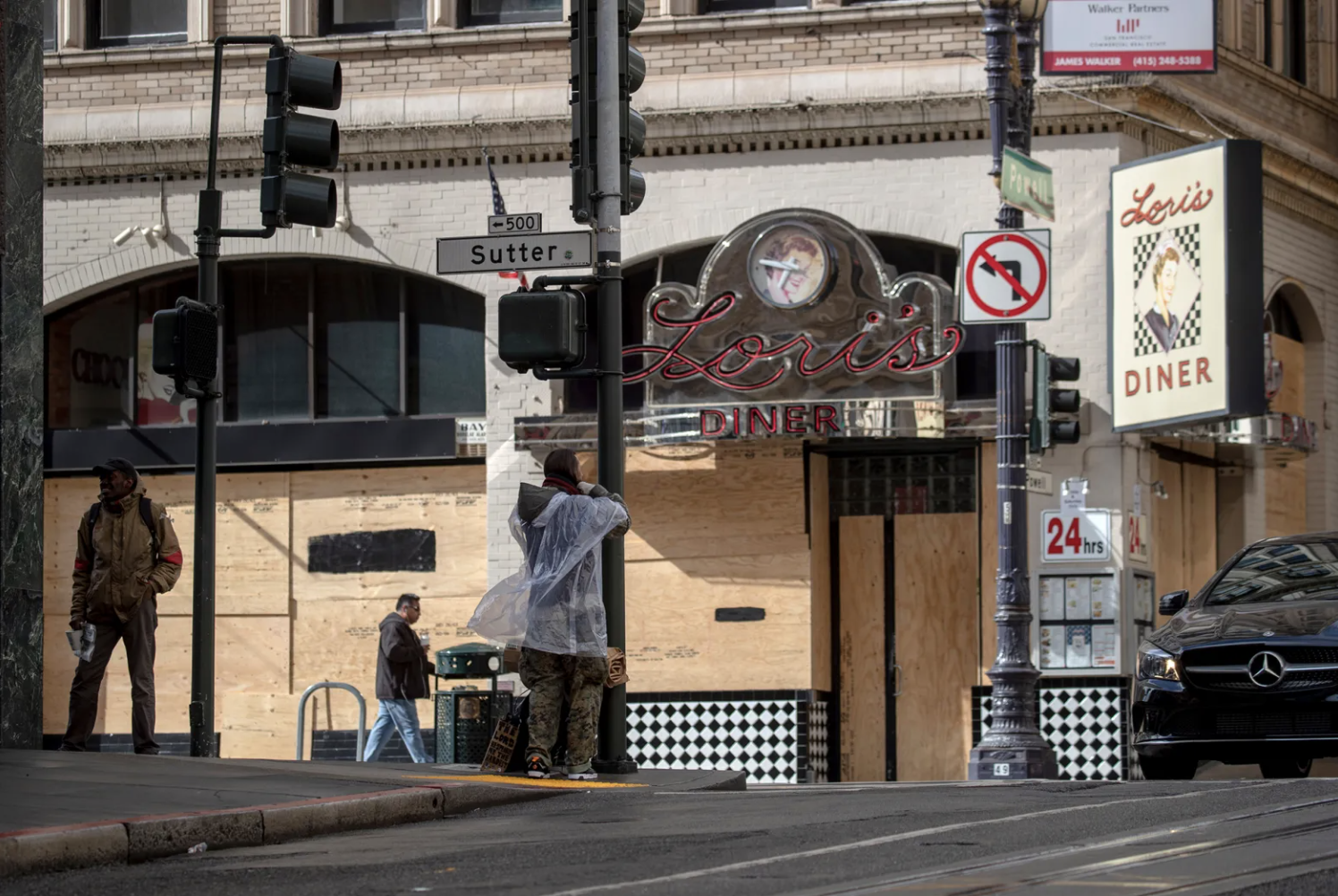
Lori’s Diner on Sutter Street in San Francisco’s Union Square is boarded up as the coronavirus shutdown enters its second week on Tuesday, March 24, 2020. Photo by Karl Mondon, Bay Area News Group
Recessions in California tend to widen the gap between rich and poor. The sharp pandemic downturn of 2020 followed this pattern with low-income workers suffering the most. But unprecedented government relief kept millions from falling into poverty, and demand for labor boosted wages when businesses reopened.
Now with federal and state stimulus payments gone, and the recovery still underway, researchers are combing through employment statistics, as well as large-scale survey data, asking whether the pandemic resulted in a deepening of California’s divide. Three out of the last four recessions — excluding the bursting of the internet stock bubble — increased income inequality in California, the Public Policy Institute of California said.
In coming months the institute expects to have its own inequality measure updated with 2020 data. Many Californians already see economic inequality as a facet of life here, with 69% of residents believing the gap between the haves and have-nots is widening, a November poll by the PPIC found.
“The challenge is that the surveys had a difficult time sampling low-income individuals and households during the pandemic,” Sarah Bohn, a researcher who studies the issue for the PPIC, wrote in an email. “So even though the survey data is available, we are doing extra work to validate the income inequality statistics we typically would have in hand by now.”
‘Further exacerbating inequality’
There are other signs the 2020 recession may have deepened the economic divide, said Somjita Mitra, chief economist for the state Department of Finance. The largest contributor to 2020 state personal income was from government transfers, or essentially stimulus payments. And increases in revenue from high-income earners was enough to offset losses from low-income earners.
“High-income earners are doing exceptionally well, further exacerbating inequality in the state,” she said.
The answer to the inequality question may help shape Sacramento policymaking after a unique recession in which lockdowns resulted in huge job losses, economic stimulus checks buoyed worker paychecks, taxes on capital gains from surging stock market filled state coffers and the rise of remote work reshaped both the state housing market and its economy.
While federal aid may be expiring, Gov. Gavin Newsom said in January that he planned to use the billions of unanticipated tax dollars to help struggling California families. Newsom said he has not ruled out measures such as state-funded stimulus checks like the ones that went to low- and middle-income families last year. Fellow Democrats who lead the Legislature are interested in another Golden State Stimulus, though they have doubts about Newsom’s proposed gas tax “holiday.” Newsom and legislators have already restored paid sick leave for COVID, though workers at smaller businesses are excluded.
In his spending plan, the Democratic governor presented several policies aimed at closing the economic divide, including universal healthcare that includes coverage for the state’s undocumented population, healthcare subsidies for the middle class, expanding paid family leave, establishing a tax credit for families with young children, universal no-cost meals at schools and more money to house the state’s homeless. The state last year also funded a guaranteed-income program, with a $35 million pool to support current or new pilot programs.
California has long struggled with poverty, exacerbated by some of the nation’s highest housing and gasoline costs, though there is evidence progress was notched during the pandemic thanks to government aid. The state had the highest rate of poverty at 15.4%, as measured by the Census Bureau’s supplemental poverty measure, which accounts for housing and transportation costs, as well as government spending and other factors.
Low-income jobs lost during pandemic
From a jobs perspective, low-wage workers bore the brunt of the pandemic recession, the shortest on record. And while low-wage workers are now in high demand, they still have the most ground to make up.
Mitra, of the state finance department, said that before the pandemic, the bulk of the jobs created paid about $20,000 a year, or less, resulting in people needing to work more than one job, or being underemployed. A study last year by the United Ways of California estimated 3.5 million California families didn’t make enough to meet basic needs.
“We were already really seeing a lot of inequality in this state,” she said. “When the pandemic hit, those jobs were the first ones to go.”
There are signs low-wage industries in the state are undergoing important changes. Low-wage jobs such as office administration, security and janitorial services have been slow to recover, likely pushing workers into other low-wage industries, according to an analysis last year by the California Policy Lab, a nonpartisan research center based at the University of California.
Low-wage workers in retail shops, hotels, restaurants, grocery stores and other such customer-facing establishments were hard hit by the pandemic. Meanwhile, the rise in home delivery has accelerated the rise of warehouse jobs, including at Amazon and other online retailers, in pockets of California’s Central Valley and Inland Empire. But there have not been enough of these jobs to make up for the losses, said Till von Wachter, an economics professor at UCLA.
“There are some sectors that have grown, such as transportation and warehousing, but they’re unlikely to have grown enough to absorb that big of a share,” von Wachter said. “They’re also not as ubiquitous as some of these other sectors; if you’re in San Bernardino, that’s a really important industry, but not, say, elsewhere in LA County.”
Inflation, housing hit poor the hardest
A spike in energy prices due to the Ukraine crisis is expected to harm the U.S. economy. Sharp rises in inflation tend to hit poorer residents the hardest, and there is some initial evidence that this is playing out in California.
About 2.6 million California households were participating in the state’s CalFresh program, which provides food benefits to individuals and families with low-incomes. That’s about the same level as the most recent peak in June 2020.
A Valero gas station in Sacramento on Feb. 22, 2022. Photo by Miguel Gutierrez Jr., CalMatters
“Even if people are working again, or more people are working, the cost of food is outpacing their incomes,” said Jacob Hibel, co-director of the Center for Poverty & Inequality Research at UC Davis. “Just having a job is not enough to guarantee that you have enough food to feed your family.”
And with housing prices skyrocketing last year, some people are now being cut out of a traditional route to the middle class, which is owning a home, experts said. Housing affordability, as measured by the number of Californians who could afford a median-priced, single-family home, hit 23% in the second quarter of 2021, according to the California Association of Realtors. That was the lowest point since prices were approaching their highs during the last bubble, in 2007, when 11% of Californians could own a home.That measure had risen slightly, to 25%, by the end of last year, according to the association.
High-income workers, homeowners and people who earn investment income have, on the whole, seen their wealth increase over the last nearly two years, experts noted, likely raising wealth inequality in California. Researchers noted in interviews that the pandemic may have increased inequality in other key ways. Disadvantaged children, for instance, fell further behind academically, widening the achievement gap.
“When you see those kinds of impacts, they can really lock in inequality,” said Hibel, of UC Davis. “It tends to take young people who are either in poverty – or who are experiencing inequalities – and just make it much, much less likely that they’ll be able to climb out of that social stratum when they reach adulthood.”
This article is part of the California Divide project, a collaboration among newsrooms examining income inequality and economic survival in California.
###
CALmatters.org is a nonprofit, nonpartisan media venture explaining California policies and politics.
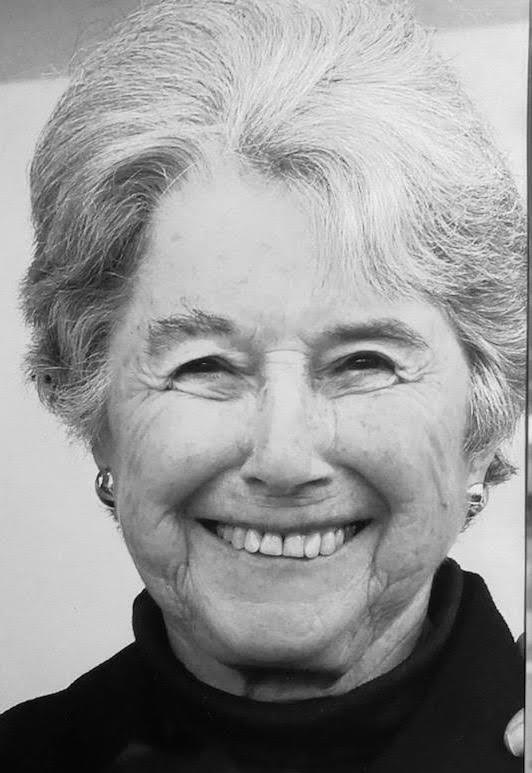
Today we say a sad farewell to the little Jewish lady in the colorful hat with twinkling eyes
and a big smile who died in the early morning hours of February 12, 2022. Ina Lipman
Harris and her twin sister Marilyn were born in New York City on January 29, 1923 to Isaac
Birkhahn Lipman and Helen Phillips Lipman. Ina grew up on a fruit and then chicken farm in
Washington Crossing, New Jersey with twin sister Marilyn, an older sister Norma, and their
eldest sibling Bob. The Lipmans were the only Jewish people in that area. Although
culturally Jewish, they were raised as Ethical Culturists. Practitioners of Ethical Culture
focus on supporting one anther in becoming better people, and on doing good in the world.
With a teaching credential from Trenton State College, New Jersey, Ina taught in New
Jersey, Washington State, Kansas, Missouri, and California. She was a good teacher who
often had differences with the administrators because of her independent procedures. She
liked and respected the students and their parents.
Ina married Noel E. Harris on December 27, 1967 and they were together almost 50 years
before his death in 2017. Noel was the business agent for Plywood and Veneer Local 2931
and Ina began working with him as soon as they were married. Ina was a regular on the
picket lines sharing her thermos of hot chocolate and supporting striking workers for better
wages and working conditions. Ina and Noel shared a loving partnership of ethical and
cultural values. They participated in labor activities, peace movements, and the struggles
against discrimination and prejudice. Over the years they created a grand community of
family and friends and welcomed so many into their home with warmth and love.
In the 1980s Ina and Noel attended Humboldt State University for nearly ten years in the
“Over 60s Program.” Ina took classes in journalism and radio programming while Noel was
mostly a history and political science student.
Ina called herself a “community activist.” She served 10 years on the Humboldt County
Human Rights Commission. She contributed to two KHSU-FM Radio programs: “Through
the Eyes of Women” and “Labor USA: Essays for Yesterday and Today.” She co-chaired the
Humboldt County “Jesse Jackson for President” campaigns in 1984 and 1988. She was an
active member of the NAACP-Eureka Branch since 1959. She was a charter member of the
Community Multi-Cultural Education Committee and served as a board member of the
Mitchell-Redner Homeless Center. She could be seen many Friday afternoons standing with
“Women in Black” at the Humboldt County Courthouse flagpole.
In her later years she loved making and giving bouquets from her garden to the people
who helped her. She wanted them to feel appreciated for the work they did every day in
jobs where often no special thanks was typically given. When gathering flowers for
bouquets became too difficult, she began gaving out fortune cookies.
Ina leaves three children from previous marriages: Niels Pearson (wife Gloria) of San
Clemente; Gail Pearson of Helsinki, Finland; and Leigh Bradford of Iowa City, IA. She is
also survived by Noel’s daughter, Rachel Harris and her partner Bruce Hobson. She had five
grandchildren: Nikki Pearson (husband Ryan Fink), Leif Pearson (fiancé Genie), Lauri
Gardner, Esko Gardner (wife Ida) and Cole Bradford Hotek; and three great-grandchildren
Sointu and Taito Gardner, and Weston Fink.
Due to an autoimmune disease that developed in recent years, followed by several falls,
and then the social isolation brought on by Covid, she eventually became homebound.
Fortunately, she had a core group of loyal friends and family who called or visited her often
and provided loving support in so many different ways: Rachel Harris and Bruce Hobson,
Leigh Bradford, Victoria Onstine, Barbara Kaplan and Dave Woodson, Corinne Frugoni, Kris
and John Onstine, Frank Onstine, Darylla Hager, Lesa Coleman, Nancy Mohney, and Jerryl
Lynn Rubin. Thanks also to photographer Amanda Devons.
Ina was assisted by the PACE program under the caring direction of Dr. Jennifer Heidmann
and nurse Katie Dorn as well as the Hospice of Humboldt team. Special thanks to Ina’s
dedicated caregivers Naomi Llerena, Kristy Kissel, and Jacky Molina who held her hand,
made her favorite foods, rubbed her feet and did everything else they could to make her
last days and nights comfortable. And endless gratitude and love to Rachel Harris who
worked tirelessly through many challenging situations to make sure Ina would stay in her
home and be lovingly cared for there.
Over the years Ina was an inspiration to others, and her own activism was inspired by one
of Jewish scholar Hillel’s philosophies: “If I am not for myself, who will be? If I am only for
myself, what am I? If not now, when?”
A memorial celebration will be held at a later date. Donations may be made in Ina’s name
to Eureka Rescue Mission, Humboldt Library Foundation, or a charity that reflects Ina’s
lifelong dedications.
###
The obituary above was submitted on behalf of Ina’s loved ones. The Lost Coast Outpost runs obituaries of Humboldt County residents at no charge. See guidelines here.
Danita Dawn Holst was born on January 16, 1961 and passed away peacefully on February 17, 2022.
Danita (always known as “DD”) was born in Faribault, Minnesota to John and Dottie Nesseth. She spent her early years growing up in rural Minnesota where she grew up as a “tomboy”, enjoying horseback riding, caring for the farm animals, playing in the snow, and snowmobiling. Her family had a strong Christian faith, so many of DD’s activities were centered on her church, including lifeguarding at their summer camp, along with her older brother Jay (which she really loved).
DD moved to Berthoud, Colorado in 1977, attended Berthoud High, and graduated in 1979. During those years in school, DD was popular and well-liked by all who knew her, was a cheerleader, sang in the school choir, and was especially athletic in track; always the final leg in the 400 meter relay and faster than many of the boys!
The love of DD’s life was Greg Holst, whom she met in high school and then in 1983 at a health club where Greg was an athletic trainer. They married June 15, 1985.
DD and Greg lived in Whittier, CA, 1985 through 1990 while Greg was attending Chiropractic College. They then moved to Denver, CO for Greg to attend and finish medical school in 1995 and then to Fort Collins, CO for his residency in 1998. DD was always a hard worker following high school graduation until she settled on becoming a certified optician which she did for 20 years. Their beautiful daughter Jaynah was then born there on May 12, 1998.
DD’s family moved to rural Phillips County (eastern Colorado) for Greg to pursue his dream of being a rural family physician. DD enjoyed being a mother, made a lot of new friends, continued to enjoy her Church activities and then their wonderful son Sean was born, April 16, 2002. She became a member of an acapella quartet, performing throughout Phillips County and became a member of the local hospital foundation, enjoying helping with fundraising. Her most cherished times at this time in her life continued to be a mother and spending time with family. When the children were young, they would always have a 2-week summer drive trip where they visited many of the state and national parks in the western states. DD especially liked gathering rocks as souvenirs from various sites.
In 2007 DD and her family relocated to Eureka, CA when her husband took a new job at the Eureka Family Practice, the family continued to love outdoor activities, including camping at Ruth Lake with friends and again, summer vacation drive trips. With the children in school, DD decided to work again and worked at St. Joseph Hospital in various capacities – the hospital foundation, pharmacy, and radiation oncology, and worked until she was no longer able.
During her years in Eureka, DD continued to have her faith direct all aspects of her Christian life and sang in her church choir, and above all, put her family above all things. DD was loved by all who had the privilege of knowing her and after so many years of illness, she is now with her Lord and Savior and no longer suffering.
Danita Dawn is survived by her husband, Gregory Holst, M.D., daughter Jaynah Holst and Sean Holst. Her surviving extended family includes Father, John (Linda) Nesseth, Mother, Dottie Browning, Brothers and Sister: Jay (Stacey) Nesseth, Jerry (Tracy) Nesseth, Jason (Lori) Nesseth, and Debbie (David) Benson, along with Father In-law & Mother In-law, Dale & Shirley Holst & many Sister In-laws, Brother In-laws, Nephews and Nieces. DD also had many extended family members in Minnesota (Uncles, Aunts, and Cousins).
The family would like to thank Eureka Rehabilitation and Wellness Center, along with Dr. Lei Han, for the great care DD received while under their care for the last 2 years of her life.
There will be no funeral, but there will be a celebration of life with family in Colorado at a later date.
In lieu of flowers, donations can be made to the Alzheimer’s Association or UCSF Memory and Aging
###
The obituary above was submitted on behalf of DD’s loved ones. The Lost Coast Outpost runs obituaries of Humboldt County residents at no charge. See guidelines here.
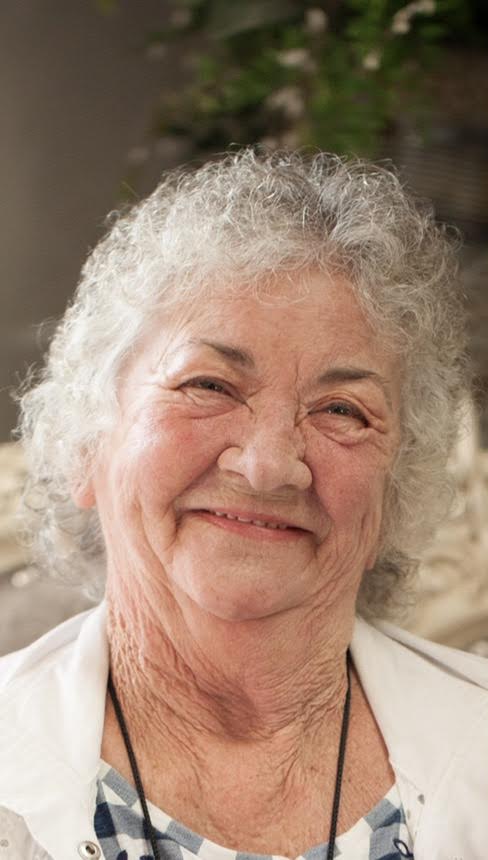
Patricia Barbara Willfong passed away peacefully at her McKinleyville home on February 12th, 2022. Words cannot express the pain and heartache friends and family feel at this time. She was a bright spark in this world and will be deeply missed by many.
Patricia Willfong was a lifelong Humboldt County native. She was born on June 10, 1946 and was adopted at the age of eight by Einer and Norma Olsen of Westhaven. Pat’s father immigrated from Sweden, and her mother, Norma, grew up in Castor Valley, California. Pat was raised in Westhaven on a beautiful property that her parents maintained. She grew up surrounded by the natural beauty of redwoods, weeping golden chain flowers, a lavish rose garden, and a garden that produced an abundance of fruit and vegetables for the entire family. The raspberries were her absolute favorite.
Pat married her high school sweetheart, Duane Willfong in 1962. She was a loving mother to her son Galen Willfong, and daughter Shanell Beyzade. She devoted most of her life helping her husband with their logging business. Pat loved fishing on Ruth Lake while Duane operated the logging company. In later years she spent endless summers with her daughter’s family, camping, fishing for blue gill, roasting marshmallows, and laughing—happy memories that will last the Beyzade family a lifetime.
Patricia was a homemaker whose passion was caring for others. She volunteered as a classroom aide at her children’s school in Trinidad, a committee member and PTA president. Her joy for life and indomitable spirit kept her active at the Westhaven Women’s Club, the Blackberry Festival, and the annual Ladies Club Bingo and Spaghetti Feed. Pat also helped establish and work at the Kebab Café, owned by her daughter and son-in-law Simon.
Patricia was preceded in death by her parents Einer and Norma. She is survived by her daughter Shanell and son-in-law Simon, granddaughters Jeyda, Tibel, and Ashkim Beyzade, great grand- children Liam Haggard and Jayden Anderson; her son Galen Willfong, and his children Christopher, Mackenzie, Colton and Garrett.
Pat loved butterflies. They would always land on her whenever she was outside. She would tell her family that in the next life, she would become a beautiful butterfly and they would remember her like this. Pat will be greatly missed by all those that she’s left behind, She was one-of-a-kind, and to be loved by her was to be truly blessed, While her family grieves her passing, they choose to remember her in a way that honors her free-loving spirit. The following poem was written by her great e granddaughter Jeyda.
You were a butterfly I’d chase you thru the raspberry garden from time to time Golden chain trees clovers to my knees A child’s dream yah we had it good You always made sure I had a soft place to fall Your love was a solid one and a bond only which you and I would know You were my butterfly We’d escape into the trees tell secrets to the bees And catch blue gill on a string We’d Roast Marshmallows on a stick Go Froggin’ at the creek You’d make our catch for supper as you always did Then we’d laugh at the mash potatoes stuck on grandpas chin I thought these times would never end I wished we could do it all over again And again You were my nurturer, my comfort, and my Forever friend You were my butterfly But butterflies must fly south in the wind And for now they’ve carried you away But I know for certain, I’Il see my butterfly again, someday.
There will be a Celebration of Life held in Patricia’s honor at the Westhaven Fire Hall, 446 6th Avenue, Trinidad, on February 26th at 1 PM. Guests are welcome to bring flowers.
###
The obituary above was submitted on behalf of Pat’s loved ones. The Lost Coast Outpost runs obituaries of Humboldt County residents at no charge. See guidelines here.



 A Valero gas station in Sacramento on Feb. 22, 2022. Photo by Miguel Gutierrez Jr., CalMatters