

(PHOTOS) Demonstrators Gather at Humboldt County Courthouse for ‘Bans Off Our Bodies’ Rally
Isabella Vanderheiden / Saturday, May 14, 2022 @ 2:11 p.m. / Activism
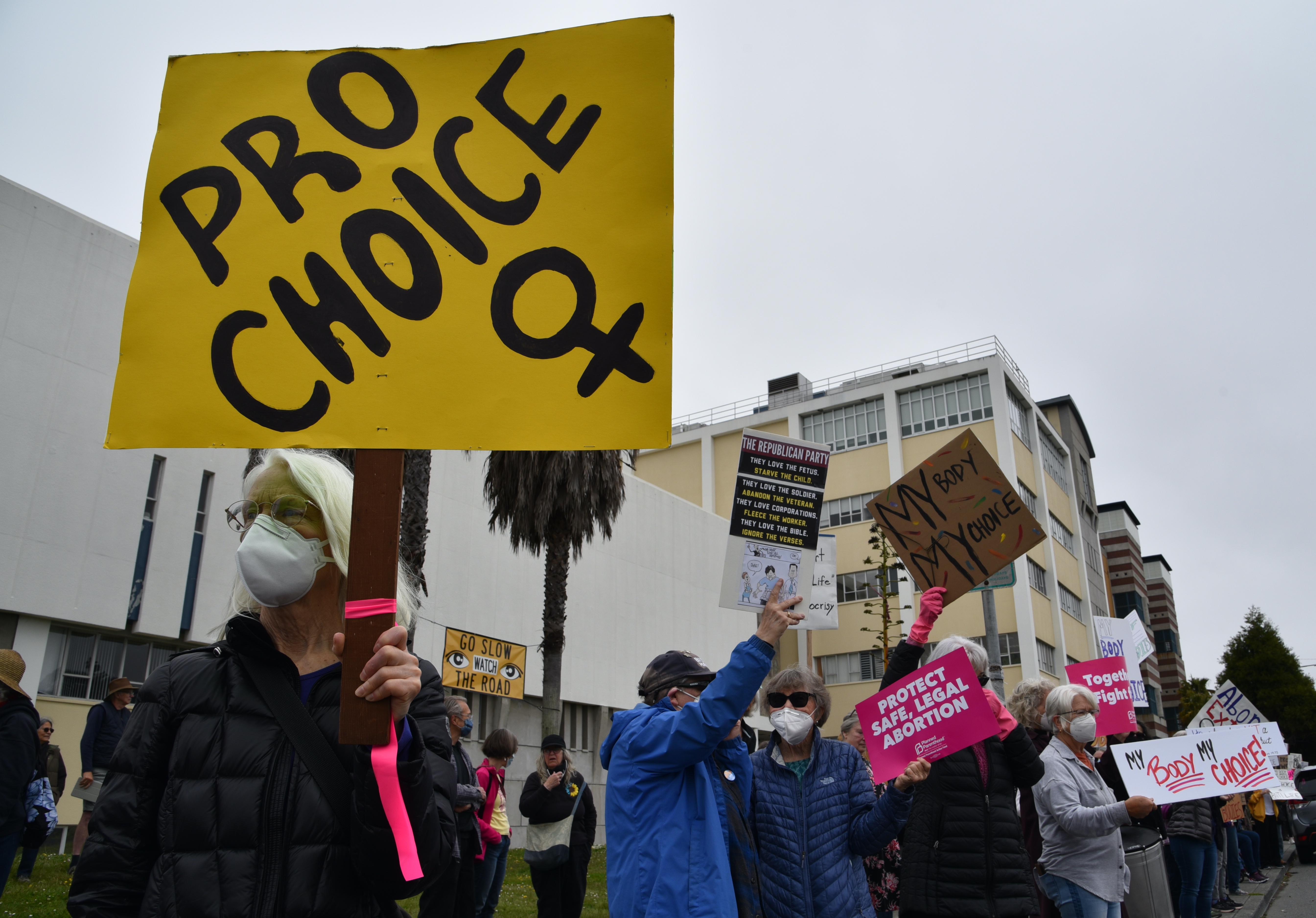
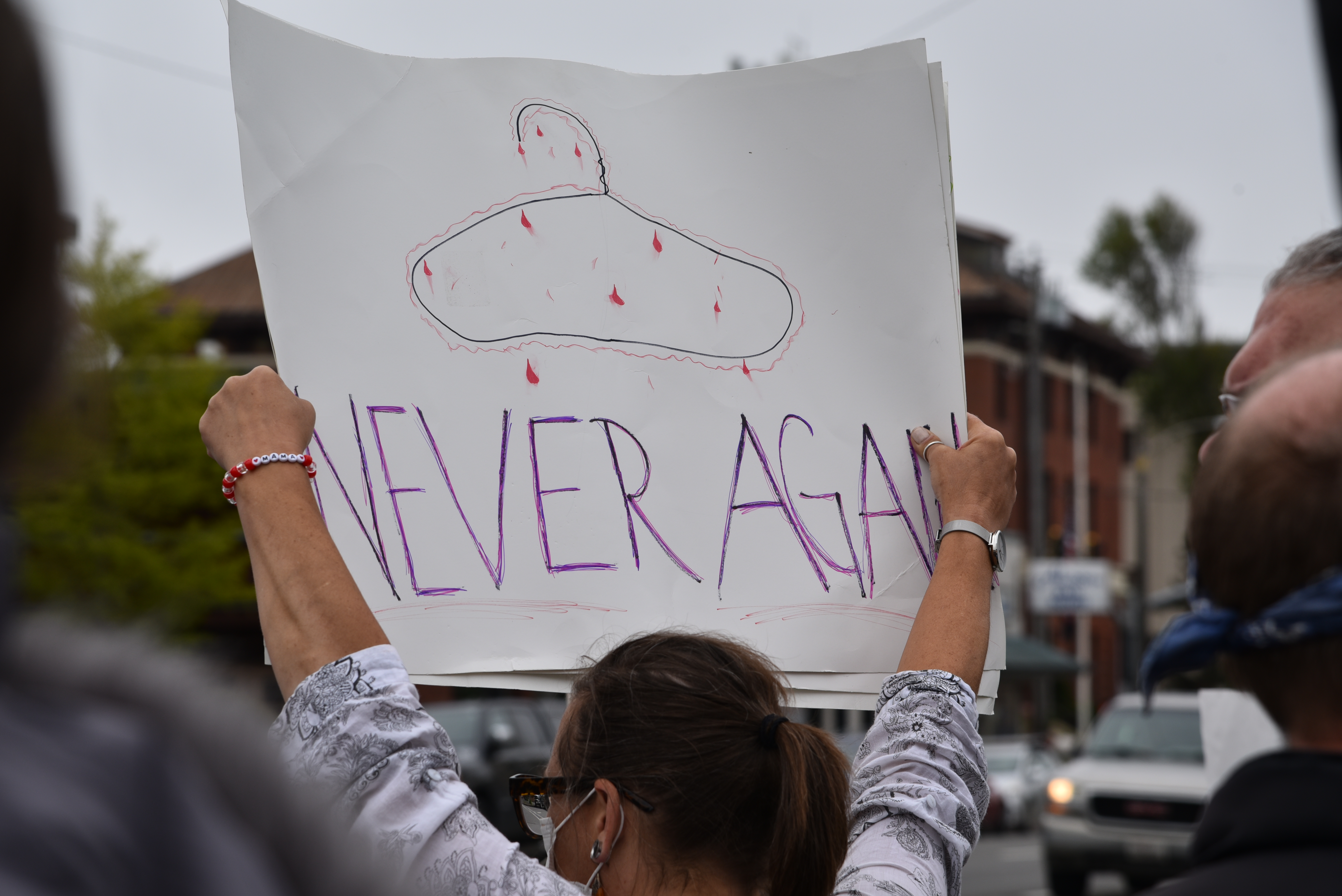
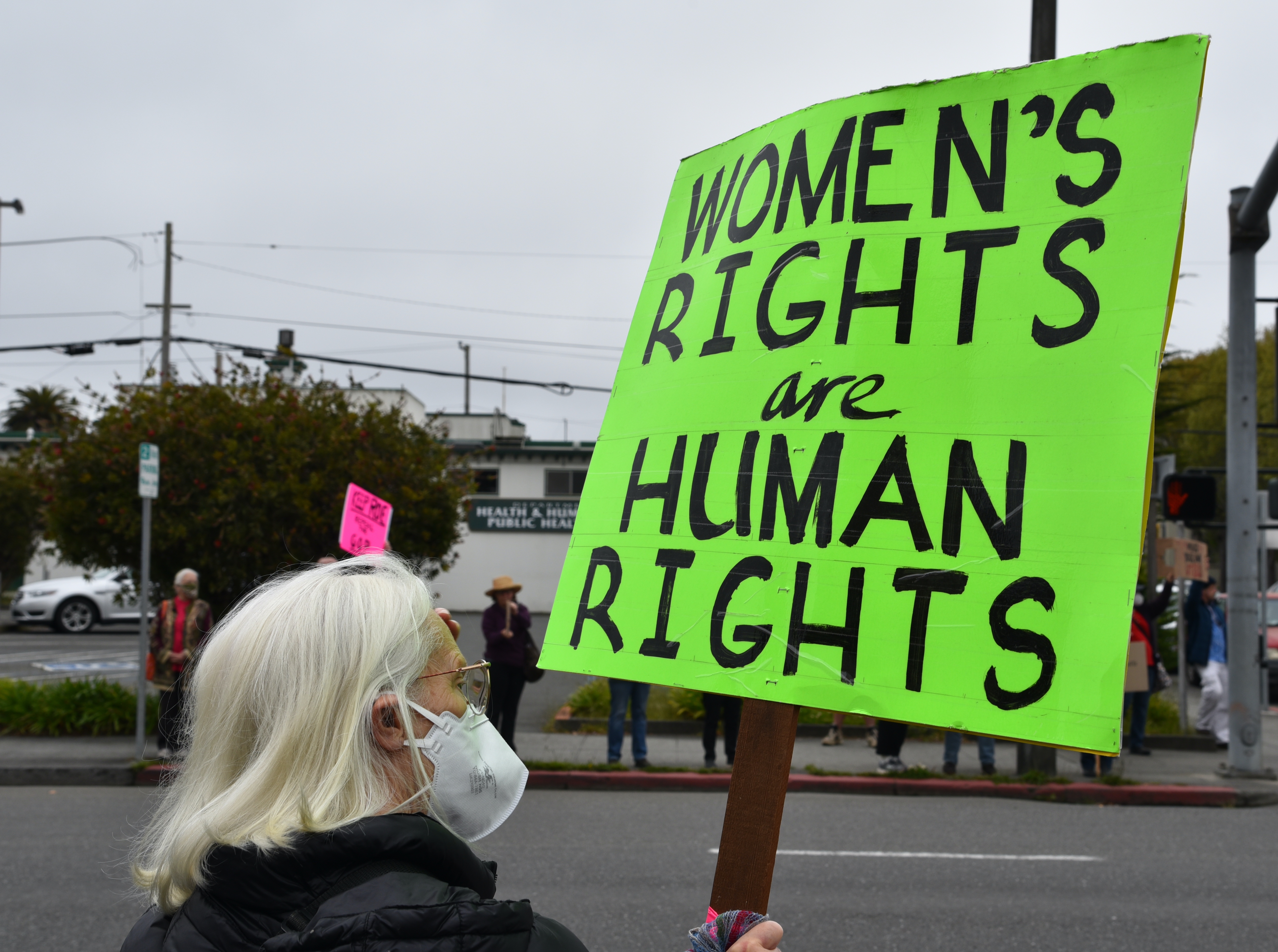
Protestors gathered at the Humboldt County Courthouse on Saturday to rally for abortion rights. | Photo: Isabella Vanderheiden
###
Thousands of demonstrators gathered at events across the country today to defend the right to abortion access and protest recent attacks on reproductive rights. The demonstrations come as a direct response to the recently leaked draft opinion by the Supreme Court that indicated its intent to overturn Roe v. Wade, the landmark court decision that guarantees a person’s constitutional right to have an abortion.
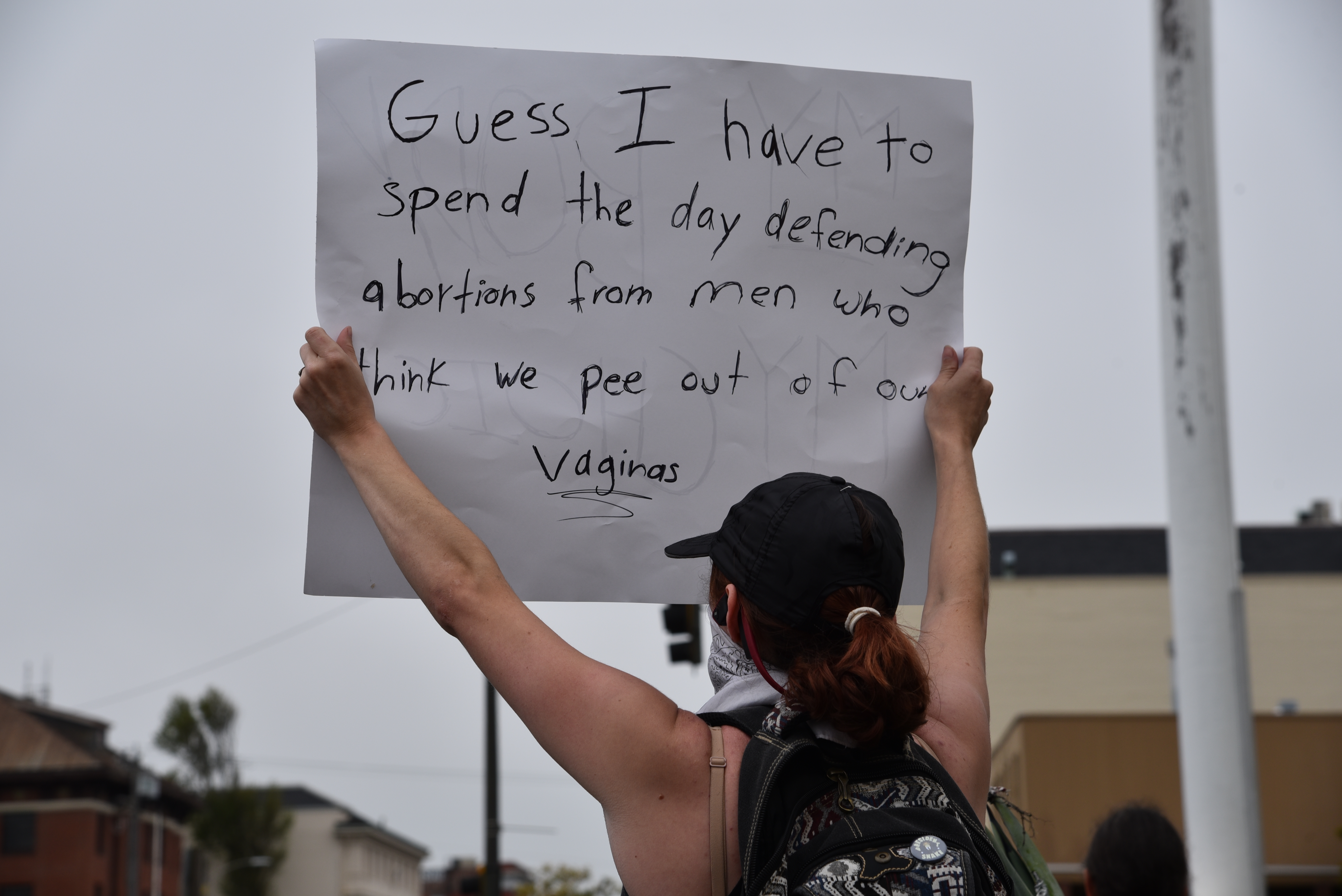
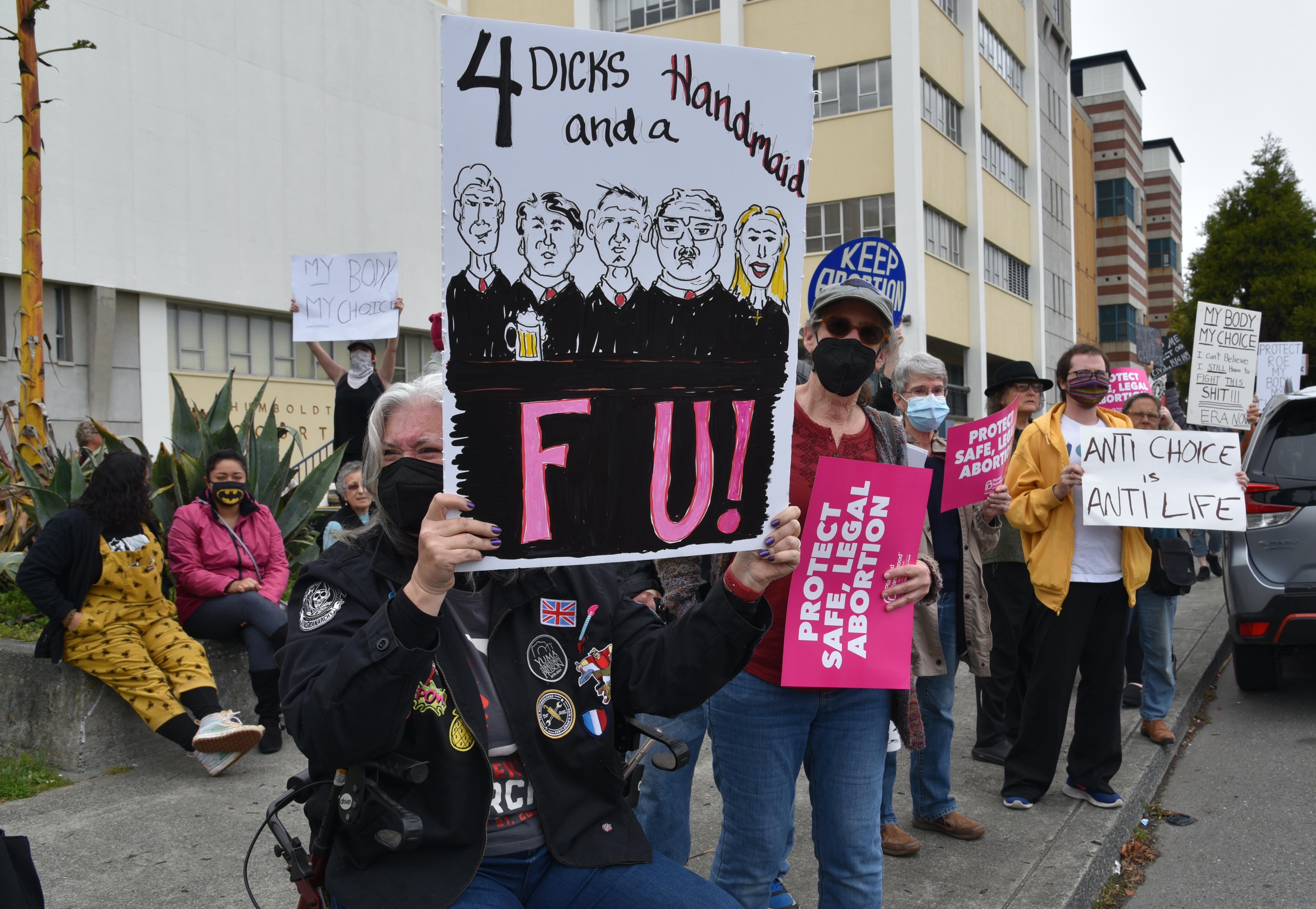
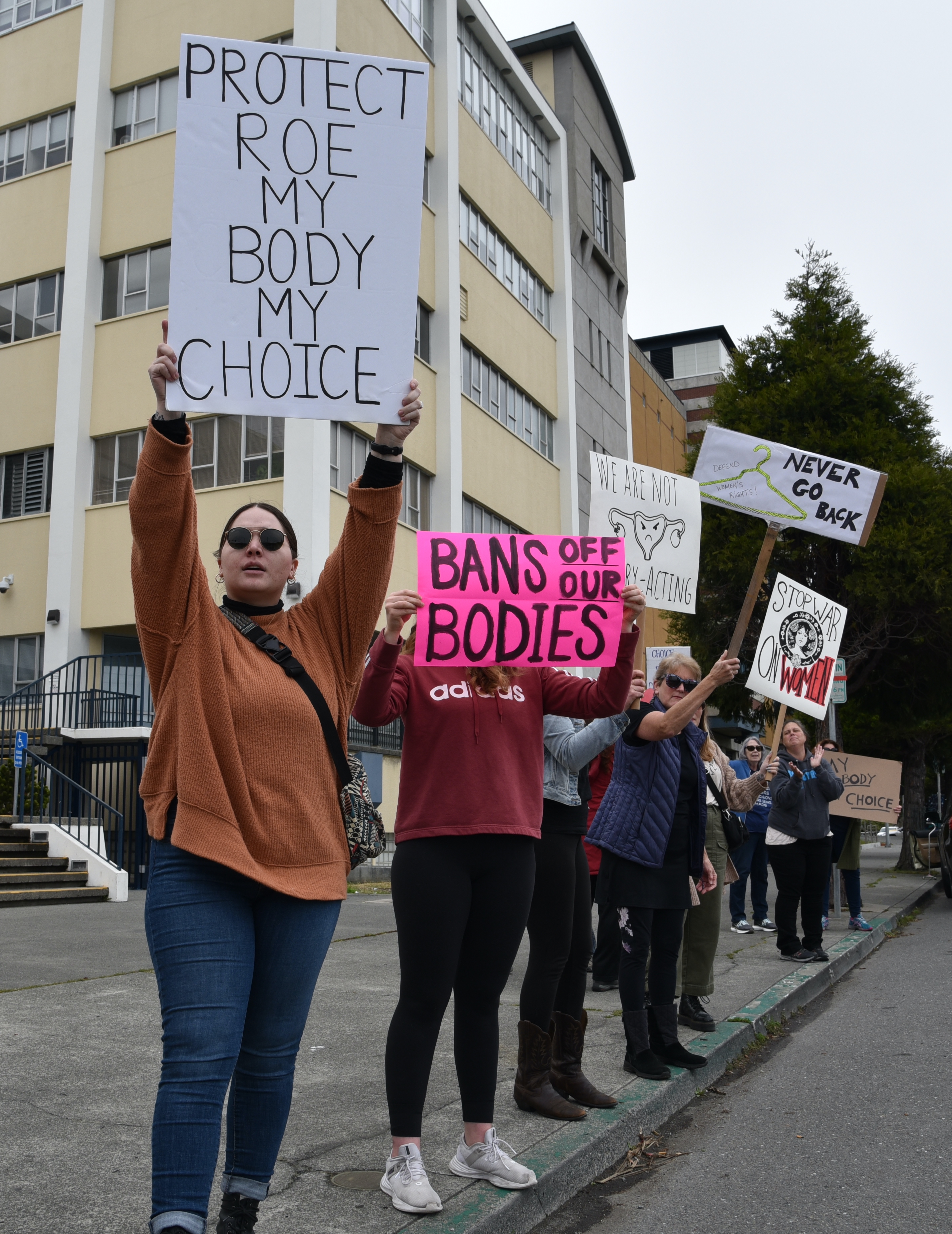
A crowd of roughly 100 people gathered in front of the Humboldt County Courthouse this afternoon bearing signs that read “My Body, My Choice,” “Keep Abortion Legal” and “Protect Safe Abortion” among others.
Scroll down for more pictures of today’s event.
###



BOOKED
Today: 7 felonies, 6 misdemeanors, 0 infractions
JUDGED
Humboldt County Superior Court Calendar: Today
CHP REPORTS
0 Us199 (HM office): Traffic Hazard
10100 Mm101 N Men R101.00 (HM office): Trfc Collision-Unkn Inj
2700 MM199 N DN 27.00 (HM office): Trfc Collision-No Inj
ELSEWHERE
KINS’s Talk Shop: Talkshop September 4th, 2026 – Pam Powell
Governor’s Office: California’s public safety strategy works: Governor Newsom’s commitment helps lower crime as new study shows violence prevention saves lives
Humboldt Last Week: 394: Dorm sex-assault arrest twice, Hoopa homicide teens, trafficking bust, 6-victim abuse case, Miranda suspended, more
OBITUARY: Jennifer Marie Shiro Ayo, 1976-2022
LoCO Staff / Saturday, May 14, 2022 @ 6:56 a.m. / Obits
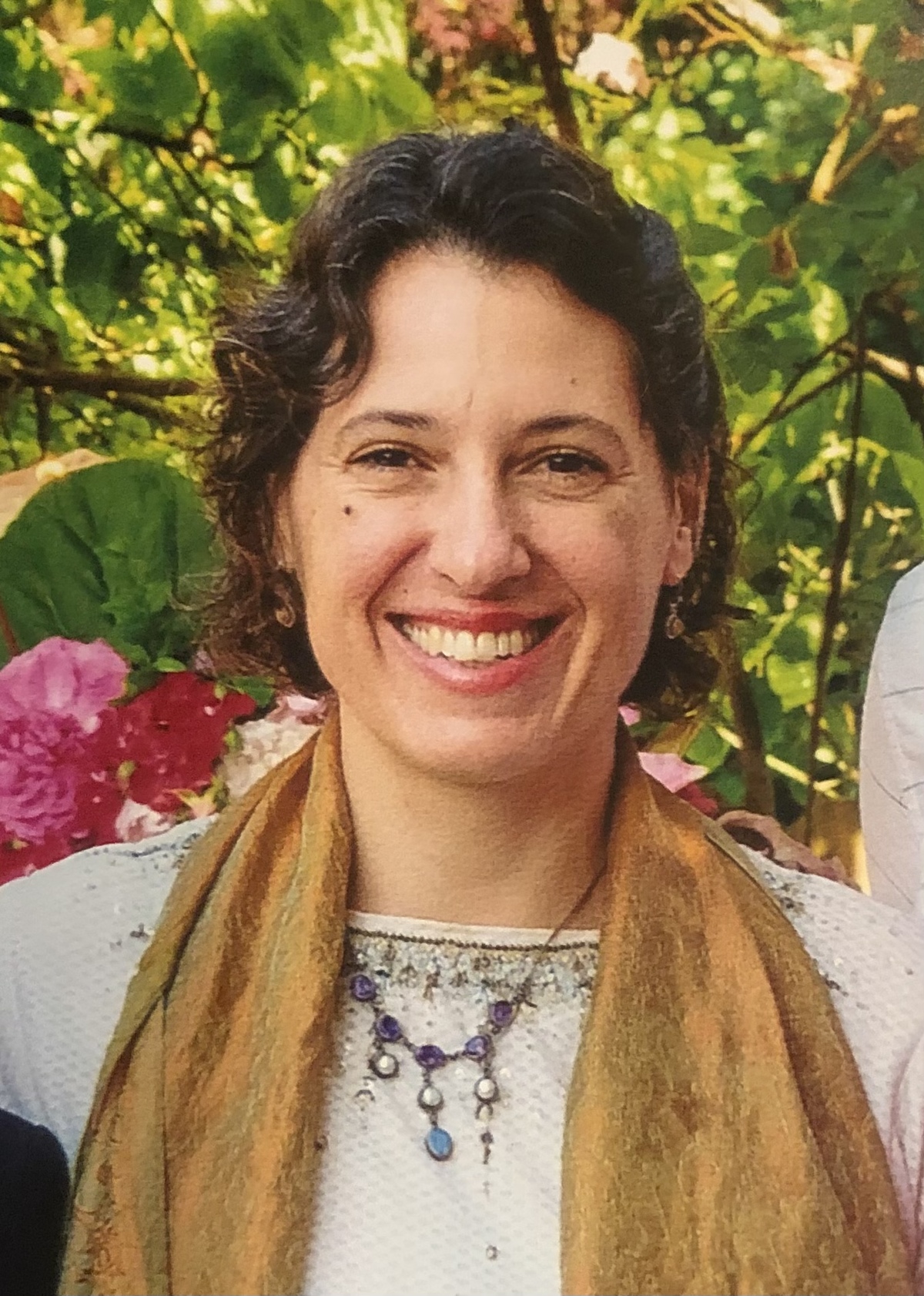
Jennifer Marie Shiro Ayo
October 4, 1976 to April 24, 2022.
Jen (Shiro) is the beloved mother of Ezekeal Zion Ayo (23), Keani Pele Young (16), and Machete Luke Young (15).
She was an artist, a dancer, a generous friend, and a radiant personality that shone brightly in the lives and hearts of those who knew her.
Our loss is great because the joy and goodness that she expressed and provoked in all of us was profound.
Jen is survived by her three children; her parents, Ernest and Sonia Ayo of Saint Francisville, Louisiana; and her three siblings, Jaimee Pangburn, Jeanne-Marie Ayo, and Jonathan Ayo.
There will be an open air memorial and celebration of Jen’s life, Friday, June 3 at 10 o’clock at the North end of Trinidad State Beach. Bright colors are recommended and lots of flowers are encouraged.
###
The obituary above was submitted by Jennifer Ayo’s loved ones. The Lost Coast Outpost runs obituaries of Humboldt County residents at no charge. See guidelines here. Email news@lostcoastoutpost.com.
OBITUARY: Robert Eugene Hatten, 1956-2022
LoCO Staff / Saturday, May 14, 2022 @ 6:56 a.m. / Obits
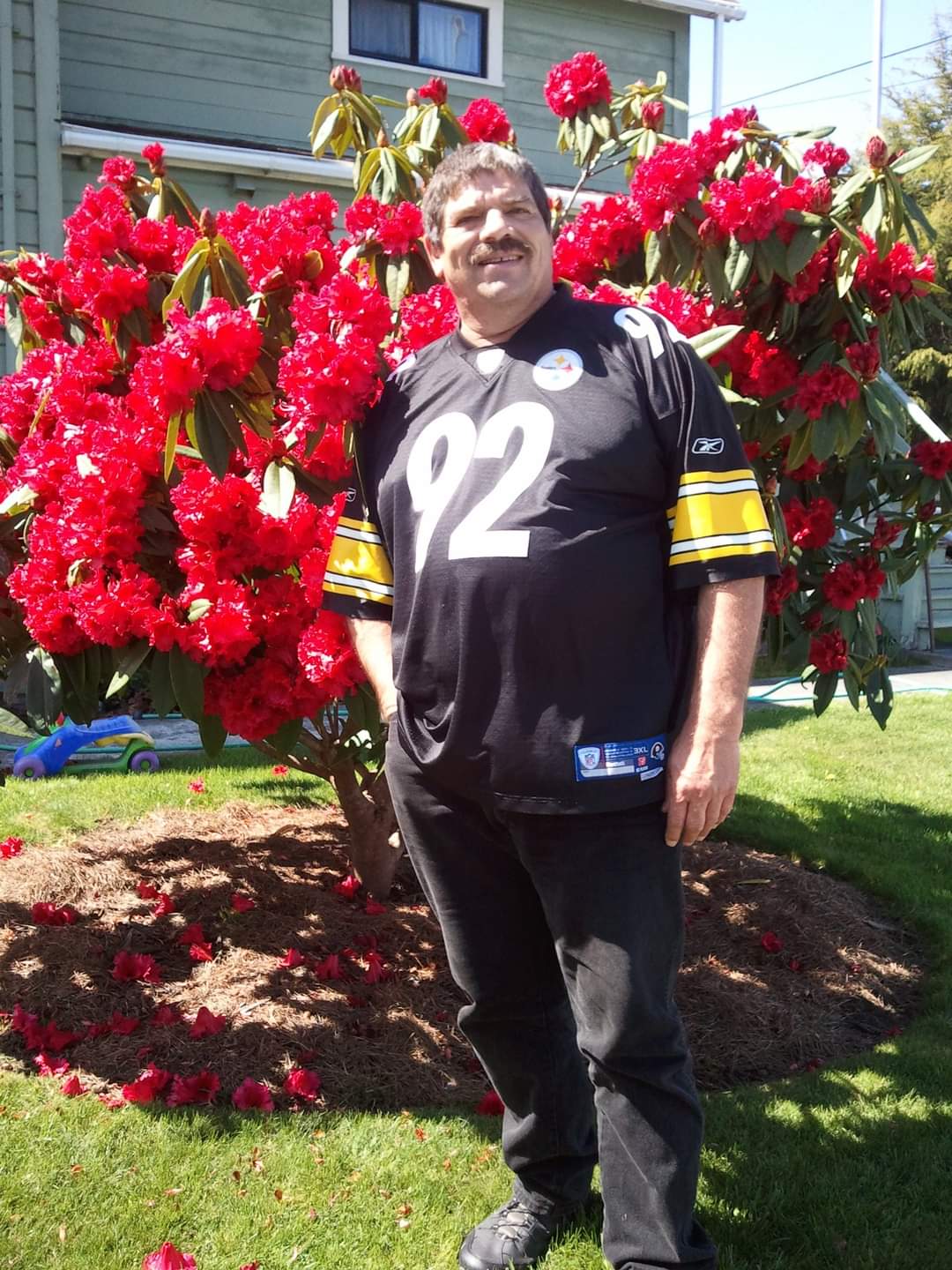
Robert
Eugene Hatten entered this world on July 6, 1956, in Scotia and
departed peacefully on May 5, 2022 in Fortuna. Bob was the sixth of
nine children born to William and Connie Hatten. He grew up in Rio
Dell, attending Rio Dell Elementary and Fortuna Union High Schools,
graduating in 1974. Throughout his younger years, Bob was part of a
bowling league, and played baseball, basketball and tennis. He
started working at the age of 15 where he did everything from washing
windows, shining shoes, to working at the local gas station. After
high school he landed himself a job at the Pacific Lumber Company,
where he worked for 20 years. Bob spent many years loading box cars
at PALCO, where he met many lifelong friends like Elmer Carson and
Ron Posey. Later he went on to work for Davis Towing and a few other
lumber mills.
Bob joined the Rio Dell Volunteer Fire Department in 1978, where he dedicated 22 years of his life, receiving Honorary fireman of the year for 2020.
In October of 1981 Bob married his first wife Crystal Ireland. One year later his daughter Kris was born, and five years later he was divorced.
In August of 1988 Bob married his second wife, Lisa Salmon. He welcomed his daughter Shawna, and helped raise Lisa’s two children, Samantha and Mathew Black. Bob and Lisa separated in 2010.
In 2011 Bob met his current partner, Lauri Smith, whom he remained with until he passed.
Bob’s favorite thing to do in life was spend time with his grandchildren. He was a proud Papa! He enjoyed making people laugh. Anyone that knew Bob, knew he was an avid Steelers fan. He loved spending time taking drives, metal detecting, and collecting coins.
Bob is preceded in death by his father William, brother Mike, sister Mary, and Mother Connie. Survived by his daughters Kris (Jerrad) Johnson and Shawna Hatten; his grandchildren, Cory (Kiley) Johnson, Dylan Johnson, Bailey Hackett, Kaydence Hackett, and Vincent Hackett; great granddaughter, Marleigh Johnson; his siblings John Hatten, Kathy(John) Waddell, Debbie(Mike) Green, Barbara (Brad) Sauers, Betty Clutts, Linda (Vernon) Broyles, Kathy (Jerry) Yarbrough, Bill (Bailey) Hatten; his numerous nieces, nephews, and great nieces and nephews; his partner Lauri Smith, her son Nigel (Trisha) Smith, and their children Braden and Rylie Smith; his best friends Bill and Deb Jeffries, and so many more.
There will be a private graveside service, followed by a celebration of life on June 4, 2022 at 1 p.m., at the Rio Dell Fire Department. Please bring your favorite Bob stories. This will be an ALCOHOL FREE event. Thank you for understanding.
###
The obituary above was submitted by Bob Hatten’s loved ones. The Lost Coast Outpost runs obituaries of Humboldt County residents at no charge. See guidelines here. Email news@lostcoastoutpost.com.
OBITUARY: Glenn Cleveland Wilcox, 1930-2022
LoCO Staff / Saturday, May 14, 2022 @ 6:56 a.m. / Obits
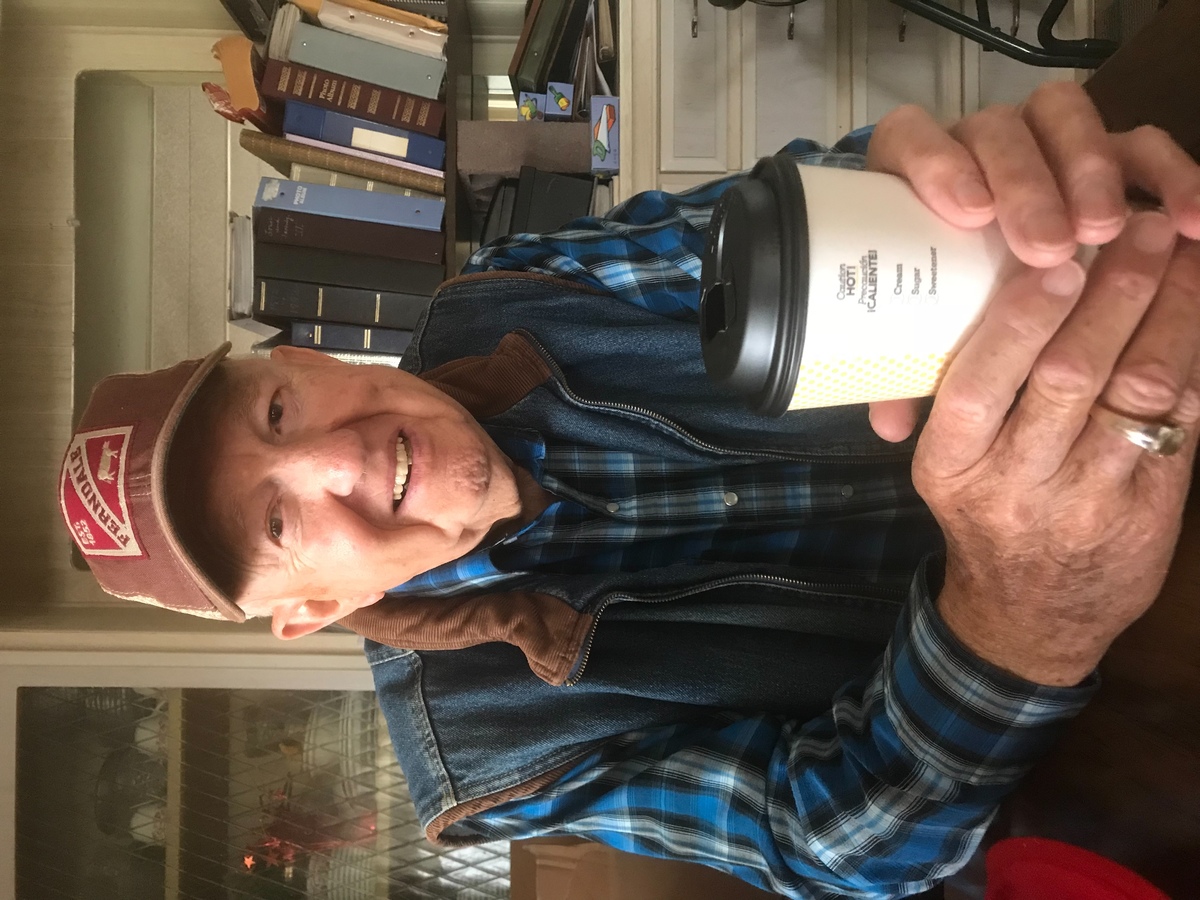
In loving memory of our dad, Glenn Cleveland Wilcox, who went to be with
the Lord on May 10, 2022.
Glenn was born in Montpellier, Idaho in July 17, 1930 to John Cleveland Wilcox and Sarah Williams (Wilcox). He grew up in Murtaugh, Idaho. After graduating high school Glenn joined the Army and served from 1951 to 1953. Shortly after he met the love of his life, Ethel May Brinker (Wilcox). They married October 3, 1953.
Soon after they married Glenn moved to Rio Dell to look for work in Scotia at Pacific Lumber Company. He was hired and worked three years before before being homesick for Idaho and returning there to work in the potatoes and other farms for about a year and a half.
It was then 1959, and Glenn and Ethel and their daughters Rebecca and Esther returned to Rio Dell, where dad was hired right away at PL, where he worked for 40 years before retiring in 1996.
After retiring Glenn and Ethel moved to Fortuna, where they lived for 25 years. Over those 25 years they have enjoyed many family reunions, visiting children in Vermont, Oregon and Idaho.God and church family were also a big part of their life.
Glenn is preceded in death by his parents, John C.Wilcox and Sarah M.Williams (Wilcox) and five siblings — Richard Wilcox, Robert Wilcox, Wendell Wilcox, Paul B.Wilcox, Kay Wilcox (Brinker)
Glenn is survived by three siblings — Betty Wilcox (Brown), Carol Wilcox (Laughter), Calvin Wilcox; five children — Mort Thompson (and Tina), Rebecca Wilcox (and Laloli) and Dale, Esther Wilcox (Smith) & Steve, Julia Wilcox (Davis) & Gary, Sarah Wilcox (Sheldon); eight grandchildren; 17 great-grandchildren and numerous nieces and nephews.
A viewing is scheduled for Friday, May 20 from 1-5 p.m. at Gobles Mortuary in Fortuna. Graveside service will be Saturday, May 21 at 1:15 p.m. at Sunrise Cemetery in Fortuna.
The family invites you to a reception following the service at the Fortuna Church of the Nazarene Fellowship Hall.
In lieu of flowers donations can be made to Eureka Rescue Mission.
###
The obituary above was submitted by Glenn Wilcox’s loved ones. The Lost Coast Outpost runs obituaries of Humboldt County residents at no charge. See guidelines here. Email news@lostcoastoutpost.com.
OBITUARY: Andrew Erickson Jr., 1932-2022
LoCO Staff / Saturday, May 14, 2022 @ 6:56 a.m. / Obits
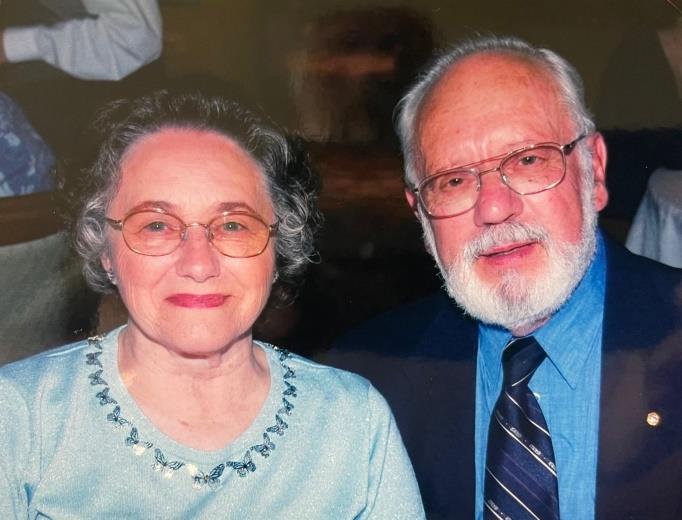
Andrew Erickson Jr. passed away peacefully at home in Fortuna on April 21,
2022.
Andrew was born April 4, 1932, to Andrew Erickson Sr. and Lilian (Hanson) Erickson in Liverpool, England. He attended Walton Lane Primary School where he met the love of his life, Joyce Woods, in 1938. Andy spoke often of his life during World War II and loved sharing stories of his survival during the bombings and gun attacks on England during the war. Andy attended apprentice school and earned a certificate as a carpet planner and was very active in his church youth group. At the age of 17, Andy came to the United States to work with his father. His first job was at Bertain’s Laundry where he worked until he enlisted in the United States Army.
Andrew returned to Liverpool, England on furlough from the Army to marry the love of his life, Joyce Woods, on February 6, 1954. They courted through letters while Andrew was stationed in Germany. Three months later Andrew and Joyce started their new life together in Rio Dell, California in 1954. As children were born, they moved to Scotia, California (20 years) and then built a house in Fortuna. Andy worked for Pacific Lumber Company for over 30 years starting out in the factory and eventually joined the paint crew. He was also a Scotia Volunteer fireman and a Boy Scout leader for many years.
Andrew and Joyce loved to travel. They traveled to Panama, Italy, Spain, England, Wales, Mexico and Alaska. Besides traveling, Andrew was involved in the Lions Club and created a Lion’s brotherhood with the Formby Lions Club in Formby, England. Andy was recognized for his exemplary leadership in the Lions Club. He received the District Governor’s Appreciation Award, Lions President Award, Regional Chairman Award, Lion of the Year, Melvin Jones Fellow Humanitarian International Services Award, and special recognition for District Bulletin Editor. Andrew and Joyce were representatives of the Fortuna Chamber of Commerce, Fortuna Ambassadors of 2016, where people referred to him and Joyce as “the Couple.”
Andrew is preceded in death by his wife, Joyce, parents Lily and Andrew Erickson Sr., brother Fred Erickson, grandson Tyler Duncan, and son-in-law Reggie Duncan. He is survived by his children Timothy (Maurina) Erickson, Valerie Erickson-Duncan, Jeffrey (Sherrin) Erickson, and Diane (Kelly) Black. Grandchildren Adam (Linda) Erickson, Scott Erickson, Maia Duncan, Ian (Gabi) Erickson, Sarah (Matthew) Escoto, McKenna (Matt) Munoz, and Drake Bristol; and great grandchildren Zackary Erickson, Madison Escoto, and Baby Munoz; sister Jean George, brother Ronald Erickson and numerous nieces and nephews.
A Celebration of Life for Andrew and Joyce will be held on May 28, 2022, at Sunrise Cemetery, 3315 Newburg Rd., Fortuna, at 11 a.m. Reception immediately following at the Fortuna Presbyterian Church of the Redeemer, 1431 Ross Hill Road, Fortuna.
In lieu of flowers, memorial donations can be made to the American Heart Association or St. Judes.
###
The obituary above was submitted by Andrew Erickson’s loved ones. The Lost Coast Outpost runs obituaries of Humboldt County residents at no charge. See guidelines here. Email news@lostcoastoutpost.com.
Arcata City Council to Consider Disciplinary Action, Including Possible Restraining Order, Against Councilmember Brett Watson in Response to Sexual Harassment Investigation
Stephanie McGeary / Friday, May 13, 2022 @ 4:11 p.m. / Local Government
Following the recent release of an investigation concluding that Arcata City Councilmember Brett Watson committed sexual harassment against a female city staff member, the Arcata City Council will consider possible remedial actions against Watson, including censuring him, stripping him of his committee assignments and pursuing a restraining order.
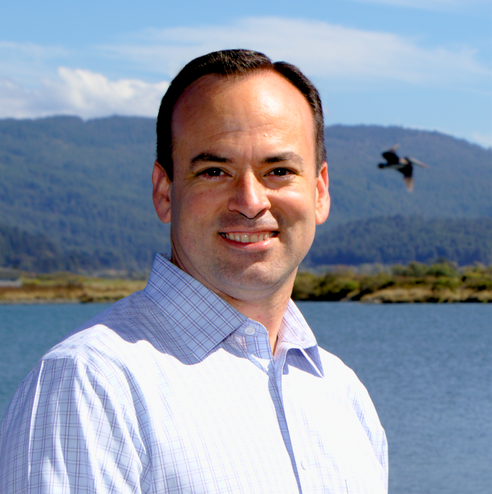
Under “normal circumstances,” the city staff report states, corrective actions an organization could take in this situation would include demotion, suspension, reduction of salary or termination of the employee. But given that those are not options for a councilmember, the city must consider other alternatives. During a meeting next week, the council will be presented with several options outlined by the city’s employment counsel, Thomas O’Connell. According to the staff report, O’Connell recommends “at the minimum, that the City pursue a restraining order against Councilmember Watson.”
The 600-plus-page investigation report was issued on April 12 by Kramer Workplace Investigations, a Bay Area firm retained by the City, and includes testimony from multiple witnesses and several hundred pages of documentation related to the allegations, including emails and texts between Councilmember Watson and the staff member. The investigation report concluded that it is “undisputed” that Watson engaged in inappropriate behavior with the staff member and that his conduct was “motivated by his romantic interest” in her.
One thing the investigation did not include, however, was an interview with Watson himself. According to the report, investigators made multiple attempts to reach Watson for an interview through several different attorneys he retained between January and March of this year, and were ultimately unsuccessful in gaining his cooperation. Following the release of the report, Watson issued a statement rejecting that claim and saying that he made himself available to the investigator, but was denied a request for “reasonable accommodations.”
Reached by the Outpost this afternoon, Watson offered a more detailed explanation of his communications with the investigator. Because Watson suffers from both a learning disability and anxiety that make it difficult for him to respond to questions immediately, he said, he requested through his attorney that the investigator submit the interview questions in writing. Watson wanted to then respond in writing and would be open to a follow up interview in person.
Watson told the Outpost that, citing a separate email Watson had sent to city staff stating that it is difficult for him to type because his medication causes his hands to shake, the investigator would not accommodate Watson’s request. “They basically said, ‘well if you can’t type, how will you respond to written questions?’’’ Watson said, adding that he thought that was a “ridiculous question” because he could dictate and have somebody else type for him.
According to the staff report, the employment council notified Watson on April 26 of the results of the investigation and the city’s intention to take necessary actions to protect the employee. Watson was also advised that “in the course of the aforementioned investigation, the City became aware of additional allegations of inappropriate conduct by you towards other staff members including, but not limited to, engaging in further sexual harassment and create [sic] a hostile work environment.”
Based on that finding, the city asked that Watson cease all contact with city staff outside of normal working hours and also asked that he sign an acknowledgment of the receipt of the investigation findings and “agree to abide by the city’s requests.” The staff report states that Watson has not signed the acknowledgement and has “declined to stop engaging in the aforementioned communications or interactions with staff.”
In response to this, Watson told the Outpost that he has followed all the city’s guidelines in regard to contact with city employees and has initiated no contact with the employee who accused him of sexual harassment. Watson added that he thinks the investigation was poorly executed and that moving forward he plans to “vigorously defend himself.”
Watson also maintains his innocence and said that he had a mutual relationship with the staff member and that it came as a complete surprise to him when he was accused of harassment.
“We had a very close relationship,” Watson told the Outpost. “She was like a second mother to me. She told me she was my big sister.”
The Arcata City Council will meet on Tuesday, May 17 at 6 p.m. you can view the agenda and directions on how to participate here.
###
PREVIOUSLY:
- Arcata Mayor Brett Watson Arrested for DUI, Drug Possession Late Last Night
- Arcata Mayor Brett Watson Issues Statement on His Arrest for DUI, Drug Possession
- Is Arcata Mayor Brett Watson Being De-Mayored? Amid Mysterious Circumstances, Arcata City Council Calls Special Meeting to Elect New Mayor and Vice-Mayor
- Arcata City Council Casts Vote of ‘No Confidence’ in Brett Watson, Removes Him as Mayor
- Arcata City Councilmember Says He’s Entering 30-Day Rehab Program to Deal With Personal Issues; Will Make Decision About His Future as Public Servant at a Later Date
- Residential Rehab Program Completed, Former Mayor Brett Watson Rejoins the Arcata City Council
- City of Arcata Announces It is Investigating Allegations Against Councilmember Brett Watson
- Arcata Councilmember Brett Watson Reveals That He Suffers from a Learning Disability as Mysterious Investigation Continues to Limit His Access to City Staff
- (UPDATE) Investigation Sustains Sexual Harassment Allegations Against Arcata City Councilmember Brett Watson; Former Mayor Was ‘Obsessed’ With Staff Member, Report Finds
Why Was Adrian Kamada Fired From the DA’s Office? The Candidate and the Current District Attorney Disagree.
Ryan Burns / Friday, May 13, 2022 @ 3:05 p.m. / Elections , Local Government

Adrian Kamada is one of three candidates running to become Humboldt County’s next district attorney. | Campaign photo.
###
Why was Adrian Kamada fired from the Humboldt County District Attorney’s Office?
Kamada, a deputy public defender who’s running to become the county’s next DA, was asked that question by an Outpost reader in our LoCO Elections forum last month. In response he said he’d been asked to resign after he “spoke truth to power” and was terminated when he refused to quit.
A couple days later, another Outpost reader challenged that account and asked Kamada if he’d be willing to waive his right to confidentiality so that the county could release personnel documents regarding the circumstances of his termination.
Kamada offered his own account of those circumstances in a lengthy and defiant response in which he agreed to waive his right to confidentiality.
It took a while for those documents to actually get released, though. The Outpost requested them on April 19, but District Attorney Maggie Fleming said Kamada’s “waiver” statement was somewhat ambiguous, and the county’s Human Resources department needed him to actually sign a release. Kamada had concerns about doing so. He told the Outpost he wanted to review the file beforehand to make sure nobody in the DA’s Office tried to add something to it. “[I’m] a little sketched that they’ll do something a little shady,” he said in a text.
After reviewing the file in person, Kamada had objections to the way some documents had been “selectively redacted” and to the fact that Fleming had written notes in the margins of one memo. Kamada wanted some email communications to be included and so he filed a Public Records Act request, after some back-and-forth with the HR department he learned that the process to get those emails could take weeks. Kamada finally signed the release this past Wednesday, which, coincidentally, was the two-year anniversary of the day he’d been fired.
The disagreement
The documents in his file include two lengthy memos from Kamada and a shorter one from Fleming. In those memos, and in interviews conducted earlier this week, Kamada and Fleming disagree about the ethics and legal ramifications of some of Kamada’s behavior while working as lead prosecutor on a brutal homicide case that involved kidnapping, arson and rumors of more bodies buried on a remote property in Southern Humboldt.
Kamada says the case was marred by shoddy police work from the Humboldt County Sheriff’s Office, and that Fleming’s objections to his own investigative work revealed that “she did not know the basic criminal law concepts at play.”
Fleming, meanwhile, says Kamada violated office policy, as well as ethical standards of the profession, by speaking to an anonymous informant alone and off the record, thereby jeopardizing the integrity of the case and risking its dismissal.
This was the case of Ryan Tanner, an illegal cannabis farmer from Ettersburg. Tanner was sentenced last month to more than 39 years in state prison for shooting and killing 33-year-old Jason Todd Garrett during a violent, paranoid rampage in February 2020. On the campaign trail, Kamada has expressed disbelief that Tanner got off so easy, agreeing to Fleming-approved plea deal in which he pleaded guilty to kidnapping, arson and voluntary manslaughter, not murder.
“Voluntary manslaughter for slicing a man’s throat, forcing him into a bathtub, and shooting him in the head,” Kamada remarked with incredulity. He said that under California law, Tanner is likely to serve just 26 of his 39-year sentence.
Fleming, in turn, says the plea deal was a justifiable and wise course of action, in large part due to concerns about how a jury might respond to key prosecution witness Chris Champagne, whose testimony in preliminary hearings proved hallucinatory bordering on unhinged. (For example, he falsely claimed that Tanner had also murdered six law enforcement officers after killing Garrett.) Fleming said it wasn’t worth the risk of taking the case to trial.
“The issue with inexperienced prosecutors — and I include Kamada in that category — is that if we had tried that case and jurors did not find our star witness to be compelling, and they hung [during deliberations], it would be much harder for us to negotiate a resolution,” she said. “That was a factor we had to consider.”
Working the Tanner case
Regardless, it’s not the outcome of the case but rather Kamada’s handling of it in the early days that caused the fallout between him and his boss. Kamada was hired by the District Attorney’s Office on September 1, 2014, just a few months before Fleming took over the top position from previous DA Paul Gallegos.
After joining the office, Kamada was assigned lead prosecutor on all county environmental cases, and that remained his focus for his first few years there. He appeared to flourish, and in 2018 he was named Wildlife Prosecutor of the Year by the California Fish and Game Commission and the California Department of Fish and Wildlife.
Kamada showed interest in other assignments, and Fleming said she likes to rotate deputy DAs through different types of cases to round out their experience. So eventually he began handling more serious and violent crime cases. In February 2020, Fleming assigned Kamada as lead prosecutor on the Tanner case.
In working the case, Kamada quickly grew concerned with how Humboldt County Sheriff’s Department investigators were handling the investigation. He was particularly aghast that while serving a search warrant on Tanner’s property in mid-February, deputies failed to collect a shotgun they’d found sitting on a countertop. According to Kamada, a sheriff’s sergeant had told deputies not to gather the weapon as evidence because it wasn’t part of the case.
“When investigators leave a shotgun in the house of an accused murderer rather than take it as evidence, that’s a problem, one that needs to be fixed right away, not dismissed so you can appear polite,” Kamada wrote in the LoCO Elections forum.
Kamada and Fleming both wanted sheriff’s office investigators to return to Tanner’s property with another warrant in hopes of collecting the shotgun. Kamada also believed a more thorough search should be conducted. He’d been reading through case files from Tanner’s previous run-ins with the law, and he’d spoken with deputies who relayed rumors that Tanner may have killed multiple women, or “trimmigrants,” and buried them on the property.
‘Off the record’
In the course of his own investigative work, Kamada wound up having an off-the-record phone conversation with an anonymous informant. The guy’s lead was pretty thin. He told Kamada that he’d recently spoken to an acquaintance who, sometime in the last two years, had overheard some friends of Tanner’s saying he’d once killed and buried a French woman who’d gone to his property to trim cannabis.
Kamada wanted investigators to go out there with a cadaver dog, shovels and a metal detector, but Sheriff’s Office Investigator Lt. Sam Williams told him that the purpose of the warrant was limited to retrieving the shotgun, so there would be no metal detectors or cadaver dogs. Kamada grew upset.
“I asked Lt. Williams, ‘Did anybody from your department actually read any of the other reports?’” Kamada said.
“I was like, ‘There might be buried women out there! You guys might want to take it serious given the backlash you got from Murder Mountain.’”
An argument ensued over the scope of the warrant and upcoming search. “I was like, ‘There might be buried women out there! You guys might want to take it serious given the backlash you got from Murder Mountain,’” Kamada recalled, referring to the Netflix true crime series. In one of the two memos that Fleming later requested of him, Kamada recalled, “Lt. Williams told me he did not like the way I was speaking to him, nor that I had contacted individual deputies.”
Eventually, Kamada lost his temper. “I said, ‘I’ll fucking write the warrant myself, then,’” he told the Outpost. The combative tenor of this exchange was among the concerns Fleming would later raise about Kamada’s behavior.
“So, yeah, I wasn’t polite,” Kamada acknowledged. “But it was a rare situation where I was not polite and it took me a while to get there. It made me see the complete disregard for victims and public safety that I was astounded by.”
The warrant was served on Saturday, March 1, 2020. Kamada participated in the search, bringing a metal detector with him along with a DA investigator, a witness/victim in the case and a Sheriff’s Office evidence tech who Kamada invited to come along.
The Brady rule
On the Monday after the warrant was served, Fleming heard from Sheriff’s Office personnel about what had happened over the weekend. She was concerned about what they told her. She didn’t like the way Kamada had allegedly spoken to Sheriff’s Office employees, nor the way he’d tried to direct that department’s resources for the warrant search. But most of all she was concerned about the off-the-record conversation he’d had with an anonymous informant. That’s something an investigator should never, ever do, she says.
When Kamada’s termination became a campaign issue, Fleming drafted a statement — a position paper, of sorts — explaining exactly why she believes such interactions are dangerous and potentially unethical. She forwarded a copy of the statement for this story.
The problem, she says, is that prosecutors have an obligation to disclose to the defense any information that might be exculpatory — that is, information that could potentially clear someone of guilt. The 1963 case of Brady v. Maryland established the rule that prosecutors must turn over all such evidence, and Fleming says confidential, off-the-record interviews put prosecutors in a compromised position. If the informant happens to say something that might prove exculpatory for the defendant, the only way to get that evidence into court would be for the prosecutor to take the stand.
“But that would require another prosecutor to immediately get up to speed on a case unfamiliar to them and participate in someone else’s trial at the expense of their own work,” Fleming says in her statement. “Ethical standards outlined in California Model Rules of Professional Conduct Rule 3.7 disapprove of attorneys acting as witnesses in their own cases.”
Furthermore, an off-the-record conversation by definition would not be turned over to the judge or defense counsel, and Fleming says that could lead a judge to dismiss the case for late disclosure of evidence.
“Finally,” she writes, “should any failure by a prosecutor to disclose exculpatory information become known, they will face sanctions from the California State Bar and possibly have their license to practice law revoked.”
Police officers can have confidential interviews with witnesses because California law explicitly authorizes them to talk to confidential informants as part of their investigations. A prosecutor, on the other hand, should always have someone else there, such as a DA investigator or police officer, and should never agree ahead of time to being off the record. That’s Fleming’s stance, and she sees the issue as black-and-white.
“‘Off the record’ communications between prosecutors and witnesses call into question the prosecutor’s respect for the rule of law and can lead to problems including immediate dismissal of cases,” her statement says. “That’s why attorneys in the Humboldt District Attorney’s Office – and effective, ethical prosecutors everywhere – don’t engage in the practice.”
‘Not an actual witness’
Kamada said those rules of law are “generally correct,” but he doesn’t believe they’re applicable to his particular off-the-record conversation. That’s because the so-called informant was really just a person giving third- or fourth-hand information that would never come into court. “So that still is mind boggling to me that our lead DA doesn’t understand how to apply those concepts into this situation,” he said.
Kamada feels that Fleming’s allegation that he violated the Brady rule is simply absurd.
“The fact is, I knew what the guy was going to say, and he wasn’t an actual witness whatsoever. He was a dude that heard a rumor.”
”The fact is, I knew what the guy was going to say, and he wasn’t an actual witness whatsoever. He was a dude that heard a rumor … ,” Kamada said. “An informant is someone that actually has information based on personal observations. That person is someone that I would never talk to [alone].”
On that Monday morning after the second search of Tanner’s property (the missing shotgun was not located), Fleming asked Kamada to write up an account of his actions in the case to date.
“Basically, I asked him for a memo outlining what he’d done because what was going through my mind was, ‘Now I gotta reassign this case! I can’t have you gathering confidential information and be the trial attorney because that could be a really easy path to disaster.”
Kamada submitted a 13-page memo on March 3 that focuses mostly on what he believes to be missteps in the investigation by the Humboldt County Sheriff’s Office. The following month, at Fleming’s request, Kamada wrote another memo, ostensibly to address his interview with a confidential informant. This memo was even longer — 18 pages — and again, much of the focus was on the investigatory work of the Sheriff’s Office. But eventually he addresses the interview in question.
“I understand that you are concerned that I spoke with a citizen, who wants to remain confidential, regarding Defendant Tanner, because it could potentially raise a ‘Brady type-issue,’” the memo says. “I must ensure [sic] you that my conduct in this situation does not remotely raise any such issue.” That, he argues, is because he knew ahead of time the guy’s information wouldn’t be exculpatory or material, and that the guy wasn’t an actual witness to the homicide. Kamada’s hope in talking to him was that the guy’s info might serve to validate other evidence to provide probable cause for a more thorough search warrant — say, one with cadaver dogs.
Fleming had other issues with Kamada’s behavior on the case, and it became clear to her that she and Kamada would never see eye-to-eye on the matter of the informant.
“That was the part that was so concerning, because I don’t know of another prosecutor who does this.”
“When he was so adamant that speaking to confidential informants, or speaking to people off the record, was clearly within his rights, I just realized it’s not going to change,” she said. “And that was the part that was so concerning, because I don’t know of another prosecutor who does this. I mean, when I shared this with other prosecutors, career prosecutors, everybody went, ‘No, he can’t do that.’ And that’s what he wouldn’t hear from me.”
Prosecutorial ethics
On May 8, 2020, Fleming wrote her own memo to Kamada on the topic of “Prosecutorial Ethics.” The memo outlines a number of mistakes Kamada allegedly made in the case, including his “unprofessional behavior” toward Sheriff’s Office employees and his efforts to direct how they conducted a search.
“[Your] memo fails to flesh out that your experience is actually very limited and thus your idea of finding buried bodies with a shovel and a dog was not taken seriously by those with experience,” Fleming writes.
The two mistakes “at the core of the problem,” she continues, were his decision to bring along a witness during the search when the warrant did not cover one and, of course, his confidential phone call.
“I have discussed this situation with a variety of state level ethics experts and experienced prosecutors,” she writes. “Your position remains unsupported: one-on-one communications between prosecutors and potential witnesses or informants is never appropriate. Our office does not engage in ‘gray area’ behavior that might look OK after the fact. Our high level of success as an Office includes maintaining the highest ethical standards.”
She goes on to say that this wasn’t the first time Kamada had engaged in “ethically questionable behavior,” citing another instance when he allegedly interviewed someone off the record. About halfway through the memo Fleming says:
[Your] April 13 memo suggests that you “will always follow” my lawful directions in the handling of all cases. Unfortunately your behavior says otherwise. In our meetings on the ethics of your conduct, you have not shown remorse or even admitted mistakes, but rather argued and dismissed my warning to you not to do it again.
Your most recent memo continues with this same pattern of denial and deflection (to the mistakes made by HCSO). If you are in fundamental conflict with my requirement to maintain the highest ethical standards — and the requirement to justify your conduct beforehand rather than hoping it works out or trying to justify it after the fact — then a change needs to be made.
The memo was to be placed in Kamada’s personnel file, and while he signed it, he also hand-wrote a note beneath his signature.
“As discussed, I disagree with certain factual and legal claims in this memo,” he wrote. “My signature only indicates that I read and understood the memo, but I do not agree with everything contained within.”
In an interview earlier this week, Kamada said that some of the conversations Fleming describes in her memo never happened. “Just completely made up,” he said. He also disputed an allegation that he got angry while arguing with Fleming. “The thing about Maggie is, she interprets anybody questioning her … as someone attacking her personally,” he said. “I did not get very angry at that time at all.”
‘Name them’
Regardless, things soon came to a head. Fleming called Kamada into her office to meet with her and Chief District Attorney Investigator Wayne Cox so they could discuss matters. During this meeting he challenged Fleming to name the state-level ethics experts she’d allegedly conferred with regarding his confidential interview. She was unable to name them on the spot, Kamada said, which led him to believe she’d fabricated the conversations.
“Maggie and Wayne didn’t like that I was calling out the Sheriff’s Department for all the missteps … ,” he said. “So basically they were trying to find a way to attack me because they didn’t like me disturbing the relationship that they had cultivated with the Sheriff’s Department.”
Fleming disputed that allegation in no uncertain terms, and she said she remembers the meeting in her office. “He was really angry at me, and he basically was saying, ‘Name them.’”
She told the Outpost that the experts she consulted included veteran attorney Paul Sequeira, who came to Humboldt County to serve as special prosecutor in the Jason Warren double-murder trial, as well as a couple of elected district attorneys and an ethics expert whose name she couldn’t recall in the heat of the moment — partly because she was taken aback by his response.
“Part of me was just so shocked that he really wasn’t hearing what I was saying, right?” she said. “I mean, I’m his boss. I’ve got, you know, six times [as many] years as a prosecutor as he has, and I was saying, ‘We don’t do this, and everybody I’ve talked to said this isn’t something we should ever be doing,’ and he goes, ‘Name them.’ You know, it was just like that thing of, ‘You’re not hearing how serious this is.’”
The following Monday, Kamada emailed Fleming, asking her again to name the experts she’d spoken to. In the LoCO Elections forum he insists that his query was genuine. “In the event I was wrong, I would benefit with the knowledge of this legal authority,” he wrote.
After getting his email, Fleming called him into her office again and asked for his resignation. When he refused, she fired him.
Kamada told the Outpost that he believes Fleming terminated him in retaliation for calling her bluff.
“So that was the reason I was fired, because I called her out for making something up,” he said.
Fleming disagreed. She said Kamada’s actions in the Tanner case were inappropriate and risky.
“Obviously this was a pretty significant step for me to take,” she said of her decision to fire him. “And it was really based upon my concern for the reputation of the DA’s Office as well as the fact that to go down this road could potentially mean that case would be dismissed.”
With Fleming not pursuing re-election, Kamada is running against Assistant District Attorney Stacey Eads (who has Fleming’s endorsement) and Michael Acosta, a Eureka attorney standing trial on felony drug charges. (Acosta says he’s running to raise awareness about the government corruption.)
Mail-in ballots have already been sent out to all eligible Humboldt County voters. Election Day is June 7.
###
DOCUMENTS:


